

Recently, I posted a list of 12 Things Good Bosses Believe. Now I’m following up by delving into each one of them. This post is about the seventh belief: “I aim to fight as if I am right, and listen as if I am wrong — and to teach my people to do the same […]
Opinion | Kids, Would You Please Start Fighting? (Published 2017)
Creativity doesn’t come from agreement, it comes from good-natured quarreling. It’s time we teach our children that.

Epistemic Courage and Open-Mindedness
Epistemic courage requires me to sometimes adopt a belief even in the face of doubts. Open-mindedness requires me to be able to reconsider my beliefs. It is generally assumed that we should have bo...

Epistemic courage
"'Epistemic Courage' is a timely and thought-provoking exploration of the ethics of belief. Drawing on a wide range of examples, from conspiracy theories to medical misinformation, Ichikawa shows why epistemology is no mere academic abstraction - the question of what to believe couldn't be more urgent. And, he argues, many mainstream ideas about what to believe - those emphasizing the importance of ensuring that one doesn't believe with insufficient evidence - are incomplete and distorting in important and harmful ways. A skeptical, negative bias about belief is connected to a conservative bias that reinforces the status quo. Throughout the book, Ichikawa argues that we need to shift our focus from avoiding false beliefs to actively seeking out true ones. Throughout the book, Ichikawa uses engaging and timely examples to illustrate his points. He tackles important questions, such as how moral considerations interact with evidential ones in deciding what to believe, and how to navigate the complex ethical issues around testimony, rape culture, and epistemic injustice. Accessible and rigorous, 'Epistemic Courage' invites readers to consider the importance of belief, and how it shapes our lives and the world around us. With its insightful analysis and compelling case studies, this book is an essential read for philosophers and anyone else interested in belief, social justice, and the pursuit of truth."--

An atheist's and agnostic's guide to God: towards more truthful, enlightened and useful concepts of God, religion and morality
What We Believe | Lincoln Road Chapel
Read more about our statement of faith and what we believe.

Believing what we do not believe: Acquiescence to superstitious beliefs and other powerful intuitions.
Uposatha
An Uposatha (Pali: uposatha; Sanskrit: Upavasatha) day is a Buddhist day of observance, in existence since the Buddha's time (600 BCE), and still being kept today by Buddhist practitioners.[1][2] The Buddha taught that the Uposatha day is for "the cleansing of the defiled mind," resulting in inner calm and joy.[3] On this day, both lay and ordained members of the sangha intensify their practice, deepen their knowledge and express communal commitment through millennia-old acts of lay-monastic reciprocity. On these days, the lay followers make a conscious effort to keep the Five Precepts or (as the tradition suggests) the ten precepts. It is a day for practicing the Buddha's teachings and meditation.
Radical Candor: Be a Kickass Boss Without Losing Your Humanity by Kim Malone Scott
From the time we learn to speak, we’re told that if you don’t have anything nice to say, don’t sa...
Learn Your Philosophical Beliefs | ClearerThinking.org
Find your direction in life with our philosophical compass, a tool to explore your beliefs, values and purpose!

CFP: Religion, Politics, and Cognitive Warfare: Information, Interpretation, Conspiracy, and the Struggle for Reality
The Journal for Cultural and Religious Theory (JCRT) invites proposals for an online conference entitled Religion, Politics, and Cognitive Warfare: Information, Interpretation, Conspiracy, and the Struggle for Reality. The proceedings will be considered for publication in a special issue of the JCRT. This conference investigates how beliefs, paranoia, and conspiratorial modes of knowing shape a contemporary cognitive battlespace in which actors struggle to define truth, authority, and reality itself. Drawing on Michel Foucault's Lectures on the Will to Know and Julia Kristeva's This Incredible Need to Believe (2024), we focus on practices of selective fact use and "truth-selecting" that construct alternative epistemic orders while claiming privileged access to what is "really" going on. Rather than treating conspiracy thinking as merely political or psychological, the conference foregrounds its religious dimensions: faith in hidden powers, moral dualism, apocalyptic expectation, and hermeneutical struggle over revelatory access to the real. Conspiracy cultures routinely reproduce theological structures of knowing—visions of salvation and corruption, truth and deception, initiation and blindness. At the same time, new forms of "cognitive warfare" reframe these religious energies within state and platform attempts to govern perception, attention, and trust. Artificial intelligence, algorithmic media, and strategic information campaigns do not only deliver messages; they create digital ecologies in which suspicion becomes faith-like and revelation is continual. The conference organizers are seeking proposals of high academic quality that take a reflective and analytical approach to both general and specific topics with international appeal or focus. We encourage contributions from scholars of religious studies, philosophy, communication, sociology, security studies, psychology, media, and related fields. Submissions should engage religion as a dynamic force—conceptually, historically, or materially—within the cognitive battlespaces of our time. We encourage contributions from a spectrum of perspectives, approaches, and methodologies. We are not interested in papers that simply rehearse or promote particular conspiracies, or that use the conference as a platform for calling out disliked groups. We are not interested in polemics, jeremiad, or de facto advocacy pieces. Instead, we welcome theoretically informed and methodologically rigorous work that takes the religious and epistemic dimensions of cognitive conflict seriously as objects of critical inquiry.
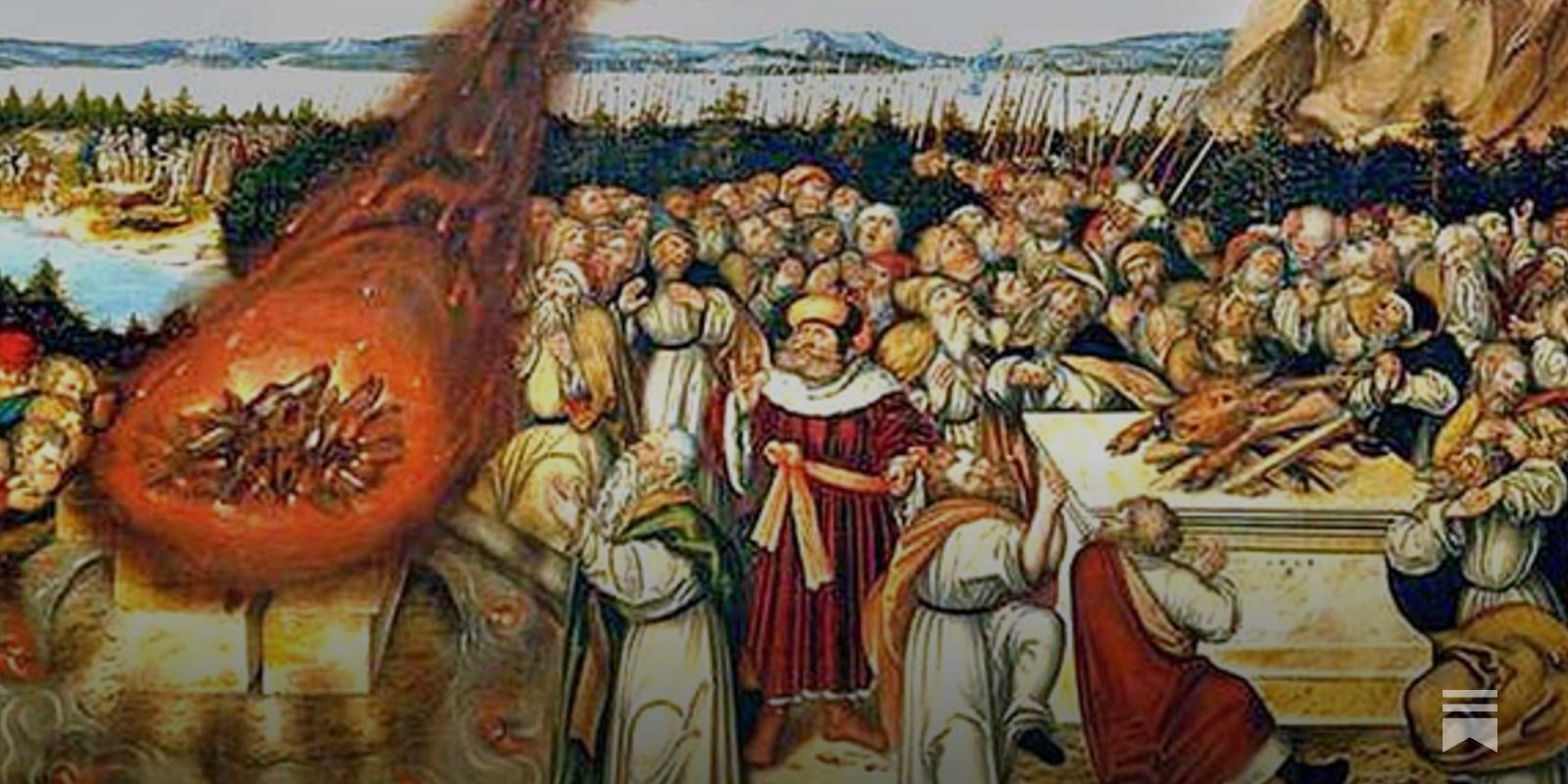
Why Being Wrong Can Be Right: Magical Warfare Technologies and the Persistence of False Beliefs
Across human societies, one sees many examples of deeply rooted and widely held beliefs that are almost certainly untrue. Examples include beliefs about witchcraft, magic, ordeals, and superstitions. Why are such incorrect beliefs so prevalent and how do they persist? We consider this question through an examination of superstitions and magic associated with conflict in the Eastern Democratic Republic of the Congo. Focusing on superstitions related to bullet-proofing, we provide theory and case-study evidence showing how these incorrect beliefs persist. Although harmful at the individual-level, we show that they generate Pareto efficient outcomes that have group-level benefits.
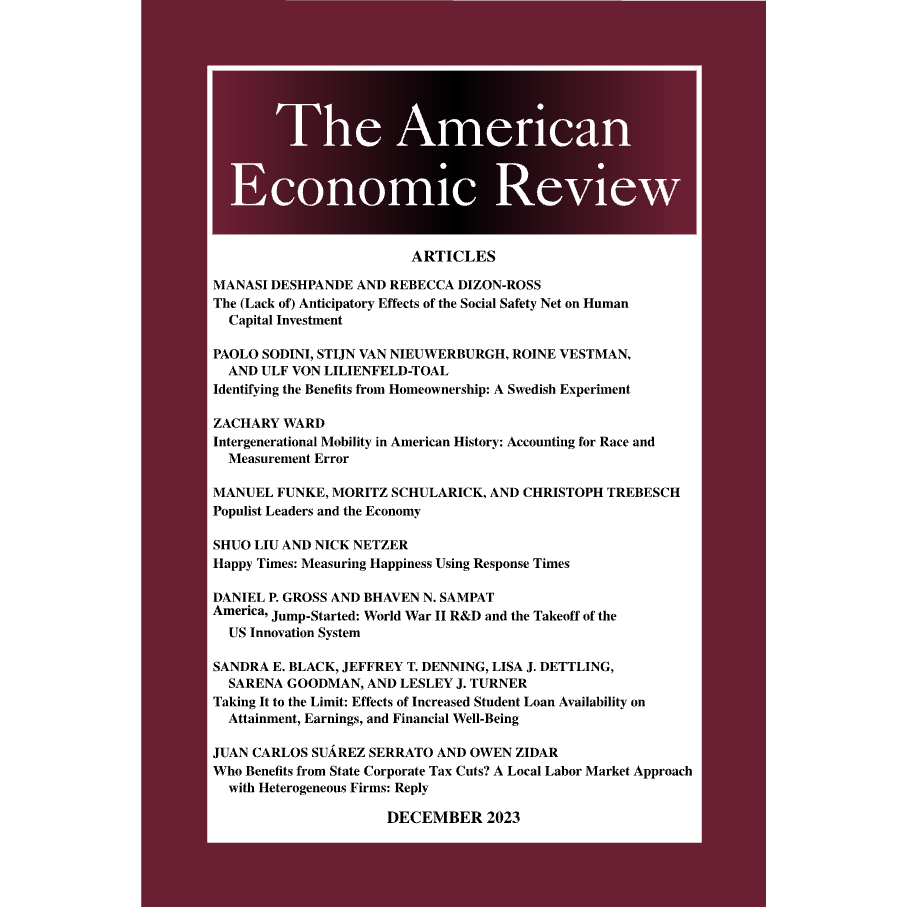
Beginner's Guide to Arguing Constructively
How to turn arguments from vicious battles into productive dialogues.
The 7 best military commanders of all time, according to Napoleon Bonaparte
Napoleon encouraged his officers to pore over these seven commanders' campaigns to learn the art of war.
[OPINION] Pope Francis: 'A moral giant in a world gone crazy'
Pope Francis taught me that faith is essential to surviving — and thriving — in the creative destruction we are living through

Collections: How the Weak Can Win – A Primer on Protracted War
Thanks to our volunteer narrator, this post is now available in audio format. This week, in an effort to fill in some of the theoretical basis for thinking about how weaker powers think about fight…
