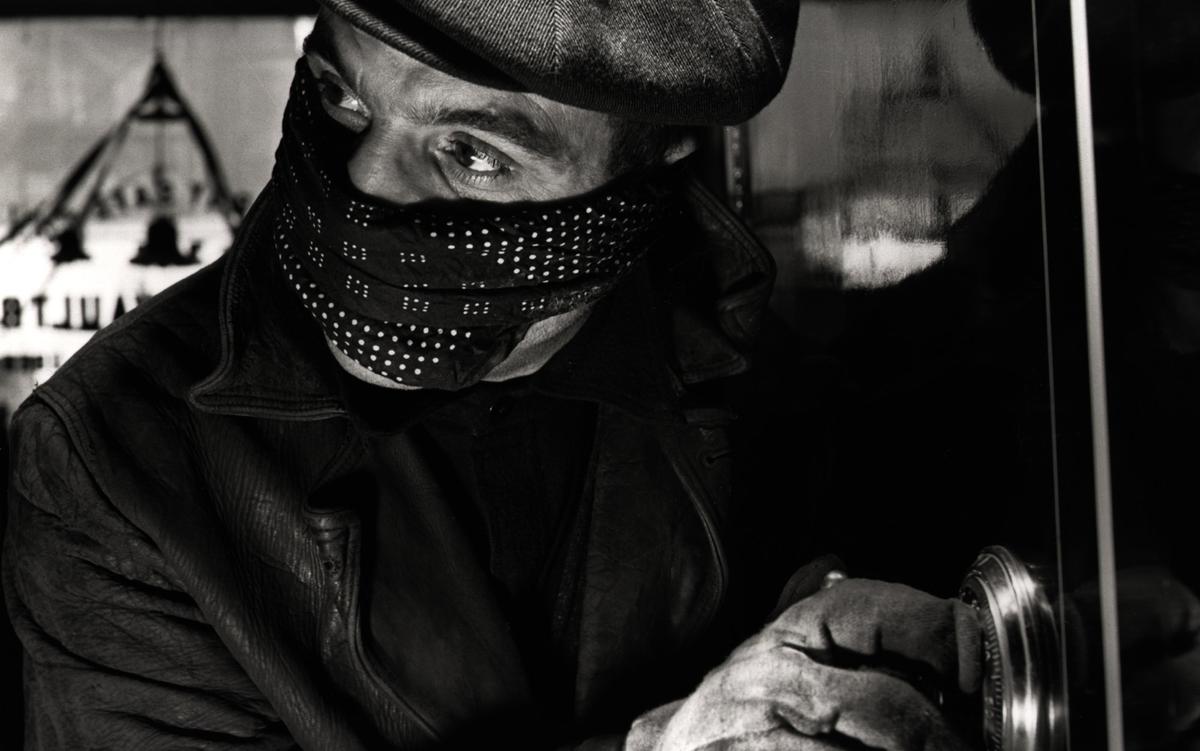
Reprint: R1403K Success in business unquestionably requires some willingness to cooperate through having faith in others. The question is how much faith and in whom? Decades of scientific research show that people’s accuracy in deciding if another can be trusted tends to be only slightly better than chance. But this isn’t because trustworthiness is completely unpredictable. It’s because the guidelines most of us use to make these predictions are flawed. We place too much emphasis on reputation and perceived confidence, ignoring the fact that human behavior is always sensitive to context and can often be better assessed by our own intuition. So when your company’s money and resources are on the line, how can you do a better job of gauging trustworthiness and thereby improve your likelihood of success? This article draws on emerging research to show how trustworthiness works and offers four points to keep in mind the next time you’re deciding whether or not to do business with a new partner: Integrity can vary, power does corrupt, confidence often masks incompetence, and it’s OK to trust your gut.
Rethinking Trust
Reprint: R0906H Will we ever learn? We’d barely recovered from Enron and WorldCom before we faced the subprime mortgage meltdown and more scandals that shook our trust in businesspeople. Which raises the question: Do we trust too much? In this article, Stanford professor and social psychologist Kramer explores the reasons we trust so easily—and, often, so unwisely. He explains that genetics and childhood learning make us predisposed to trust and that it’s been a good survival mechanism. That said, our willingness to trust makes us vulnerable. Our sense of trust kicks in on remarkably simple cues, such as when people look like us or are part of our social group. We also rely on third parties to verify the character of others, sometimes to our detriment (as the victims of Bernard Madoff learned). Add in our illusions of invulnerability and our tendencies to see what we want to see and to overestimate our own judgment, and the bottom line is that we’re often easily fooled. We need to develop tempered trust. For those who trust too much, that means reading cues better; for the distrustful, it means developing more receptive behaviors. Everyone should start with small acts of trust that encourage reciprocity and build up. Having a hedge against potential abuses also helps. Hollywood scriptwriters, for instance, register their treatments with the Writers Guild of America to prevent their ideas from being stolen by the executives they pitch. To attract the right relationships, people must strongly signal their own honesty, proactively allay concerns, and, if their trust is abused, retaliate. Trusting individuals in certain roles, which essentially means trusting the system that selects and trains them, also works but isn’t foolproof. And don’t count on due diligence alone for protection; constant vigilance is needed to make sure the landscape hasn’t changed.
Trust is the most powerful currency in business | Fortune
A clear sense of ethics tells employees, clients, and members of your community that you care about a lot more than making money.

On Trust Infrastructure Trust underpins civilisation. It expands the scope and complexity of the pursuits within our collective reach by allowing us to act as a…
Self-guaranteeing promises
A self-guaranteeing promise is verifiable and non-reversible. It does not require you to trust anyone.
White Paper — the FIRST PERSON NETWORK
Part Seven: The four trust network effects in a two-sided market for trust.
Can we measure trust in scientific publications? - LSE Impact
Jonathon Alexis Coates outlines how a constellation of static and dynamic indicators could provide a means for assessing the trustworthiness of published research

Why Should I Trust You?
News Commentary Podcast · Updated Weekly · Bold, unfiltered, and uncompromisingly honest, Why Should I Trust You? is a weekly podcast that looks at the breakdown in trust for science and public health. It drops every Thursday, with occasional…

Trust Revolution
Unfiltered conversations with builders, thinkers, and operators in Bitcoin and beyond. Exploring systems we trust, why they work (or don't), and what's next.
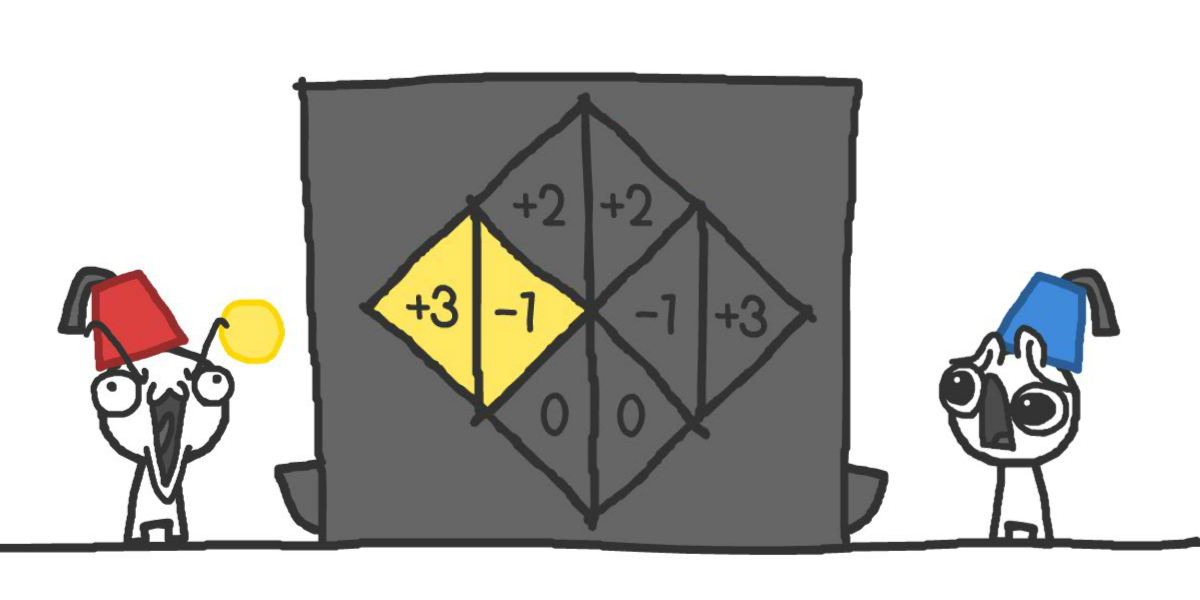
Reflections on trusting trust
To what extent should one trust a statement that a program is free of Trojan horses? Perhaps it is more important to trust the people who wrote the software.

The Evolution of Trust
an interactive guide to the game theory of why & how we trust each other
Why we don’t really know what the public thinks about science
Measuring trust isn’t enough. Furthering knowledge about the institutions and norms of science is the best way to build credibility.
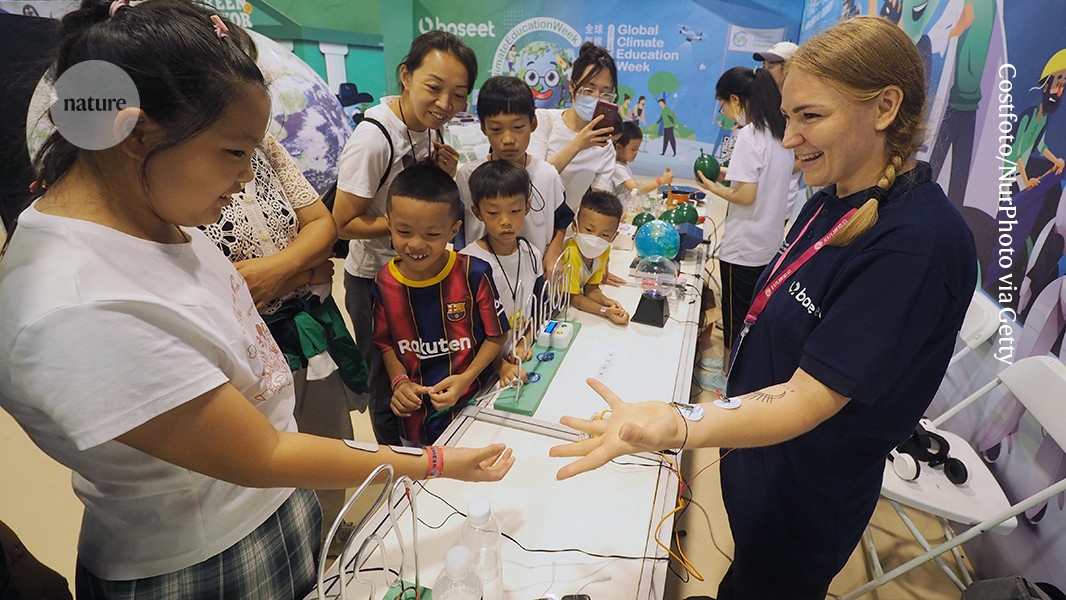
Moderating With Humans, For Humans - Trust Issues
Moderating With Humans, For Humans - Trust Issues
Funded projects | Scaling Trust
Explore the projects we're funding in the Scaling Trust opportunity space.
Trust & Safety Library - Trust & Safety Professional Association
Welcome to the Trust & Safety Library! We use this space to collect articles, blog posts, journal articles, lectures, podcasts, and websites that trust and safety professionals may find useful in developing policies, supporting moderators, building systems to detect violations, and generally deepening their practice. We welcome your submissions and feedback. This project was initially
Trust: the inside story of the rise and fall of Ethereum | Aeon Essays
Blockchain enthusiasts crave a world without bankers, lawyers or fat-cat executives. There’s just one problem: trust