Reprint: R1404A Mullenweg founded Automattic, the company behind WordPress, in 2005, and began hiring in the traditional way: using résumé screening, reference checks, and interviews. He focused on the experience candidates had and paid special attention to what other start-ups they’d worked for. He and his colleagues invested a lot of energy in the process and believed that they were being as rigorous as they could. But when some hires didn’t work out, they began to examine their approach in light of Automattic’s unconventional philosophy: Work where you want and when you want; you’ll be measured by outputs, not by time spent at a desk in an office. They realized that being well-spoken or charming in an interview often had little bearing on how a candidate would perform the job in question. So they introduced tryouts. After an initial screening, promising candidates are required to work with the company for three to eight weeks (with pay), performing real tasks that are closely related to the jobs they’re applying for, and working alongside the people who will be their colleagues if they’re hired. They can size up the company as it evaluates and provides feedback to them, benefiting all concerned.
Inside Automattic’s remote hiring process
How can Automattic consistently hire the best people without ever having a single voice conversation? Let’s face it, hiring is tough. When you ask startup founders what their biggest challenge is, …

How to Hire
Most companies approach hiring with faulty assumptions and poor practices. They believe talent is fixed rather than contextual. They fail to create real partnerships between internal recruiters and hiring managers. And they rely too much on salary surveys and rigid compensation formulas. The author shares what she learned about making and keeping great hires during her 14 years as the chief talent officer at Netflix. The process requires probing beneath the surface of people and their résumés; engaging managers in every aspect of hiring; ensuring that recruiters deeply understand the business and are not viewed as support staff; adopting a mindset in which you’re always recruiting; and coming up with compensation that suits the performance you need and the future you aspire to. These lessons may be especially relevant to fast-growing tech-based firms, whose rapid innovation means a continual need for new talent. But organizations of all types can benefit from taking a fresh look at their hiring and compensation practices.

nxthompson on Twitter / X
AI is mucking up the job market. Everyone uses AI to write similar cover letters; resumes are all perfect. People apply for zillions of jobs and cheat in Zoom calls. Hiring is now basically AI talking to AI while humans wait to hear nothing back. https://t.co/kyqOotxeAl— nxthompson (@nxthompson) June 2, 2026
What Google Learned From Its Quest to Build the Perfect Team (Published 2016)
New research reveals surprising truths about why some work groups thrive and others falter.

Intentions have a surprising amount of detail
Auteur managerialism, the myth of one-shotting, and the chindogufication of engineering

The One Method I've Used to Eliminate Bad Tech Hires - Mattermark
Let’s be real. Interviews are a terrible way to hire tech candidates. Here’s why paying candidates to solve problems works.

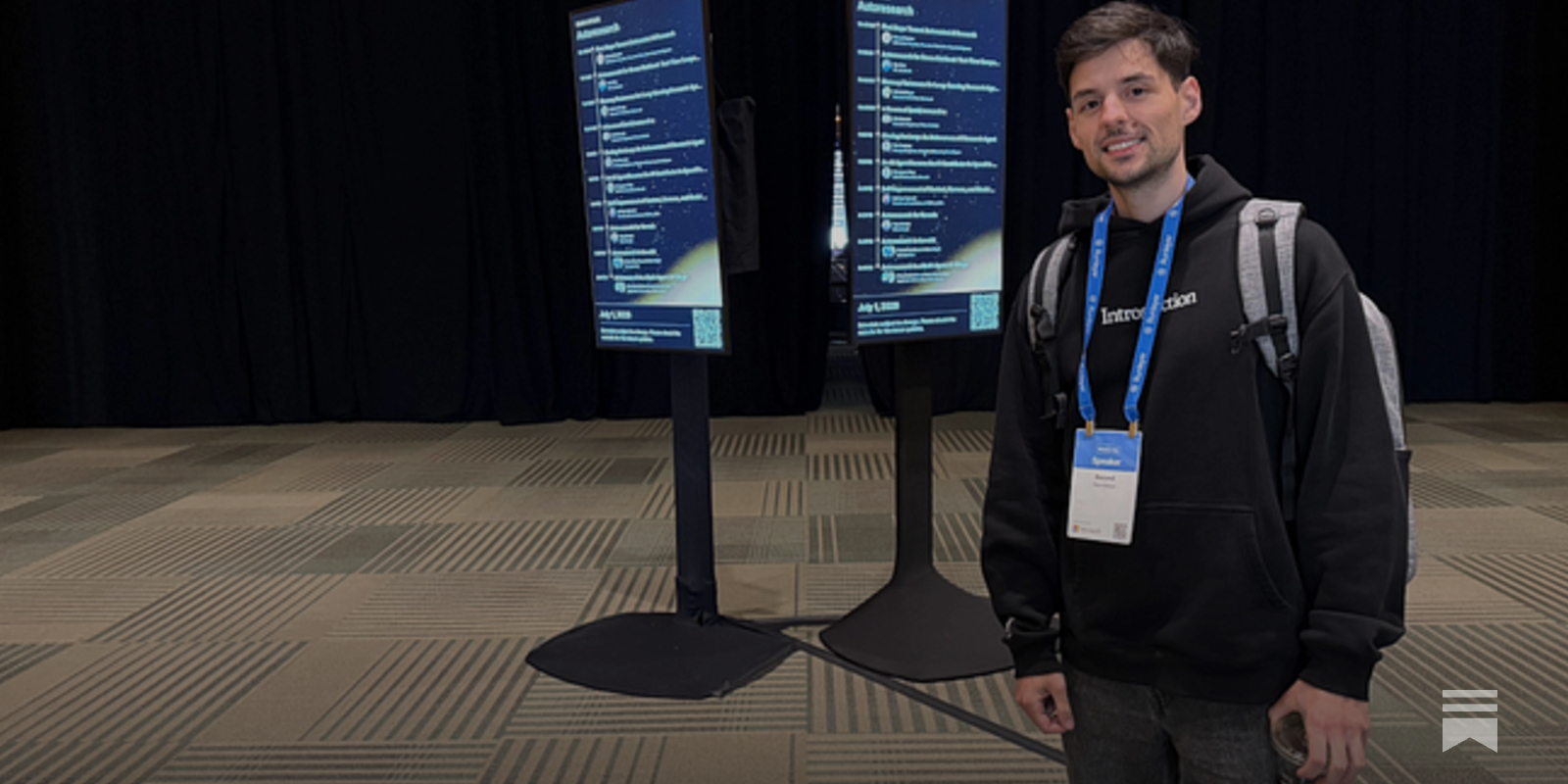
Autoresearch: The feedback loop behind self-improving agents
Introspection co-founder Roland Gavrilescu explains autoresearch, agent “recipes,” self-improving loops, and why humans remain central to the software factory.
An Extended Interview With WordPress Creator Matt Mullenweg
I sat down with Matt Mullenweg, the founder and CEO of WordPress' parent company, Automattic, for an extended interview in March, just ahead of the company's $160 million financing round a month later, which valued the company at $1.16 billion. (Apologies for posting this so long after the fact.) For a company that [...]

Tom Nowell on How Automattic Keeps Workers Healthy and Happy
This post was contributed by Tom J Nowell. Tom is a VIP Wrangler at WordPress.com VIP, lead of the WP The Right Way project, blogger, and community moderator at WordPress Stack Exchange. Tom will b…

ADHD symptoms, entrepreneurial passion, and entrepreneurial performance
Recent studies have substantially enhanced our understanding of attention deficit and hyperactivity disorder (ADHD) in entrepreneurship—articulating the theoretical relevance of ADHD-type traits in entrepreneurship and confirming the positive linkages between ADHD symptoms/diagnosis and entrepreneurial intentions and behavior. However, how and why some people with ADHD symptoms run successful ventures, while other entrepreneurs fail to perform well, is still not well established. Our study builds on a Gestalt perspective that integrates person–environment fit and broaden-and-build theorizing, and proposes that strong positive emotions enable entrepreneurs with ADHD symptoms (at the subclinical level) to mitigate/reinforce the effect of ADHD’s trait-specific weaknesses/strengths to achieve entrepreneurial performance. Relying on fuzzy-set methodology, our findings indicate that for entrepreneurs with ADHD symptoms, entrepreneurial performance occurs when they simultaneously experience passion for founding and developing. This passion configuration is unique to successful ADHD-type entrepreneurs. As such, this study offers novel theoretical and empirical insights as well as implications for practitioners.
Making your first startup ops hire – what founders should look for - PostHog
Most founders I talk to approach their first ops hire in a totally sensible but wrong way. Their typical approach is to look at the long list of admin…
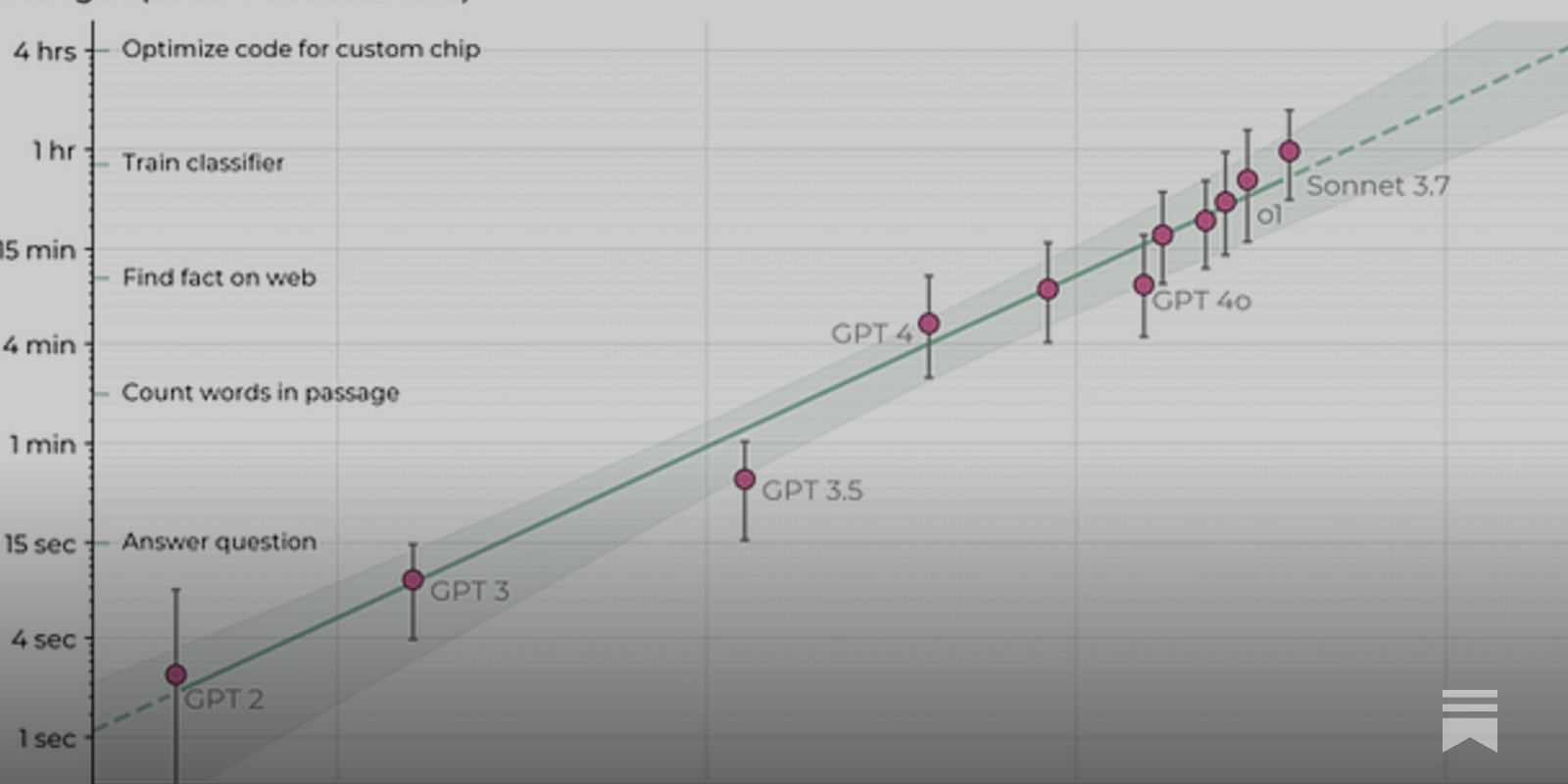
Where’s my ten minute AGI?
Why don’t AIs automate more real-world tasks if they can handle 1-hour ones? Here are at least three fundamental reasons.
CEO-Bench: Can Agents Play the Long Game?
Language model agents are becoming proficient executors at isolated, short-horizon tasks such as software engineering and customer service. Yet real-world challenges require a combination of sophisticated skills that remain largely untested in agents: (1) navigating long horizons amid uncertainty; (2) acquiring information in noisy environments; (3) adapting to a changing world; (4) orchestrating multiple moving parts toward a coherent goal. We introduce CEO-Bench, which evaluates these capabilities together by simulating a representative real-world task: operating a startup for 500 days. An agent manages pricing, marketing, budgeting, and many other aspects of a fictional company through a programmable Python interface, operating in the same environment and facing the same challenges as a human CEO. Success demands analyzing noisy, interconnected business databases, translating signals into sound strategy, and coordinating many decisions with programming. The strongest agents write sophisticated code that simulates customer cohorts to forecast future cash and mines negotiation history to uncover hidden customer preferences. Even so, most state-of-the-art models struggle in this environment. Only Claude Opus 4.8 and GPT-5.5 finish above the $1M starting balance, and neither consistently turns a profit. CEO-Bench takes a first step toward measuring the intelligence required to drive sustained, adaptive progress over time.

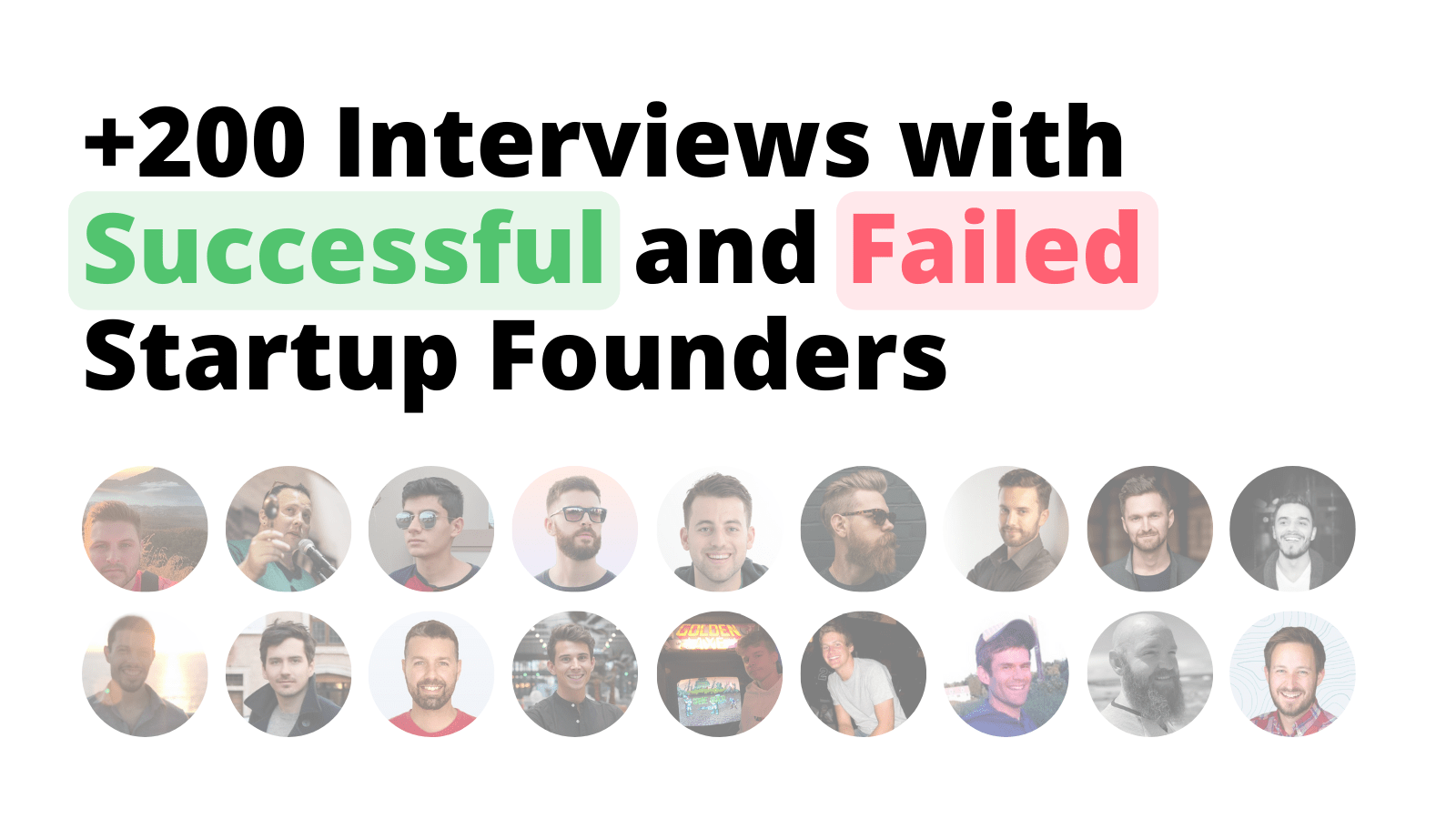
Interviews with Failed & Successful Startup Founders
+200 interviews with the brains behind shut down and active startups. Learn from their wins and their mistakes and become a better founder.
AI Skills with Matt Pocock
How to Write Good Job Descriptions that Attract Great Candidates
Here at Trakstar, we occasionally have clients ask us why they’re not getting the volume of applicants they’d anticipated for a certain opening. There can be any number of reasons–maybe the opening isn’t on certain job boards and should be; maybe it’s a hot job in an ultra-competitive market (say, iOS developer in San Francisco). But sometimes it comes down to the job description.