Research on overcoming implicit age and racial bias.
What if Age Is Nothing but a Mind-Set? (Published 2014)
Ellen Langer’s experiments have shown that mental attitudes might reverse some ravages of old age. Now she wants to test that same radical principle on cancer.

Trial Data Reveals Racial Bias in Age Verification Software
New trial data reveals racial bias in age verification software used for social media restrictions. Discover how unreliable these systems really are now.
Distinction Bias: Why You Make Terrible Life Choices
Worried about a cognitive bias like confirmation bias or hyperbolic discounting screwing you up? Watch out for distinction bias.
On Getting Old(er) in Tech
After years of scoffing at talk of prejudice in the information technology field -- as a white male with good hair --, I'm starting to call prejudice against my being old(er). It’s true: age discrimination is a real thing.
Beware of samples! A cognitive-ecological sampling approach to judgment biases.
Researchers uncover AI bias against older working women
AI is perpetuating inaccurate gender and age stereotypes, influencing everything from hiring practices to workplace perceptions.

AI Age Checks Are Here—And They’re Not Fair To Everyone
Research shows that AI age checks misclassify women & Black people as older, raising concerns over bias, safety, and future workplace use.

We ignore what doesn’t fit with our biases – even if it costs us | New Scientist
We tend to pay more attention to information that confirms our own beliefs and biases, and we are prepared to lose money to stick to our guns

New Insights into Self-Insight: More May Not Be Better
An innovative study technique yields surprising results that counter the popular idea that knowing yourself is good for you
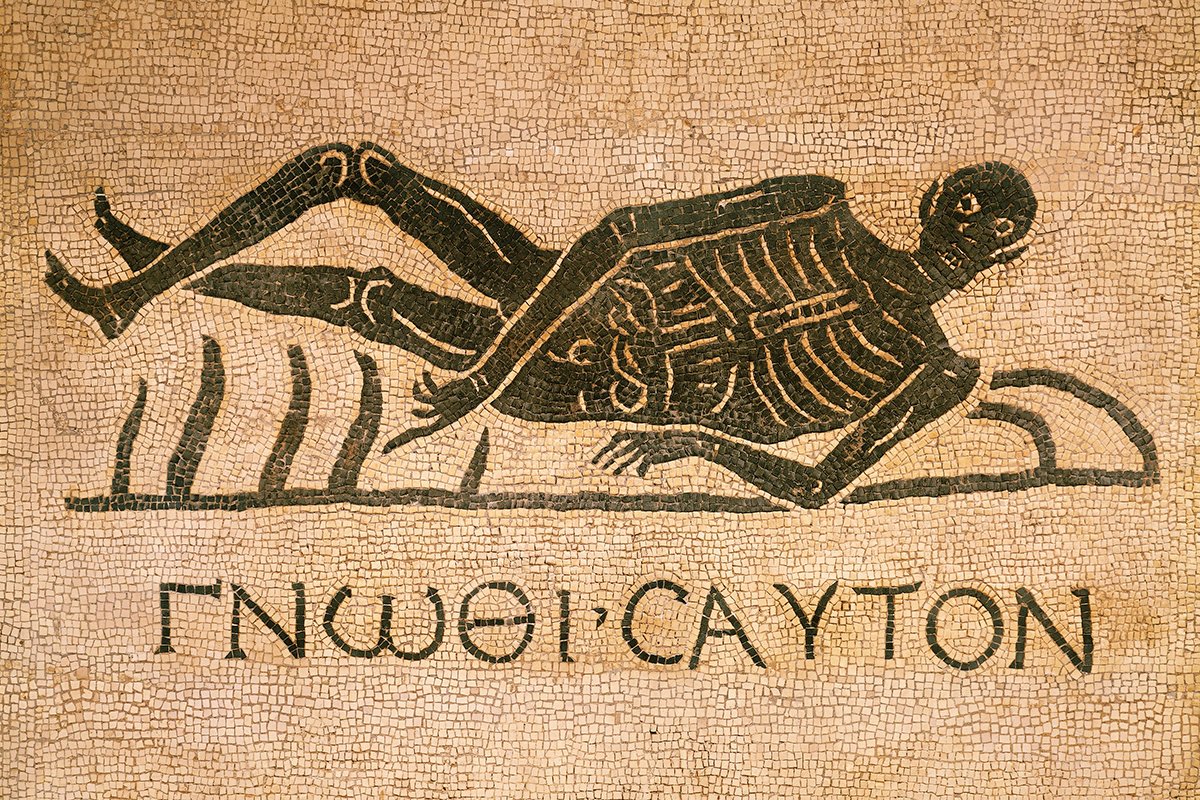
The Illusion of Asymmetric Insight
The Misconception: You celebrate diversity and respect others’ points of view. The Truth: You are driven to create and form groups and then believe others are wrong just because they are oth…

Religious intolerance is 'bigger cause of prejudice than race', says report
Attitudes to faith said to drive negative perceptions more than nationality or ethnicity
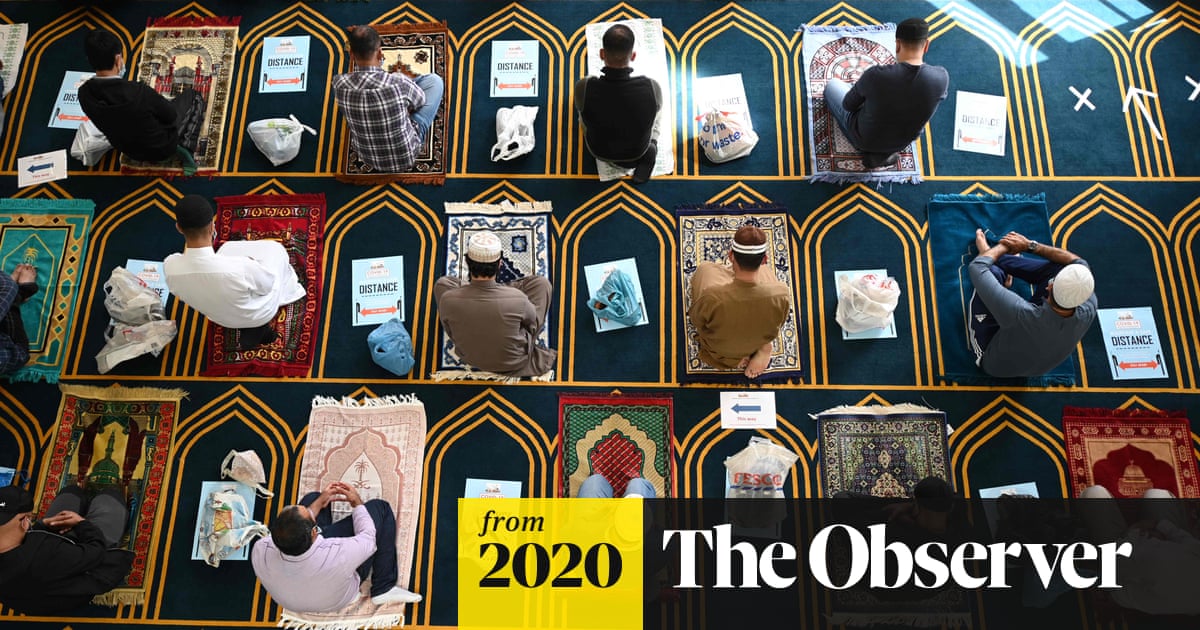
Misperceptions About Others
Perceptions about others play an important role in shaping people's attitudes and behaviors, as well as social norms more broadly. This review presents a meta-analysis of the recent empirical literature that examines perceptions about others in the field, covering over a million observations for a total of 434 elicited perceptions. We document a number of stylized facts. Misperceptions about others are widespread, asymmetric, much larger when about out-group members, and positively associated with one's own attitudes. Experimental treatments to recalibrate misperceptions generally work as intended; they sometimes lead to meaningful changes in behaviors, though this often occurs only immediately after the treatments. We discuss different conceptual frameworks that could explain the origin, persistence, and rigidity of misperceptions about others. We point to several directions for future research.

How Field Experiments in Economics Can Complement Psychological Research on Judgment Biases
This review summarizes results of field experiments examining individual behaviors across several market settings—from open-air markets to rideshare markets to tax-compliance markets—where people sort themselves into market roles wherein they make consequential decisions. Using three distinct examples from my own research on the endowment effect, left-digit bias, and omission bias, I showcase how field experiments can help researchers understand mediators, heterogeneity, and causal moderation involved in judgment biases in the field. In this manner, the review highlights that economic field experiments can serve an invaluable intellectual role alongside traditional laboratory research.

We don’t have a hundred biases, we have the wrong model
Behavioral economics has identified dozens of cognitive biases that stop us from acting 'rationally'. But instead of building up a messier and messier picture of human behavior, we need a new model.
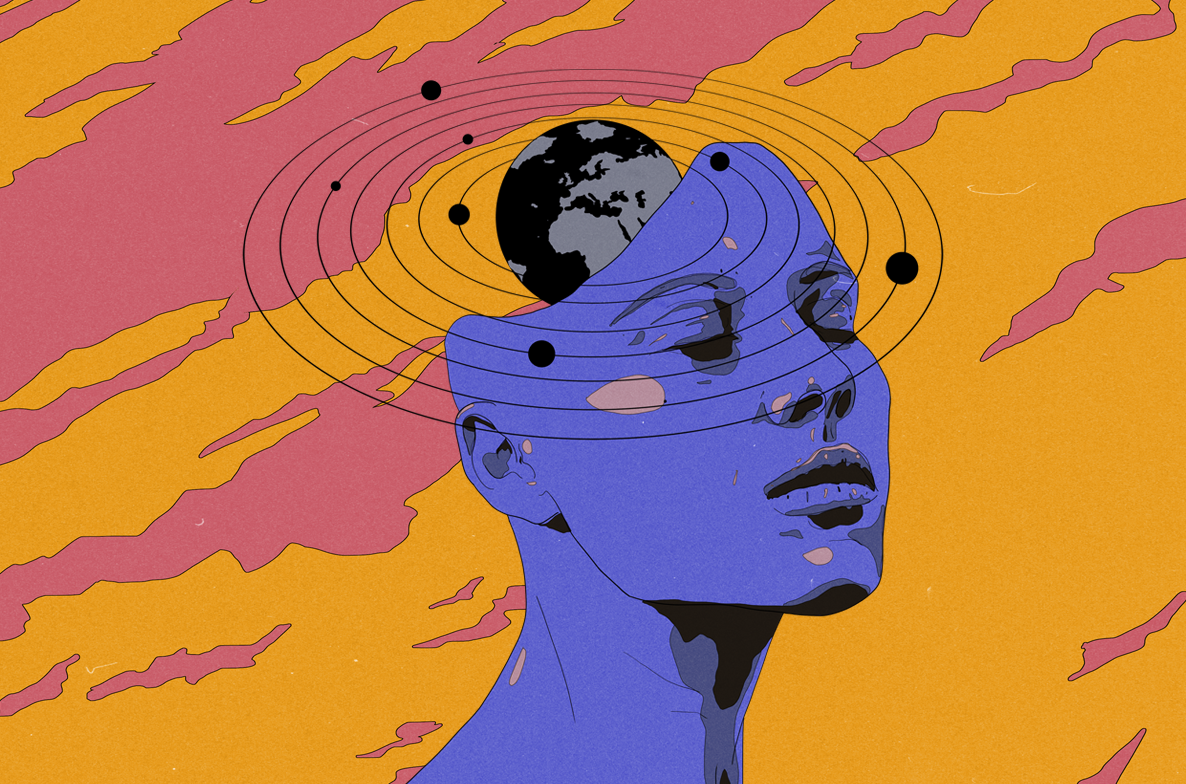
Americans Have One Very Strange Cognitive Bias
Or: How I learned to stop worrying and love The People.
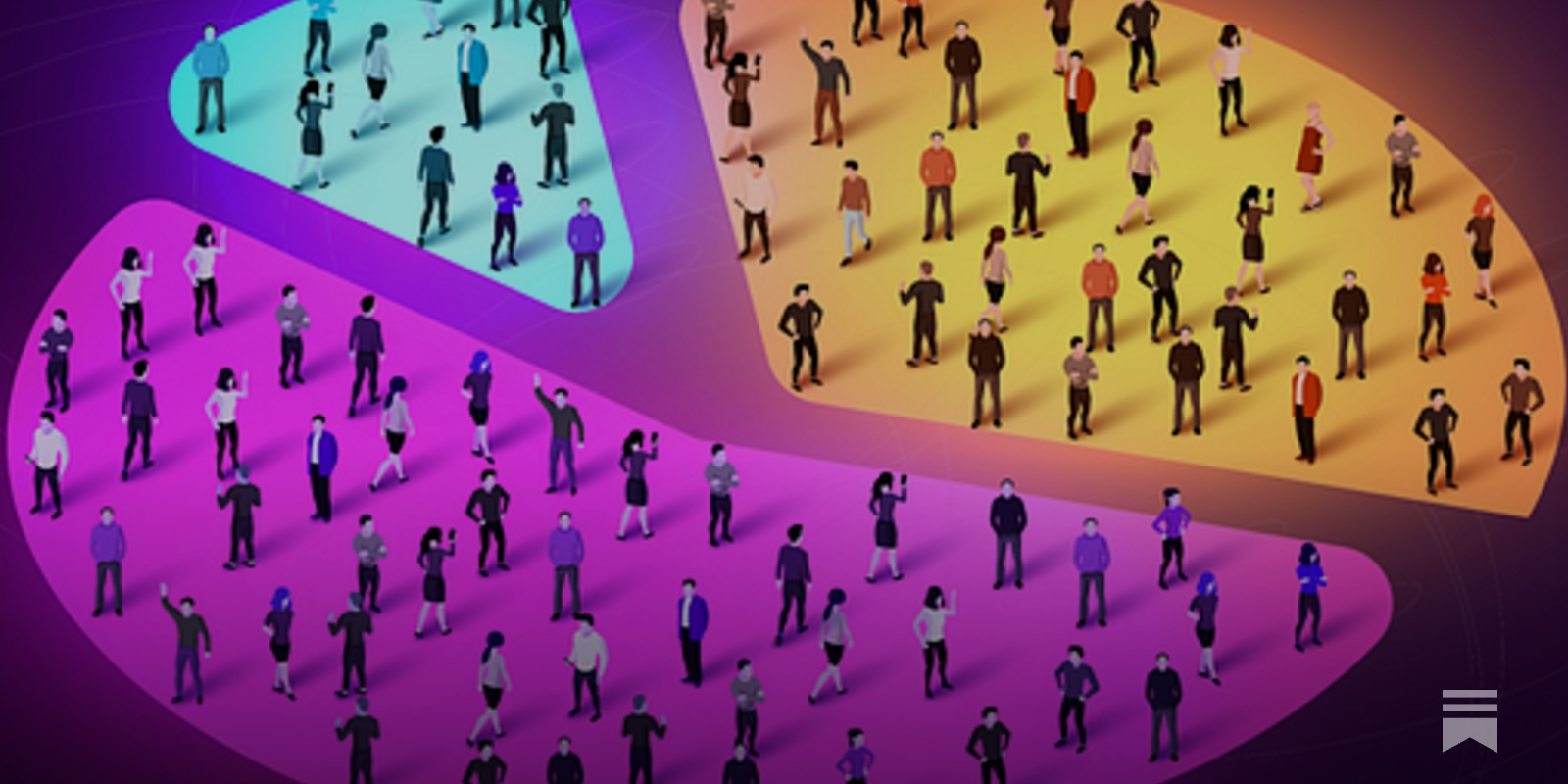
How to take things less personally and avoid mind reading | Psyche Guides
Always blaming yourself or assuming others think ill of you? A CBT therapist shares ways to break these self-critical habits