


After Wall Street firms repeatedly had to shell out millions to settle discrimination lawsuits, businesses started to get serious about their efforts to increase diversity. But unfortunately, they don’t seem to be getting results: Women and minorities have not gained much ground in management over the past 20 years. The problem is, organizations are trying to reduce bias with the same kinds of programs they’ve been using since the 1960s. And the usual tools—diversity training, hiring tests, performance ratings, grievance systems—tend to make things worse, not better. The authors’ analysis of data from 829 firms over three decades shows that these tools actually decrease the proportion of women and minorities in management. They’re designed to preempt lawsuits by policing managers’ decisions and actions. But as lab studies show, this kind of force-feeding can activate bias and encourage rebellion. However, in their analysis the authors uncovered numerous diversity tactics that do move the needle, such as recruiting initiatives, mentoring programs, and diversity task forces. They engage managers in solving the problem, increase contact with women and minority workers, and promote social accountability. In this article, the authors dig into the data, executive interviews, and several examples to shed light on what doesn’t work and what does.
Why Meritocracy Doesn't Work: The Math Behind the Myth
Even a 1% hiring bias compounds dramatically across hierarchies and growth. Here's the math proving why meritocracy fails and diversity initiatives matter.

AI needs to deal with gender bias - or it will never reach its potential - Lenovo StoryHub
Ada Lopez, Global Product Diversity Office, discusses the increasing issue of gender bias in AI, and offers advice to businesses looking to combat this.

Hire More Women (and people with diverse experiences and identities) In Tech
Stop missing out on exceptional tech talent. Diverse senior leaders deliver better business outcomes and better products and services.
Women Business Leaders on How To Solve AI’s Inclusivity Problem
Top executives at Takeda, PepsiCo and Meta discuss making AI more inclusive and preparing the next generation of women leaders for change.
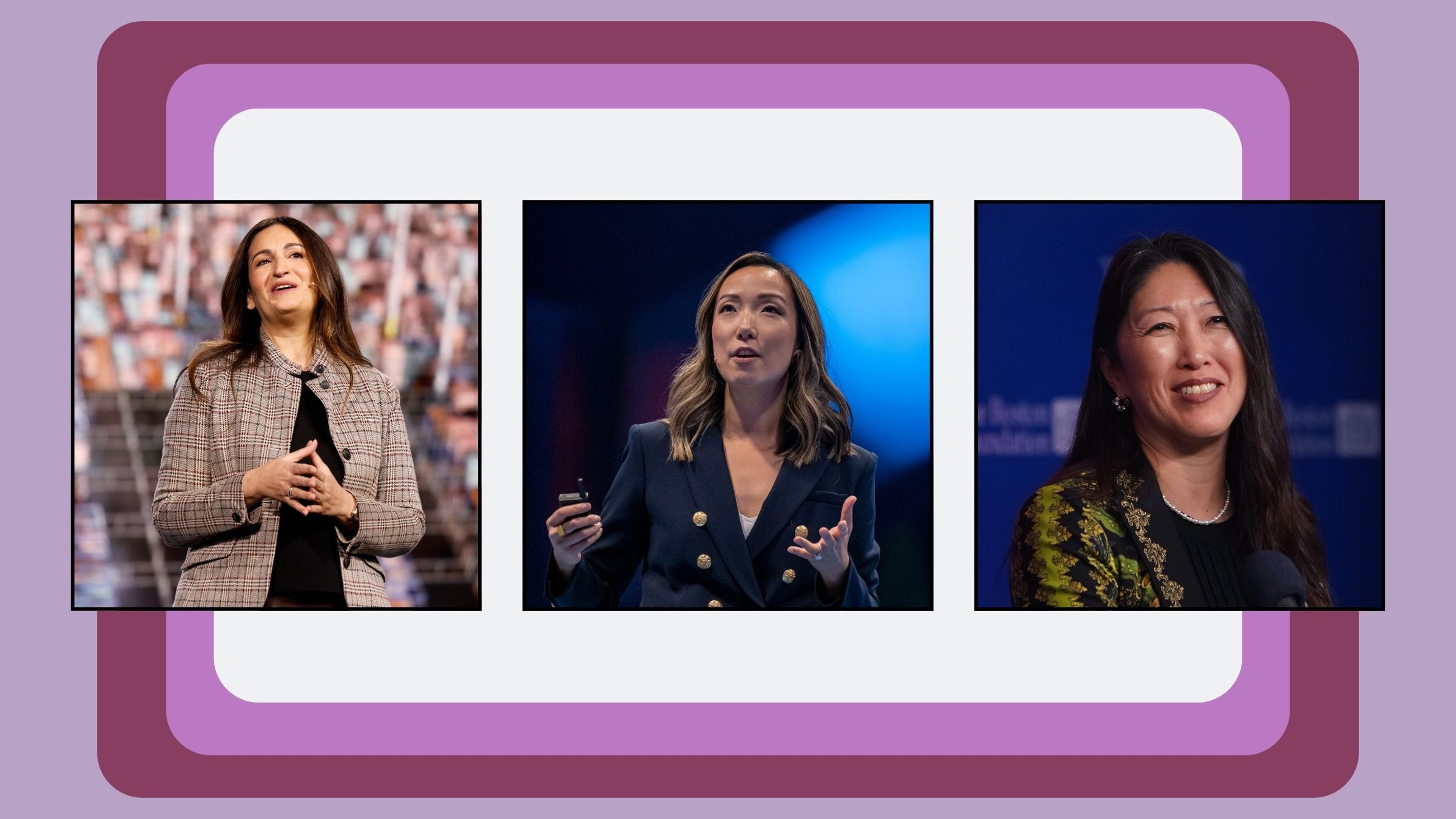
“Women Don’t Need Rescuing”: Navigating the AI Gender Gap in an Industry That’s Obsessed | LBBOnline
Little Black Book, Is the AI gender gap a problem to be solved, a question of control or a strategic advantage? LBB’s Laura Swinton Gupta asks

The long-run effects of affirmative action bans
Recent national affirmative action ban could worsen earnings inequality across racial and ethnic groups among women, while having relatively little impact on men

Beyond the blank slate: Why Black women’s trust is critical for equitable AI | Brookings
Zarah Guillemet and Raj Korpan discuss preliminary research on Black women's trust in AI and implications for policymakers.
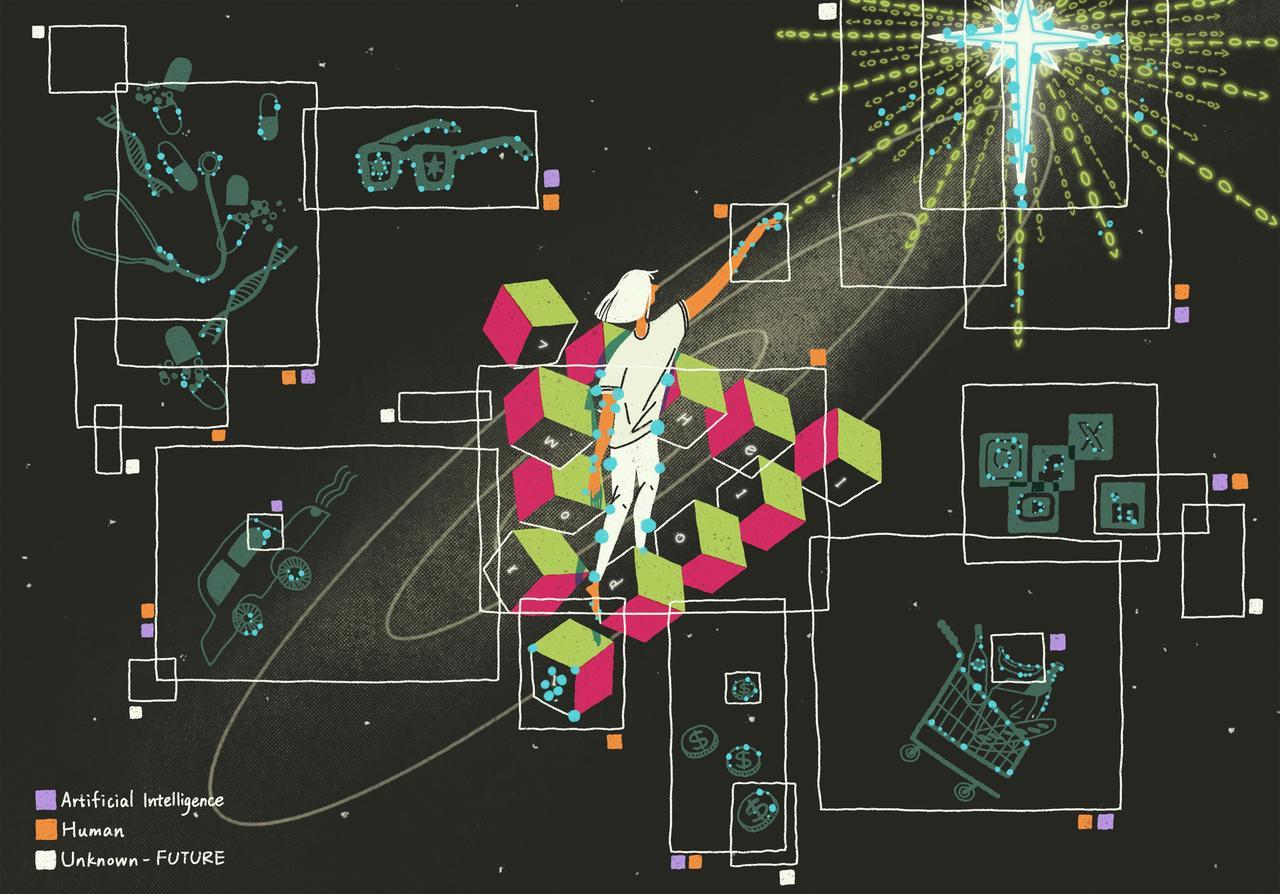
Researchers uncover AI bias against older working women
AI is perpetuating inaccurate gender and age stereotypes, influencing everything from hiring practices to workplace perceptions.

Choosing a Sex Worker-Affirmative Therapist
Due to the stigma of sex work, sex workers can be vulnerable to micro-aggressions and minority stress and experience discrimination when the

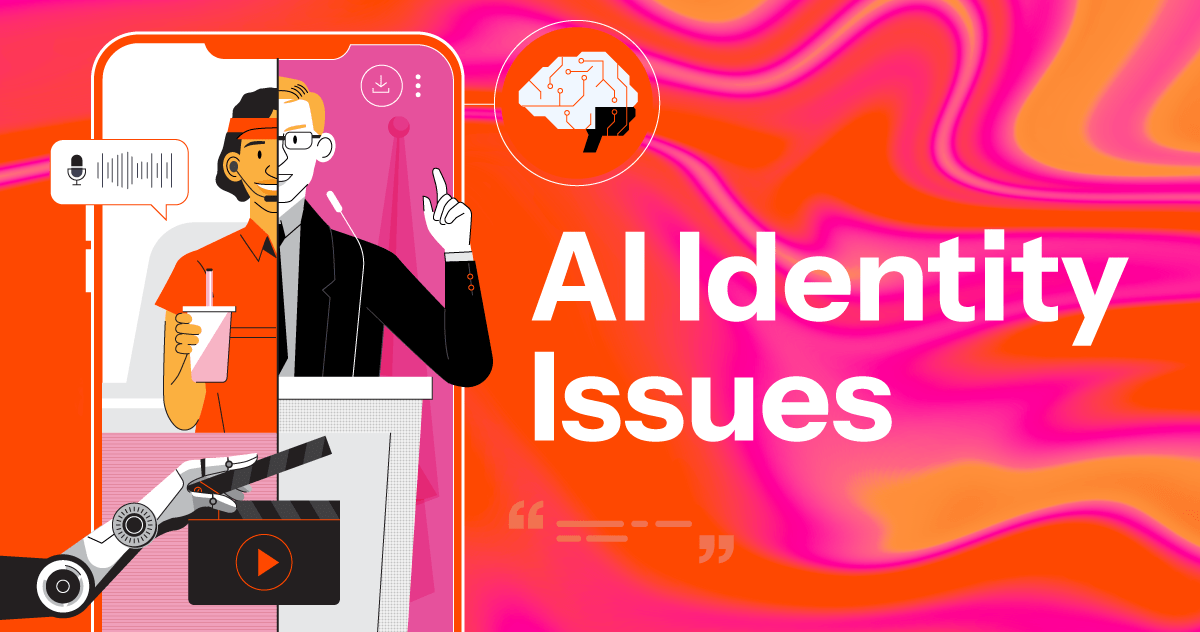
AI Diversity Report: Race and Gender Bias in AI-Generated Videos
AI videos are now mainstream. But do the tools that generate them replicate society’s race and gender biases?
Effective Altruism Has a Hostile Culture for Women, Critics Say
Seven women connected to effective altruism tell TIME they experienced harassment and worse within the community
As diversity increases, people paradoxically perceive social groups as more similar
With globalization and immigration, societal contexts differ in sheer variety of resident social groups. Social diversity challenges individuals to think in new ways about new kinds of people and where their groups all stand, relative to each other. However, psychological science does not yet specify how human minds represent social diversity, in homogeneous or heterogenous contexts. Mental maps of the array of society’s groups should differ when individuals inhabit more and less diverse ecologies. Nonetheless, predictions disagree on how they should differ. Confirmation bias suggests more diversity means more stereotype dispersion: With increased exposure, perceivers’ mental maps might differentiate more among groups, so their stereotypes would spread out (disperse). In contrast, individuation suggests more diversity means less stereotype dispersion, as perceivers experience within-group variety and between-group overlap. Worldwide, nationwide, individual, and longitudinal datasets ( n = 12,011) revealed a diversity paradox: More diversity consistently meant less stereotype dispersion. Both contextual and perceived ethnic diversity correlate with decreased stereotype dispersion. Countries and US states with higher levels of ethnic diversity (e.g., South Africa and Hawaii, versus South Korea and Vermont), online individuals who perceive more ethnic diversity, and students who moved to more ethnically diverse colleges mentally represent ethnic groups as more similar to each other, on warmth and competence stereotypes. Homogeneity shows more-differentiated stereotypes; ironically, those with the least exposure have the most-distinct stereotypes. Diversity means less-differentiated stereotypes, as in the melting pot metaphor. Diversity and reduced dispersion also correlate positively with subjective wellbeing.

The idea that oppressions are subconscious scares me - Lemmy
In order to understand oppression as a subconscious thing, let’s take a couple of examples. Many women complain that they express an idea that is immediately dismissed, only for a man to be cheered for saying the exact same thing, minutes later. I have witnessed time and again a woman pointing to the correct explanation or solution for a bug and a man just ignoring her repeatedly, only to exhaust all other solutions before arriving to the same conclusion and solution. There is a ton of lab research to show this goes beyond anecdotal evidence. Some researchers recently showed that for the same length of speech, women speakers were judged as being overtaking the dialog. In fact, the balance that the average listener gauged as fair was 70% male speech vs 30% female speech. Don’t get me started about bias of doctors, not only against women and transgender people, but, let’s face the elephant in the room, black people. A recent study had found that doctors hold outdated racist tropes, for instance, that black people are more resistant to pain. Doctors are also more likely to discount complains from any marginalized group, and send them home with a “have less stress” tap on the back, when in reality they do have something serious. The list goes on and on. There is a whole book, called “Dying of Whiteness”, which shows that white people are opposed to welfare measures, when they think that black people will benefit from welfare too. The number of leftist and anarchist people who maintain some blatant form of medicalized cisgenderism is astonishing. And this is not about transphobia only. The track record of many collectives with sexism is harrowing. Someone recently wrote “Why I am not giving to your mutual aid project”, TL;DR because every collective has a couple of skeletons of sexual abuse in their closet. Haven’t we all seen the silent machismo and the solidarity between male authority figures in these spaces? Whenever a story like this pops up, the whole repertoire of discount tropes for sexual abuse allegations is taken out from the secret place it is kept for emergencies like this. This is consequential for broader organization as well, not only gendered and racialized oppression. In a strict Bakunian sense, the informality of a circle of buddies pulling the strings on any topic of field of activity is a form of State. A kyriarchy, or oppression. And there are more oppressions that we don’t even know, in jobs, universities, hobbies, and more. Some of them can be traced back to sexism, like the hard-science superiority complex has sexist undertones, but wherever there is inequality, there is oppression. It seems that people have a predisposition to form groups and make rules that reify social categories, for instance when some universities are considered elite and others shitholes, or some squat is seen as true hardcore anarchists and the others as alternative lifestyle hippies. ALL of this operates subconsciously. For quite some time I thought that the channels of anarchist organization would remedy human predisposition towards inequality, oppression, and bias. I now realize that this can not happen automatically, but a serious component of self-reflection to transcend internalized kyriarchies must be necessary. But we now see the prevail of the most vulgar and raw inequality instincts, enabled by systemic capitalist indoctrination and consent manufacturing campaigning. And we know that this seed is also present in leftists and anarchists. I believe that something horrible is about to happen the following five to ten years. We will then reflect, as we did in the aftermath of the two first world wars, on human predisposition to outgroup, other, dehumanize and eliminate. We might as well reinvent the science of the human psychology of obedience, conformity, prejudice, oppression and kyriarchy. And anarchists might have to reinvent the principles of political organization, this time to include the understanding of subconscious oppression, and embrace procedures to address and transcend all kyriarchies. That would stay truth to the spirit of complete abolition of all State, including internalized states of mind. (The pun is not intended.) In fact, I finally tend to agree with some anarchist pedagogists, that preparing people to be active members in an equal society, free of oppressions, the work must start in childhood, to eradicate the instincts of property, selfishness, power and supremacy. So, although it might seem there could not be a bleakest time to raise such issues, that in fact the struggle for visibility, for the normalization of queer lives, for the subversion of verbal sexism, and so on and so forth, all were important and integral to the anarchist cause. The white male racist kleprocratists might shed ours and many of our siblings’ blood over the next ten years. But 2030’s anarchism will re-discover the procedures that engender these demands and bake the relentless struggle for complete equality right into the channels of anarchist social organization and generational reproduction.
A Proposed Conceptual Framework for Understanding Gender Disparities in Artificial Intelligence Adoption
This conceptual paper investigates the issue of gender disparities in artificial intelligence adoption within organizational settings. It highlights the importance of addressing these differences for workplace inclusivity and performance. The problem lies in the unequal of artificial intelligence adoption between male and female employees’ perspectives. The proposed framework is developed through a review of existing literature highlights differences between male and female employees in their artificial intelligence adoption. The methodology is based on conceptual analysis, derive on previous studies to build a comprehensive understanding of gender disparities in artificial intelligence adoption. An Independent T-Test will be used to analyze the disparities between male and female Malaysian sports graduates in testing the hypothesis development. By addressing these disparities, the paper provides insights into creating inclusive strategies that promote gender equity in the workforce. Overall, the findings aim to guide both researchers and practitioners in designing gender equality policies that address challenges to equal adoption of artificial intelligence.
Certifying and Removing Disparate Impact
What does it mean for an algorithm to be biased? In U.S. law, unintentional bias is encoded via disparate impact, which occurs when a selection process has widely different outcomes for different groups, even as it appears to be neutral. This legal determination hinges on a definition of a protected class (ethnicity, gender) and an explicit description of the process.When computers are involved, determining disparate impact (and hence bias) is harder. It might not be possible to disclose the process. In addition, even if the process is open, it might be hard to elucidate in a legal setting how the algorithm makes its decisions. Instead of requiring access to the process, we propose making inferences based on the data it uses.We present four contributions. First, we link disparate impact to a measure of classification accuracy that while known, has received relatively little attention. Second, we propose a test for disparate impact based on how well the protected class can be predicted from the other attributes. Third, we describe methods by which data might be made unbiased. Finally, we present empirical evidence supporting the effectiveness of our test for disparate impact and our approach for both masking bias and preserving relevant information in the data. Interestingly, our approach resembles some actual selection practices that have recently received legal scrutiny.

A large gender gap persists in STEM disciplines across the world that is bad for innovation, talent attraction & against fairness principles. On International Day of Women and Girls in Science, @ansolassen.bsky.social @cairosofie.bsky.social @valentinatartari.bsky.social are sharing our findings ⬇️
