


Contracts, transactions, and records of them provide critical structure in our economic system, but they haven’t kept up with the world’s digital transformation. They’re like rush-hour gridlock trapping a Formula 1 race car. Blockchain promises to solve this problem. The technology behind bitcoin, blockchain is an open, distributed ledger that records transactions safely, permanently, and very efficiently. For instance, while the transfer of a share of stock can now take up to a week, with blockchain it could happen in seconds. Blockchain could slash the cost of transactions and eliminate intermediaries like lawyers and bankers, and that could transform the economy. But, like the adoption of more internet technologies, blockchain’s adoption will require broad coordination and will take years. In this article the authors describe the path that blockchain is likely to follow and explain how firms should think about investments in it.
Big Brain Holdings
We are witnessing the early stages of a technological revolution, with blockchain at its core—a shift as impactful as the advent of the internet.

Funding the Evolution of Blockchains
Blockchains are digital organisms. As organisms evolve through changes in their DNA, blockchain protocols evolve through changes in their…
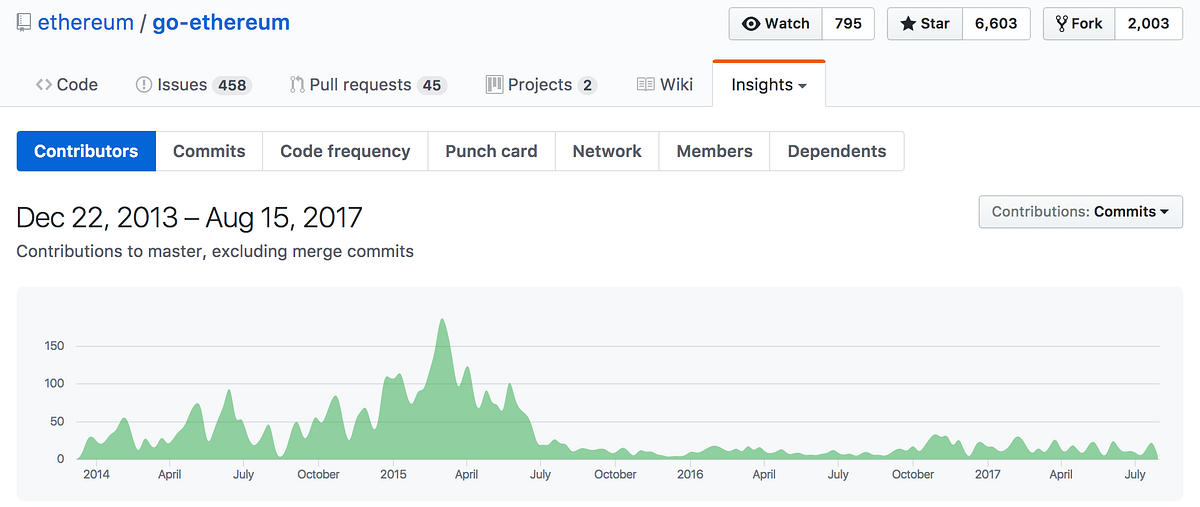
Money, blockchains, and social scalability
Introduction Blockchains are all the rage. The oldest and biggest blockchain of them all is Bitcoin , which over its eight-year hist...

Cryptoeconomics: Paving the Future of Blockchain Technology | HackerNoon
Page through the articles on <a href="https://hackernoon.com/tagged/blockchain" target="_blank">blockchain</a> today and you will see healthy discussions over its applications and endless debates over the future price action of someone’s favorite cryptocurrency. Yet rarely among all these topics is any mention of the most fascinating notion at the heart of the movement — blockchain as a novel means<strong> to incentivize desired human behavior</strong>.

The Future of Money: How the Digital Revolution Is Tran…
A cutting-edge look at how accelerating financial chang…

Blockchain Governance: Programming Our Future
This post describes why blockchain governance design is one of the most important problems out there, its critical components, current…

Trust: the inside story of the rise and fall of Ethereum | Aeon Essays
Blockchain enthusiasts crave a world without bankers, lawyers or fat-cat executives. There’s just one problem: trust

Crypto, Blockchain and FinTech Industry Insights Blog
Visit Ripple’s Insights blog for the latest articles, news, industry trends, and thought leadership across blockchain, crypto, payments and more.


Online Governance Surfaces and Attention Economies
This paper considers the intersection of governance and attention in digital contexts. In particular, it argues for the relevance of ‘attention economies’, or the analysis of human attention as a resource, to ‘governance surfaces’, or the means available for organisational adaptation and action. Existing theoretical frameworks for the governance of community-managed resources lack adequate consideration for how people’s attention is engaged and directed. To address this gap, this paper proposes heuristics that assess how attention relates to governance in online organisations. The heuristics are informed by literature on attention economies and governance, as well as three case studies that consider recent attempts to address attention in the design of governance surfaces in blockchain-based systems. The resulting heuristics serve as analytical and normative tools to enable researchers and system designers to better understand attention in a governance system. They invite consideration of whether the structure of attention in a system is appropriate, efficient, and just.
Hype, financial narratives, and self-fulfilling prophecies in surveillance capitalism
The rise of platforms has transformed our understanding of contemporary capitalism, with the critical literature describing how these firms leverage unprecedented digital powers to extract monopoly rents – perhaps even heralding a new form of Feudalism. This paper draws on the literature on financial narratives to examine the role that such stories play within the form of capitalism that they describe, and what this suggests for the role of “hype” in contemporary capitalism. The same stories that for critical scholars appear as menacing threats of “technofeudalism” or “surveillance capitalism” for investors appear as optimistic stories of promising future returns. By driving financial investments, narratives afford platforms very real social and political powers, enabling them to function as a form of self-fulfilling prophecies. The paper argues for a cultural inflection to the political economy of Big Tech – viewing capitalism as neither mechanistic nor rational, but as an expression of a complex interplay between narrative, technology, and economic power. This suggests the need for a critical hype studies, geared at deconstructing the narratives undergirding the technological waves of capitalist pursuits, and examining the broader role of hype in coordinating and directing flows of capital within contemporary financialized capitalism.

Open Source Money will BUIDL the Open Source Ecosystem
The blockchain revolution is growing open source
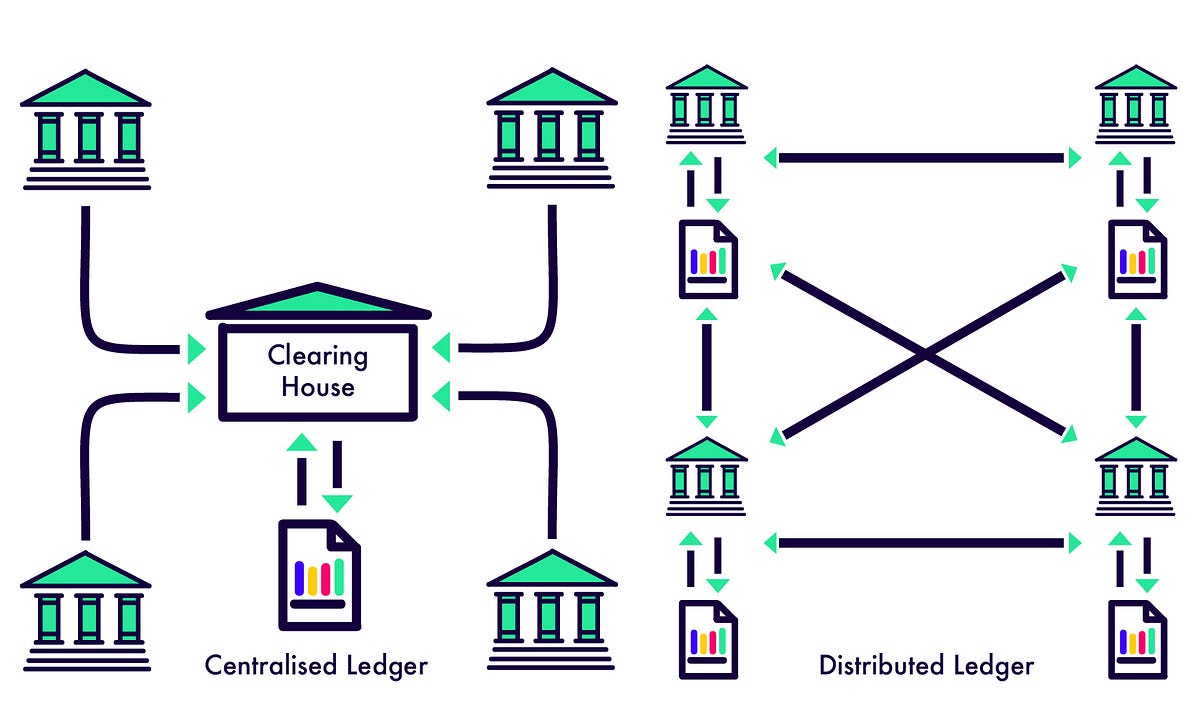
Stellar | Making Blockchain Technology Real: Why We're Giving Away Lumens
This giveaway design will test Stellar.org’s hypothesis: there are people in the bitcoin community who will realize the potential of distributed ledgers.
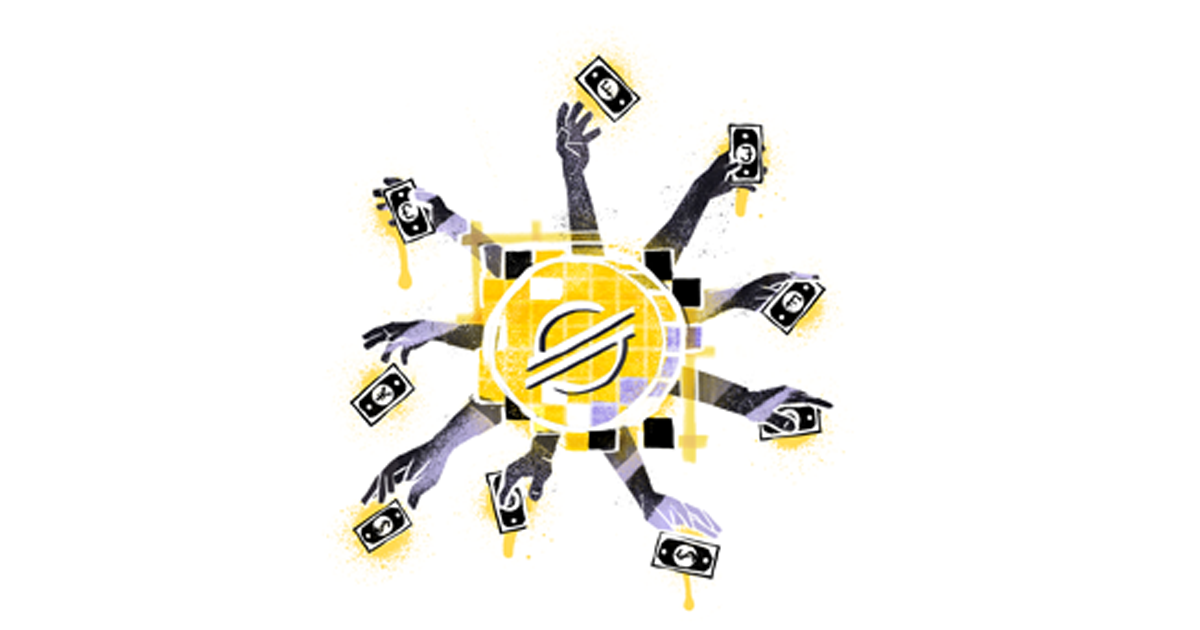
CYBER-COMMUNISM by Richard Barbrook | Imaginary Futures
‘…is the impact of the …information revolution on capitalism not the ultimate exemplification of… Marx’s thesis that: “at a certain stage of their development, the material productive forces come into conflict with the existing relations of production…”? …does the prospect of the… “global village” not signal the end of market relations… at least in the sphere of digitalised information?’ (Zizek 1998: 33-4)
I'm very sorry, but you're going to have to learn to love the blockchain | TechCrunch
I apologize. I get it. You hear "blockchain" and you immediately think "shady get-rich-quick schemes" or "bubble of magical fake Internet money" or

Blockchain

Yes, I know. Not a lot of love for what has happened to blockchains, but it's not all bad.
cycles.money