


Research has long shown that layoffs have a detrimental effect on individuals and on corporate performance. The short-term cost savings provided by a layoff are often overshadowed by bad publicity, loss of knowledge, weakened engagement, higher voluntary turnover, and lower innovation — all of which hurt profits in the long run. To make intelligent and humane staffing decisions in the current economic turmoil, leaders must understand what’s different about today’s larger social landscape. The authors also share strategies for a smarter approach to workforce change.
Layoffs That Don’t Break Your Company
Today layoffs have become companies’ default response to the challenges created by advances in technology and global competition. Yet research shows that job cuts rarely help senior leaders achieve their goals. Too often, they’re done for short-term gain, but the cost savings are overshadowed by bad publicity, loss of knowledge, weakened engagement, higher voluntary turnover, and lower innovation, which hurt profits in the long run. This article looks at better ways to handle changing workforce needs that make sparing use of staff reductions and ensure that if they do happen, the process feels fair and the affected parties have a soft landing. Most successful approaches begin with a philosophy that spells out a firm’s commitments and priorities, establish methods for exploring layoff alternatives (such as furloughs, retraining, and reassignments), and determine options for three scenarios: a healthy present, short-term volatility, and an uncertain future. As firms like AT&T, Michelin, Honeywell, and Nokia have learned, thoughtful planning helps organizations address workforce transitions and cope with a shifting economic landscape far better than layoffs do.

AI layoffs are looking more and more like corporate fiction that's masking a darker reality, Oxford Economics suggests | Fortune
"Firms don't appear to be replacing workers with AI on a significant scale," the firm said. It suspects some are trying to "dress up layoffs" as good news.

Companies Are Blaming AI for Layoffs. The Real Reason Will Piss You Off.
180,000 tech workers lost their jobs in 2025. Companies say it’s because of AI. Oxford researchers call BS.
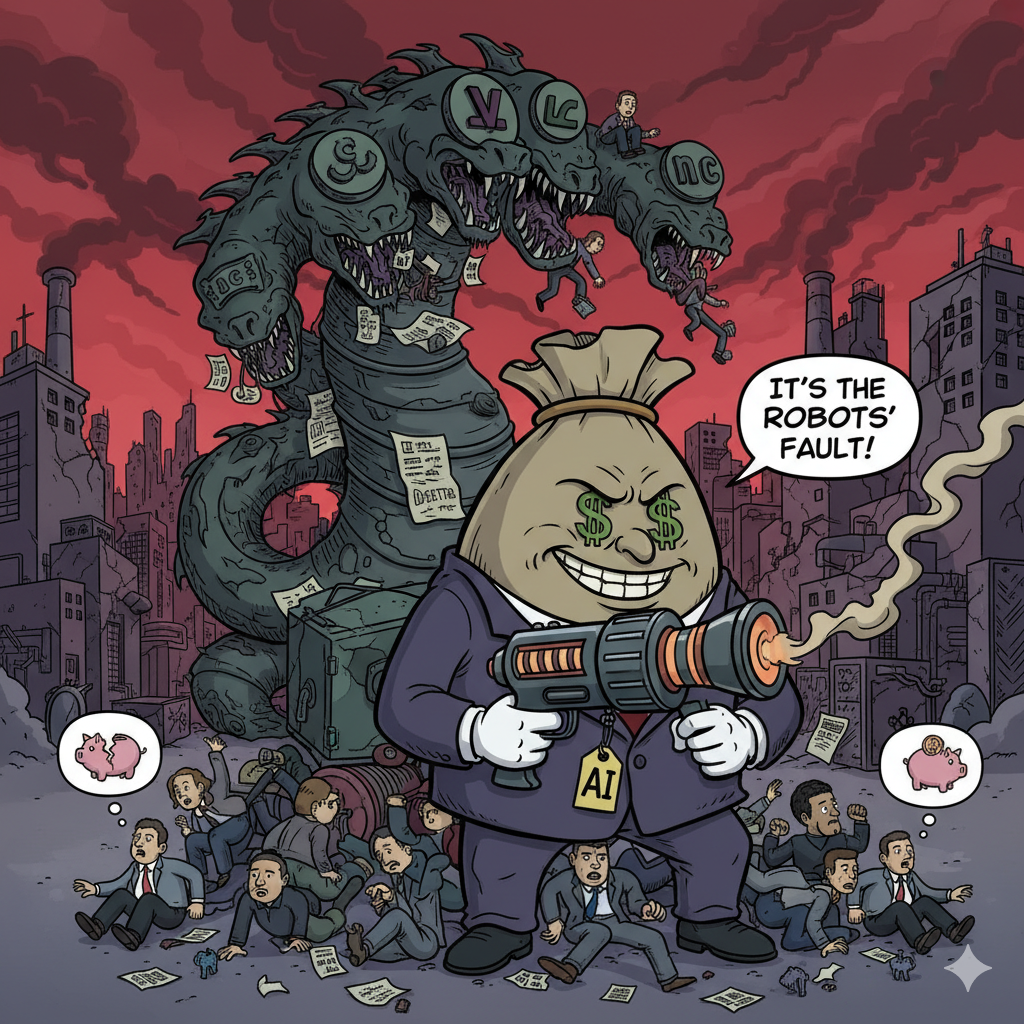
The AI Layoff Trap
If AI displaces human workers faster than the economy can reabsorb them, it risks eroding the very consumer demand firms depend on. We show that knowing this is not enough for firms to stop it. In...

Why the Google layoffs are about personal ambition and poor leadership
How did the company that aspired to be so much more come to this?

What the Challenger Layoff Tracker Really Measures
Why announced layoffs often diverge from the government’s layoff data.
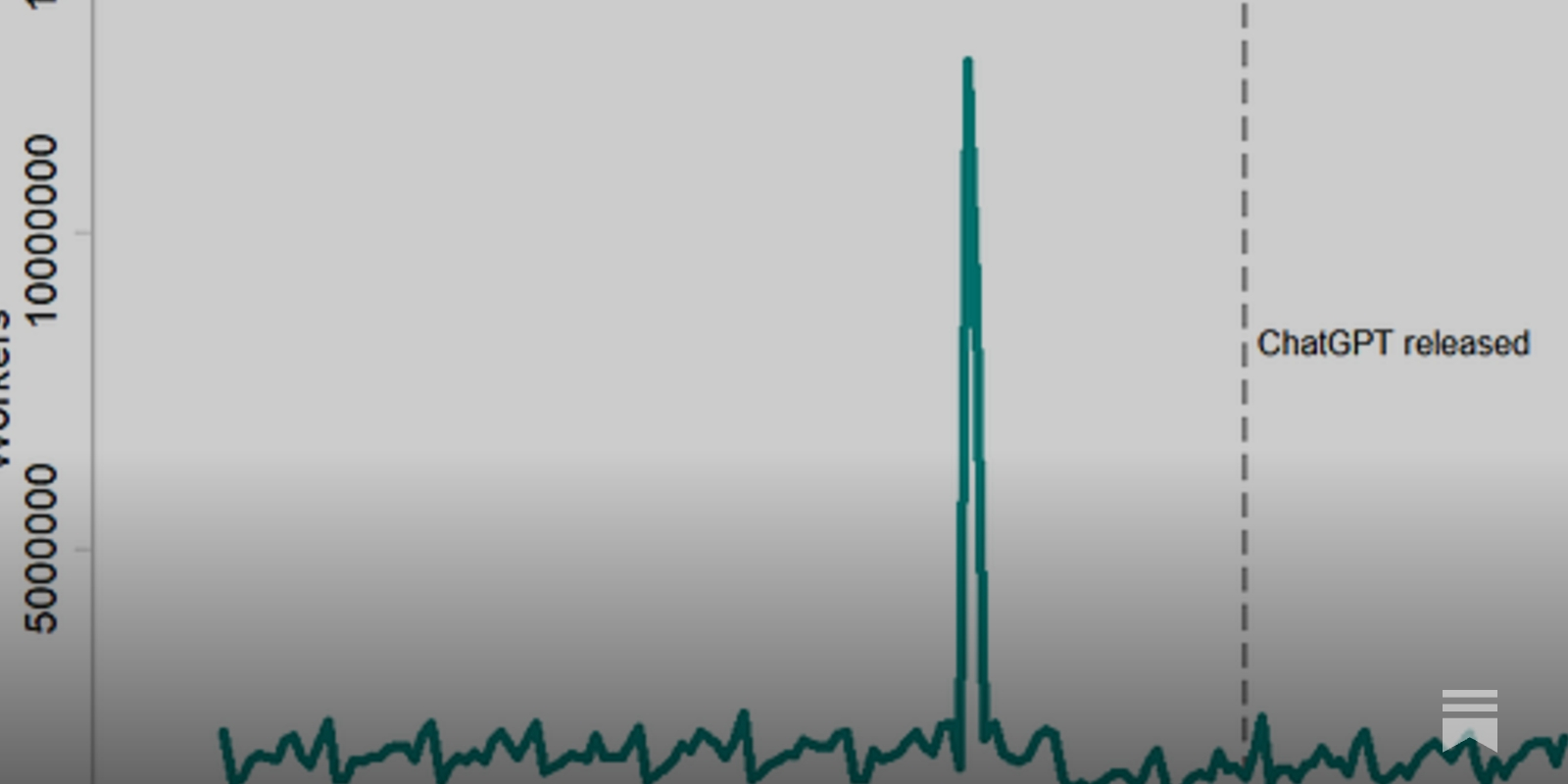
Layoffs.fyi - Tech and Startup Layoff Tracker
[LIVE] Tracking all tech startup layoffs — and lists of employees laid off — since COVID-19 was declared a pandemic. This page is constantly being updated.
Tough News: We’ve Made 10 Layoffs. How We Got Here, the Financial Details and How We’re Moving Forward
Some tough news: Buffer has made 10 layoffs, 11% of the team. We want to share openly how we got here, the financial details and how we’re moving forward.
The hidden cost of employee turnover in the age of AI - Fast Company
These 3 strategies can help.
Inside the latest round of mass layoffs at Xbox
Multiple workers impacted by the latest job cuts at Xbox believe the decision will hamstring some studios.

The productivity pit: how Slack is ruining work
Job software like Teams, Slack, and Workplace were supposed to make us more productive. They haven’t.

The 'Great Resignation' Is Really the 'Great Discontent'
Employees are quitting in droves. Learn what's fueling the mass job change.


Companies Are Being Torn Apart by AI "Workslop," Stanford Research Finds
Not only is AI hampering productivity, but it's also blowing up collaboration and souring employee dynamics.

Layoff University, Vol. 2: Progress Made, Lessons Learned - excellent notes
Reflections from my first month of unemployment
In a survey of 1,000 hiring managers, 59% say they emphasize AI’s role in layoffs because it “is viewed more favorably by stakeholders than saying layoffs or hiring freezes are driven by financial constraints.” Only 9% said AI had fully replaced any roles.

The ‘AI-Washing’ of Job Cuts Is Corrosive and Confusing
www.bloomberg.com