

Water pollution in Wyoming has big implications for the future of data center development.
Water Use Isn’t a Data Center Problem, It’s an AI Problem
Critics of the AI build-out are picking the wrong fight when they attack data centers for their water use. But they are right when they say the digital economy is getting thirstier and the tech industry should answer for it.The whole AI supply chain is water intensive, and reducing use in one ...

Data center guzzled 30 million gallons of water and nobody noticed for months
Can AI save us from the AI industry’s endless thirst for water? Outlook not so good.
You’re Thinking About AI and Water All Wrong
Fears about AI data centers’ water use have exploded. Experts say the reality is far more complicated than people think.

When it comes to total water use, AI data centers are a drop in the bucket
Even moderately sized data centers can have an outsized local impact.

The Trump administration is exempting data centers from pollution laws intended to prevent acid rain - Engadget
Don't worry, the Trump administration won't let a little acid rain get in the way of more data centers.
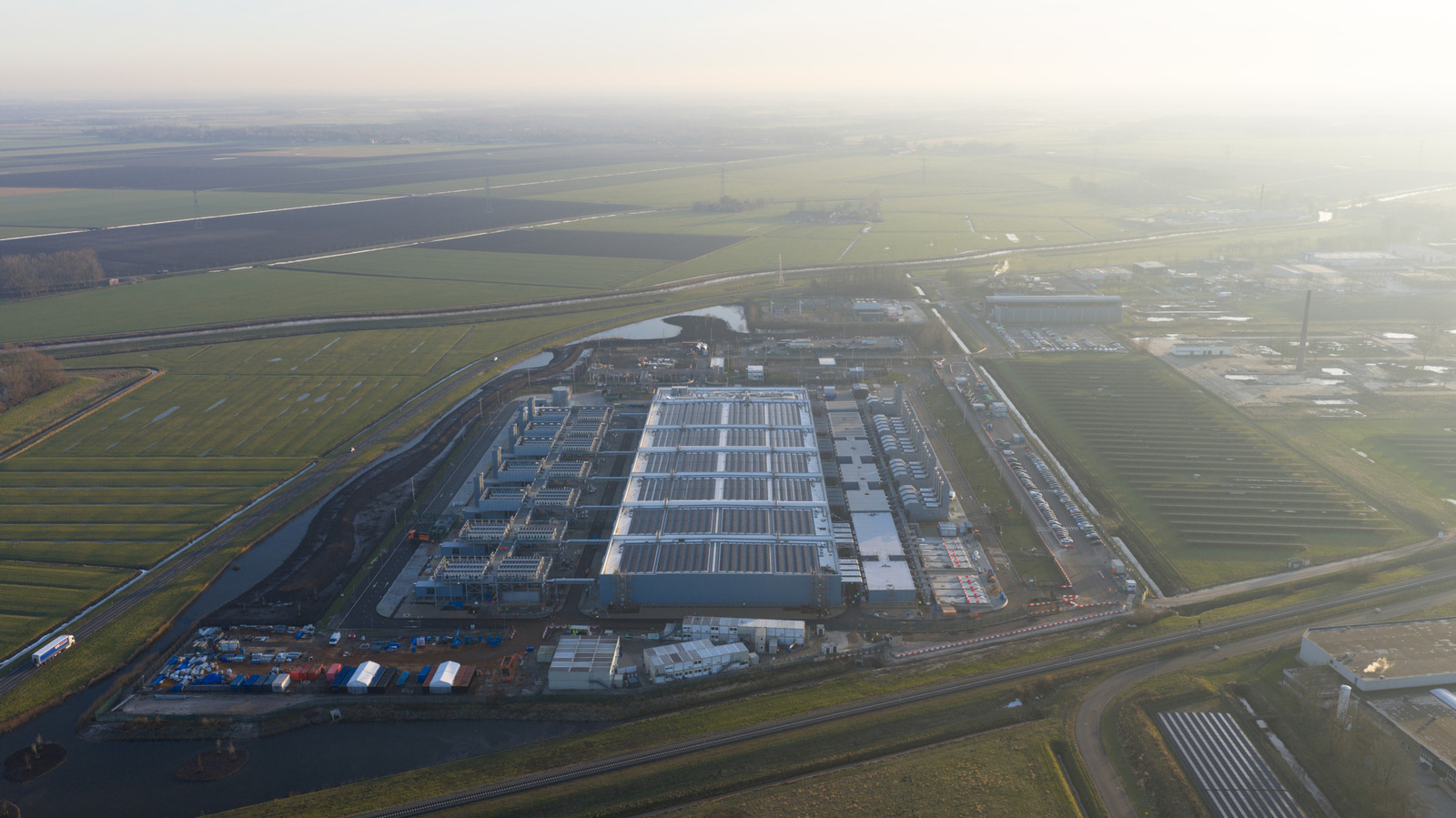
A data center drained 30M gallons of water unnoticed — until residents complained about low water pressure
Residents in Fayetteville, Georgia, noticed low water pressure last year. The utility discovered two unaccounted-for water connections at one of the nation’s largest data center campuses.
A data center drained 30M gallons of water unnoticed — until residents complained about low water pressure
Residents in Fayetteville, Georgia, noticed low water pressure last year. The utility discovered two unaccounted-for water connections at one of the nation’s largest data center campuses.

US drinking water quality: exposure risk profiles for seven legacy and emerging contaminants
Advances in drinking water infrastructure and treatment throughout the 20th and early 21st century dramatically improved water reliability and quality in the United States (US) and other parts of the world. However, numerous chemical contaminants from a range of anthropogenic and natural sources continue to pose chronic health concerns, even in countries with established drinking water regulations, such as the US.
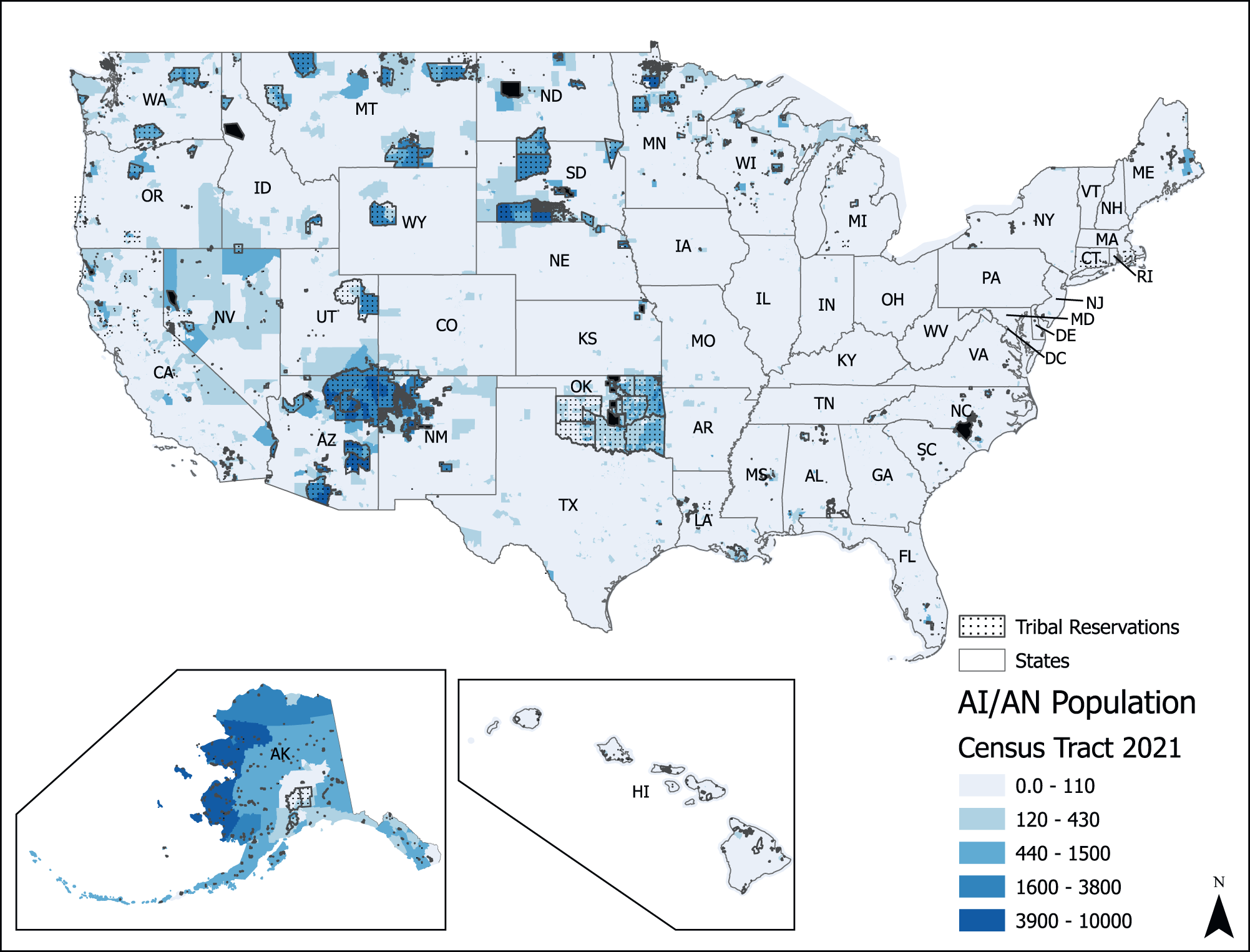
US views of how data centers affect the environment, energy costs, jobs and more
A broad majority of Americans have heard about data centers – the often-sprawling computing facilities that are popping up nationwide. But the public has mixed opinions about data centers’ impact…

A Call for a Unified Database to Address Exposure Disparities in the United States
United States (US) drinking water quality is federally regulated under the Safe Drinking Water Act (SDWA) with the goal of ensuring clean, safe drinking water for the entire population. However, siting of pollution point sources in historically redlined communities with lower socioeconomic status and higher proportions of people of color adversely affects drinking water quality. Prior studies show higher concentrations of a suite of contaminants in small PWS, PWS in rural areas, and PWS serving greater proportions of people of color. Drinking water crises in Flint, Michigan (ca. 2014) and Jackson, Mississippi (ca. 2022) are visible examples of a chronic and widespread pattern of elevated exposures in certain communities. Comprehensive state monitoring data produced as part of compliance with the SDWA are presently not accessible to the public. Further, metadata on water treatment technology and sociodemographic composition of customers served are lacking. Here we argue that improving data transparency is essential for spearheading action to address exposure disparities. We propose the creation of a unified national public database on water quality, treatment technology, and customer metadata with accompanying visualizations for the public that leverage new AI tools. Public action to address exposure disparities gained momentum over the last 30 years but was halted abruptly in 2025. Therefore, new partnerships are urgently needed to continue the pursuit of environmental justice.,

Empire of AI - Water Footprint Changes — Karen Hao
I have issued two changes to my book regarding the water footprint of data centers:
Microsoft reveals findings from Project Natick, its experimental undersea datacenter
AI Data Centers Use Far More Water Than Most Tech Giants Report
Water used at the power plants that supply electricity to data centers can be much greater than the water used in the data centers themselves.

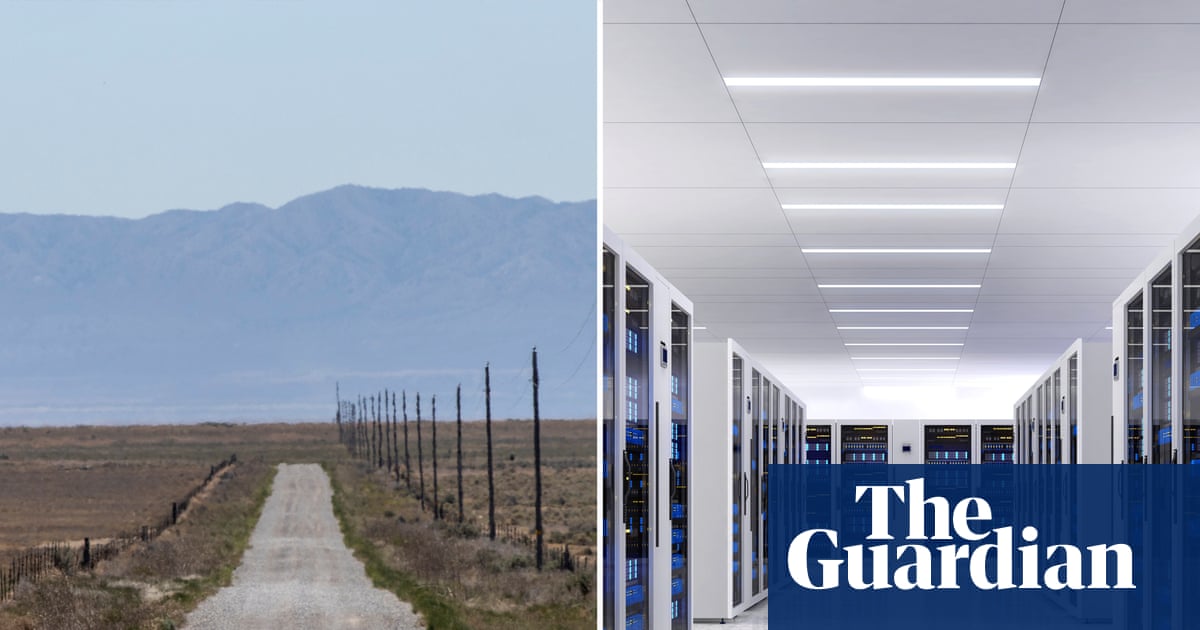
Majority of US’s new AI datacenters to be built on drought-hit land
Guardian analysis finds facilities to be built in some of the driest areas as outcry grows over water needed to power AI
How Meta Uses A.I. Data Centers to Avoid Billions in Federal Taxes
Meta is exploiting a lucrative tax break intended to support research and experimentation. Its own accountants say the gambit is risky.

