

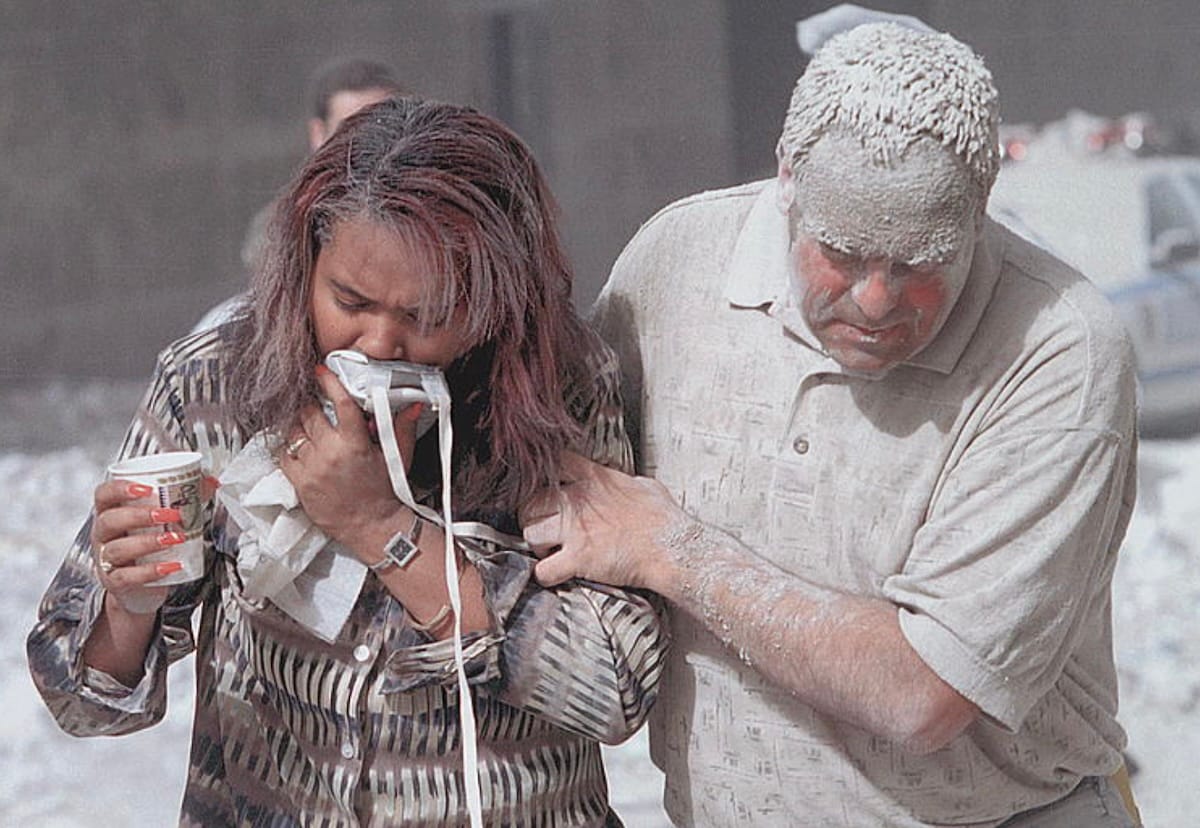
Plus, a selection of some of the best writing on 9/11, and more news to take you into the weekend.
The New York City Council - File #: Res 0560-2024
Title: Resolution directing the Department of Investigation to conduct an investigation to ascertain the knowledge possessed by mayoral administrations on environmental toxins produced by the September 11, 2001 terrorist attacks on the World Trade Center and to submit a report to the Council thereon.
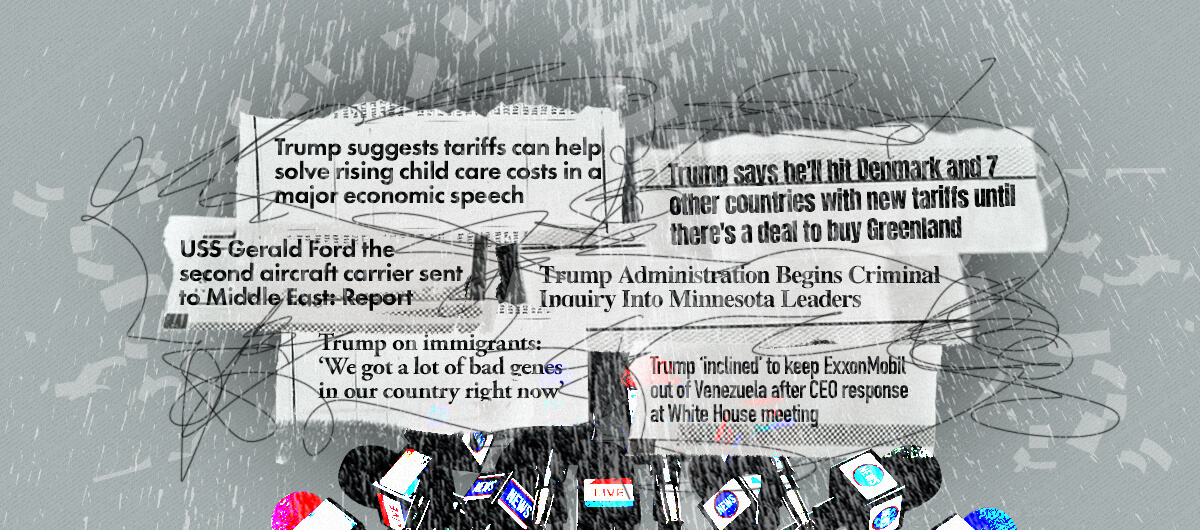
Why ‘Flooding the Zone’ Works for Trump - Dame Magazine
Trump’s allies openly described a strategy to overwhelm the press with simultaneous crises. The structure of modern journalism makes it work
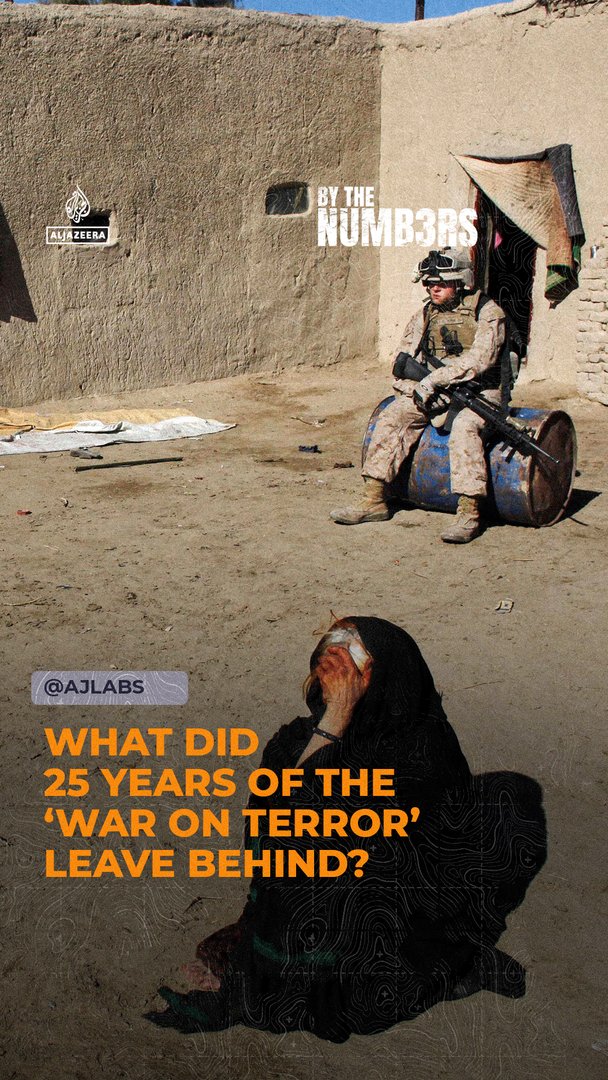
‘War on terror’: How 9/11 changed the language of conflict
The events of September 11, 2001 spawned a new lexicon which effectively sanitised the erosion of human rights.
Toxins and Health Impacts: Health Effects of 9/11 - WTC Health Program
This online exhibition, developed by the World Trade Center (WTC) Health Program in partnership with the David J. Sencer CDC Museum, examines the ongoing health effects linked to 9/11 exposures and the emergence of WTC-related health conditions. It also explores the events and advocacy that established the WTC Health Program and research achievements that have led to improvements in medical treatment and knowledge.
How the NYT Missed the Story of the Holocaust While It Was Happening
What did The New York Times report about the Holocaust and how did its coverage affect America’s response to the Nazi genocide?Throughout World War II, the American media published and broadcast timely, detailed, and accurate accounts of what was happening to the Jews in Europe. The New York Times alone printed nearly 1,200 articles about what we have now come to call the Holocaust, about one every other day. The articles in the Times and elsewh

Six Rules for Effective Forecasting
Reprint: R0707K The primary goal of forecasting is to identify the full range of possibilities facing a company, society, or the world at large. In this article, Saffo demythologizes the forecasting process to help executives become sophisticated and participative consumers of forecasts, rather than passive absorbers. He illustrates how to use forecasts to at once broaden understanding of possibilities and narrow the decision space within which one must exercise intuition. The events of 9/11, for example, were a much bigger surprise than they should have been. After all, airliners flown into monuments were the stuff of Tom Clancy novels in the 1990s, and everyone knew that terrorists had a very personal antipathy toward the World Trade Center. So why was 9/11 such a surprise? What can executives do to avoid being blindsided by other such wild cards, be they radical shifts in markets or the seemingly sudden emergence of disruptive technologies? In describing what forecasters are trying to achieve, Saffo outlines six simple, commonsense rules that smart managers should observe as they embark on a voyage of discovery with professional forecasters. Map a cone of uncertainty, he advises, look for the S curve, embrace the things that don’t fit, hold strong opinions weakly, look back twice as far as you look forward, and know when not to make a forecast.
The Forgotten Hate-Fueled Shootings in the Wake of 9/11
Several shootings driven by Islamophobia were obscured in the aftermath of that day. In a new analysis by The Trace, we revisit what happened.

Mistakes, mistrust and misdirection: 25 years after 9/11, its dark legacy continues to unfold
The world’s most powerful country responded to the worst terrorist attack in its history by inflicting terror of its own – around the world, and at home

Maloney, Nadler ask NYC mayors what they knew about health hazards at Ground Zero
What did then-New York City Mayors Rudy Giuliani and Michael Bloomberg really know about the toxic threats posed by the ruins for the World Trade Center, and when did they know it? More than two decades after the catastrophic attacks, and…

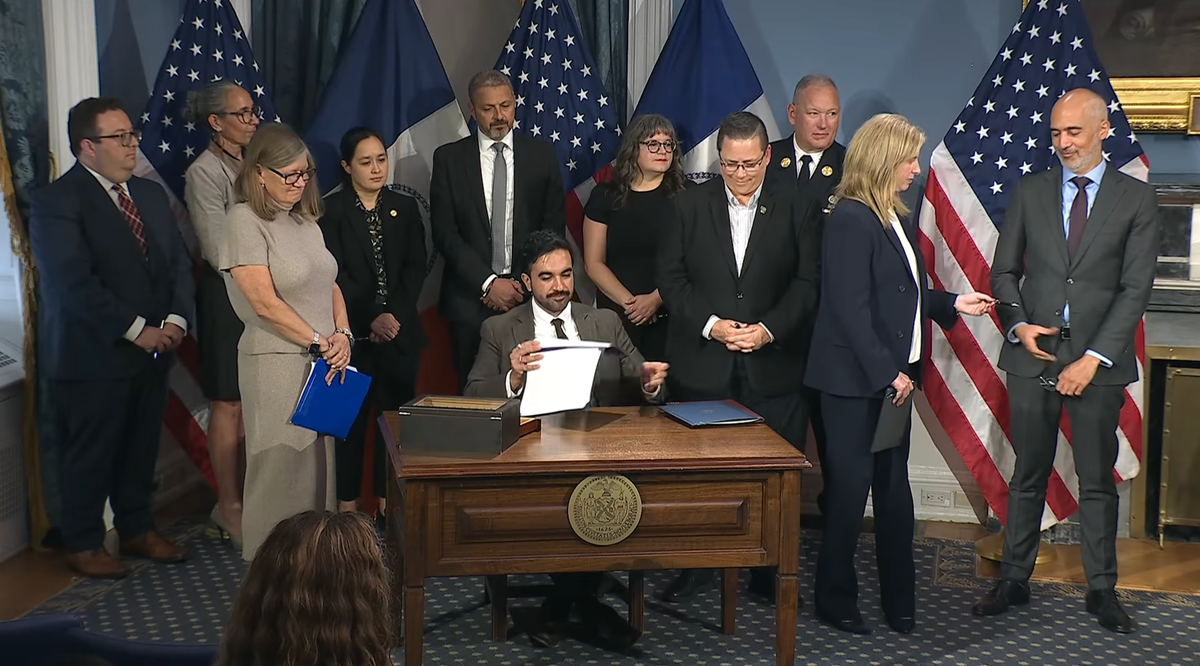
Transcript: 25 Years Later, Mamdani Adminstrtation Opens City's 9/11 Records to the Public and Settles Multi-Year Legal Battle
Mayor Zohran Kwame Mamdani: Good morning, everyone. I want to thank all those who have joined us this morning at City Hall: the survivors of the horrific Sept. 11 terror attack; the first responders who gave so much to so many for so long; the advocates and activists who have fought passionately on their behalf; the elected officials who carried their voices into the halls of power; and the families of those who fell ill from 9/11-related health complications.
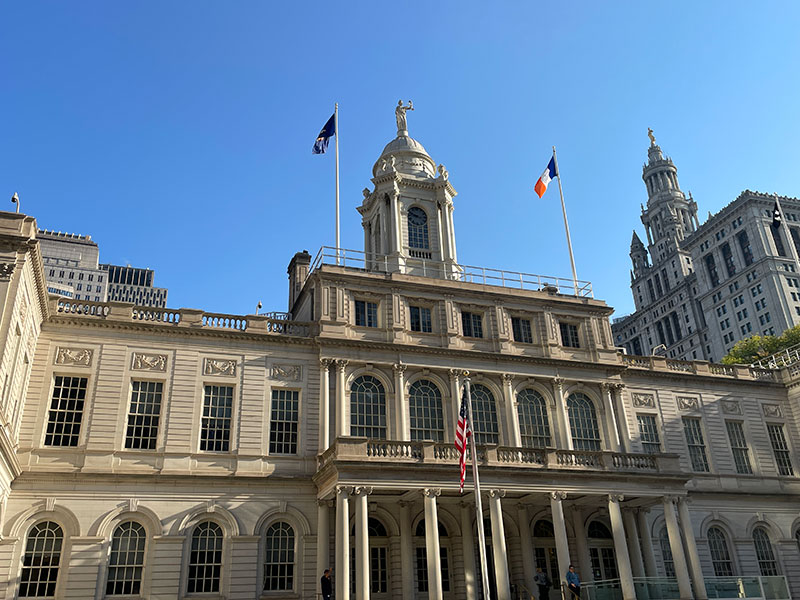
Facing Islamophobia, Mamdani Keeps Focus on 9/11 Victims
In recent weeks, Mayor Zohran Mamdani has visited firehouses around New York City as part of an effort to direct the public’s attention toward the victims, and away from himself.

Facing Islamophobia, Mamdani Keeps Focus on 9/11 Victims
In recent weeks, Mayor Zohran Mamdani has visited firehouses around New York City as part of an effort to direct the public’s attention toward the victims, and away from himself.
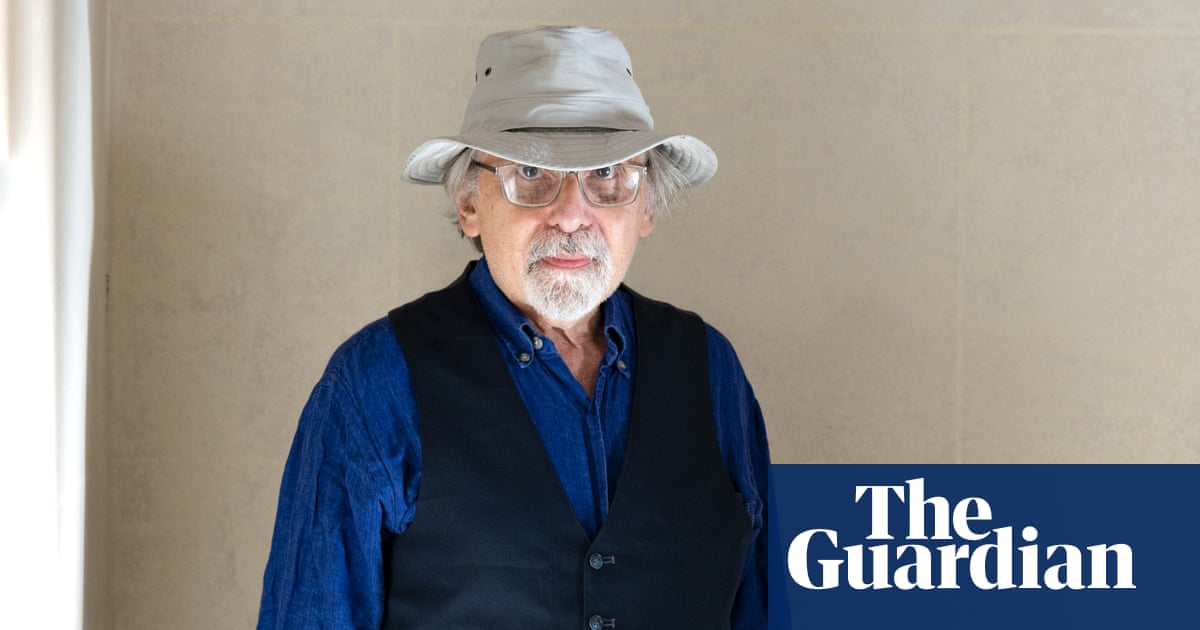
Art Spiegelman: ‘The US needs a counter-revolution’
More than four decades after his Holocaust story Maus transformed the graphic novel genre, Art Spiegelman discusses Trump, the shadow of 9/11 and the rise of fascism in America
The Anti-Mamdani 9/11 Bigotry Has Become the Stupidest News Cycle Yet
Bigoted City councilmembers and pathetic Wall Street Journal blowhards are melting down over the stupidest nonsense.
Lessons From a Heated Media Rivalry
How we learned that the New York Times has a Fansplaining account.
How 9/11 Made Everyone a Conspiracy Theorist
Crackpot theories were once the stuff of shortwave radio, but September 11 unleashed the Age of Alex Jones.
