


How a City Without Advantages Built China’s Most Instructive Tech Experiment.
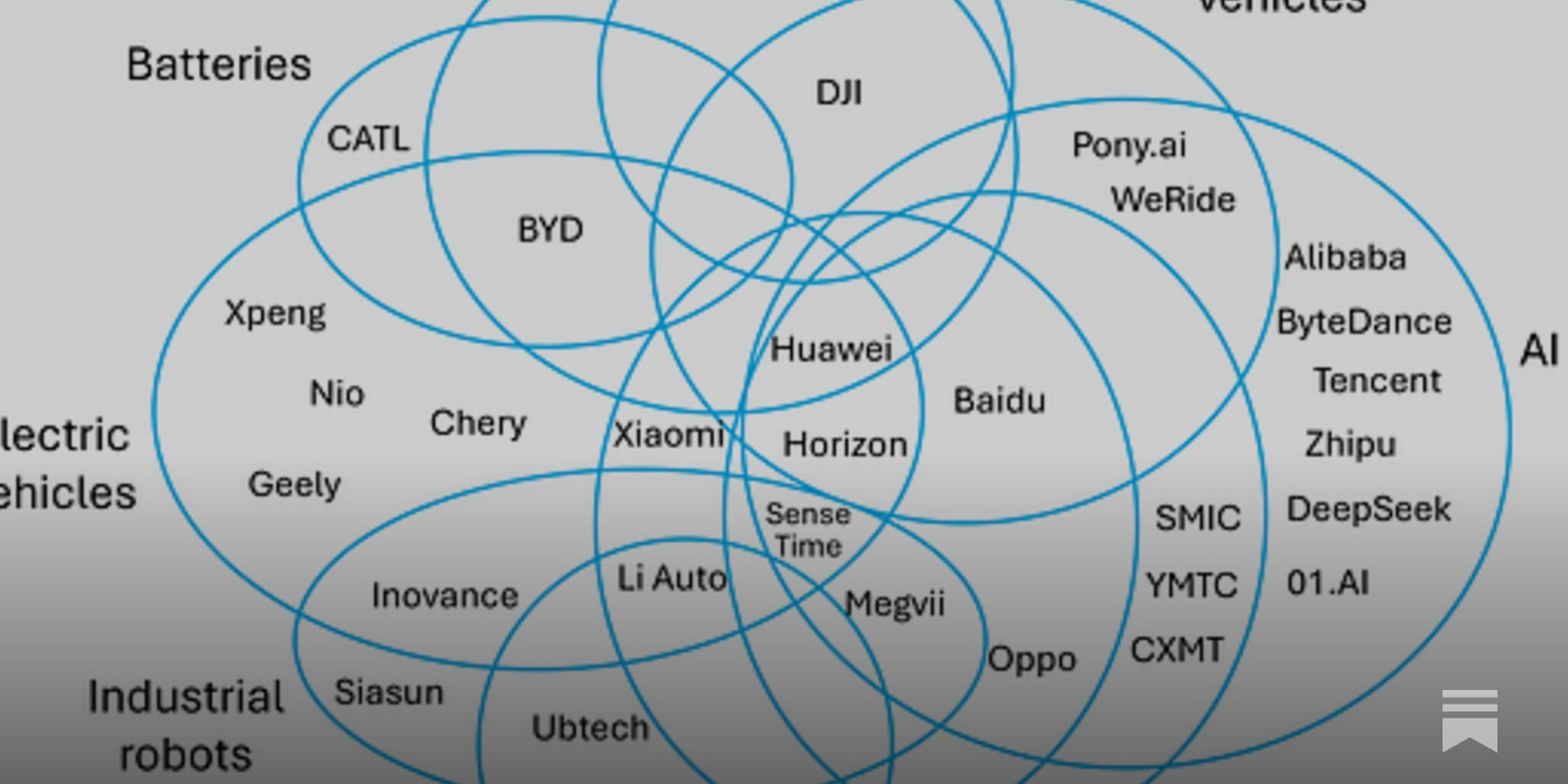
China's overlapping tech-industrial ecosystems
EVs, batteries, lidar, drones, robotics, smartphones, AI. China's progress across a range of overlapping industries creates a mutually reinforcing feedback loop.
Notes from inside China's AI labs
Lessons from my trip to talk to most of the leading AI labs in China.
Weekend Long Read: Two Takes on China’s $14 Billion Micro-Drama Machine
From tourist sites in Xi’an to algorithm-driven studios in Zhengzhou, the boom has turned short-form storytelling into a full-scale industry in both cities

The Future, Made in China
Beijing is competing with the U.S. for tech supremacy. Who wins will have huge political implications.

Infer Vancouver: AI Engineering Meetup
Vancouver's meetup for tactics, techniques, and lessons learned in LLM and AI engineering.
City AI: a strategic framework for urban artificial intelligence application and development
Given the potentially large economic and social impact of AI technological advancement like LLMs, further in-depth thinking is demanded about the ways in which AI exists in cities. In addition to discussions on ethical regulation, there are relatively few cross-cutting studies on how to realize the synergistic development of AI innovation and city, especially taking AI as a complete industry and governance object, under a broader urban and social context. Based on the policy practice of AI development in Shenzhen, this paper proposes a comprehensive framework for the integrated development of AI and the city, which involves the comprehensive consideration of technology systems, application scenarios, educational literacy and governance schemes. Meanwhile, the transformative trend of urban governance triggered by potential general artificial intelligence at a deeper level is further discussed in terms of planning concepts, digital architecture and governance decision-makings. By city AI integration, AI is expected to be better spread into general social activities and, through the driving effect of industrial economy, contribute to the competitiveness and sustainable development of cities.
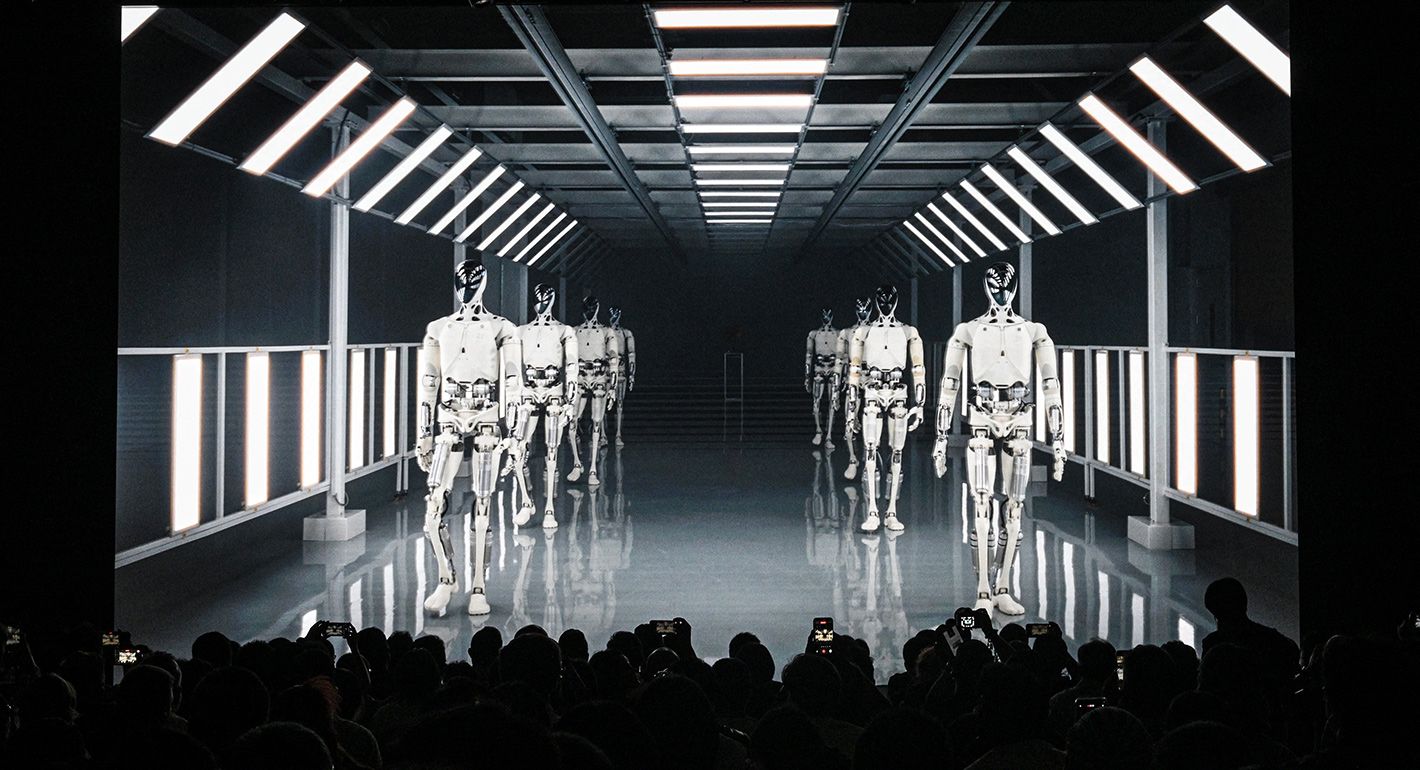
Embodied AI: China’s Big Bet on Smart Robots
Beijing believes that true AI dominance will come from systems capable of autonomous operation in the physical world—AI-powered robotics, or embodied AI.
Embodied AI: China’s Big Bet on Smart Robots
Beijing believes that true AI dominance will come from systems capable of autonomous operation in the physical world—AI-powered robotics, or embodied AI.
The Missing Resistance in China’s AI Debate
As Washington negotiates AI guardrails with Beijing, it must understand why the AI debate in China is so quiet: control, not consent.

How to prioritize your project ideas – The Creative Independent
Game and interaction designer Ryan Mather offers tips on how to get organized and decide what to spend your time on.

On Taste, Effort & Curiosity - again
When AI collapses how long it takes to ship, what’s left is judgment, experimentation, and knowing what not to build.
Inside China’s robotics revolution
The long read: How close are we to the sci-fi vision of autonomous humanoid robots? I visited 11 companies in five Chinese cities to find out
[Keynote 06] Testing LLM Cooperation in Multi Agent Simulation
Jenny Wen: The design process is dead. Why Designers can no longer trust it.
Chinese room
The Chinese room argument holds that a computer executing a program cannot have a mind, understanding, or consciousness, regardless of how intelligently or human-like the program may make the computer behave. The argument was presented in a 1980 paper by the American philosopher John Searle, entitled "Minds, Brains, and Programs" and published in the journal Behavioral and Brain Sciences.[1] Similar arguments had been made previously by others, including Gottfried Wilhelm Leibniz, Peter Winch, and Anatoly Dneprov. Searle's version has been widely discussed in the years since.[2] The centerpiece of Searle's argument is a thought experiment known as the "Chinese room".[3]