

Trashing legacy software is fun. It creates camaraderie.
Marc Andreessen – Why Software Is Eating The World
2011 Big Tunechi op-ed from the WSJ. Horowitz: Thank you for everything you’ve done to make RapGenius happen–I write about why it’s one of the internet’s foundational sources of

It’s time to drain the Programmatic Swamp - New Digital Age
"Large parts of the programmatic ecosystem are a scam, and I don't mean slightly inefficient or in need of a tidy-up," writes Daniel Gilbert for New Digital Age...

AI code and software craft - alex wennerberg
Much has been said about audio, video and text "slop": low-quality, AI-generated content that has proliferated on the internet since the release of publicly-accessible AI models. Garbage content has always existed online, but the novelty of AI is that it has made its generation orders of magnitude less labor-intensive. For anyone who lacks a discerning eye, or is doing some task where discernment simply does not matter, AI has become a sufficient replacement for human hands.
Sung Kim (@sungkim.bsky.social)
I like this quote on code review: "The idea that humans will reliably look through code to find the increasingly rare issues that automated tools miss seems like a fantasy." By Marc Brooker, AWS.

Ten Lines Of Code That Changed My World – Pixelambacht
Front-end antics and typographic mischievousness
Producing Open Source Software
Copyright © 2005-2023 Karl Fogel, under the CreativeCommons Attribution-ShareAlike (4.0) license.
Kyle Booten
Noöhacking1 is the title of my current research program. I use this term for ways that artists and everyday digital media users build and repurpose algorithmic tools in order to take care of their own minds/spirits, an especially challenging and important task amidst a digital milieu that seems designed to make us alienated, unintelligent, and miserable.
The Art of Code - Dylan Beattie
Signals and Threads
Stephen Dolan works on Jane Street’s Tools and Compilers team where he focuses on the OCaml compiler. In this episode, Stephen and Ron take a trip down memory lane, discussing how to manage computer memory efficiently and safely. They consider trade-offs between reference counting and garbage collection, the surprising gains achieved by prefetching, and how new language features like local allocation and unboxed types could give OCaml users more control over their memory.

Hardcore Software by Steven Sinofsky | Substack
Personal stories and lessons from inside the rise and fall of the PC revolution. Click to read Hardcore Software by Steven Sinofsky, a Substack publication with tens of thousands of subscribers.

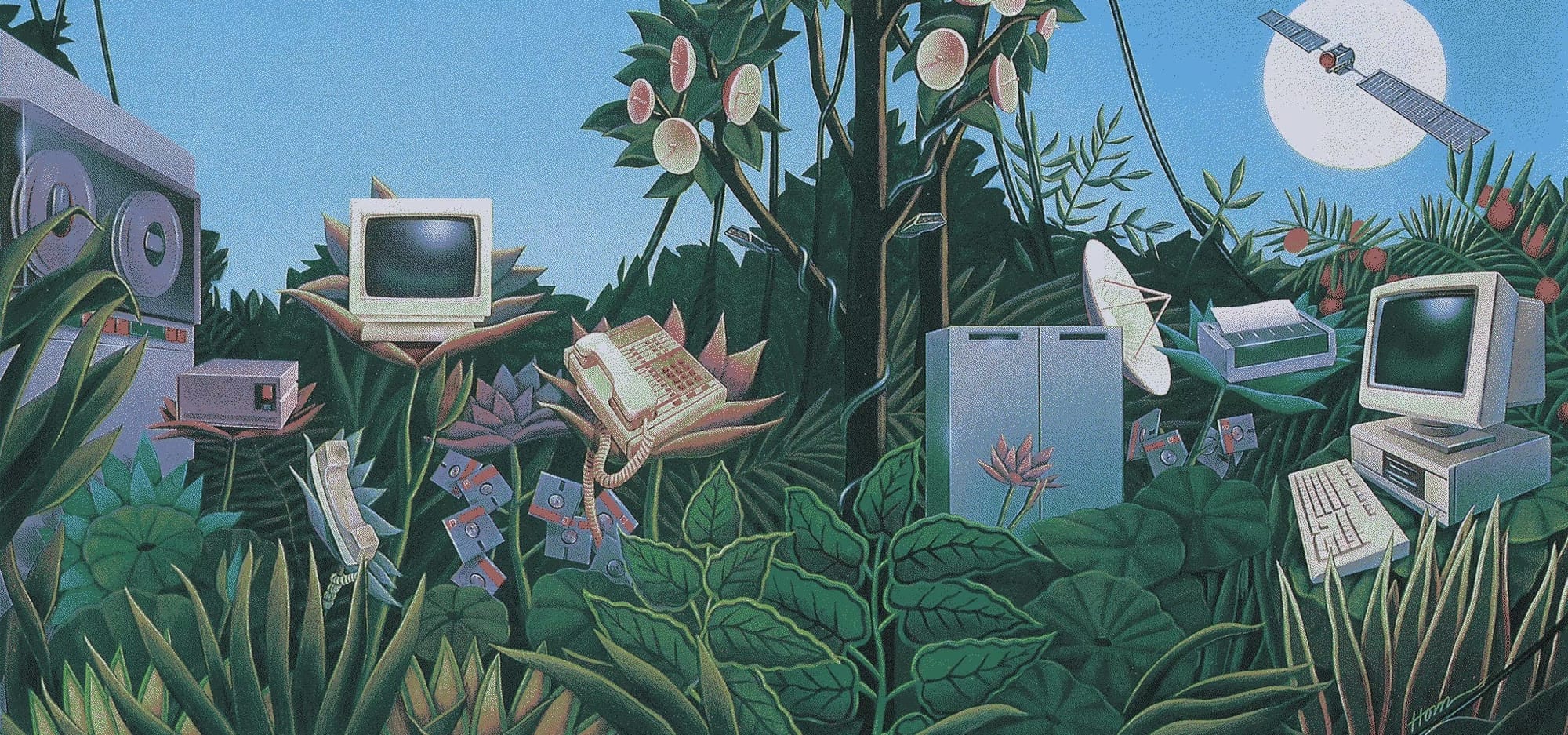
Computer Plant Life
"Thе Commodore РЕТ offers you а safe passage through the primeval swamр of computerization," says the ad copy accompanying this uncredited illustration in a June 1981 issue of Personal Computer World: That image and ad copy offers a perfect example of how most retro tech illustration works: Visualize the hell
Shitty software


Meta’s new commercial terms will allow the scraping of news sites, legal experts say
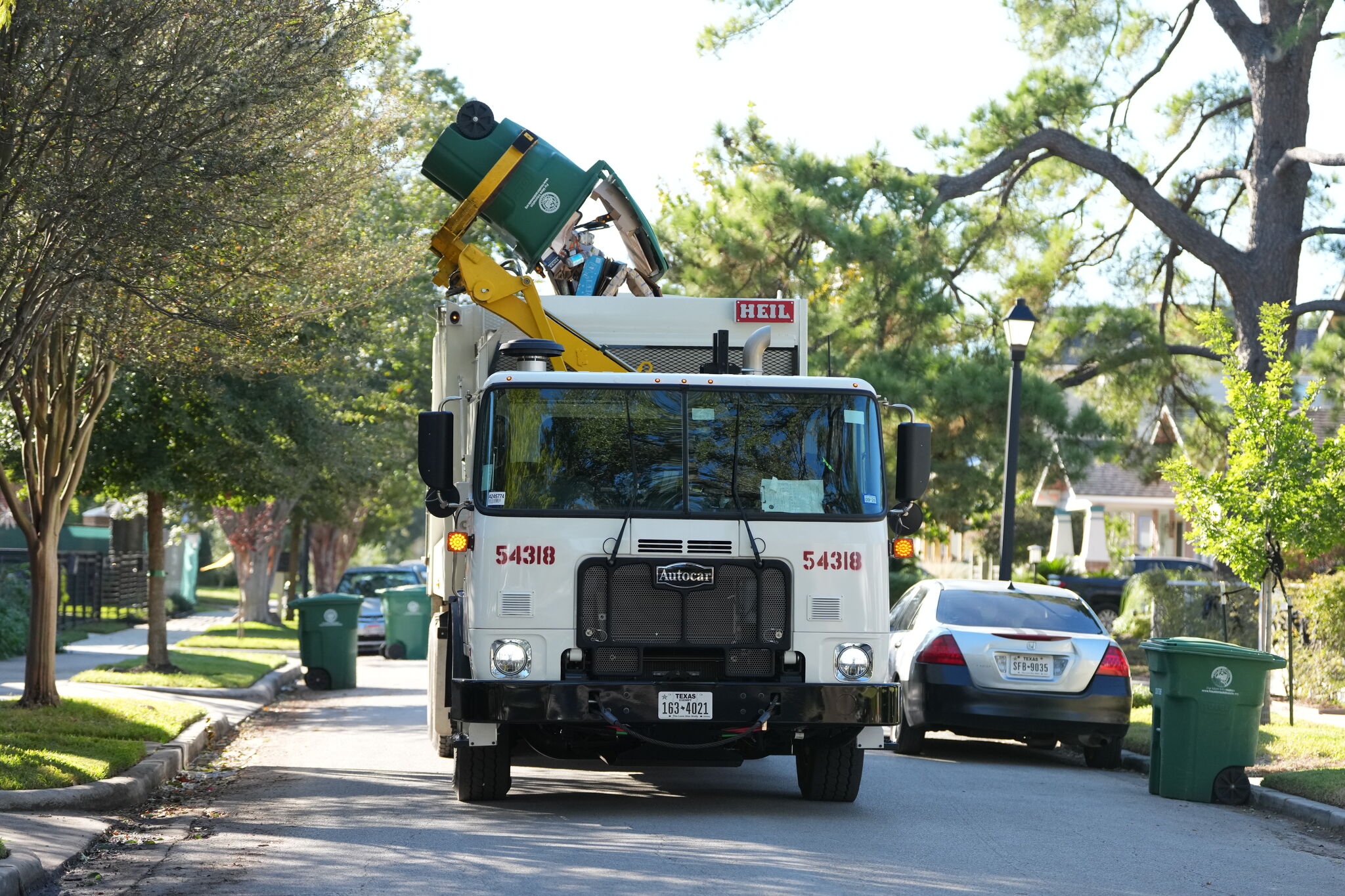
AI-powered garbage trucks have flagged 20,000 homes in one Texas city.
ChatGPT now knows what you do on other websites via ad collector

Facebook tests £9.99 monthly subscription for sharing more than two links

Facebook tests £9.99 monthly subscription for sharing more than two links

What does Jeff Bezos think is going to happen?