Summary: A major brick-and-mortar store sold an Apple Gift Card that Apple seemingly took offence to, and locked out my entire Apple ID, effectively bricking my devices and my iCloud Account, Apple …
Waag | European digital ID wallets are a gift to Google and Apple
European governments are rolling out digital identity wallets, which are to be used by citizens to access services, and to verify their age online. There is a serious problem with this: these wallets rely on safety services of Google and Apple.

Nineteen Eighty-Fortnite - #FreeFortnite
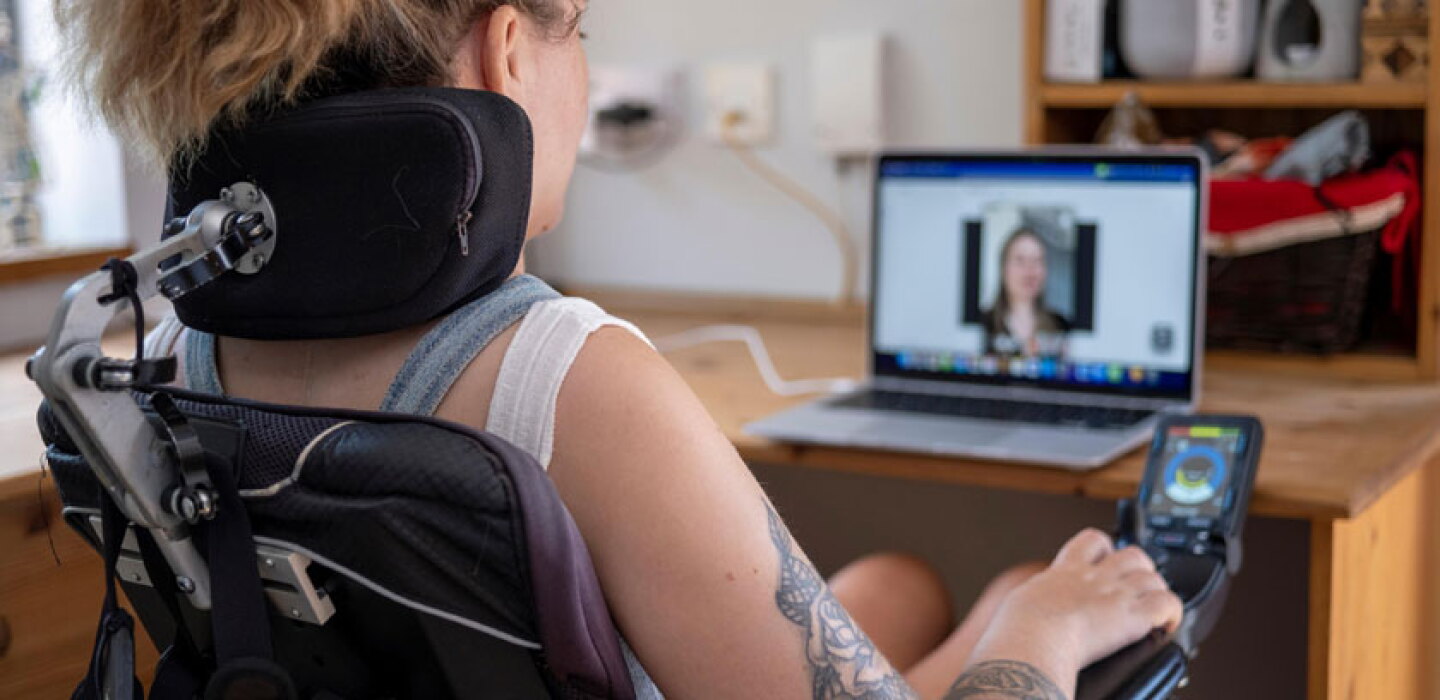
How Digital IDs Could Help and Harm People With Disabilities
While mobile IDs promise new access for people with disabilities, a "one ID, one device" model and accessibility failures threaten to exacerbate the digital divide, according to experts in the field.
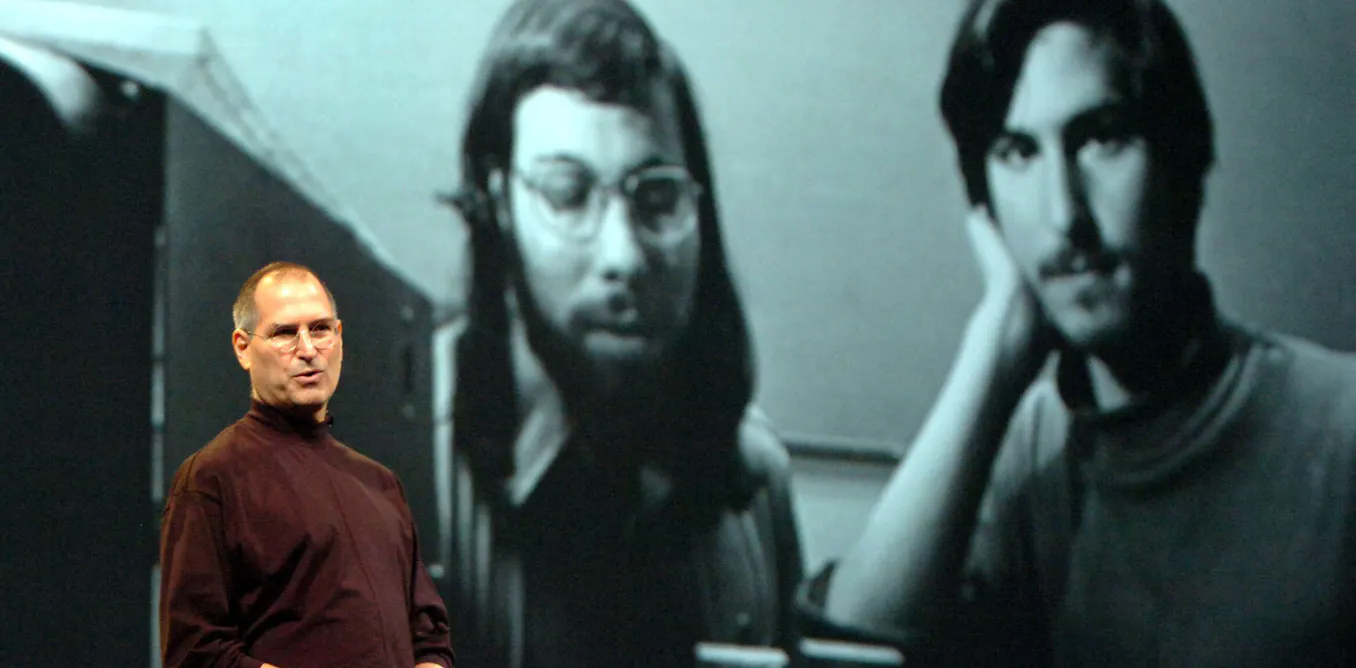
Apple at 50: eight technology leaps that changed our world
From Apple II to the iPhone, time and again this extraordinary company has anticipated the value of opening up computing to everyone.
On the Mental Accounting of Restricted-Use Funds: How Gift Cards Change What People Purchase
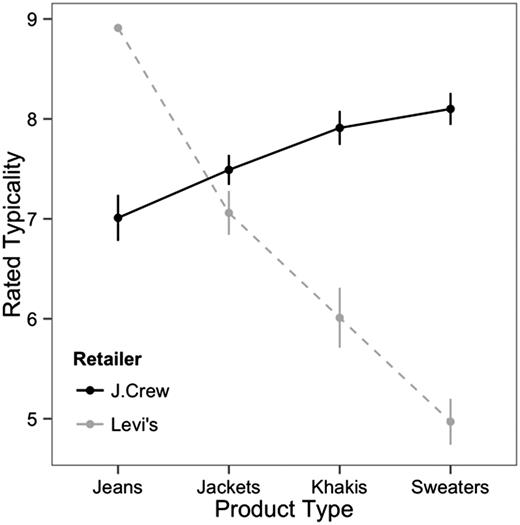
Abstract. This article emphasizes the role of categorization in mental accounting and proposes that once a mental account is established, purchases that ar
Hackers Had A Live Feed Of Every ID This Verification Company Scanned. For Over A Year.
From the very beginning of this recent obsession with identifying everyone online (yes, they like to call it “age” verification, but it always ends up as identity verification), we̵…


The Mask-Off Moment for Digital Identity
Our 18-month investigation reveals how digital identity systems create brittle societies. This foreword traces eight case studies that demonstrate the catastrophic failures of digital identity across Estonia, the US, Israel, Ukraine, and beyond.
Visa Digital Issuer Solutions
Build cardholder primacy with standout digital experiences.

Gift Cards and Mental Accounting: Green‐lighting Hedonic Spending
ABSTRACT In three studies, we examine the mental accounting rules that govern how gift cards are used. We predicted that their identity as gift cards would shift consumption from utilitarian to hedonic goods even in contexts where both types of goods are available and the consumer's needs are unchanged. In Study 1a, participants were asked to imagine that they had both a gift card and a specified amount of cash and needed to purchase both a hedonic item and a utilitarian item. When asked which currency they would use to buy which item, respondents were significantly more likely to say they would use the gift card to buy the hedonic item. Study 1b replicated this result and found that it was tied to participants' beliefs how different types of money should be used. In Study 2, we found that participants who were required to spend a certain amount of their compensation in a laboratory store spent more on hedonic goods if their payment was in the form of a gift card. In Study 3, we analyzed transactions at a campus bookstore and found that shoppers tended to spend disproportionately on hedonic goods when using their gift cards than when making credit card purchases. Taken together, these studies indicate that people tend to assign the monetary value of a gift card to a hedonic mental account and spend it accordingly. Copyright © 2014 John Wiley & Sons, Ltd.

Lessons from National Digital ID Systems for Privacy, Security, and Trust in the AI Age
CJ Larkin and Renée DiResta surface lessons from existing national ID schemes relevant to the evolution of digital identity in the age of AI.

pulling a CRAZY RARE business card
#cybersafety #ageverification #privacy #minors #ai | Parry Aftab
Internet Age-Verification Causing More Risks than It’s Worth This is not a new issue. Regulators and policymakers have raised it for the last 28 years as the way the keep kids safer online. They compare it to having to flash an ID to purchase regulated content or items (porn, cigarettes, alcohol, restricted medications, age-restricted movies, amusement rides, etc.) But verification online is very different and vastly riskier than flashing an ID in real life. For one, it’s collecting personally-identifiable information about our kids. For two, it puts that information in the too-often untrustworthy digital hands of tech companies. For three, while porn, alcohol and regulated drugs may be a clear-cut case for restricting access to adults, access to the Internet is very different. Yet, regulations begun in the UK and adopted globally have begun a weighted cybersafety approach that, in my humble opinion, prefers excluding young people from digital technology over teaching the cybersafety and digital life skills. That, in my 32 years of work in the fields of cybersafety and protection of minors online, was and remains a mistake. One of my best known quotes, repeated in Congressional and state legislative testimony and in the media is: “The greatest single risk our children face online is being denied access. We have solutions for everything else.” (my testimony before the FTC) Some proponents of age-verification have opted to denying them access unless they give up confirmable personally-identifiable info, such as selfies, feeding AI with PII, and govt or school credentials. I argue that this gives social networks, game providers and digital app operators a wealth of PII to be used for profiling, marketing and collecting far too much. With their privacy at stake, too often incompetent, malicious and greedy producers and mega-tech industry players, can’t and shouldn’t be trusted with the personal info of our most vulnerable - our kids. And AI will now be tasked with collecting everything it can find about our kids to be able to “age-verify.” (It’s ability to age-verify is less reliable with youth as their data-sets are more limited.) I served on a task force appointed by 49 state attorneys general, charged to research and weigh-in on this issue. We concluded that age-verification wasn’t feasible. While this task force was formed many years ago, with the exception of a fortified AI, not much as changed. Our children’s privacy remains, or should remain, paramount. We have robust filtering and blocking technologies. The adult industry has adopted an age-gated model. And parents can restrict access using device-specific tools. And, many well-intentioned age-verification laws were adopted too quickly for thoughtful discourse. Or by governments more prone to censorship/content restrictions. I fear in our quest to protect our kids we have thrown our babies out with the bath water. #cybersafety #ageverification #privacy #minors #AI

Apple’s biggest announcement today was Memory Integrity Enforcement · Victor Wynne
Today’s Apple event introduced Memory Integrity Enforcement on iPhone 17, the most significant memory safety upgrade in consumer OS history.