

The Signal Code is the result of a six month study by the Signal Program on Human Security and Technology at the Harvard Humanitarian Initiative (HHI) at the Harvard T.H. Chan School of Public Health to identify what human rights people have to information during disasters. The Signal Code identifies five rights from multiple sources of international human rights and humanitarian law and standards that already exist and apply to humanitarian information activities (HIAs).
AI Wants Your Life: Tech Boss Meredith Whittaker Says No | The Mishal Husain Show
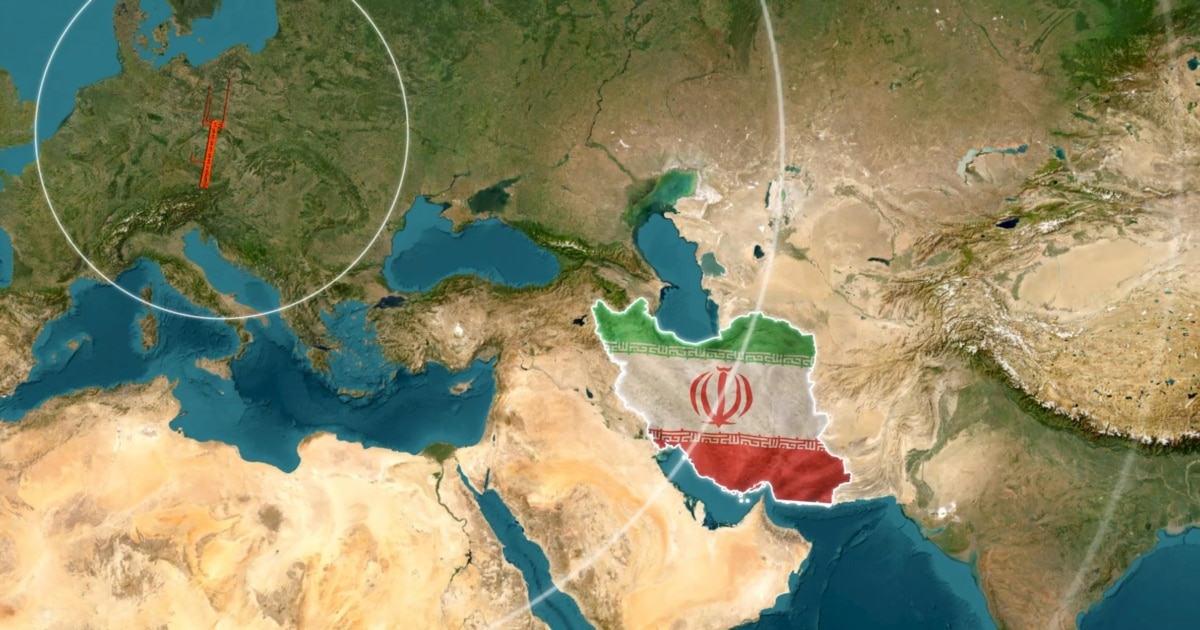
A Mysterious Signal Transfixes Radio Sleuths -- And Intelligence Experts
The mysterious Persian-language transmission began about 12 hours after the start of the US-Israeli bombing campaign against Iran. It was jammed five days later. Is it a coded message for US agents in Iran? Iranian sleeper cells? Israeli operatives? That’s what experts are trying to decipher.
SIGNALIS
A classic survival horror experience set in a dystopian future where humanity has uncovered a dark secret. Unravel a cosmic mystery, escape terrifying creatures, and scavenge an off-world government facility as Elster, a technician Replika searching for her lost dreams.
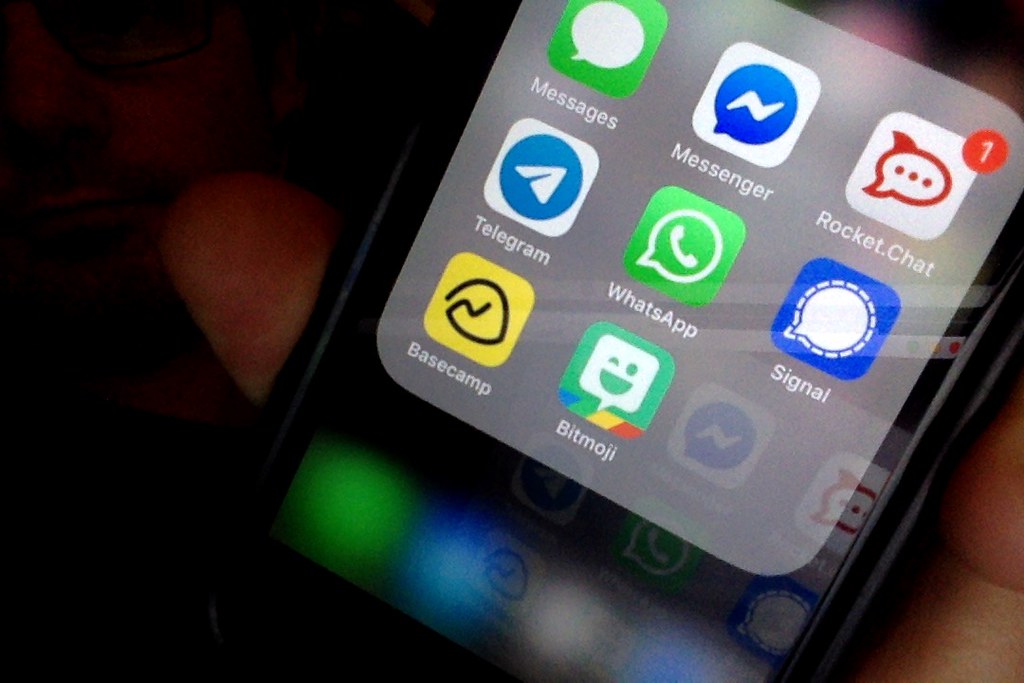
Signal warns it would pull out of Canada if made to comply with lawful access bill
Secure messaging service says it will not weaken its encryption, privacy safeguards for government

What Is Code? If You Don't Know, You Need to Read This
The world belongs to people who code. Those who don’t understand will be left behind.

What Is Code? If You Don't Know, You Need to Read This
The world belongs to people who code. Those who don’t understand will be left behind.
Protecting civilians in a data-driven and digitalized battlespace: toward a baseline humanitarian technology infrastructure
This article examines the realities of modern day warfare, including a rising trend in hybrid threats and irregular warfare which employ emerging technologies supported by digital and data-driven processes. The way in which these technologies become applied generates a widened battlefield and leads to a greater number of civilians being caught up in conflict. Humanitarian groups mandated to protect civilians have adapted their approaches to the use of new emerging technologies. However, the lack of international consensus on the use of data, the public and private nature of the actors involved in conflict, the transnational aspects of the widened battlefield, and the heightened security risks in the conflict space pose enormous challenges for the protection of civilians agenda. Based on the dual-usage aspect of emerging technologies, the challenges associated with regulation and the need for those affected by conflict to demonstrate resilience toward, and knowledge of, digital media literacy, this paper proposes the development of guidance for a "minimum basic technology infrastructure" which is supported by technology, regulation, and public awareness and education

"Pushed into the Shadows": Evidencing Digital Surveillance Chilling Effects and the Erosion of the Rights to Freedom of Assembly and of Association
SummaryThe United Nations Special Rapporteur on the Rights to Freedom of peaceful assembly and of association, Gina Romero, presents "Pushed into the Shadows: Evidencing digital surveillance chilling effects and the erosion of the rights to freedom of assembly and of association". This Global Study documents the profound impact that pervasive digital monitoring exerts on fundamental public freedoms. Moving beyond traditional privacy-centric narratives, the Study details how contemporary surveillance ecosystems induce serious chilling effects.

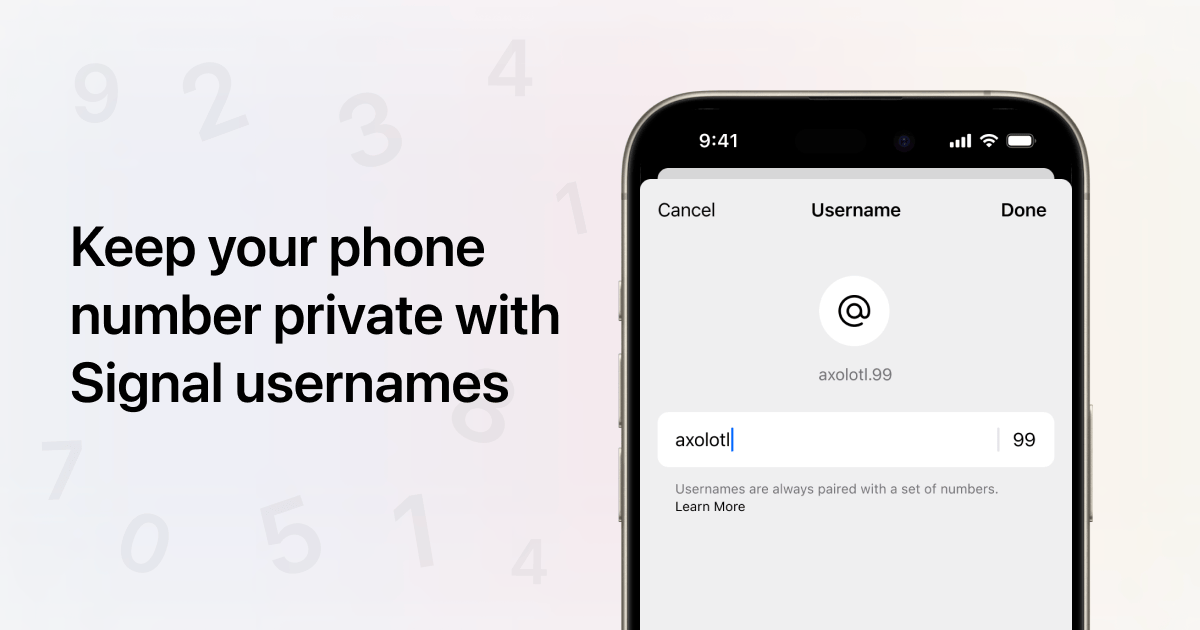
Keep your phone number private with Signal usernames
Signal’s mission and sole focus is private communication. For years, Signal has kept your messages private, your profile information (like your name and profile photo) private, your contacts private, and your groups private – among much else. Now we’re taking that one step further, by making your...
Bill C-22’s Groundhog Day: Why the Government’s Dismissal of Signal, Apple and the U.S. Congress Concerns Runs Back the Disastrous Online News Act Playbook - Michael Geist
Secure messaging service Signal yesterday became the latest company to warn that Bill C-22, the lawful access bill, could force it to leave the Canadian market rather than comply with provisions it says would compromise its end-to-end encryption and create new cybersecurity risks. Signal vice-president Udbhav Tiwari told the Globe and Mail that the company “would rather pull out of the country than be compelled to compromise on the privacy promises we have made to our users.” The comments are part of a steady stream of similar warnings from Apple, Meta, the Canadian Chamber of Commerce, the Cybersecurity Advisors Network, and the chairs of the U.S. House Judiciary and Foreign Affairs Committees. Despite growing concern, the government’s response has been to launch a misleading social media campaign and repeatedly insist that the experts and companies are mistaken.
About Us - 9/11 Health Watch
Why do we need a 911 Health Watch? Even with the passage of the James Zadroga 9/11 Health and Compensation Act in 2010, and the law’s reauthorization in 2015, 2019, and the 2026 full funding of the World Trade Center Health Program, there is still much that needs to be done to ensure the Federal […]

How 9/11 changed the way America surveils its citizens • Stateline
The terrorist attacks of Sept. 11, 2001, transformed how American intelligence and law enforcement agencies collect, share and analyze information. Twenty-five years later, that infrastructure has merged with a digital world capable of generating vast amounts of data about Americans — and artificial intelligence is making it easier to connect and analyze that information. The result is a surveillance system far more powerful than anything imaginable in 2001, raising new questions about privacy, policing and civil liberties.

Humanitarian aid turns to AI as crises outpace capacity
Purpose-designed AI agents with a focus on safety can provide critical assistance to vulnerable populations.

A quote from Daniel Stenberg
The challenge with AI in open source security has transitioned from an AI slop tsunami into more of a ... plain security report tsunami. Less slop but lots of reports. …
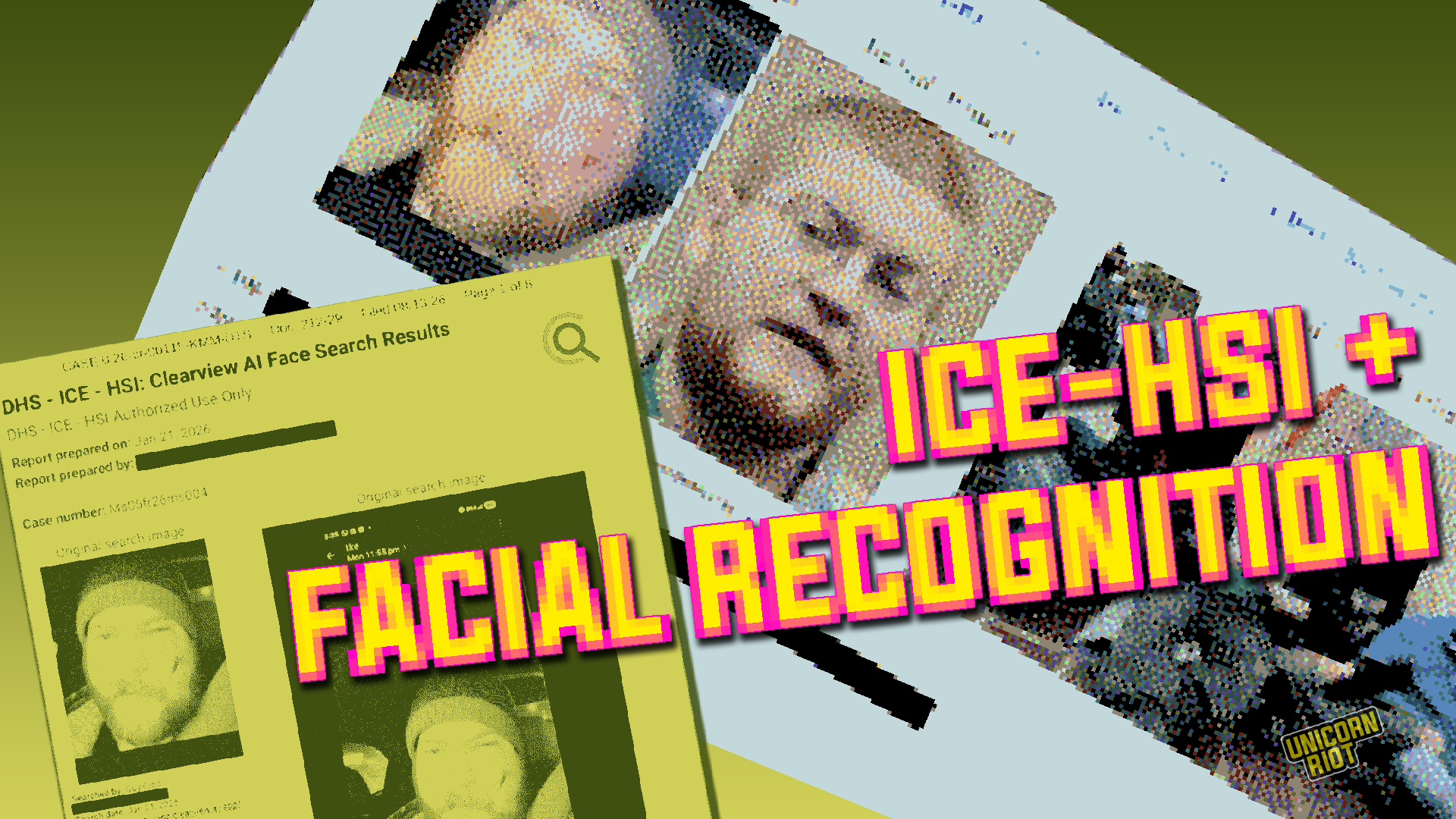
DHS Facial Recognition Software Used Against Minnesota 15 - UNICORN RIOT
Homeland Security Investigations (HSI) has deployed an aggressive facial recognition apparatus for monitoring and tracking domestic political dissidents, raising questions about why an agency created after 9/11 to fight the global war on terrorism is now maintaining centralized dossiers on ordinary American protesters.
Anthropic's safety warnings may have just backfired — the government has pulled the plug on its most powerful AI | TechCrunch
Anthropic isn't hiding its frustration. "We disagree that the finding of a narrow potential jailbreak should be cause for recalling a commercial model deployed to hundreds of millions of people," the company wrote in a blog post.
