

Tangut tones are a more complex issue than what is presented here. However, it is generally accepted that most characterswere categorized by native Tangut phonologists into two tones:
Tangut Explorer - Unicode Character Database
Explore Tangut (Western Xia) characters from the Unicode standard
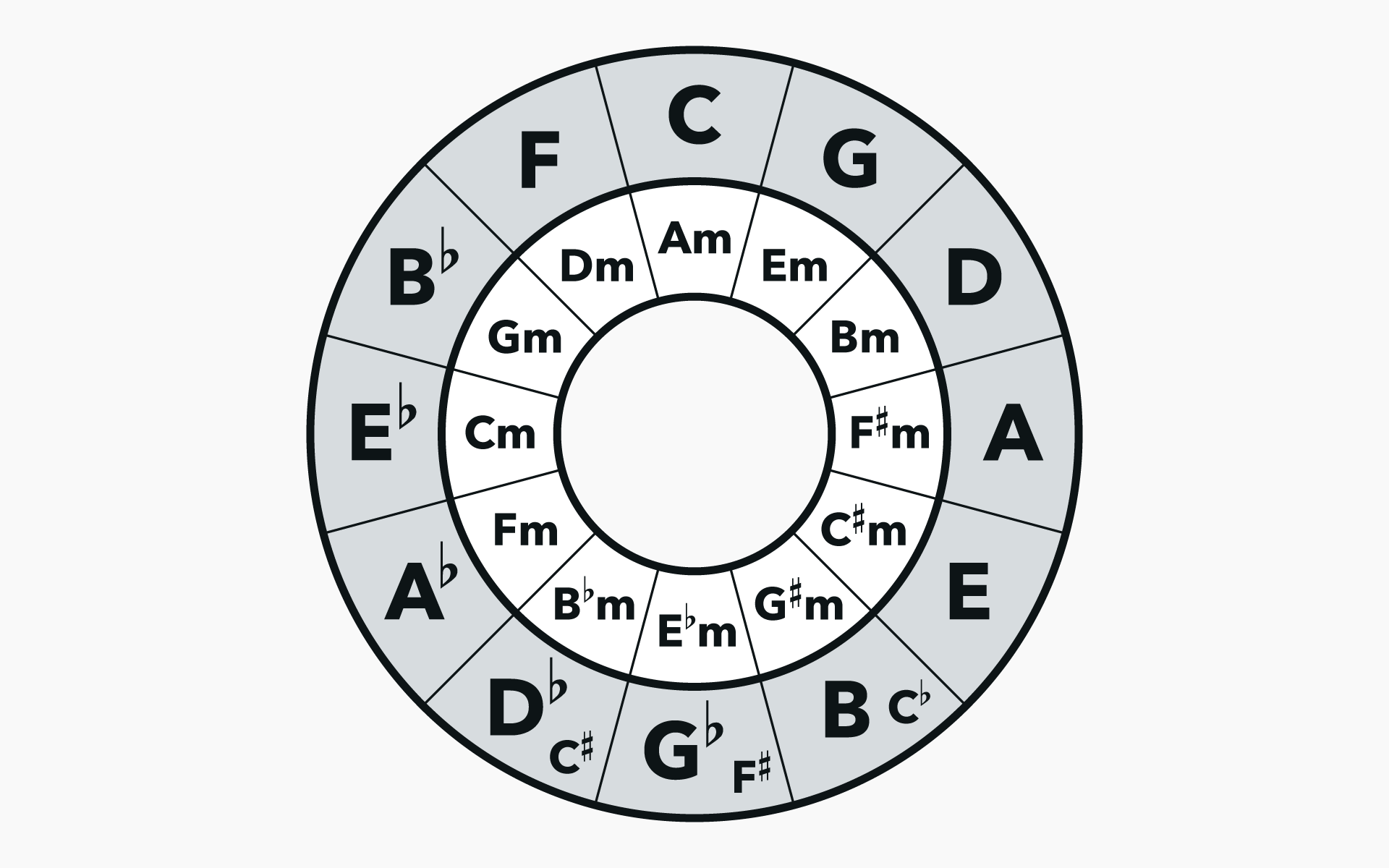
Circle of Fifths: The Key to Unlocking Harmonic Understanding
The circle of fifths is arguably the most helpful way of visually organizing the 12 chromatic pitches for learning music theory. Enjoy this lesson excerpt.
semakosa/tangut-tools
Tools and materials related to the Tangut language, script, and text corpus.
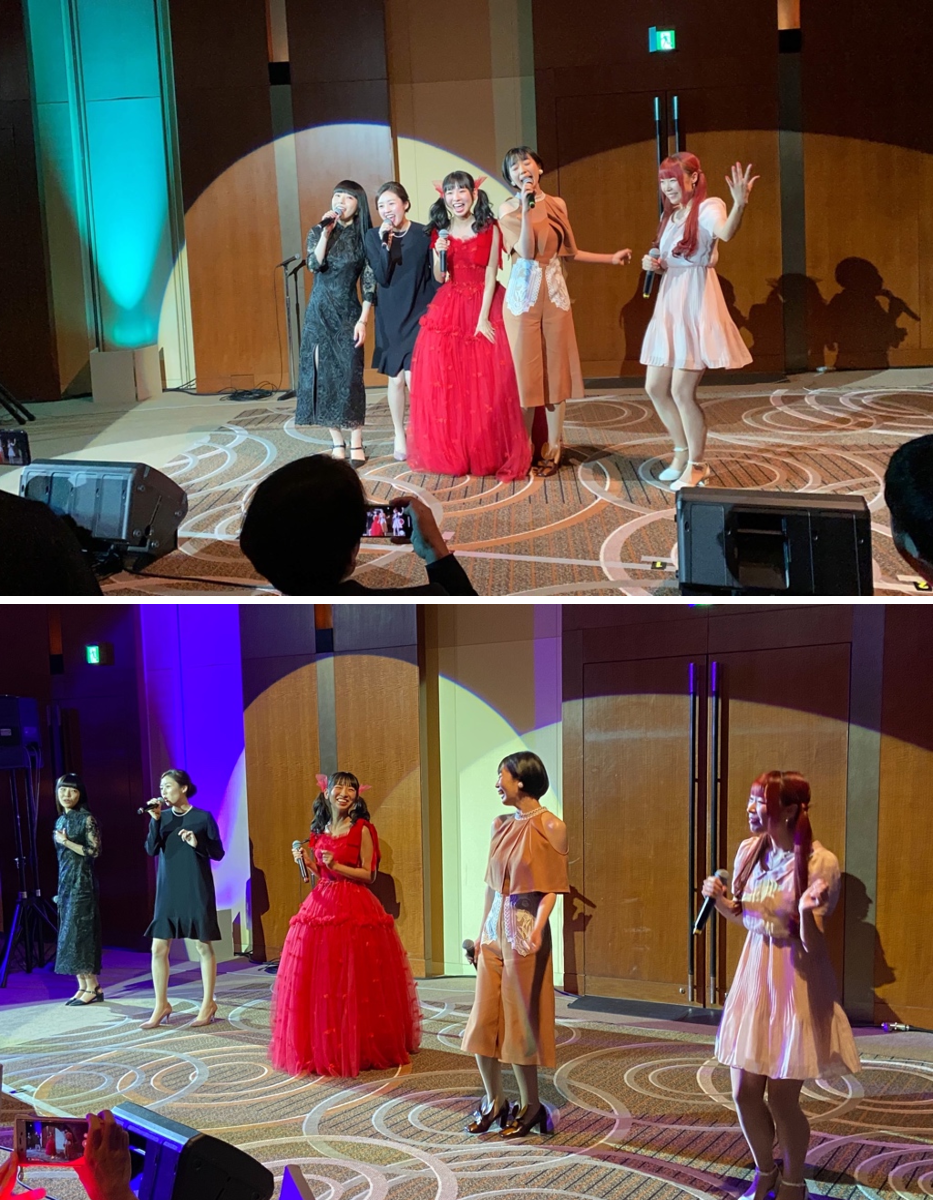
スタッフ様の全面協力により披露宴でねむ、あとべ、りさ、えい、みりんの5人時代メンバーでくちづけキボンヌを歌うことができました。うれしい、皆さん本当にありがとうございます。
スタッフ様の全面協力により披露宴でねむ、あとべ、りさ、えい、みりんの5人時代メンバーでくちづけキボンヌを歌うことができました。うれしい、皆さん本当にありがとうございます。 pic.twitter.com/DqHGj75dLC— 古川未鈴 (@FurukawaMirin) December 10, 2019
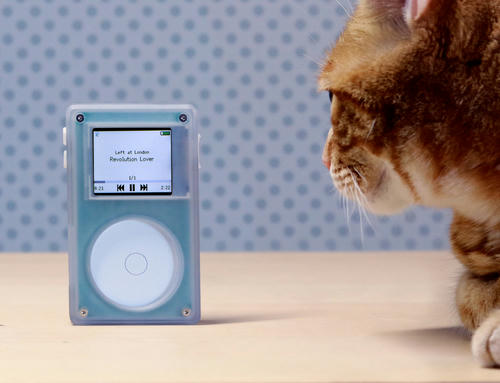
Tangara | cool tech zone
Tangara is a portable music player; open hardware running open-source software. It outputs high-quality sound through a 3.5-mm headphone jack or Bluetooth, has great battery life, and includes a processor that's powerful enough to support any audio format you can throw at it ...
The phonology of sperm whale coda vowels
Abstract. Sperm whales (Physeter macrocephalus) communicate using series of clicks known as codas. In previous research, sperm whale codas have been shown
BabelStone : Tangut Script
These tools allow you to find a particular Tangut character or entry in a photographic image of a page of the text.
The future of language
These charts will help you choose the language you should focus on today.

Conflict between Intrinsic Leaf Asymmetry and Phyllotaxis in the Resupinate Leaves of Alstroemeria psittacina
Spiral phyllotactic patterning is the result of intricate auxin transport relationships in the shoot apical meristem (SAM) that act to place auxin maxima at the future sites of leaf initiation. Inherent to this process is a bias in auxin distribution in leaf primordia, such that increased auxin is found on the descending side of the leaf (towards the older neighbor) compared to the ascending side (towards the younger neighbor), creating phyllotactically-dependent leaf asymmetry. Separate from phyllotactic-dependent asymmetry is handedness in plants—that is, genetically encoded, fixed chirality, such as the twining of certain vines and the torsions induced by microtubule mutations. Here, we perform a morphometric analysis on the resupinate leaves of Alstroemeria psittacina. Interestingly, the twist in leaves always occurs in a single direction, regardless of the phyllotactic direction of the plant. Because of the resupination, leaves in this species possess an inherent handedness. However, this asymmetry is modulated in a phyllotactic-dependent manner, consistent with the known developmental constraints of phyllotaxis upon leaf morphology. This creates the interesting circumstance in A. psittacina that leaves arising from plants with a counter-clockwise phyllotactic direction are 1) more asymmetric, 2) larger, and 3) possess symmetrical shape differences relative to leaves from plants with clockwise phyllotaxis. The mechanism underlying these differences likely involves a developmental delay in clockwise leaves caused by the conflict between the phyllotaxis-dependent asymmetry and asymmetry resulting from resupination. The evolutionary implications of a dimorphic population without a genetic basis for selection to act upon are discussed.

Sine, Saw, Square, Triangle, Pulse: Basic Waveforms in Synthesis and Their Properties
Learn the properties of 5 basic waveforms in sound synthesis to use their full potential in your synthesizer performance or design.
3 Patterns That Unlock 80% of Chinese
關隴集團
關隴集團,又稱關隴世族、關隴門閥、關隴軍事貴族、關隴胡漢集團、武川集團。關隴集團一詞由陳寅恪所創,是指北朝的西魏、北周至隋、唐期間,籍貫為陕西关中和甘肃陇山周围的門閥士族,范围为陕西、甘肃、宁夏、内蒙古阴山周围,漢胡混血、文武合流是其。在鮮卑拓跋部統治下,他們佔據了當時的統治階層。關隴集團不但以武川人為濫觴,數個朝代的肇造者亦出於武川,或武川人後代。清代考據學史家趙翼所著的《廿二史箚記‧卷十五》提到:「北周隋唐皆出自武川。」
From Prompting to Describing: A Cross-Cultural Study of Language for AI-Generated Music
Recent text-to-music (TTM) systems such as Suno [22], Udio [23], and Google’s MusicFX [7] allow users to generate music from a natural language prompt, lowering the barrier to music creation for users without specialized musical knowledge [27]. Understanding how users write these prompts is therefore a fundamental question for music information retrieval and human-AI interaction research. Yet, prompting a generative system is not the same cognitive or linguistic act as describing music one has heard [12]. When a user writes a prompt, they encode anticipatory intent to steer the system toward a desired or imagined output, whereas when a listener describes a piece of music, their language is grounded in a perceptual experience. We argue that these two acts produce systematically different language—a distinction that, despite being intuitive, has not been quantitatively examined. This gap has practical consequences: recent TTM models are trained predominantly on metadata-centric corpora (genre labels, BPM, descriptive tags) [6] rather than on the kind of language users naturally produce when listening, leaving the prompt-description gap unexamined. Moreover, this gap limits our ability to evaluate and improve human–AI interaction in music generation, as current systems are optimized for prompt input but commonly assessed through human perception.