

Internet architecture principles revealed by IETF conversation analysis using vCons
The vCon - Conversation Data Container - Overview
A vCon is the container for data and information relating to a real- time, human conversation. It is analogous to a [vCard] which enables the definition, interchange and storage of an individual's various points of contact. The data contained in a vCon may be derived from any multimedia session, traditional phone call, video conference, SMS or MMS message exchange, webchat or email thread. The data in the container relating to the conversation may include Call Detail Records (CDR), call meta data, participant identity information (e.g. STIR PASSporT), the actual conversational data exchanged (e.g. audio, video, text), realtime or post conversational analysis and attachments of files exchanged during the conversation. A standardized conversation container enables many applications, establishes a common method of storage and interchange, and supports identity, privacy and security efforts (see [vCon-white-paper])
Exploring Conversation Design: Applications and Benefits
Discover the what, why and how of Conversation Design, including its definition, applications, and benefits.
Best practices: conversation design
An introduction to IBM Research’s Natural Conversation Framework

The case against conversational interfaces
Conversational interfaces are a bit of a meme. Every couple of years a shiny new AI development emerges and people in tech go "This is it! The next computing paradigm is here! We'll only use natural language going forward!". But then nothing actually changes and we continue using computers the way w
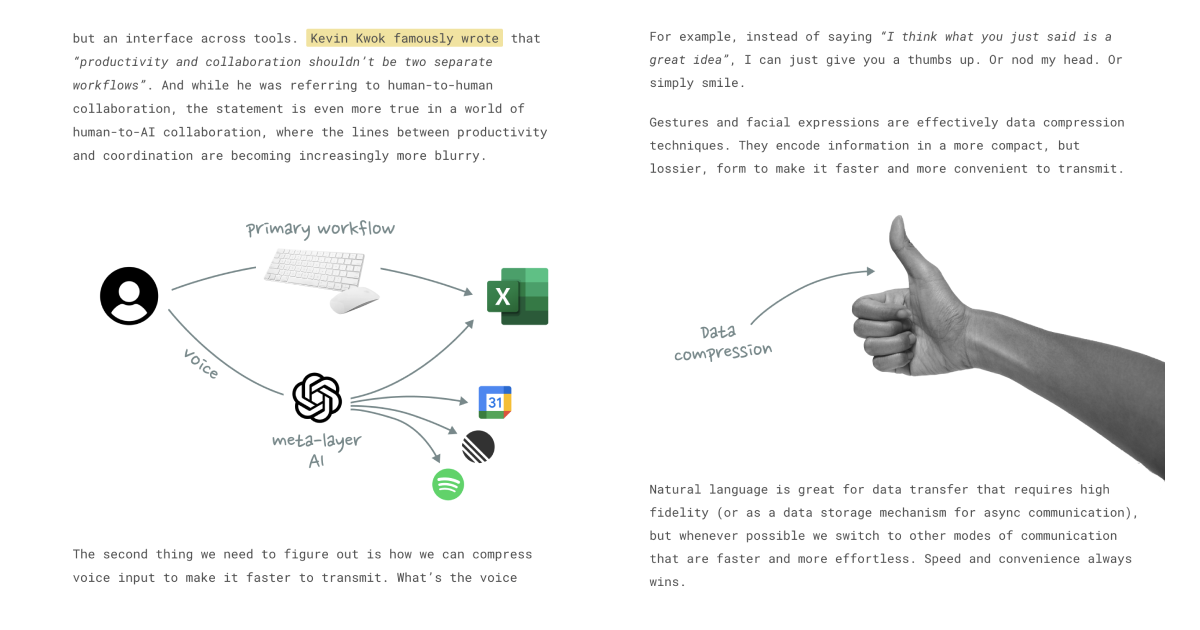
Chat is a bad UI pattern for development tools
You don’t want to have a conversation with your computer, you want to build.
Why the fuss about conversational programming?
First, there isn’t much fuss … yet. But there will be.
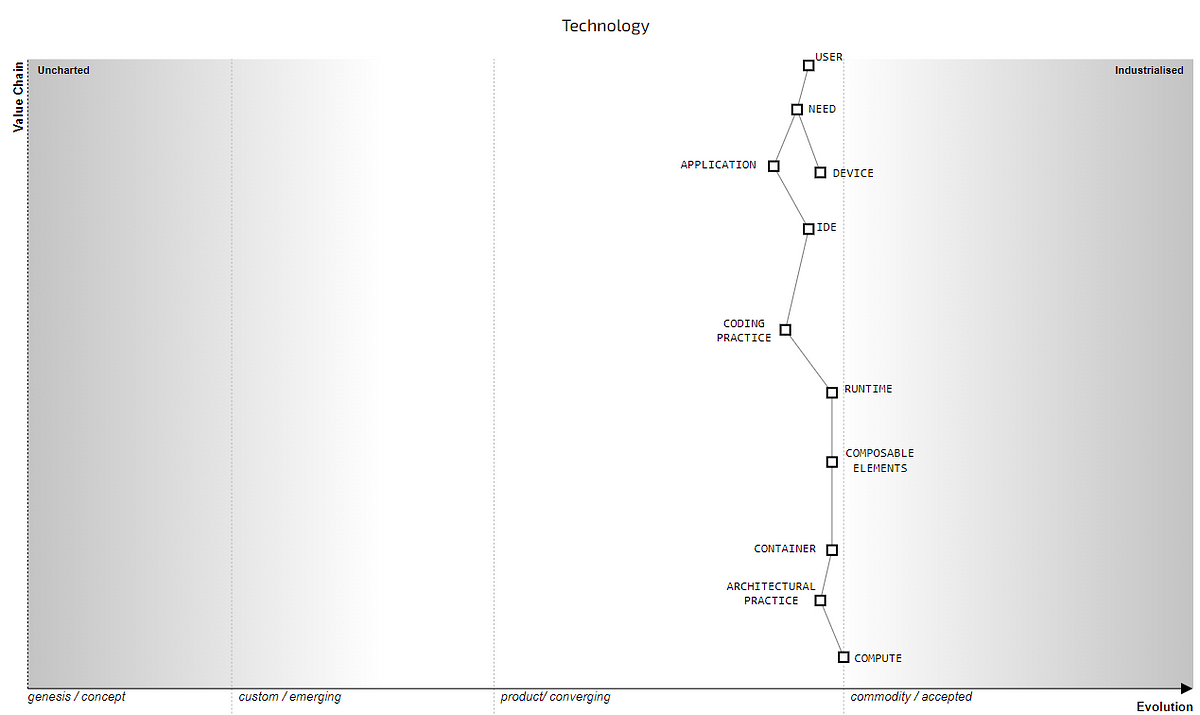
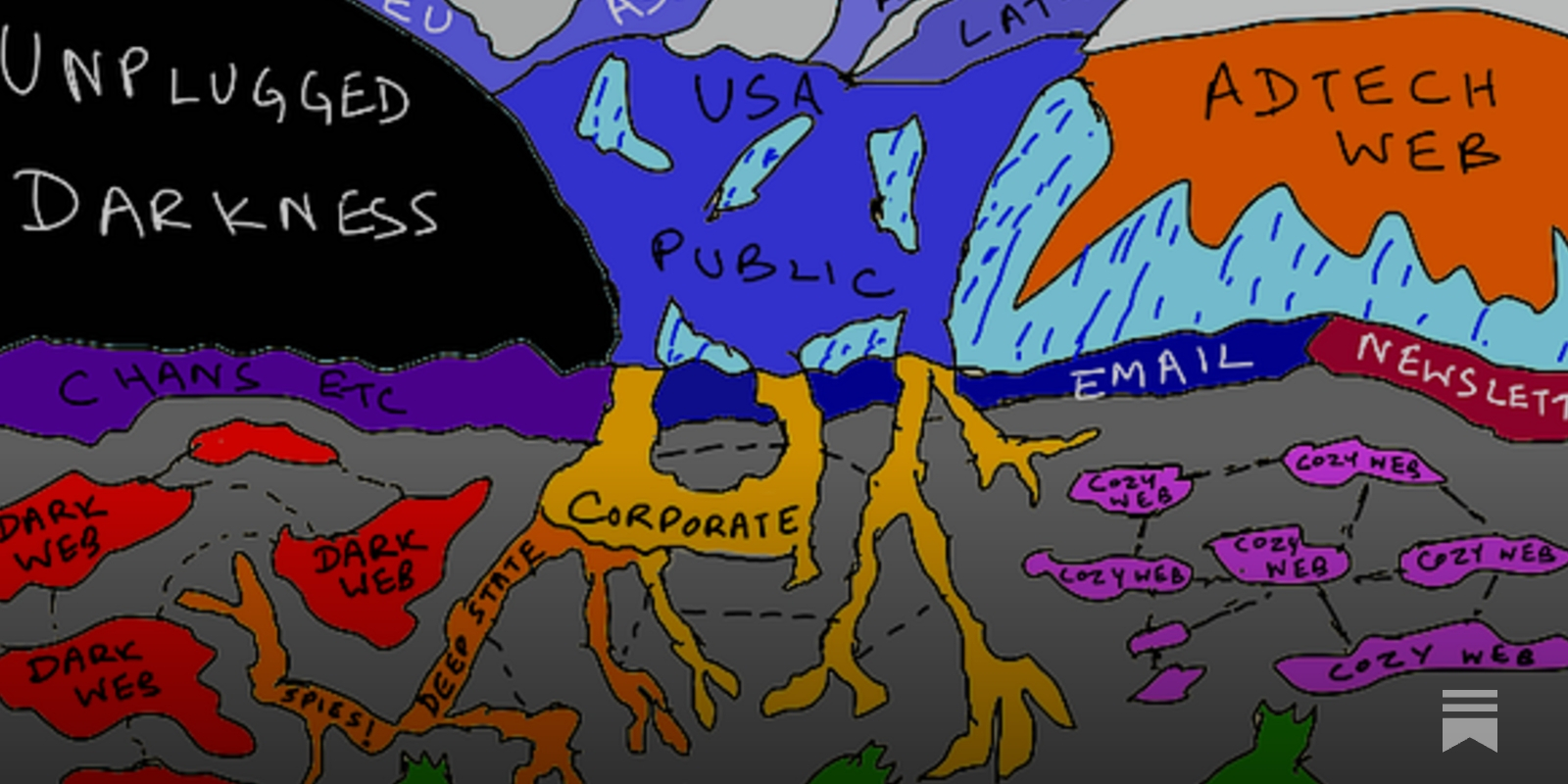
The Extended Internet Universe
The Internet is now a very complicated place
Matrix and Element: a case study of funding an open protocol for real time chat
Matrix is a distributed comms protocol for real-time chat that looks like it is taking off.
A Theory of Messaging Styles & Ghosting.
Online communication tools serve many purposes. So does silence.

The Internet is for End Users
This document explains why the IAB believes that, when there is a conflict between the interests of end users of the Internet and other parties, IETF decisions should favor end users. It also explores how the IETF can more effectively achieve this.

The Internet is for End Users
This document explains why the IAB believes that, when there is a conflict between the interests of end users of the Internet and other parties, IETF decisions should favor end users. It also explores how the IETF can more effectively achieve this.
The Internet is for End Users
This document explains why the IAB believes that, when there is a conflict between the interests of end users of the Internet and other parties, IETF decisions should favor end users. It also explores how the IETF can more effectively achieve this.

The 37signals Guide to Internal Communication
The how, where, why, and when we communicate. Long form asynchronous? Real-time chat? In-person? Video? Verbal? Written? Via email? In Basecamp? How do we keep everyone in the loop without everyone getting tangled in everyone else’s business? It’s all in here.
(PDF) Hyperchat and Hypervideo: Enabling Real-time Groupwise Conversations at Unlimited Scale
PDF | This paper explores a novel Generative AI based communication technology called Conversational Swarm Intelligence (CSI) or simply Hyperchat AI. It... | Find, read and cite all the research you need on ResearchGate

Conversational Design — MULE BOOKS
The interaction design book that explains why chatbots tend to suck
