


Every summer in the past 16 years Europe and North America—and not only—is affected by global warming evident through the heat waves and wildfires they experience while research from the past decad…
Heat-related urban mortality attributable to human-induced climate change in Europe in summer 2026
The summer of 2026 was characterised by a series of extreme heatwaves across Western Europe, with both monthly and annual temperature records broken repeatedly across many countries from May onwards. Several government agencies took the unprecedented step of issuing near-real-time estimates of the mortality associated with the most intense heat events, reflecting the severity of the threat to public health. In this study we combine probabilistic climate attribution with city- and age-specific temperature–mortality relationships to estimate heat-related mortality in 854 European cities during the summer months (June-August) and compare with counterfactual climate conditions representing a world without human-caused warming. We estimate 50,391 heat-related excess deaths across the 854 cities during the summer, with around two thirds of these attributable to anthropogenic climate change. These results highlight the threat from human-caused warming and the need for rapid emissions reductions alongside preparation and adaptation measures.
Summer’s new normal is a hazard that’s testing Europe’s climate resilience
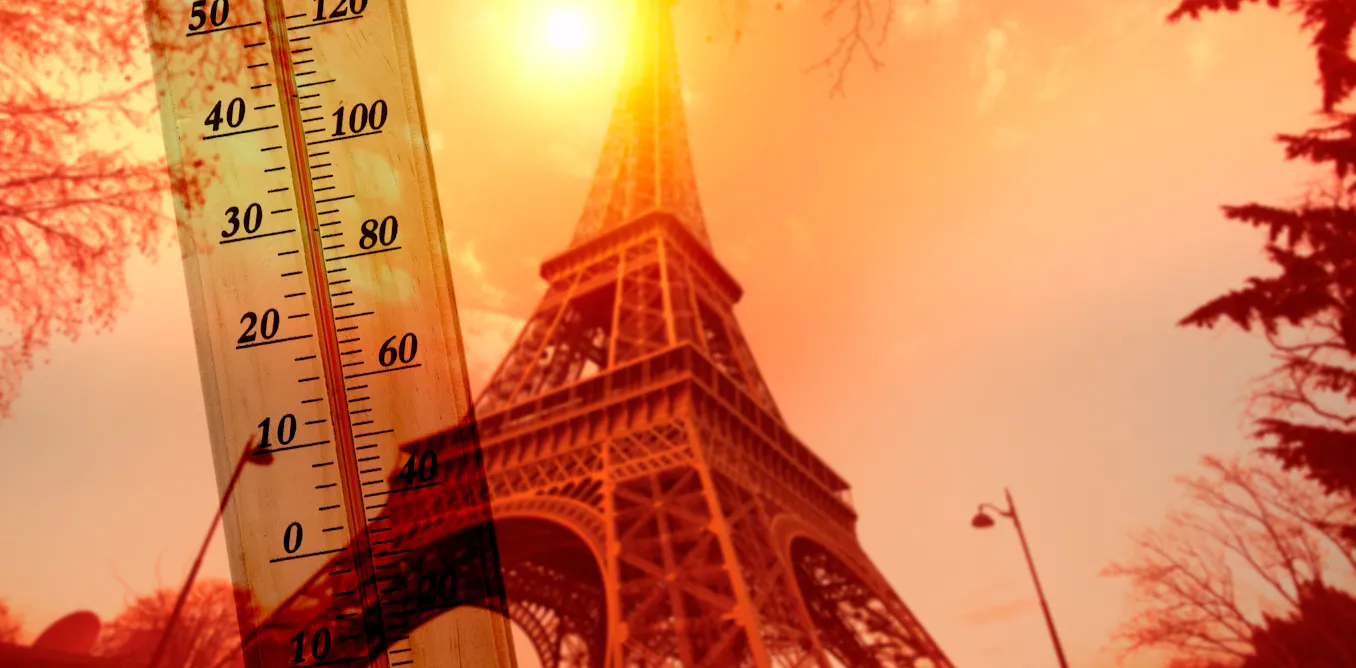
As people across Europe are having to acclimatise to an unprecedented heatwave, coordinated responses for tackling extreme heat need to come from the top, and there’s no time to lose.
Victorian Climate Collaboration – Our Policy Platform
Across Australia and around the world, the impacts of climate change are being felt through worsening bushfires, floods, droughts and heatwaves. The impacts we are experiencing now are early signals of far worse to come. Time is rapidly running out to avoid the devastating impacts of a 2°C or warmer world. Every fraction of degree of warming matters and will be measured in lives, species and ecosystems lost or saved.
Show Your Stripes
Visualising how the climate has changed for every country across the globe
High heat killed 50,000 Europeans this summer.
Scientists are blaming climate breakdown for that record figure, which is almost double 2025’s, and only covers city areas — meaning the real number of deaths is likely higher. According to this new mortality report, Malta, Italy, and Hungary had the hightest rates of people succumbing to the heat. [Link: Heat killed ‘staggering’ 50,000 people in Europe’s cities this summer, scientists warn | https://www.theguardian.com/environment/2026/oct/23/heat-killed-staggering-50000-people-european-cities-this-summer-experts | The Guardian]

'Hotter and hotter and hotter' - Europe's new climate in seven charts
Temperature records were smashed in June - and scientists warn this is a sign of things to come.
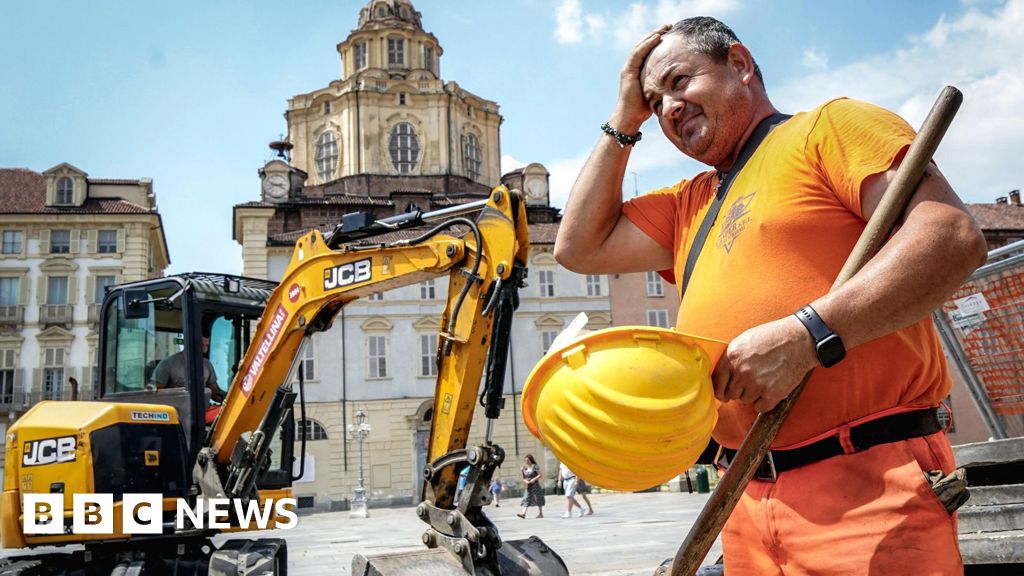
Did the hot summer make more people worry about climate change? Here’s what the latest indications show
Around 65% of the British public are now concerned about climate change.
Climate change
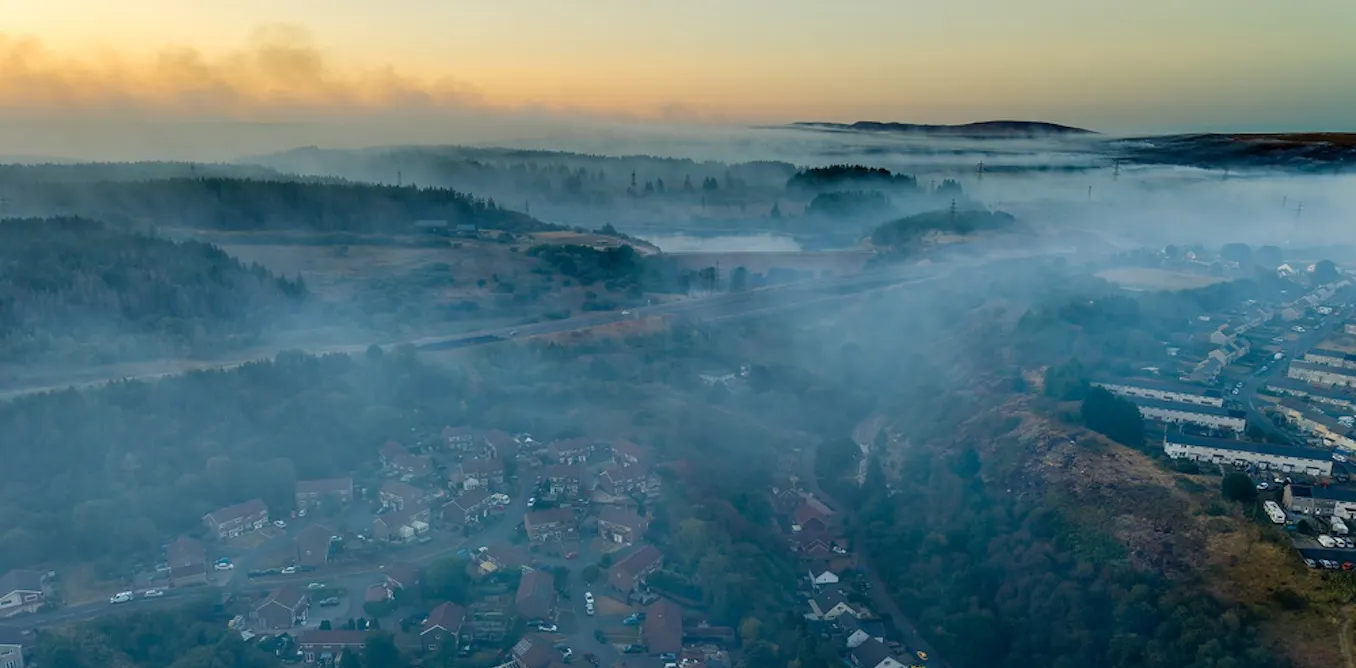
Present-day climate change includes both global warming—the ongoing increase in global average temperature—and its wider effects on Earth's climate system. Climate change in a broader sense also includes previous long-term changes to Earth's climate. The modern-day rise in global temperatures is driven by human activities, especially fossil fuel burning since the Industrial Revolution. Fossil fuel use, deforestation, and some agricultural and industrial practices release greenhouse gases. These gases absorb some of the heat that the Earth radiates after it warms from sunlight, warming the lower atmosphere. Earth's atmosphere now has roughly 50% more carbon dioxide, the main gas driving global warming, than it did at the end of the pre-industrial era, reaching levels not seen for millions of years.

Europe is BURNING - why are politicians not acting?
Majority of US voters link extreme weather to climate crisis, study finds
Top Democrat says findings show public ‘way ahead of the politicians’ as Trump dismisses global heating as ‘hoax’

Our Changing Climate
Heat killed ‘staggering’ 50,000 people in Europe’s cities this summer, scientists warn
People succumbed to heat at highest rates in Malta, Italy and Hungary, with health issues, loneliness and poverty exacerbating toll

Visualising Climate 2026 — Conference
A global conference on climate data visualization, storytelling, and science. Bologna, Italy • 4–6 November 2026.

🌡️🔥Climate change isn't a distant threat—it's a public health crisis now. Our study shows heat-related deaths in many cities could surpass annual COVID-19 deaths in just 5–10 years at 3°C warming. Urgent action is needed! 👉 rdcu.be/d5rnL @natureportfolio.bsky.social #scientificreports

Rapid climate action is needed: comparing heat vs. COVID-19-related mortality
rdcu.be