Hype Studies is a transdisciplinary research arena that investigates hype as a powerful and pervasive phenomenon.
Rediscovering The Spark
The last few years have been hard as someone who is not only very much engaged with technologies, their applications, damages and affordances as well as their politics. We’ve been moving through hype cycle after hype cycle with increasing promises at increasing speeds. Which is somewhat natural of course: Being built not around something material, […]


Anshul Kundaje on Twitter / X
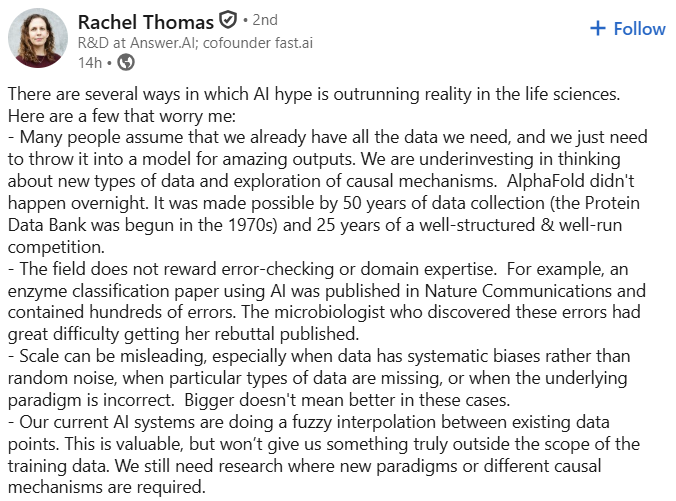
Excellent post by Rachel Thomas in the ways AI hype is outrunning reality in life scienceshttps://t.co/oAqoWaJlIb pic.twitter.com/6psP5ZAyOF— Anshul Kundaje (@anshulkundaje) March 17, 2026
The AI Hype Reckoning Is Upon Us
The massive chasm between AI hype and reality is finally reaching the breaking point.
Don’t Believe the Hype — or Doom — About AI
For America’s VC-dominated tech industry, AI hype isn’t just a crazy by-product — it’s a structural part of the US economy in which capital tries to write our destinies. We shouldn’t let it.

Innovation Methods in 2025 with the Gartner® Hype Cycle™ | ITONICS
What innovation methods are overhyped and what will actually benefit their company? We examine the Gartner® Hype Cycle™ for Innovation Practices
SciLove — What's new and hot in science
Discover trending, peer-reviewed research from 3,000+ journals — swipe, save, and connect with researchers who share your interests.

70 years of AI hype
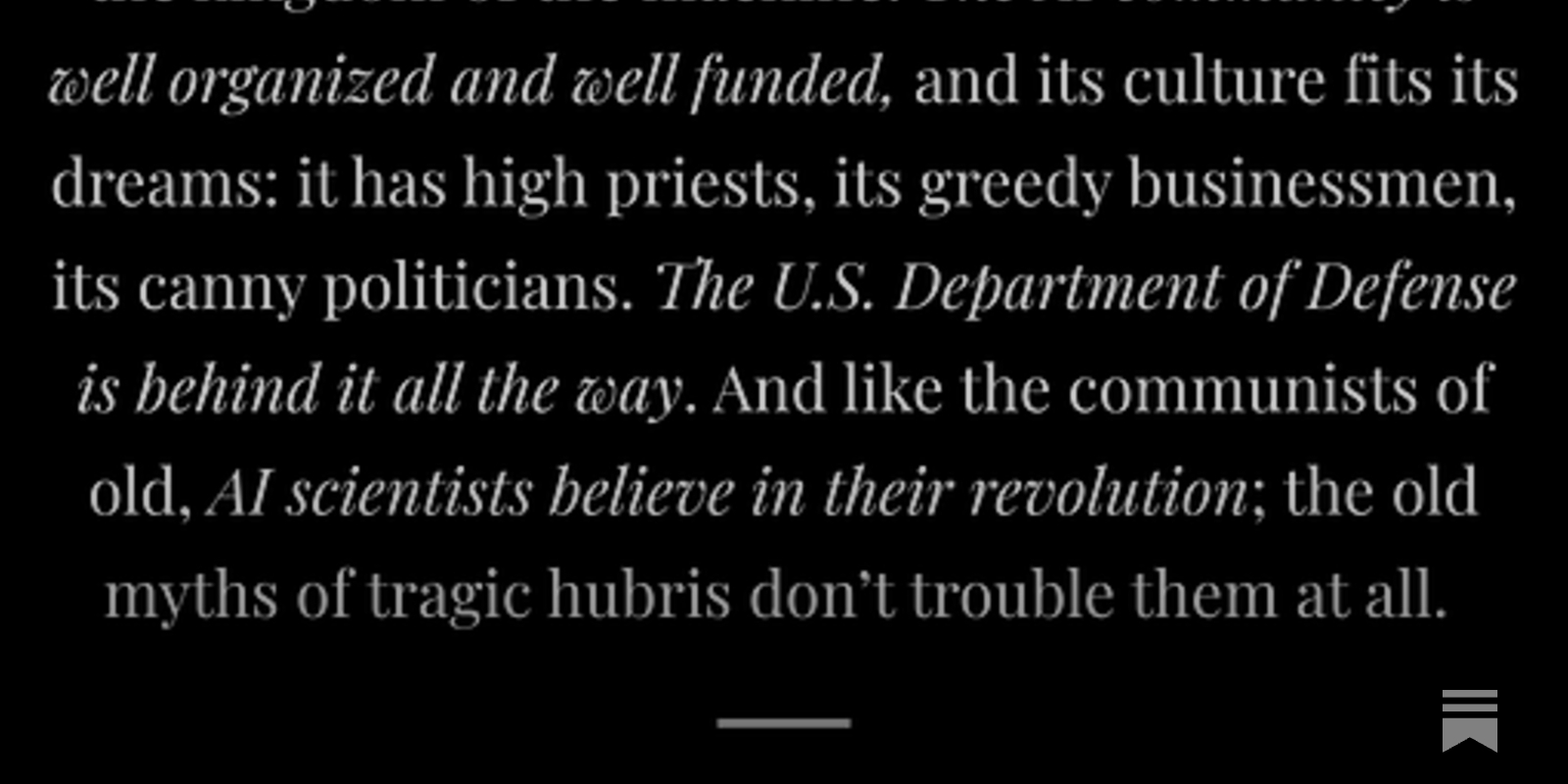
Quoting from Olivia Guest et al. (2025) "Against the Uncritical Adoption of AI Technologies in Academia."
How and When to Involve Crowds in Scientific Research - The Book
This book explores how millions of people can significantly contribute to scientific research. Discover main elements, authors, and who this book is for and why.
Watching the Generative AI Hype Bubble Deflate – Ash Center
As a part of the Allen Lab’s Political Economy of AI Essay Collection, David Gray Widder and Mar Hicks draw on the history of tech hype cycles to warn against the harmful effects of the current generative AI bubble.

No. 017: Science EIC contra AI hype, data poisoning of research agents, Vancouver Standard for AI disclosure - The Hallway Track
The Hallway Track No. 017 - How AI is affecting the practice of science
Chris Olah on Twitter / X
Research Intimacy: Internalizing obscure knowledge, equations, relationships, and ways of thinking related to a research topic.— Chris Olah (@ch402) August 16, 2020
DataPhilly Apr 2024: Tim Allen: Don't Get Pulled Under by the A.I Hype Wave
Hype, financial narratives, and self-fulfilling prophecies in surveillance capitalism
The rise of platforms has transformed our understanding of contemporary capitalism, with the critical literature describing how these firms leverage unprecedented digital powers to extract monopoly rents – perhaps even heralding a new form of Feudalism. This paper draws on the literature on financial narratives to examine the role that such stories play within the form of capitalism that they describe, and what this suggests for the role of “hype” in contemporary capitalism. The same stories that for critical scholars appear as menacing threats of “technofeudalism” or “surveillance capitalism” for investors appear as optimistic stories of promising future returns. By driving financial investments, narratives afford platforms very real social and political powers, enabling them to function as a form of self-fulfilling prophecies. The paper argues for a cultural inflection to the political economy of Big Tech – viewing capitalism as neither mechanistic nor rational, but as an expression of a complex interplay between narrative, technology, and economic power. This suggests the need for a critical hype studies, geared at deconstructing the narratives undergirding the technological waves of capitalist pursuits, and examining the broader role of hype in coordinating and directing flows of capital within contemporary financialized capitalism.

Beware the cloud of hype - The History of the Web
We don't know how this AI thing will turn out, but there is much to be learned from the cycles of hype that have already occurred on the web.