

This page outlines Slalom, a system with prototype implementation for concisely describing and implementing a class of touch interactions. Various examples demonstrate Slalom's versatility.
Whimsical Animations
Learn how to create charming interactions and delightful touches using the magic of CSS, JavaScript, SVG, and Canvas. I’m sharing all my tricks in this one!

Accessory for prosthetic limbs lets users interact directly with digital media | TechCrunch
When someone has lost a hand, particularly the dominant one, it can be a real challenge to do the simple clicks and drags that all of us take for granted on our desktops and laptops. A German design team has created a device to remedy this, detecting signals from the user's remaining muscles and translating them into common digital gestures.

Design for spatial user interfaces - WWDC23 - Videos - Apple Developer
Learn how to design great interfaces for spatial computing apps. We'll share how your existing screen-based knowledge easily translates...
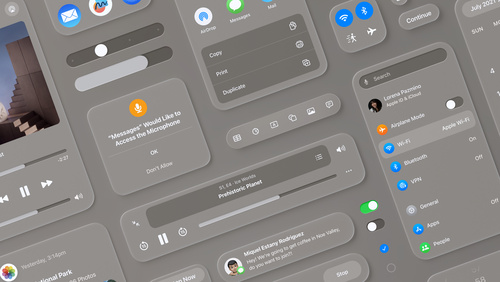
Tangible Functional Programming
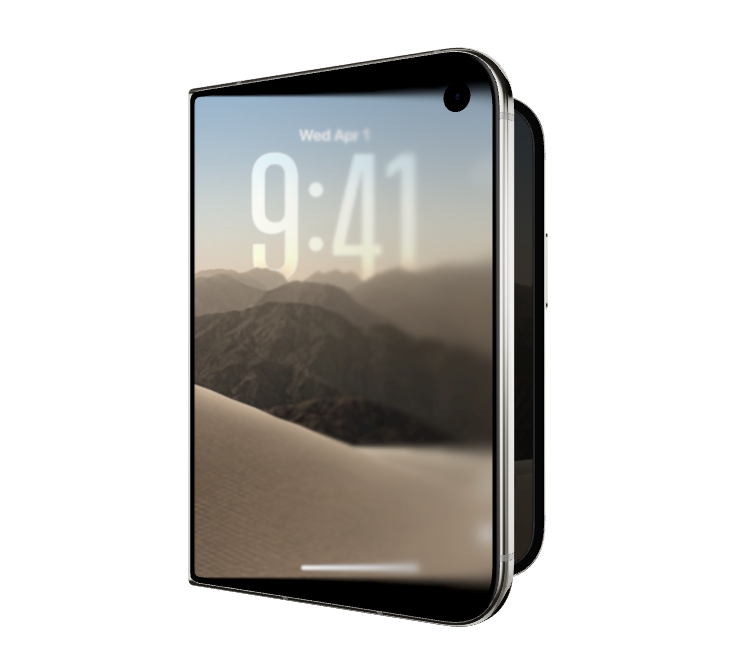
The iPhone Duo’s windows into Liquid Glass - Quibbletown by Keren
With the reveal of the new iPhone Duo1, I was delighted to see how iOS was adapted to accommodate the strange, shifting nature of a folding display. How do we communicate the weird turns and tumbles of the hardware not just to the system, but to the user, to prepare them for what their big cumbersome motion will do to the apps they’re interacting with?
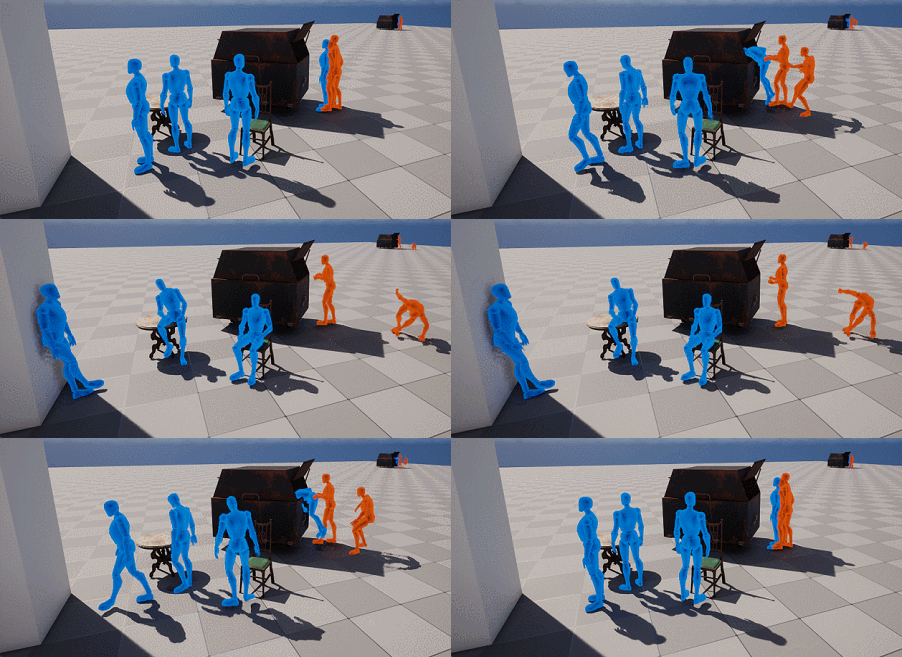
contextual animation stuff in Sleight of Hand – joe wintergreen internet zone
I’ve been working for the last week or two on a system to streamline contextual or scripted animation stuff in Sleight of Hand, a stealth game with a lot of systemic interaction aspirations. I built an interest source system a while back for coordinated investigations and dynamic behaviours, and while some of those interactions have been doing cool stuff on the animation side (a guy might rip open a wardrobe you’re hiding in, for example), it has tended to involve a lot of more-or-less-boilerplate Blueprint every time; it’s not been as easy as it should be to drop in what Half-Life called a “scripted sequence”. This fortnight’s work has improved this a great deal, and I’ll tell you for why, and perhaps you will benefit from doing something like this yourself.
BumpTop 3D Multi-Touch Desktop
Instrumental interaction: an interaction model for designing post-WIMP user interfaces
Native-Like Animations for Page Transitions on the Web | CSS-Tricks
Some of the most inspiring examples I’ve seen of front-end development have involved some sort of page transitions that look slick like they do in mobile
My Journey with Touch Typing and Vim
Stanford Seminar - Generative, Malleable, and Personal User Interfaces
Interface Lineage
A free library of interface patterns and principles. Name the mechanism, prompt it to your AI, and invent new interfaces.

Palette: teaching a small model to build decks in your design language
A Blog post by IBM Research on Hugging Face

Pointer Events | 12 Days of Web
Pointer events provide an API for unifying detecting interaction from various "pointers" including a mouse, pen/stylus, or touch.

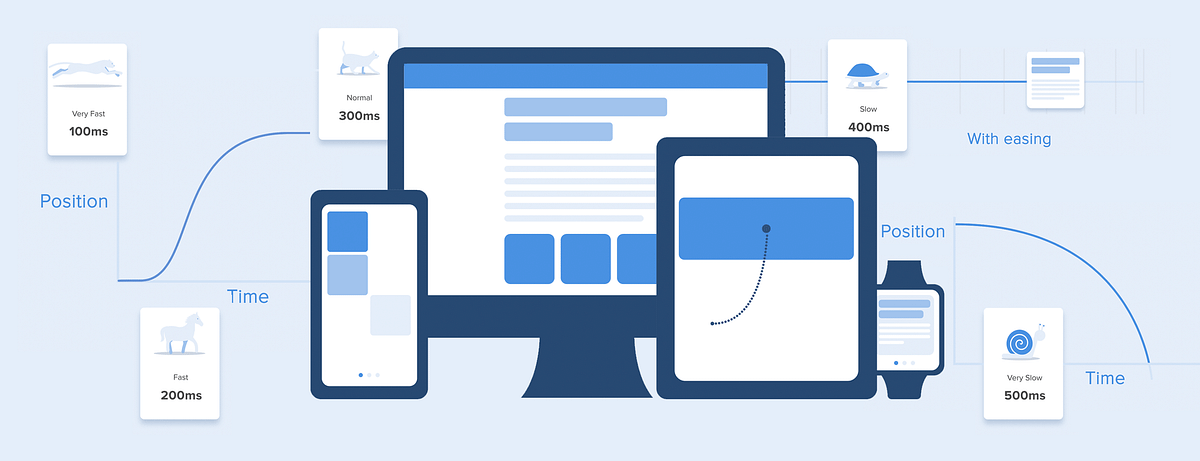
The ultimate guide to proper use of animation in UX
Nowadays it’s hard to impress or even surprise with an interface animation. It shows interactions between screens, explains how to use the…
Design Frictions for Mindful Interactions: The Case for Microboundaries
Design frictions, a term found in popular media articles about user experience design, refer to points of difficulty occurring during interaction with technology. Such articles often argue that these frictions should be removed from interaction flows in order to reduce the risk of user frustration and disengagement. In this paper we argue that, in many scenarios, designing friction into interactions through the introduction of microboundaries, can, in fact, have positive effects. Design frictions can disrupt "mindless" automatic interactions, prompting moments of reflection and more "mindful" interaction. The potential advantages of intentionally introduced frictions are numerous: from reducing the likelihood of errors in data-entry tasks, to supporting health-behaviour change.
