American society has branded marriage as an institution of love, and yet we cling to old-fashioned narratives about divorce. Astro Teller and Danielle Teller argue that this is harmful to individua…
When Sturdy Love Is What You Need (Published 2018)
There is the often facile social media narrative of overcoming adversity in marriage. And then there is the reality.

If you're in a bad marriage, don't try to mend it – end it | Nichi Hodgson
Research shows the impact of unhappy marriages on health. Sometimes it’s better to walk away than to stay, says relationships writer and broadcaster Nichi Hodgson

The World Files for Economic Divorce from America
What you do when your (trading) partner is abusive
A bad marriage can seriously damage your health, say scientists
Psychologists monitored 373 couples over 16 years and found that couples who continuously disagree have poorer health

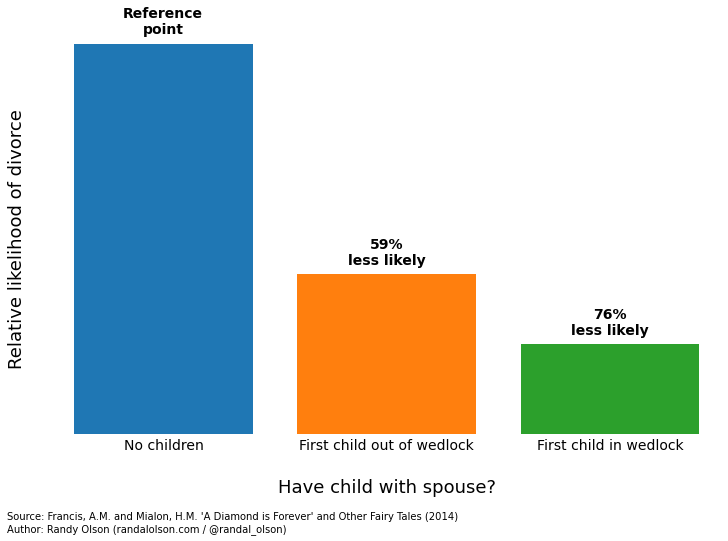
What makes for a stable marriage? Part 2
Randy Olson reviews more of a research paper that outlines what makes for a stable marriage in the U.S.
Unhappy Coincidences
marriages of licensing convenience, and changed circumstances

Against the Couple-Form | LIES Journal
Libidinal flows cut through the social world. Amorous and sexual relations do not exist in some domain safely taped off from the rest of society. Rather they are constituent elements of nearly every aspect of social life. Desire flows and circulates amongst places of employment, intellectual debates, political organizing, artistic circles, playgrounds, and cemeteries. The elderly patient grabs at the breast of a nurse hunched over him. A governmental official strips his newly hired intern down to her leopard print thong during an important briefing in his office. The incarcerated man holds his hand up to the glass of the visiting booth, attempting to touch his wife after twenty years of their bodily separation. These flows of libidinal desire operate within and amongst broader social mechanisms, such that they help animate the dynamics of economic and political life. Often a locus of politics, desire permeates the so-called ‘public’ terrain.
Political divides cut through marriages and families in the run-up to the 2024 election
For many Americans, politics has become far more personal, and divisive, than it once was. Now, in the run-up to the November election, that’s creating some friction within families. Tonight, Judy Woodruff looks at the impact of politics on marriages, dating and families as part of her ongoing series, America at a Crossroads.

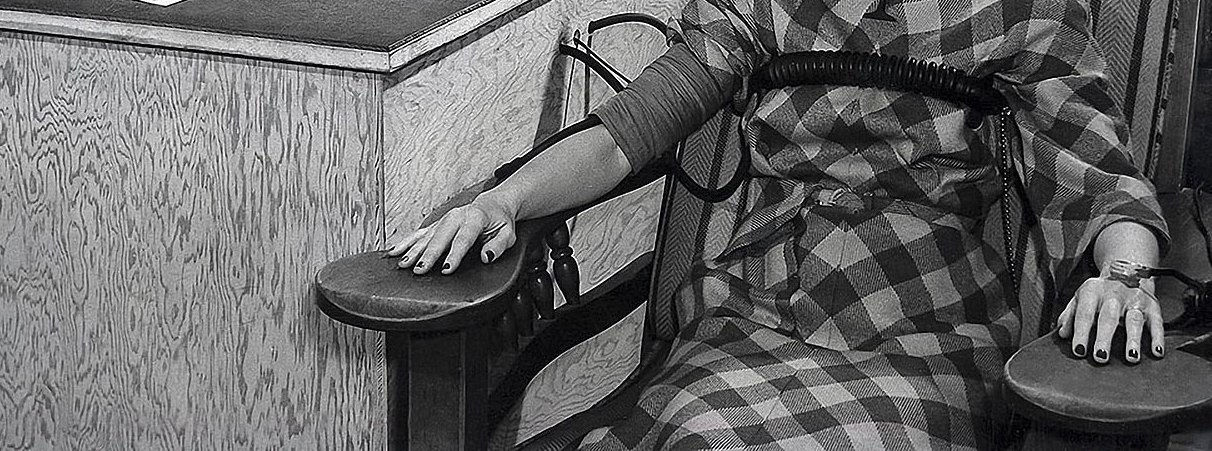
What the All-American Delusion of the Polygraph Says About Our Relationship to Fact and Fiction
A few weeks before the release of my first book, a memoir about my mother’s murder, I had to take a polygraph exam. The two things were not in fact related, but that was easy to forget once I found…
Why major life decisions should be approached with ‘epistemic humility’ | Psyche Videos
At a crossroads in life? No matter how much you deliberate, one unknowable remains: the person you will be on the other side

What You Lose When You Gain a Spouse
What if marriage is not the social good that so many believe and want it to be?
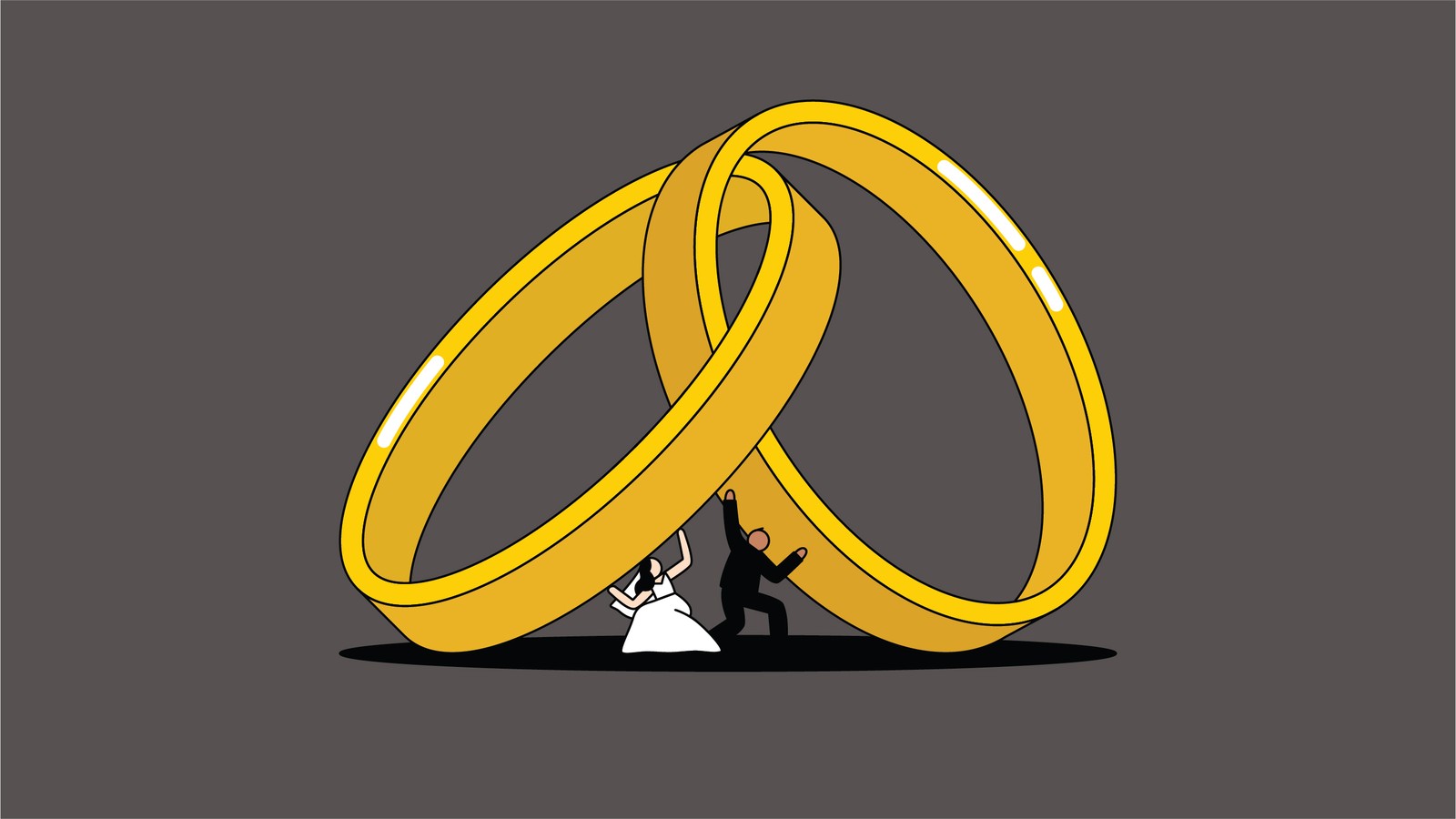
We Chose Frictionless. It Left Us Empty.
On what my parents understood about creating relationships that we have forgotten — and why the inconvenience is the whole point.

How Social Isolation Is Killing Us (Published 2016)
Research confirms our deepest intuition: Human connection lies at the heart of human well-being.

Polyamory Consent: 2026 Communication Strategies for Boundaries
Discover 2026 strategies for enthusiastic consent in polyamory, with practical scripts, group check-ins, boundary frameworks, and advice on jealousy to build trust in multi-partner relationships.
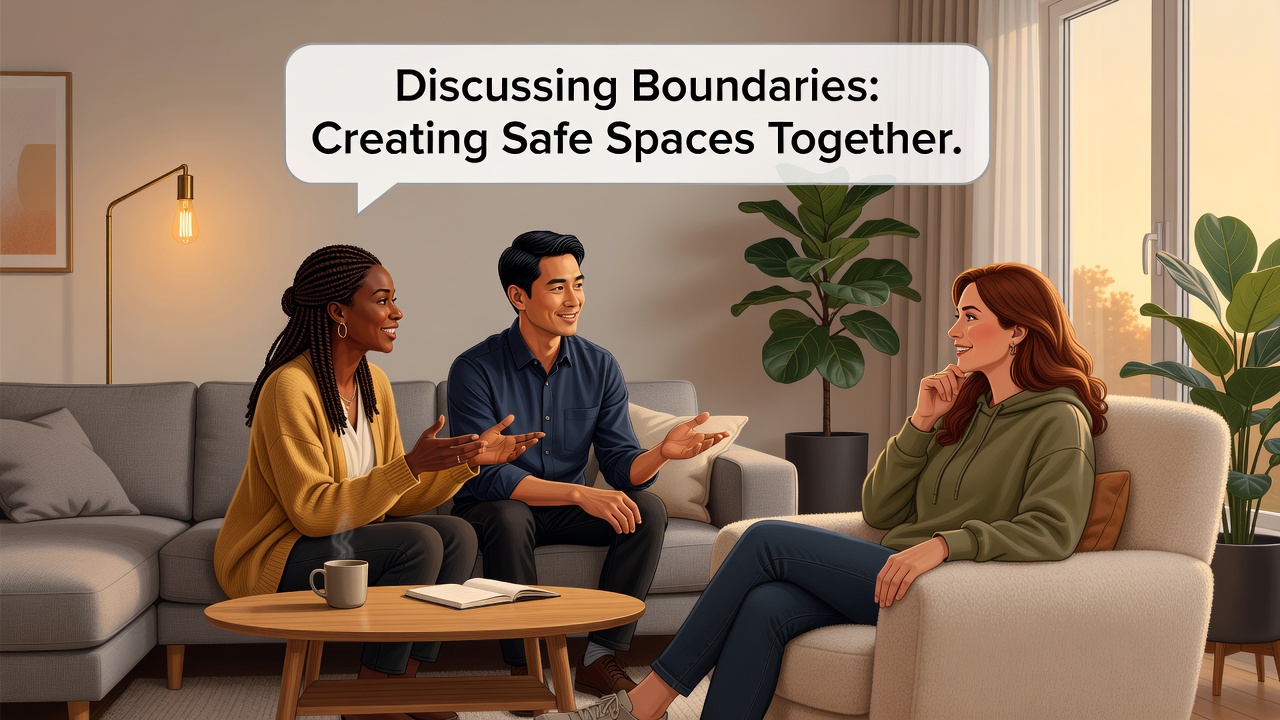
I'm a psychologist who studies couples: People in the happiest relationships have 5 things in common with their partner
Opposites may attract, but similarities are usually what determine if a relationship can stand the test of time, says Mark Travers, a psychologist who studies couples. Here's what the happiest couples share in common with their partner.

Beyond Equality—Non-Monogamy and the Necropolitics of Marriage
‘Marriage equality’ has been a widely used slogan and mobilizing concept for LGBTQ+ rights’ movements across the globe striving for formal recognition for ‘same-sex’ or ‘same-gender’ marriages. In this article, we critically interrogate the terminology and political rationality that have given shape to ‘marriage equality’ campaigns. We demonstrate the structural erasure of non-monogamous relations and populations from the changes hoped for and envisioned in these mobilizations. The lack of any genuine and substantial concern with consensual non-monogamies (CNMs) from most of the literature in the field highlights the close entanglement of marriage with monogamy. As a result, ideas are scarce about how meaningful and adequate legal recognition and social policy provisions for a wide range of intimate, sexual, familial, and/or caring bonds or constellations on the CNM continuum could look like. We argue that the critique of the mononormativity inherent to marriage is fundamental to understanding the role of this in the 21st century. We identify the roots of the mononormativity of marriage in its governmental role as a necropolitical and biopolitical technology, evidenced by its ‘civilizing’ function in white settler colonial projects. Because of this, an expansion of the call for equality to include non-monogamous populations does not resolve but rather aggravates the problem. We conclude that any truly queer politics of CNM consequently needs to be anti-marriage.