

The need to regulate online privacy is a truth so universally acknowledged that even Facebook and Google have joined the chorus of voices crying for change.
Blue Skies Ahead: Social Media's Quiet User Revolution
In a digital landscape increasingly defined by user concerns over privacy and control, a quiet revolution is taking shape.

Opinion | Zuckerberg’s So-Called Shift Toward Privacy (Published 2019)
Facebook is happy to protect user data when doing so decreases the company’s civic responsibilities — but not when it threatens advertising revenue.

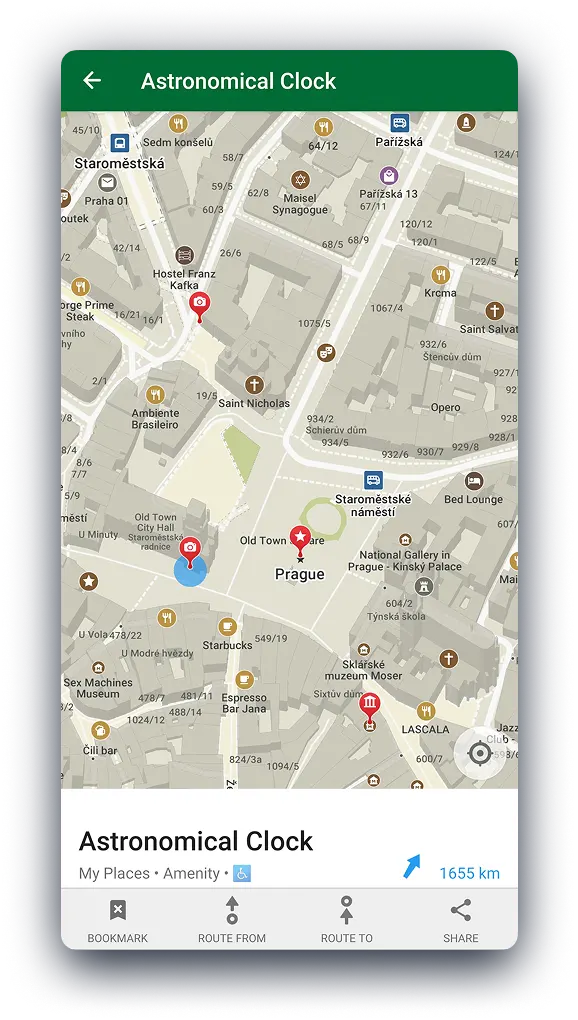
Hike, Bike, Drive Offline – Navigate with Privacy
Discover more of your journey - Powered by the community
EFFecting Change: How to Build a Decentralized Web That Truly Works for All
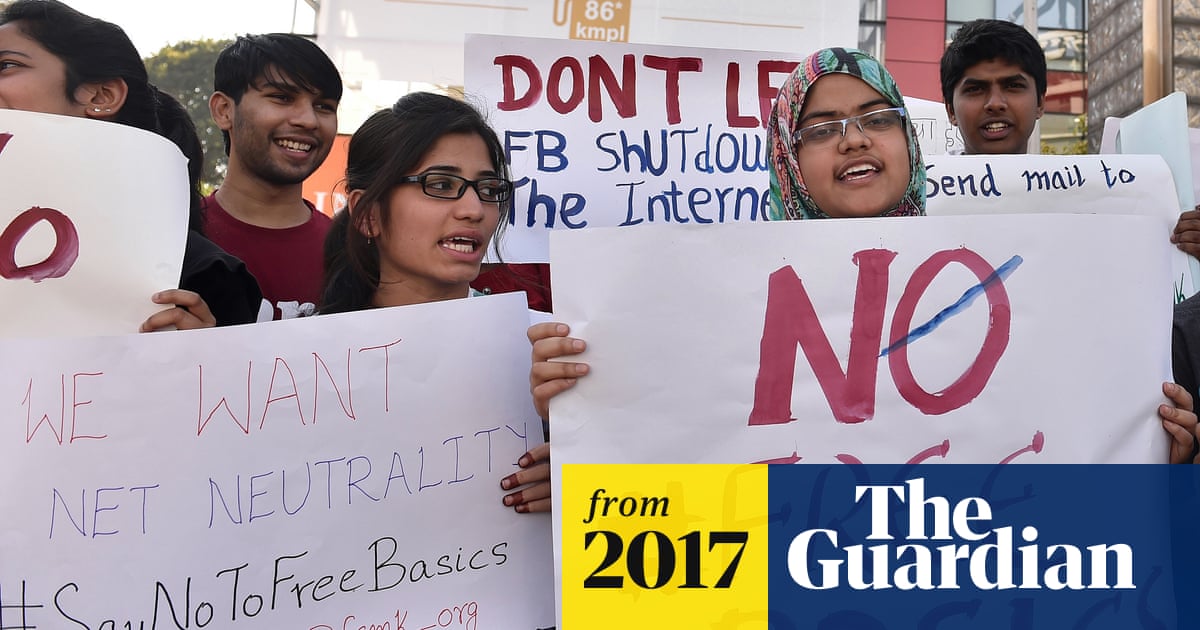
'It's digital colonialism': how Facebook's free internet service has failed its users
Free Basics, built for developing markets, focuses on ‘western corporate content’ and violates net neutrality principles, researchers say
Every Country Has Its Own Internet Now
A patchwork of privacy laws, teen social media bans, and "digital sovereignty" pushes means the Internet you see depends entirely on where you're standing.

Facebook’s Privacy Cake
Mark Zuckerberg’s announcement of A Privacy-Focused Vision for Social Networking is not some dramatic pivot: it is a growth opportunity for Facebook and a challenge for regulators.

The Internet Is Making You Less Free
Our current age is defined by the internet. The internet—a technology that allows the decentralized, globalized dissemination of information—has become so

The secret rules of the internet
The murky history of moderation, and how it’s shaping the future of free speech.

The secret rules of the internet
The murky history of moderation, and how it’s shaping the future of free speech.
Internet for the People: The Fight for Our Digital Future
"For all the informational convenience the internet offers, it is deeply flawed. How can it be improved? Writer Ben Tarnoff proposes one possibility in this intriguing book, which urges the development of 'a public lane on the information superhighway.' It's worth checking out for yourself." – Seth MacFarlane Why is the internet so broken, and what could ever possibly fix it? In Internet for the People, leading tech writer Ben Tarnoff offers an answer. The internet is broken, he argues, because it is owned by private firms and run for profit. Google annihilates your privacy and Facebook amplifies right-wing propaganda because it is profitable to do so. But the internet wasn't always like this—it had to be remade for the purposes of profit maximization, through a years-long process of privatization that turned a small research network into a powerhouse of global capitalism. Tarnoff tells the story of the privatization that made the modern internet, and which set in motion the crises that consume it today. The solution to those crises is straightforward: deprivatize the internet. Deprivatization aims at creating an internet where people, and not profit, rule. It calls for shrinking the space of the market and diminishing the power of the profit motive. It calls for abolishing the walled gardens of Google, Facebook, and the other giants that dominate our digital lives and developing publicly and cooperatively owned alternatives that encode real democratic control. To build a better internet, we need to change how it is owned and organized. Not with an eye towards making markets work better, but towards making them less dominant. Not in order to create a more competitive or more rule-bound version of privatization, but to overturn it. Otherwise, a small number of executives and investors will continue to make choices on everyone’s behalf, and these choices will remain tightly bound by the demands of the market. It's time to demand an internet by, and for, the people now.
Unpacking the Public Health Turn in Internet Regulation
Measures designed to protect children from digital harms are ushering in a public health approach to internet regulation, writes Ramiro Álvarez Ugarte.
Social Media Is Now Parasocial Media
When practitioners used the term “social media” to describe the internet tools that emerged in the mid-aughts, they were giving a name to the kinds of platforms and protocols that allowed people to socialize with friends and communities of interest by using digital technologies. Twenty years later, users of social media are far more likely to scroll than post – and the content that they consume is often strategically produced and algorithmically curated. In this essay, I argue that the very essence of social media has changed. To more effectively interrogate what we are witnessing, we need to stop presuming that these tools are “social media” and begin recognizing that they are now “parasocial media.” Doing so raises new questions about digitally mediated sociality, not to mention the politics and governance of these platforms.

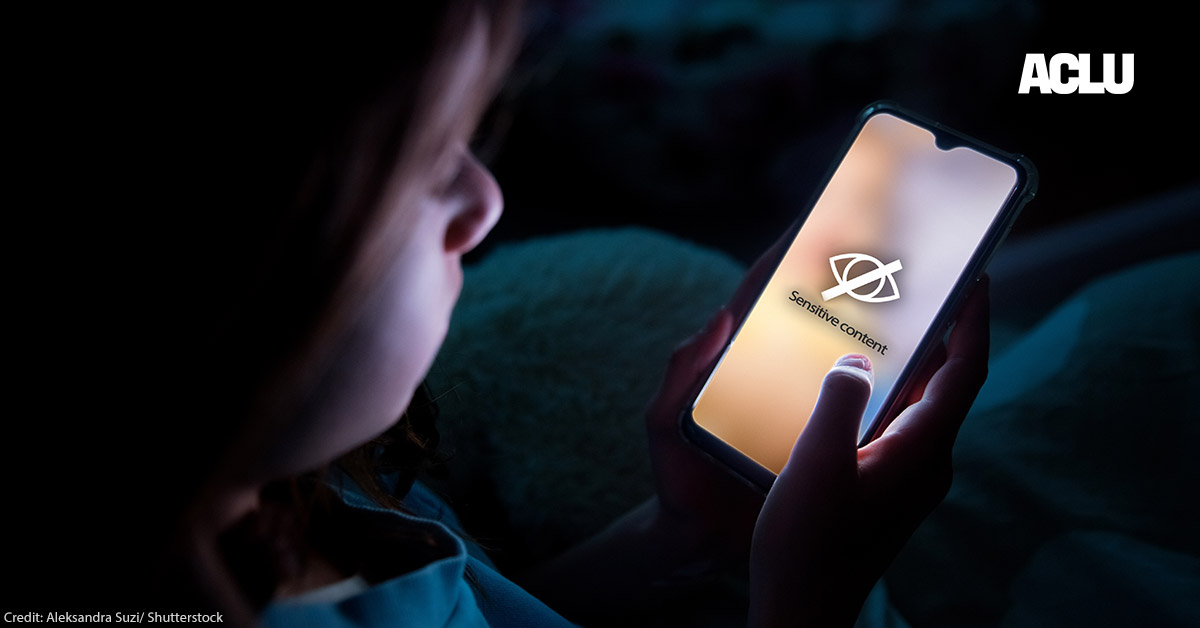
Online Safety Bills Are Fueling a New Wave of Internet Censorship
State and federal bills seek to limit minors’ access to social media, but civil liberties advocates warn that the resulting online censorship threatens constitutional rights without delivering real safety.
If you're building apps for the social web, this survey report by Incogni is really worth a read. People are quietly withdrawing from active participation in social media. blog.incogni.com/digital-fatigue-and-burnout/ Extracts in the thread 🧶 👇

The great digital fatigue: How digital burnout is changing social media use [2026] | Incogni
blog.incogni.com