
Will AIs be jealous of one another?
Import AI 452: Scaling laws for cyberwar; rising tides of AI automation; and a puzzle over gDP forecasting
How much could AI revolutionize the economy?

Notes from inside China's AI labs
Lessons from my trip to talk to most of the leading AI labs in China.

Import AI 476: Creativity and RSI; worse-than-China open weight models; AI goes to space
Will we give robots the moon?

Why China is giving away its best AI models
Chinese labs like Moonshot are forcing OpenAI, Google, and Anthropic to rethink what they lock away.

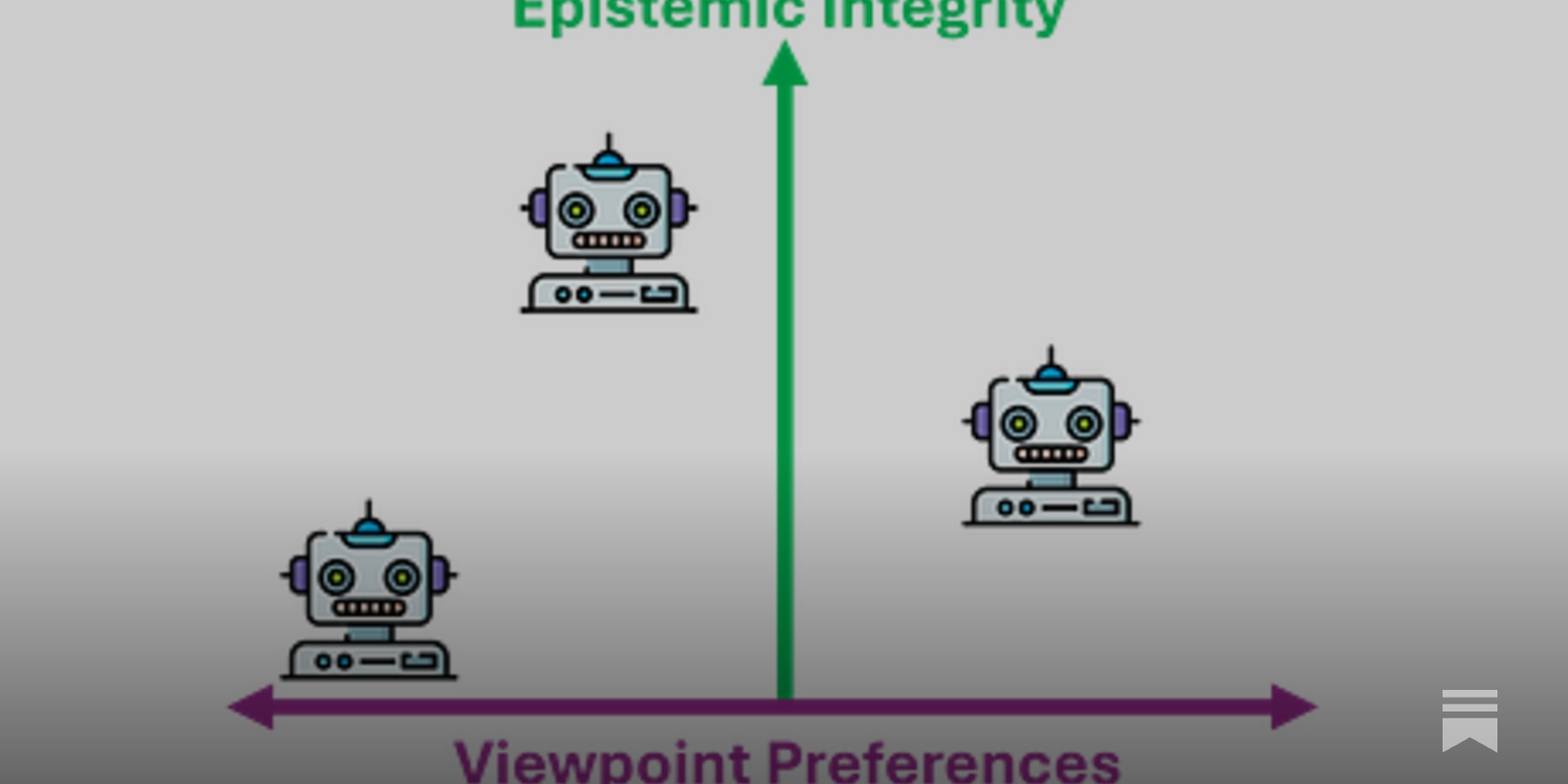
Have we been measuring AI political bias wrong? A better approach is possible.
Why ideological preferences and epistemic failure in LLMs are not the same thing — and why the difference matters
Exclusive-Beijing is looking at curbing overseas access to China's top AI models, sources say - AOL
By Fanny Potkin SINGAPORE, July 7 (Reuters) - Chinese authorities have held meetings with top tech firms over the past month about potentially restricting overseas access to China's most advanced AI

Where will AI be at the end of 2027? A bet
We, Gary Marcus, author, scientist, and noted skeptic of generative AI, and Miles Brundage, an independent AI policy researcher who recently left OpenAI and is bullish on AI progress, have agreed to the following bet, at 10:1 odds, with criteria drawn from two earlier Substack essays by Gary that proposed criteria for

Import AI 450: China's electronic warfare model; traumatized LLMs; and a scaling law for cyberattacks
How will timeless minds value time?

DeepSeek FAQ
DeepSeek has completely upended people’s expectations for AI and competition with China. What is it, and why does it matter?

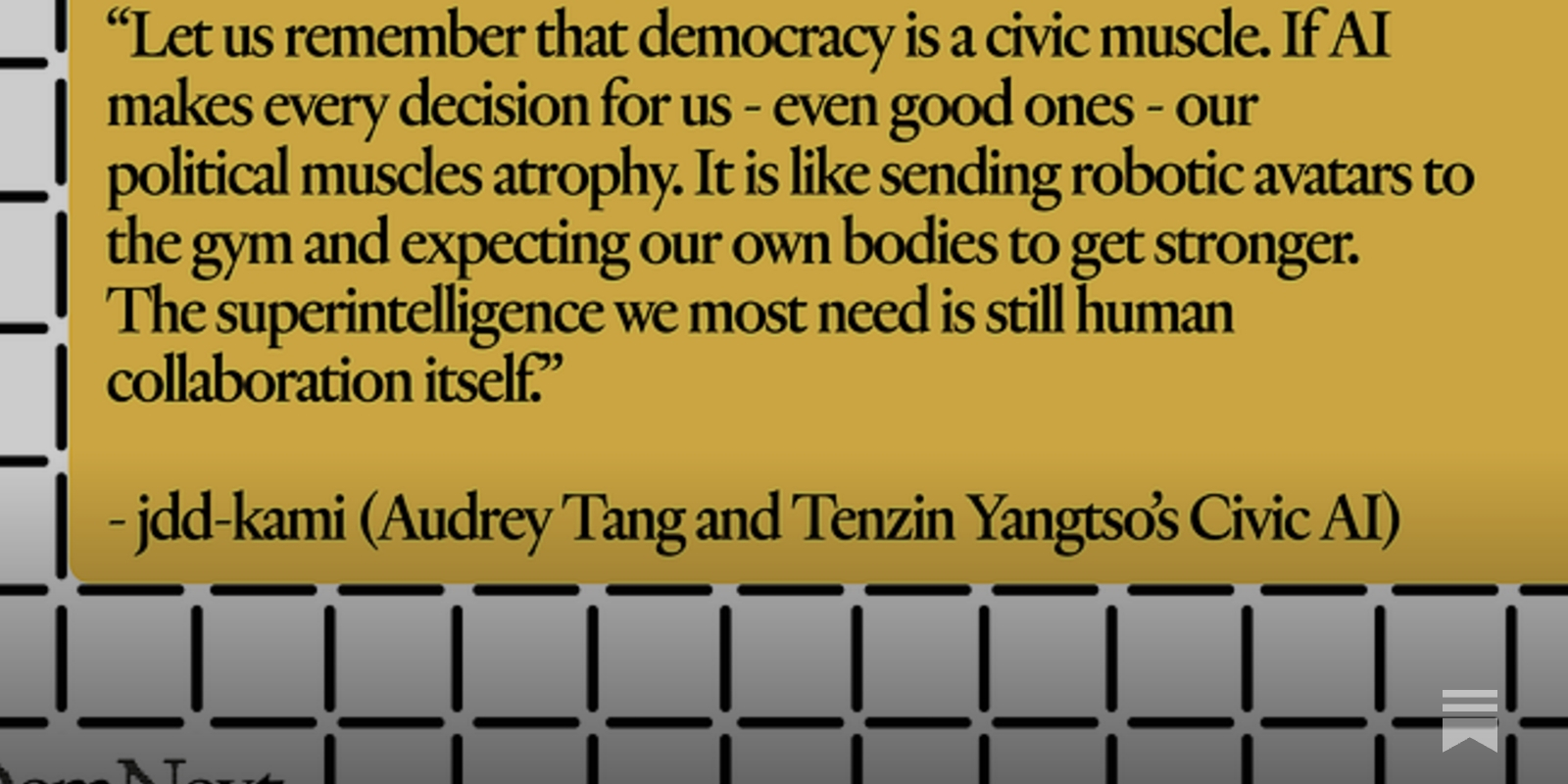
Democracy Needs AI That Listens
From Taiwan's deliberative experiments to our own AI policy - featuring jdd-kami, the Civic AI that fits in a carry-on
Import AI 475: Swarm scaling; Google DeepMind watermarks biology; and the AI science economy
Who chooses what AI gets to do?

Deterrence with Mutual Assured AI Malfunction (MAIM) — Chapter 4 of Superintelligence Strategy
Chapter 4: Deterrence with Mutual Assured AI Malfunction (MAIM). Rapid advances in AI are beginning to reshape national security. Destabilizing AI developments could rupture the balance of power and raise the odds of great-power conflict, while widespread proliferation of capable AI hackers and virologists would lower barriers for rogue actors to cause catastrophe.

China's Artificial General Intelligence | Center for Security and Emerging Technology
Recent op-eds comparing the United States’ and China’s artificial intelligence (AI) programs fault the former for its focus on artificial general intelligence (AGI) while praising China for its success in applying AI throughout the whole of society. These op-eds overlook an important point: although China is outpacing the United States in diffusing AI across its society, China has by no means de-emphasized its state-sponsored pursuit of AGI.

Thoughts on AI in academia
PhD-level thinking, LLM bias, alignment, AGI, data centers, and AI politics

AI hallucination of Chinese nuclear components almost led to US military attack
But the military's overall use of AI seems to be accelerating.