


Το Εργαστήριο Διαδραστικών Τεχνών στεγάζεται στο χώρο του Τμήματος Τεχνών Ήχου & Εικόνας του οποίου υποστηρίζει τη διδακτορική και μεταδιδακτορική έρευνα. Η ερευνητική δραστηριότητα αποτελεί κεντρικό άξονα στον σχεδιασμό των δράσεων και κατευθύνσεων του εργαστηρίου τόσο σε ερευνητικό όσο και σε αναπτυξιακό επίπεδο. - info@inarts.eu
First Impressions on Ephesians 3:1-12 - Without Authority
This is the beginning step of my sermon work on the epistle text for the Feast of the Epiphany, January 6, 2026.
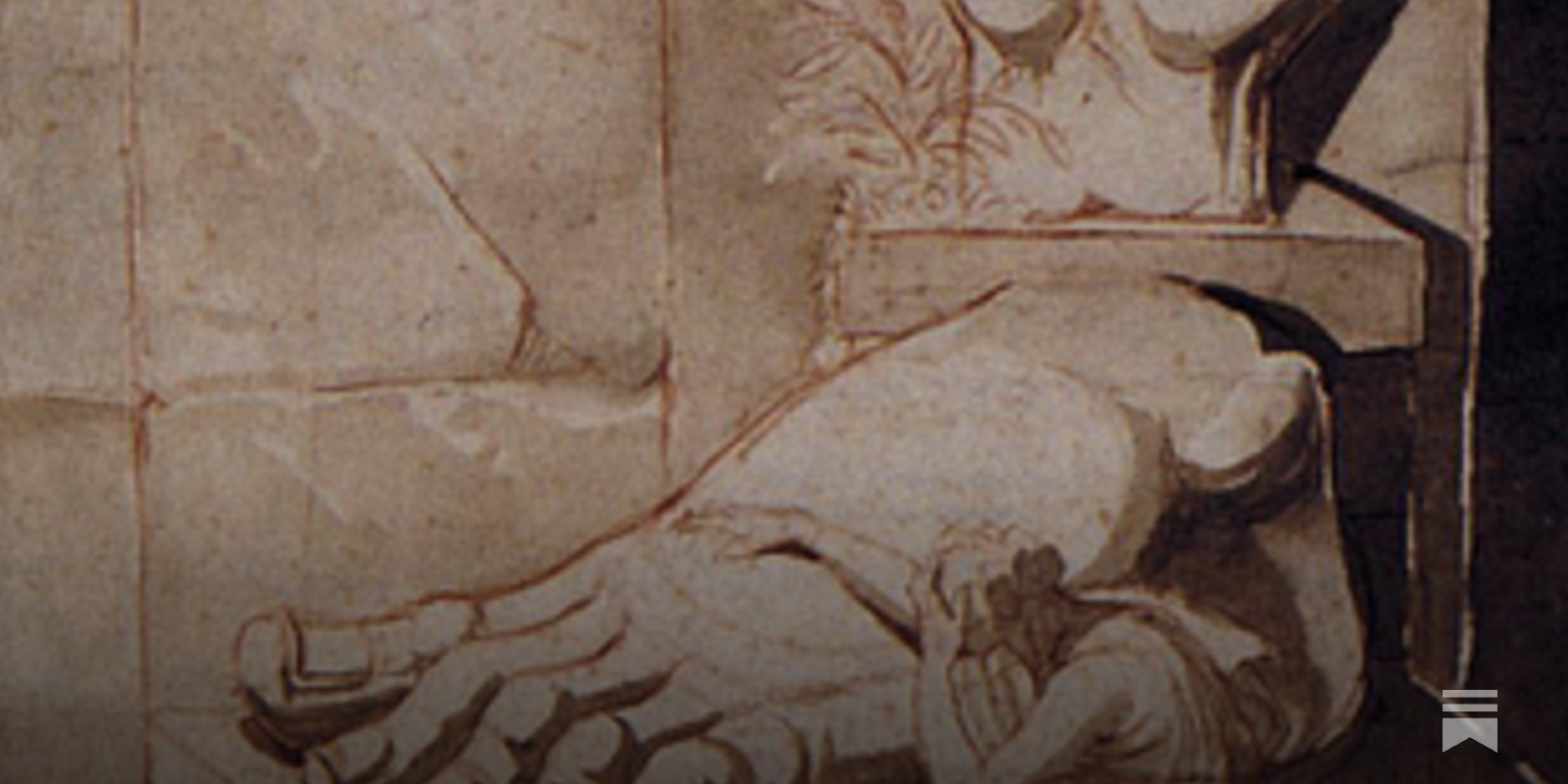
056. Ephesians 3:1-12
Chapel Sermon by Joel Okamoto from Ephesians 3:1-12 on Wednesday, January 3, 2018.
التواصل النصيّ هو الأكسجين في ثقافة شركة ووردبريس دوت كوم
اِفتح التدوينة لتطالع حلّا عمليًّا لتوظيف الخبرة التقنية والفنية في غزّة بدل إنتاج طنٍ من المحتوى عنهم دون فائدة عمليّة.…

Epiphany • Ephesians 3:1–12 • January 6, 2013 - Concordia Theology
By Francis C. Rossow Comments on the Text Lulled either by the familiarity of our text or by its complex sentence structure, we may not at first be aware of the surprise—even the shock—it contains. Verse 6 drops a bomb: “This mystery is that through the gospel the Gentiles are heirs together with Israel, members […]
Epiphany • Ephesians 3:1–12 • January 4, 2015 - Concordia Theology
By Joel P. Okamoto Notes on the Pericope The Old Testament people knew that God had promised life and salvation to all nations (e.g., see Genesis 12:3 and Isaiah 60:1–6, the appointed OT lesson), but they did not know how he would do that. God made this clear through his Son and in the witness of the apostles. Paul’s […]
Parmenides
Parmenides of Elea, active in the earlier part of the 5th c. BCE,authored a difficult metaphysical poem that has earned him areputation as early Greek philosophy’s most profound andchallenging thinker. His philosophical stance has typically beenunderstood as at once extremely paradoxical and yet crucial for thebroader development of Greek natural philosophy and metaphysics. Hehas been seen as a metaphysical monist (of one stripe or another) whoso challenged the naïve cosmological theories of his predecessorsthat his major successors among the Presocratics were all driven todevelop more sophisticated physical theories in response to hisarguments. The difficulties involved in the interpretation of his poemhave resulted in disagreement about many fundamental questionsconcerning his philosophical views, such as: whether he actually was amonist and, if so, what kind of monist he was; whether his systemreflects a critical attitude toward earlier thinkers such as theMilesians, Pythagoreans, and Heraclitus, or whether he was motivatedsimply by more strictly logical concerns, such as the paradox ofnegative existentials that Bertrand Russell detected at the heart ofhis thought; whether he considered the world of our everydayawareness, with its vast population of entities changing and affectingone another in all manner of ways, to be simply an illusion, and thuswhether the lengthy cosmological portion of his poem represented agenuine attempt to understand this world at all. This entry aims toprovide an overview of Parmenides’ work and of some of the majorinterpretive approaches advanced over the past few decades. Itconcludes by suggesting that understanding his thought and his placein the development of early Greek philosophy requires taking dueaccount of the fundamental modal distinctions that he was the first toarticulate and explore with any precision.
Parmenides: Pre-Socratic Philosophy
Heraclitus
A Greek philosopher of Ephesus (near modern Kuşadası,Turkey) who was active around 500 BCE, Heraclitus propounded adistinctive theory which he expressed in oracular language. He is bestknown for his doctrines that things are constantly changing (universalflux), that opposites coincide (unity of opposites), and that fire isthe basic material of the world. The exact interpretation of thesedoctrines is controversial, as is the inference often drawn from thistheory that in the world as Heraclitus conceives it contradictorypropositions must be true.
Troels Engberg-Pedersen
Troels Engberg Pedersen is a Pauline theologian, author, and professor of New Testament exegesis at the University of Copenhagen in Denmark.[1]
Sᴜɴʀɪsᴇ Oᴀᴛʜ 十 Tʜᴇ Sʏʟʟᴀʙᴜꜱ (ORI) - CC0 on Twitter / X
The promise of the cross is not that we will undergo no suffering, but that the way and the truth and the life will be worth it *despite* any suffering along the way. Jesus was perfect, and even he suffered from others' sin.(excerpt from John 20 NIV)https://t.co/P0Pk3PzJRJ pic.twitter.com/sRXw50cuYh— Sᴜɴʀɪsᴇ Oᴀᴛʜ 十 Tʜᴇ Sʏʟʟᴀʙᴜꜱ (ORI) - CC0 (@sunriseoath) September 19, 2026
Ephesians 03:01-12
Ephesians 3:1-12 for the Feast of Epiphany in both One Year and Series C. Paul states that light is brought to all the Gentiles and the light is brought to the world by the church.
The Final Christian Generation? - Mockingbird
What we can learn from the century that saw the sun set on the “final” pagan generation

Allegory of the cave
The allegory of the cave is an allegory presented by the Greek philosopher Plato in his work Republic to compare "the effect of education (παιδεία) and the lack of it on our nature". It is written as a dialogue between Plato's brother Glaucon and his mentor Socrates and is narrated by the latter. The allegory is presented after the analogy of the Sun (508b–509c) and the analogy of the divided line (509d–511e).

Studying the Text of 1 Corinthians 10:23-11:1 - Without Authority
Working notes from preparing to preach on the epistle text for the third week of our Stewardship sermon series, November 23, 2025.
西部の街もヒッピーコミューンも、人の集まりは所詮同じ~『ワンス・アポン・ア・タイム・イン・ハリウッド』(ネタバレあり) - Commentarius Saevus
タランティーノの新作『ワンス・アポン・ア・タイム・イン・ハリウッド』を見てきた。 www.youtube.com 舞台は1969年のハリウッド。人気テレビ西部劇の主役だったが、うまく映画に進出できずに最近落ち目のアクションスター、リック・ダルトン(レオナルド・ディカプリオ)と、専属のスタントマン兼世話係で親友でもあるク…