For an era of change.Arriving fall 2026.
Designing for IndiaFOSS 2026
Collection of experiences, observations, and learnings from managing and contributing to the design of IndiaFOSS 2026.



Designs for the pluriverse: radical interdependence, autonomy, and the making of worlds
"Arturo Escobar presents a new vision of design theory by arguing for the creation of what he calls 'autonomous design'--a design practice aimed at channeling design's world-making capacity toward ways of being and doing that are deeply attuned to justice and the Earth"--Publisher description

On Design Thinking | Maggie Gram
By embracing “design thinking,” we attribute to design a kind of superior epistemology: a way of knowing, of “solving,” that is better than the old and local and blue-collar and municipal and unionized and customary ways. We bring in “design thinkers” — some of them designers by trade, many of them members of adjacent knowledge fields — to “empathize” with Kaiser hospital nurses, Gainesville city workers, church leaders, young mothers, and guerrilla fighters the world over.

DesignABetterBusiness.tools | Tool Overview
Search and download all of the tools from the book Design A Better Business
New Design Congress (@newdesigncongress@mastodon.world)
4 Posts, 7 Following, 128 Followers · An independent research group confronting the gap between what is said to be happening and what is actually happening in digitised societies.

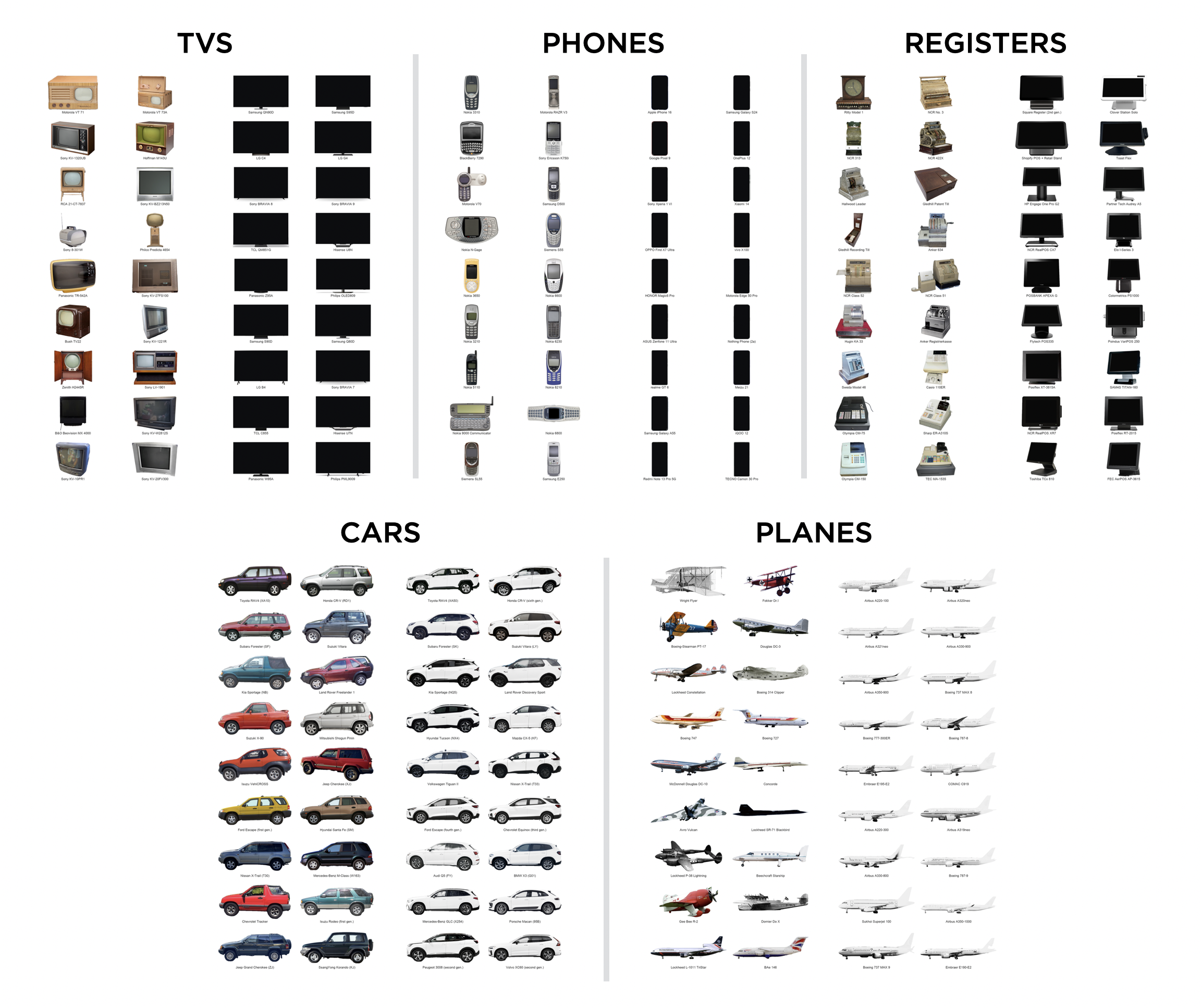
LukeW | The Convergence of Design
After seeing lots of posts over the years arguing that design has become homogenized, I decided to pull together historical and modern designs for a few differe...
Special Issue Editorial – Accumulation and Evolution of Design Knowledge in Design Science Research: A Journey Through Time and Space
Sir Isaac Newton (1676) famously said, “If I have seen further, it is by standing on the shoulders of giants.” Research is a collaborative, evolutionary endeavor—and it is no different with design science research (DSR), which builds upon existing design knowledge and creates new design knowledge to pass on to future projects. However, despite the vast, growing body of DSR contributions, scant evidence of the accumulation and evolution of design knowledge has been articulated in an organized DSR body of knowledge. Most contributions rather stand on their own feet than on the shoulders of giants, and this continues to limit how far we can see, curtailing the extent of the broader impacts that can be made through DSR. In this editorial, we aim at providing guidance on how to position design knowledge contributions in wider problem and solution spaces. We propose (1) a model conceptualizing design knowledge as a resilient relationship between problem and solution spaces, (2) a model that demonstrates how individual DSR projects consume and produce design knowledge, (3) a map to position a design knowledge contribution in problem and solution spaces, and (4) principles on how to use this map in a DSR project. We show how fellow researchers, readers, editors, and reviewers, as well as the IS community as a whole, can make use of these proposals, and also illustrate future research opportunities.

Design Thinking
In the past, design has most often occurred fairly far downstream in the development process and has focused on making new products aesthetically attractive or enhancing brand perception through smart, evocative advertising. Today, as innovation’s terrain expands to encompass human-centered processes and services as well as products, companies are asking designers to create ideas rather than to simply dress them up. Brown, the CEO and president of the innovation and design firm IDEO, is a leading proponent of design thinking—a method of meeting people’s needs and desires in a technologically feasible and strategically viable way. In this article he offers several intriguing examples of the discipline at work. One involves a collaboration between frontline employees from health care provider Kaiser Permanente and Brown’s firm to reengineer nursing-staff shift changes at four Kaiser hospitals. Close observation of actual shift changes, combined with brainstorming and rapid prototyping, produced new procedures and software that radically streamlined information exchange between shifts. The result was more time for nursing, better-informed patient care, and a happier nursing staff. Another involves the Japanese bicycle components manufacturer Shimano, which worked with IDEO to learn why 90% of American adults don’t ride bikes. The interdisciplinary project team discovered that intimidating retail experiences, the complexity and cost of sophisticated bikes, and the danger of cycling on heavily trafficked roads had overshadowed people’s happy memories of childhood biking. So the team created a brand concept—“Coasting”—to describe a whole new category of biking and developed new in-store retailing strategies, a public relations campaign to identify safe places to cycle, and a reference design to inspire designers at the companies that went on to manufacture Coasting bikes. [hbr_brightcove id=”4443548301001″]

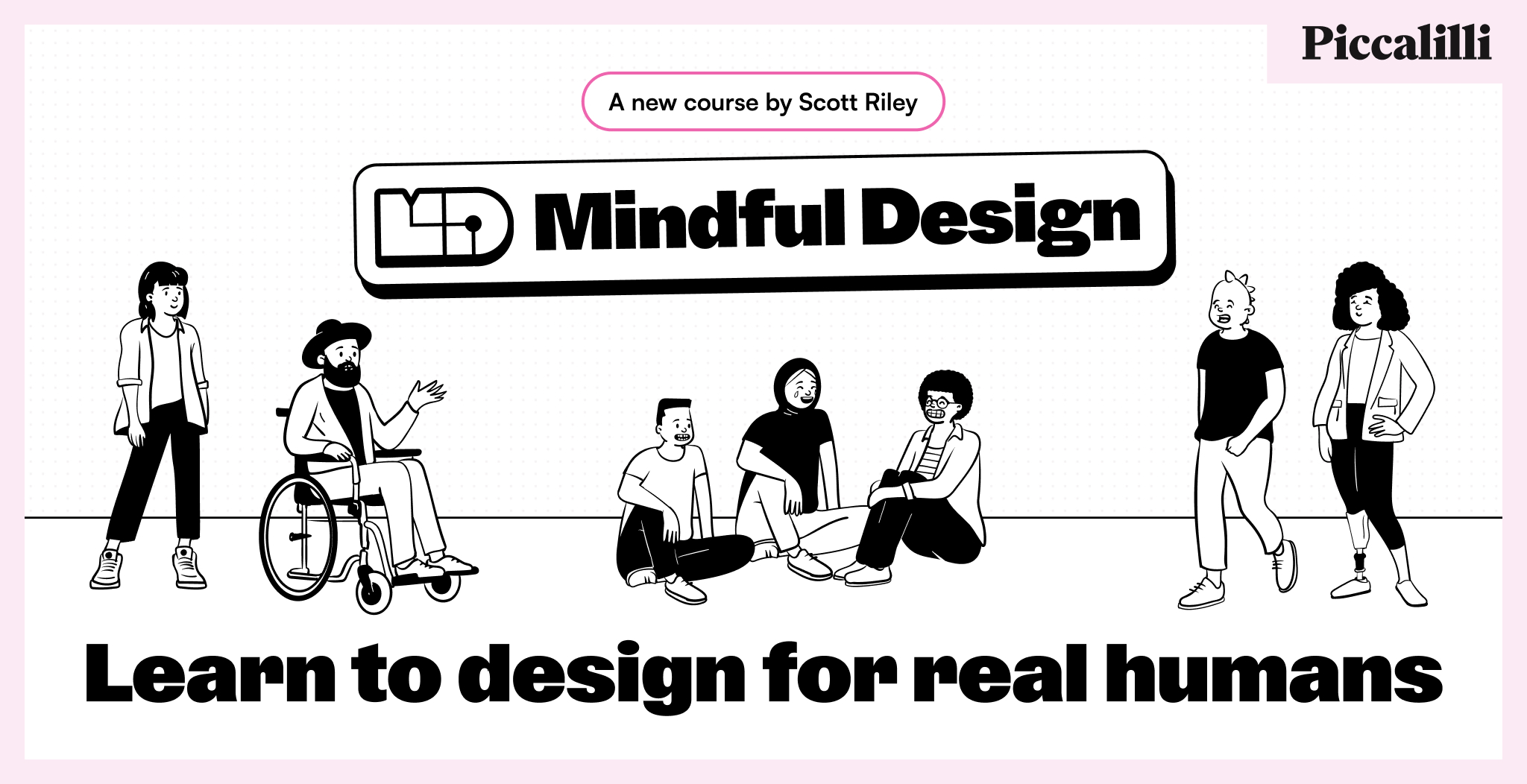
Mindful Design
A high quality, expansive video course that will elevate your design skills to a level you never thought was achievable.
Gestalte die Zukunft durch Innovation und Design Thinking | HPI d-school
Entwickle innovative Produkte und Services an der Schnittstelle von Mensch und Technologie und gestalte die digitale Transformation. Komme zur HPI d-school!
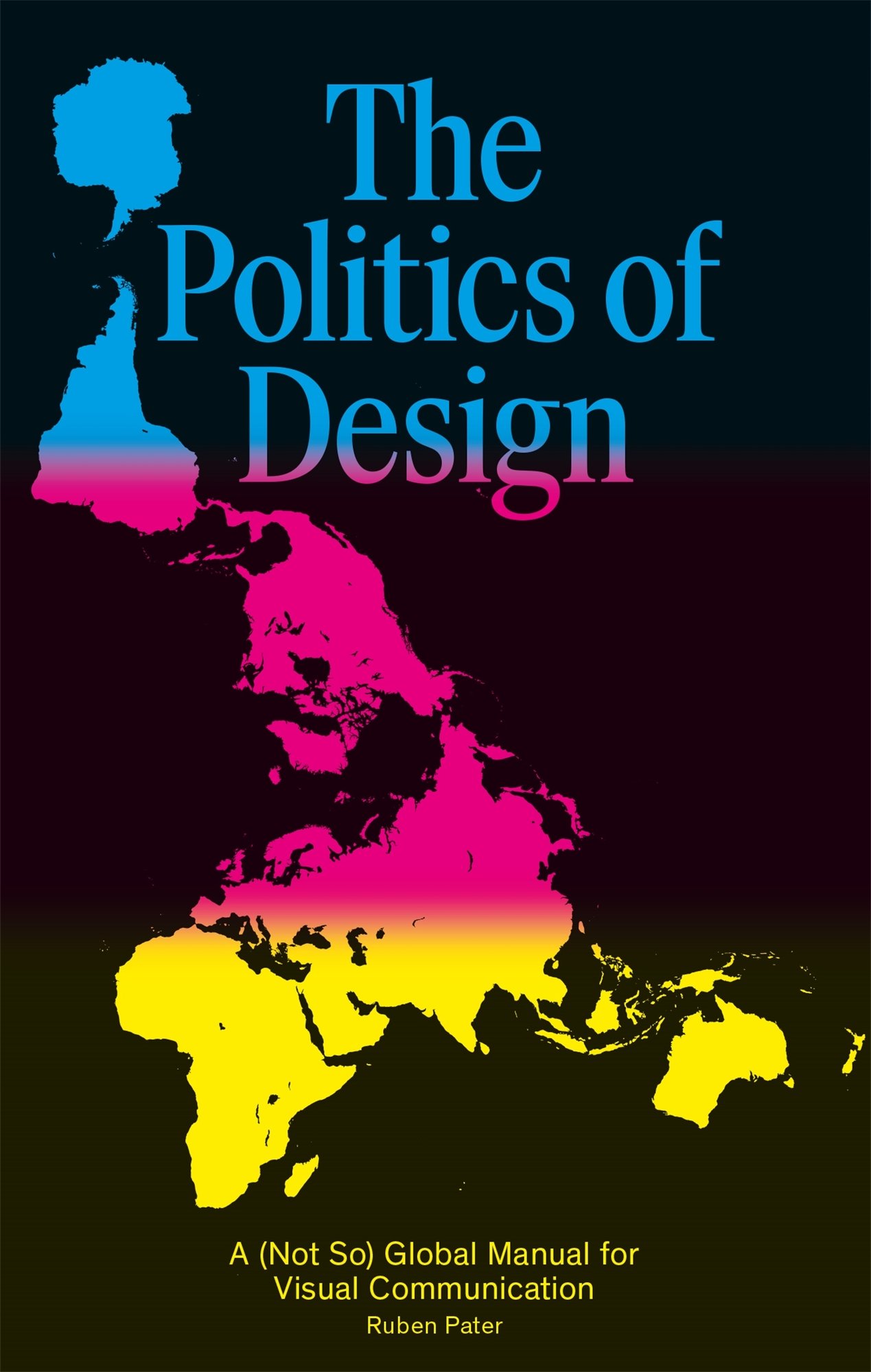
The Politics of Design: A (Not So) Global Design Manual for Visual Communication
A (Not So) Global Design Manual for Visual Communication