

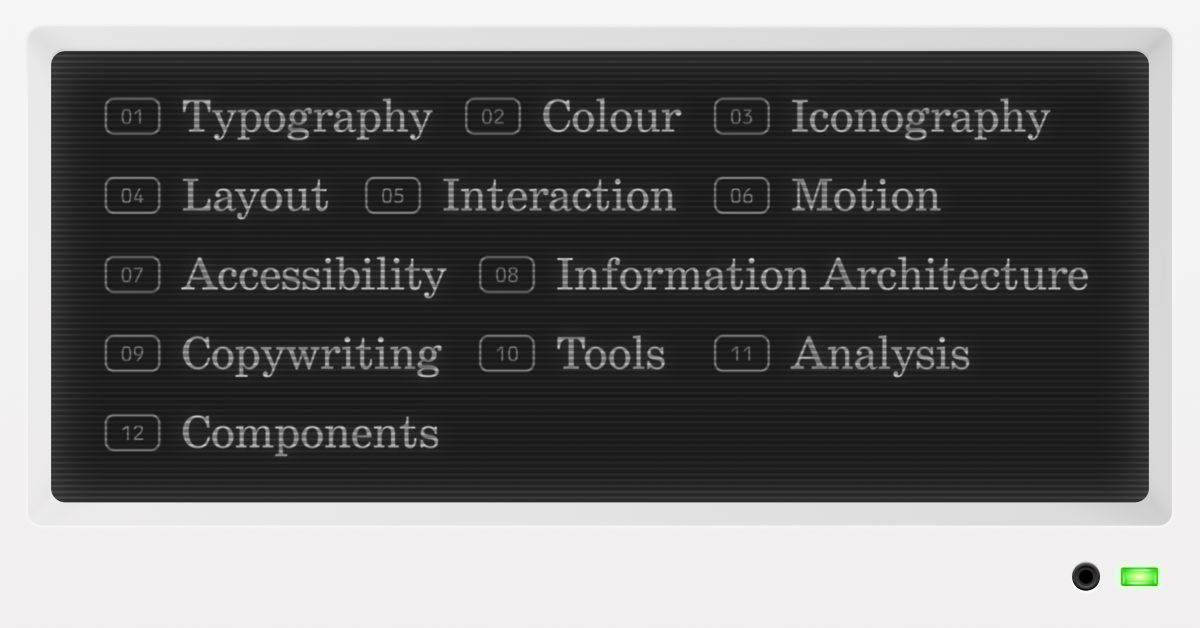
The words designers use when they know what they’re looking at.
Built by Designers: No Explanation Needed
Designers now turn ideas into working products. Explore a curated collection of apps, tools, websites, and experiments designed, built, and shipped by designers.
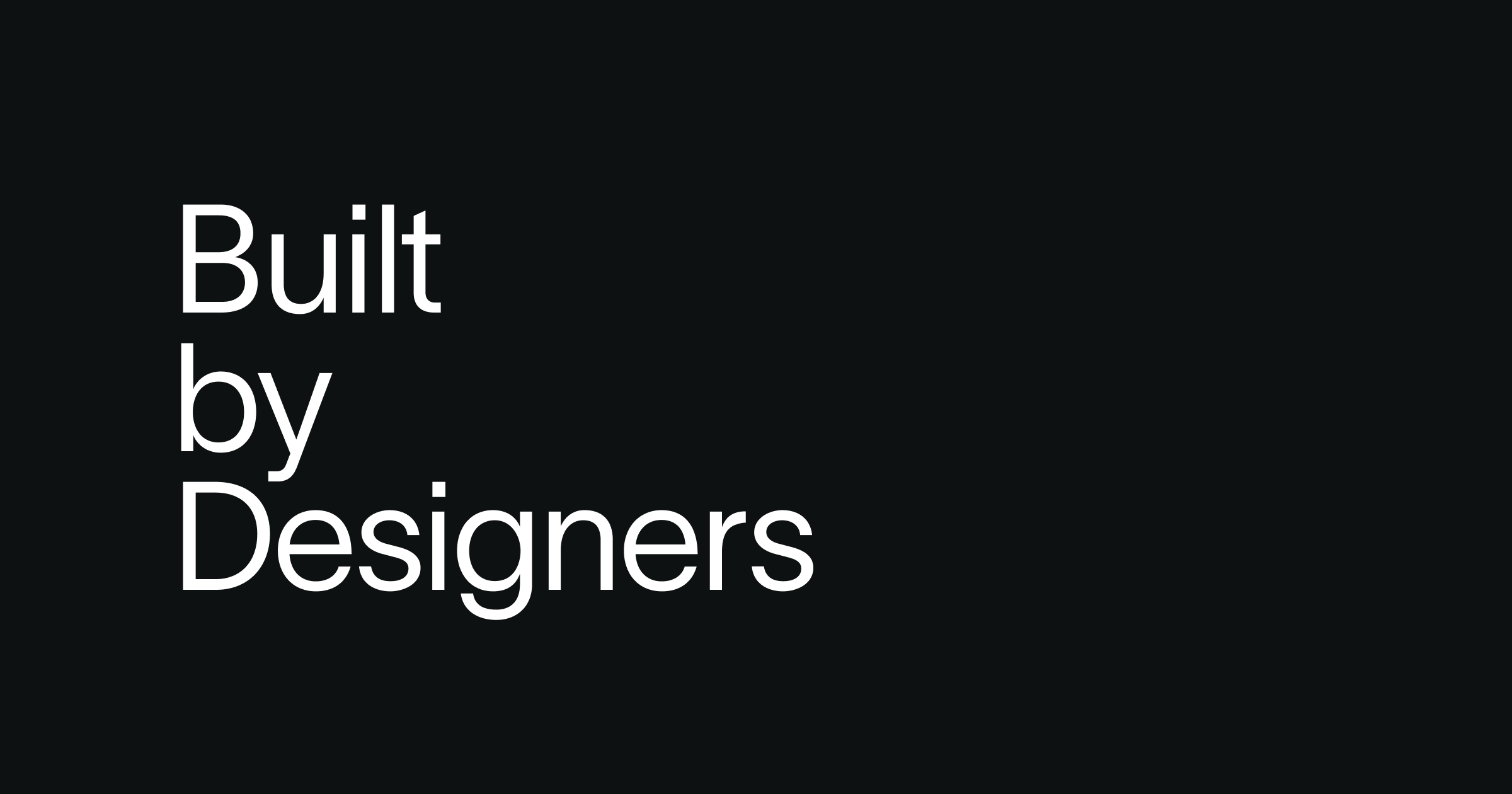
The Ontology Layer of Design
Why words are the most important design tool in the AI era
aesthetics
Aesthetics is relevant to many aspects of computing. Here, we are mostly concerned of the superficial visual appearances and their technological bases.
Design Spells · Design details that feel like magic
Discover micro-interactions, easter eggs, and other seemingly extra design details that infuse life, personality, and fun back into the web.
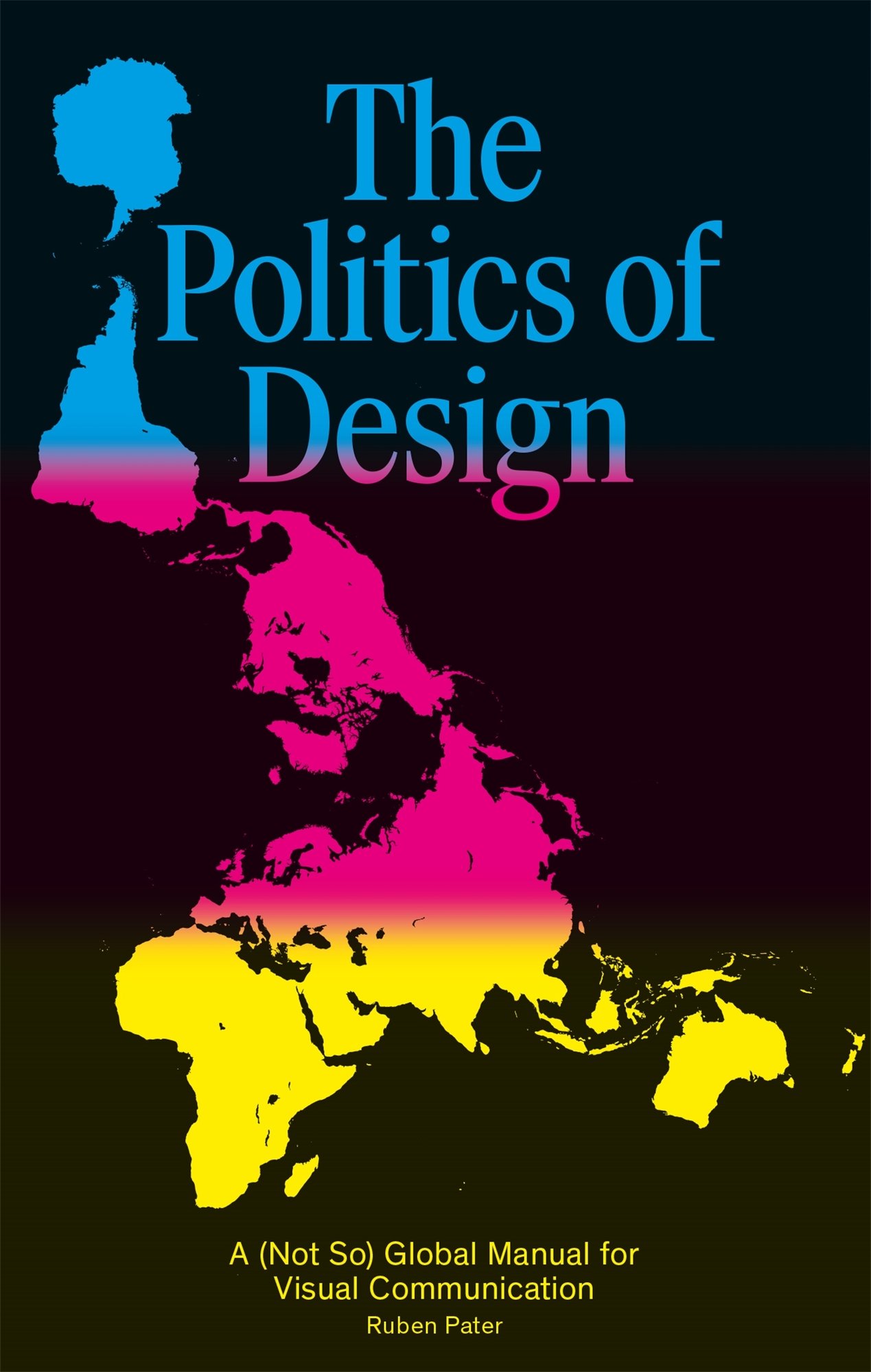
The Politics of Design: A (Not So) Global Design Manual for Visual Communication
A (Not So) Global Design Manual for Visual Communication
Designer Desktops
Modern, inspirational quote desktop wallpapers and iPhone/iPad backgrounds made by graphic designers.
Output isn’t design - Linear
Design keeps being misunderstood in our industry. New tools keep promising to generate interfaces faster, move words to product instantly, or collapse design directly into code. The assumption behind them is clear: that design is the act of producing.
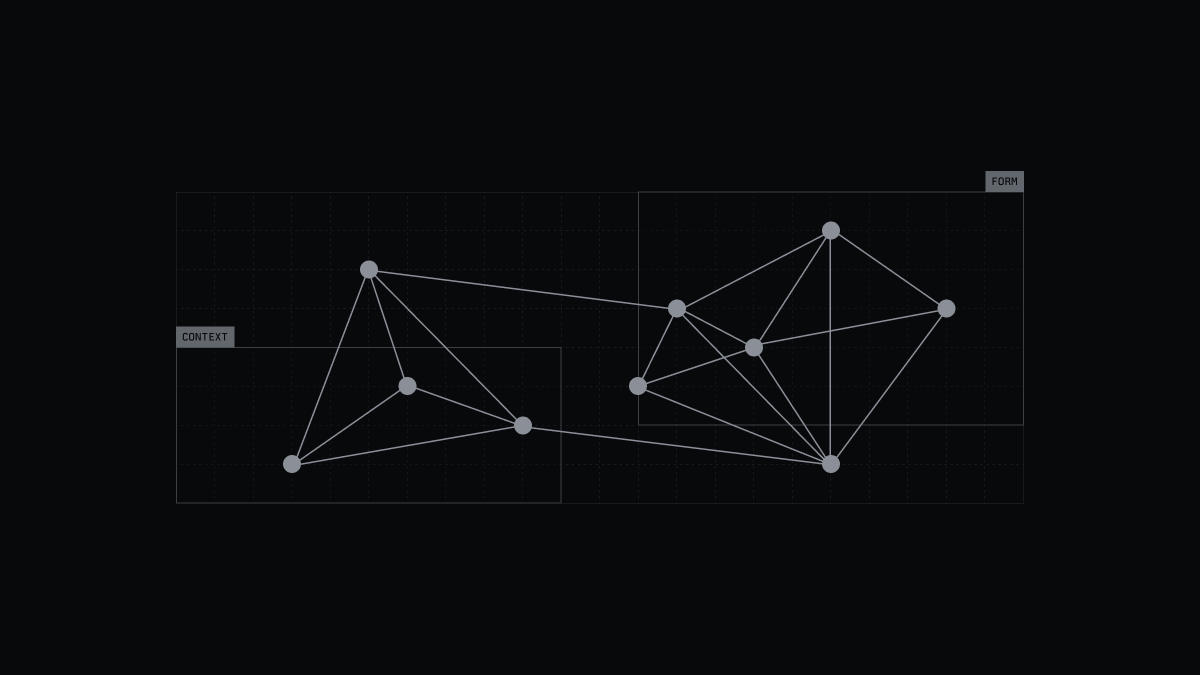
On Design Thinking | Maggie Gram
By embracing “design thinking,” we attribute to design a kind of superior epistemology: a way of knowing, of “solving,” that is better than the old and local and blue-collar and municipal and unionized and customary ways. We bring in “design thinkers” — some of them designers by trade, many of them members of adjacent knowledge fields — to “empathize” with Kaiser hospital nurses, Gainesville city workers, church leaders, young mothers, and guerrilla fighters the world over.

The open source community that embraces designers most, wins.
That’s my theory. Here’s my reasoning:

Alex Russell | Web Components and Model Driven Views | Fronteers 2011
There's a lot of tension between today's markup and the semantics we're trying to express in our apps. HTML5 adds a few new types to help describe common cases, but what about when there's no allegory in markup for what you're building? What we need now is infrastructure, not guilt about being "non-semantic". This talk explores new standards-track work in WebKit that's going to enable say-what-you-mean development in completely new ways.

