

The Case for a Public Social Media Platform - JSTOR Daily
Artist and writer Joshua Citarella explores why corporate platforms corrode democracy—and what a postal-service-style digital commons could do differently.
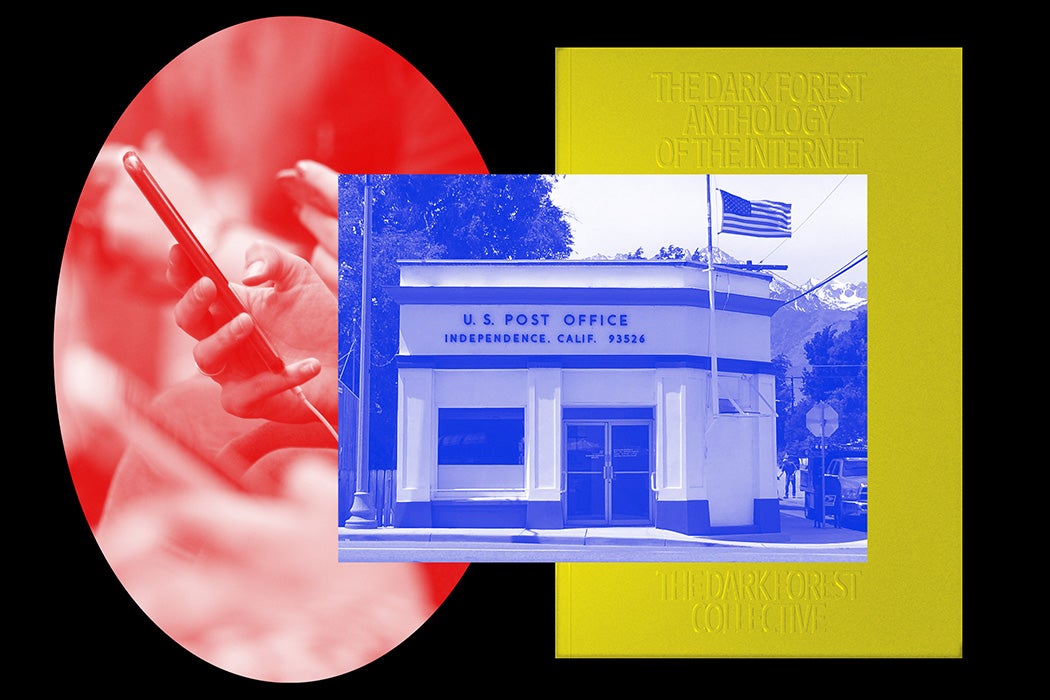

Building A Prosocial Media Ecosystem | NOEMA
There’s never been a better time to make social media what it always should have been: a tool to strengthen rather than strip-mine the social fabric.

Social Media Is Now Parasocial Media
When practitioners used the term “social media” to describe the internet tools that emerged in the mid-aughts, they were giving a name to the kinds of platforms and protocols that allowed people to socialize with friends and communities of interest by using digital technologies. Twenty years later, users of social media are far more likely to scroll than post – and the content that they consume is often strategically produced and algorithmically curated. In this essay, I argue that the very essence of social media has changed. To more effectively interrogate what we are witnessing, we need to stop presuming that these tools are “social media” and begin recognizing that they are now “parasocial media.” Doing so raises new questions about digitally mediated sociality, not to mention the politics and governance of these platforms.

Directing the Herd
Social media platforms don’t produce a common public; they produce competing sub-publics, each with its own sense of what everyone knows.
RIP social media. What comes next is messy.
As social media splinters, how can we keep the new online spaces from devolving into toxic pits of despair?

Reclaiming Social Spaces: Are Open Source Platforms a Path for More Human Connection?
What if social media platforms were built to serve their communities, not billionaires? Join us with the founders of Blacksky as we explore the potential of open source social media.
The politics of ‘platforms’
Online content providers such as YouTube are carefully positioning themselves to users, clients, advertisers and policymakers, making strategic claims for what they do and do not do, and how their place in the information landscape should be understood. One term in particular, ‘platform’, reveals the contours of this discursive work. The term has been deployed in both their populist appeals and their marketing pitches, sometimes as technical ‘platforms’, sometimes as ‘platforms’ from which to speak, sometimes as ‘platforms’ of opportunity. Whatever tensions exist in serving all of these constituencies are carefully elided. The term also fits their efforts to shape information policy, where they seek protection for facilitating user expression, yet also seek limited liability for what those users say. As these providers become the curators of public discourse, we must examine the roles they aim to play, and the terms by which they hope to be judged.
It's obvious why we hate social media
We need better internet platforms. We're already building them.

Shifts in U.S. Social Media Use, 2020–2024: Decline, Fragmentation, and Enduring Polarization
The social media ecosystem appears to be in flux. Twitter’s rebranding to X has come to symbolize a broader reorganization of online publics – political reshuffling, user attrition, and uncertainty over the role of legacy platforms. Simultaneously, the shift from text-based, networked feeds toward algorithmically curated, short-form video has accelerated, with TikTok setting the pace for the wider ecosystem [18, 14, 16]. At the same time, everyday communication increasingly migrates from large, open networks to semi-private spaces such as group chats and messaging apps. Commentators describe a digital public sphere in transition: smaller, more fragmented, less dominated by traditional social networking sites, and rise of more broadcast-oriented forms of media – with some even suggesting that we are seeing the beginning of the end of the social media era.
Home | Unplatform
The definitive guide for escaping social media (and joining the indie web.)
Our Social Media is Broken. Is Decentralization the Fix? | Internet Archive Blogs
When Jack Dorsey, founder of the very centralized social media platform, Twitter, posted this message about decentralized social media, our DWeb community took note:
Nobody cares about decentralization until they do
A recurring line in discussion of federated, decentralized social media is that no one cares about it. They just want their Twitter without the Nazis. Which is okay. But how it looks on the backend matters. When the illusion of a unified user experience breaks, how accessible the escape pod
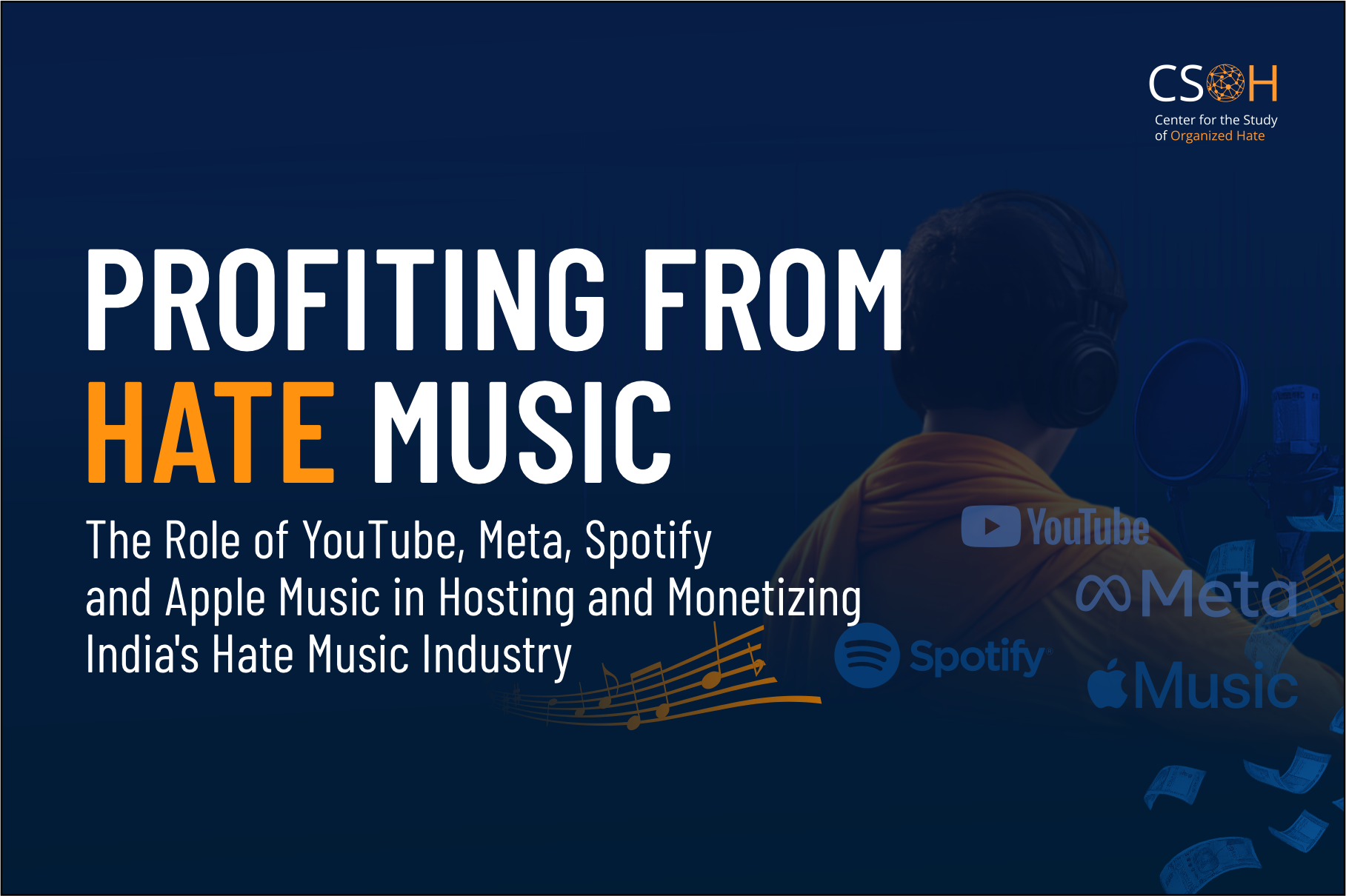
Profiting from Hate Music
This report maps how the world's largest digital platforms and music streaming services host, amplify, monetize, and profit from a growing genre of Indian music that dehumanizes Muslims and Christians and incites violence against them.
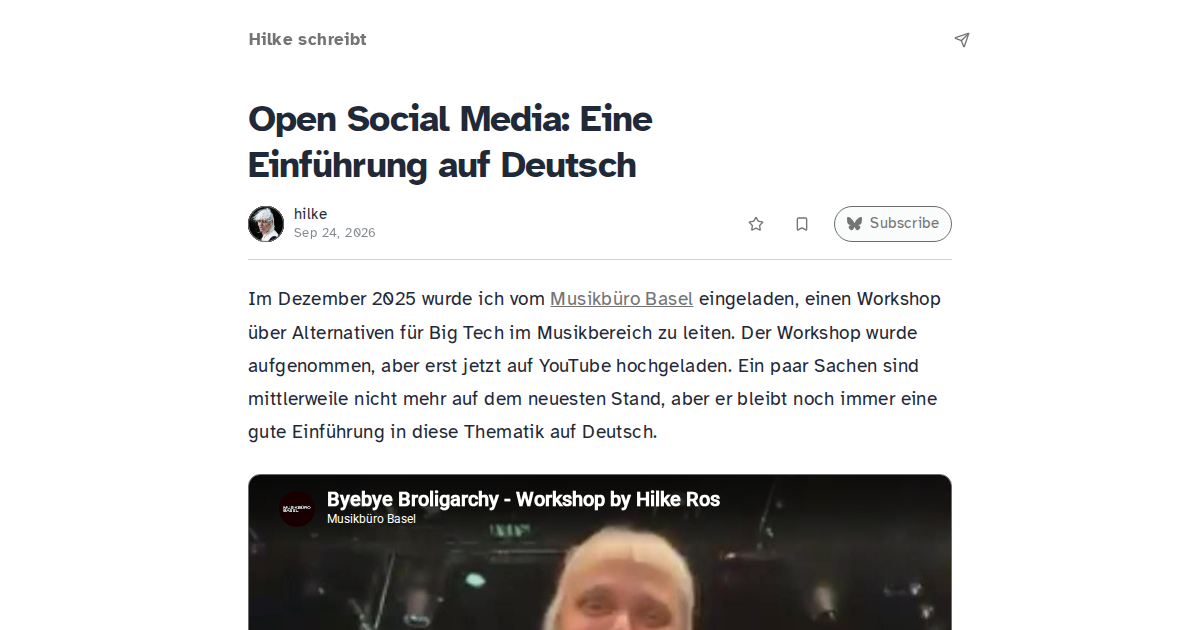
Open Social Media: Eine Einführung auf Deutsch - Hilke schreibt
Im Dezember 2025 wurde ich vom Musikbüro Basel eingeladen, einen Workshop über Alternativen für Big Tech im Musikbereich zu leiten. Der Workshop wurde aufgenomm...
How to do music streaming right in the Atmosphere? This weekend I propose a lexicon that brings the music industry and atproto builders together: artists and labels can upload music with all the metadata needed for the whole monetization chain hilkeu.leaflet.pub/3mhzj3ouxx22k @atprotocol.dev

Announcing indiemusi.ch alpha: the groundwork for music streaming on atproto - hilke thinks
hilkeu.leaflet.pubThe current state of social media leaves us with a lot of questions. How can we stay united as music players amidst of platform monopolies?
