Three chords and a domain name. A manifesto for the DIY web.

The IndieWeb Doesn't Need to 'Take Off' - Susam Pal
There's a corner of the Internet where people have been reclaiming their digital independence by hosting their own websites and promoting the idea of owning your own content. It's called the IndieWeb. The community has its own website, IRC channels, social media presence, etc. as well
The IndieWeb Movement: Owning Your Data and Being the Change You Want to See in the Web · Jamie Tanna | Software Engineer
A look at what the IndieWeb is, why you should care, and how to get started with it.

[uZine 2] The Indie Web Manifesto
Manifest des unabhängigen Web Manifèste del Web independent Det Frie Web Manifest Manifesto del Web independiente Manifesto del Web indipendente Manifesto da Web independente Manifeste du Web indépendant
Weird netizens — Open Indie
It's been a year since I wrote about Weird web pages as a prospective catalyst for the reclamation of my digital identity. There's been s...

You Should Check Out the Indie Web
Weird web pages — Open Indie
The Great Untangling: Part 3 – Materializing the web from first principles. Right now I use GitHub as my go-to profile page: github.com/...

Home - DWeb for Creators - Gray Area
DWeb for Creators is an online course that empowers artists, designers, archivists, gallerists, curators, and others with the knowledge and tools necessary for exploring the decentralized web. Participants in this course engage with technologies like blockchain and mesh networks; examine case studies in curation, publishing, data sovereignty, and community building; and apply decolonial approaches to world building as they envision the future of DWeb technologies.
A more social IndieWeb | Dominik Hofer
My entry for the IndieWeb Carnival of December 2025 about the IndieWeb in 2030.
Which Part of the Indie Web Ethos is the Bigger Priority?
Although normally spoken about as a cohesive whole, different aspects of the indie web ethos can wind up in tension with each other, which raises the question of which one ultimately takes priority. On the one hand, we have the general interest in onboarding, i.e. helping more people onto the indie web; on the other hand, the issue of onboarding can place some strain on other commonly touted ideals. At the end of the day, which form of independence matters most? And what does the answer entail for our understanding of who the indie web is “for”?

Stacktracer's Dev Shrine
Surfing the IndieWeb is fun! Like many people my age (old millenial here, to be specific), I miss the Internet of the 90's and early 2000's. Until a couple of years age I thought it was gone for good. Luckily, I was wrong. The small web is all about non-corporate homepages and websites made by individuals. I won't go into details on why this is cool. For now, let me just point you in the right direction so you can see for yourself.
Website Builder for Indie Game Developers
ManaKeep makes it easy to create a great website for your indie game

Good, Standard Work: Creating the Commons
A defence of digital stewardship, IndieWeb principles, Blackfoot models of collective flourishing, and what it means to plant seeds in a garden you'll neve…
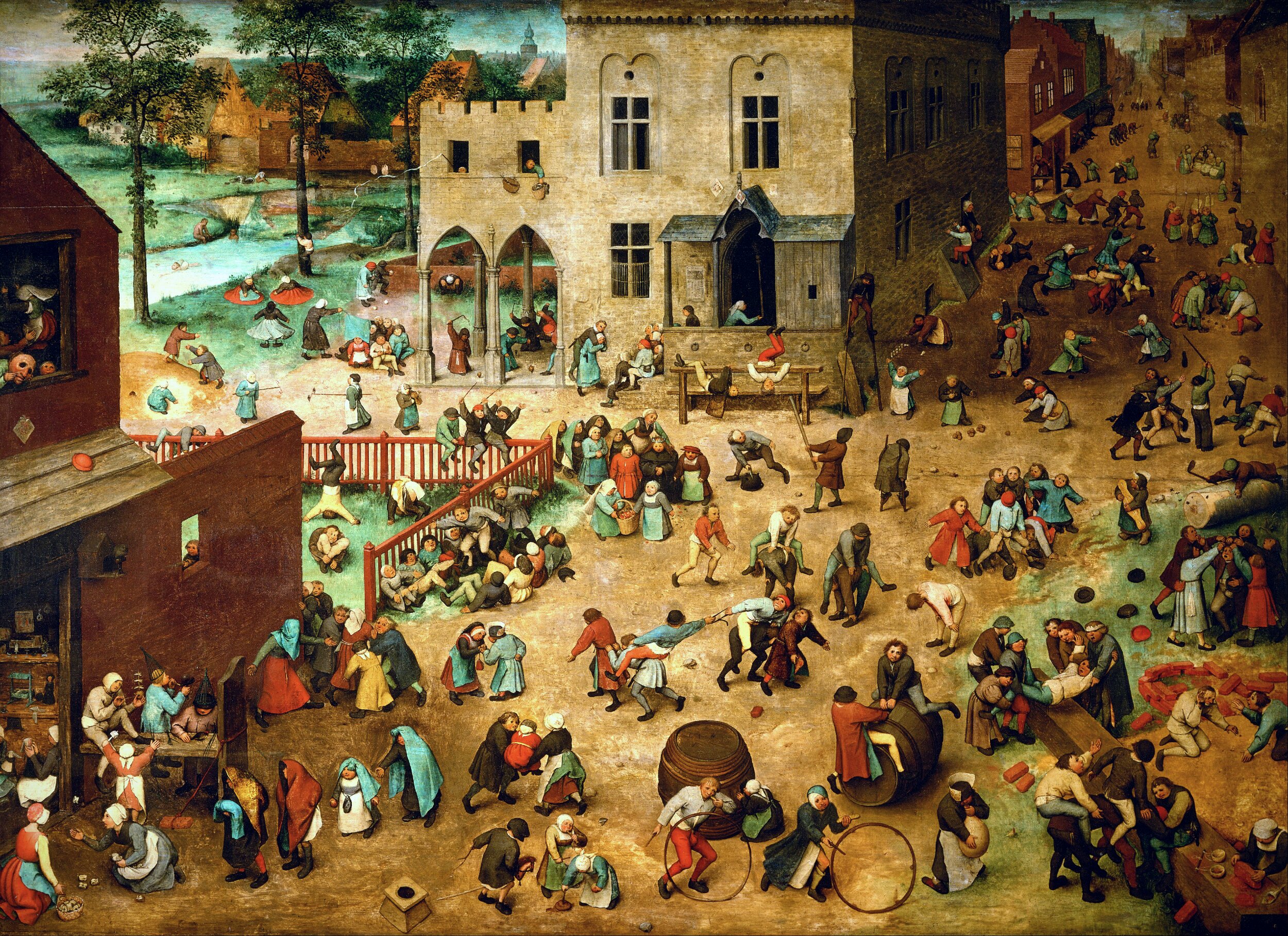
Five Interesting Indie Platforms You Might Not Have Heard Of
After deleting my corporate social media accounts, I've discovered five interesting indie platforms and online communities you might not have heard of: Special Fish, Ctrl + Shift + 3, web1.0 Hosting, Pillowfort, and Blue Dwarf. A look at what makes each unique, from brutalist design to old-device accessibility, and a call to support the independent web financially.