

A response to a bad article, a bad book, and a bad publication

Unenlightened thinking: Steven Pinker’s embarrassing new book is a feeble sermon for rattled liberals
To think of this book as any kind of scholarly exercise is a category mistake. The purpose of Pinker’s laborious work is to reassure liberals that they are on “the right side of history”.

How books can sap the soul and poison readers with ideas | Aeon Essays
What’s more wholesome than reading? Yet books wield a dangerous power: the best erode self, infecting readers with ideas
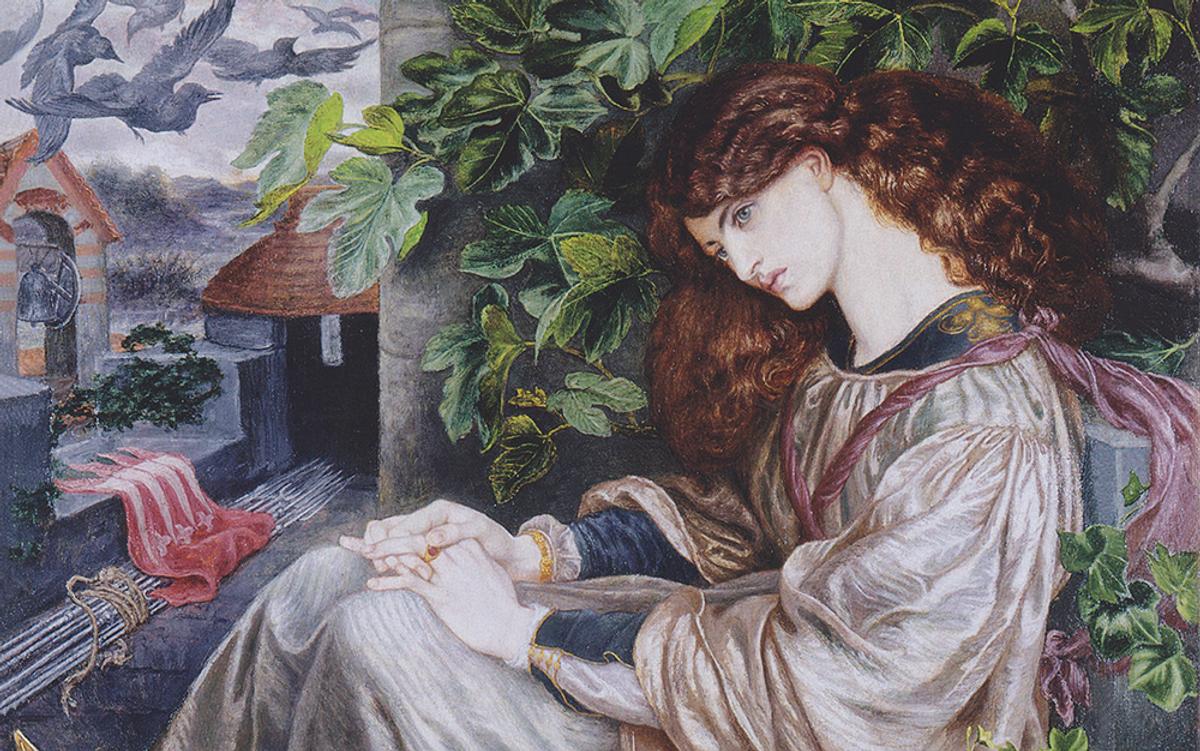
The Left Case for Great Books | The Point Magazine
A great-books model at the undergraduate level is, in fact, so consonant with Freire’s radical critique that it represents a far better path forward for a left-wing vision of education than virtually anything else currently on offer in the United States.
The Worst Magazine In America
The Atlantic poses as a magazine of ideas, but its writers get away with terrible arguments. Its ascendance is a sign of the dire state of American intellectual life.

The Alt-Right Playbook: Why Don't You Respond to Criticism?
How a flawed idea is teaching millions of kids to be poor readers
For decades, schools have taught children the strategies of struggling readers, using a theory about reading that cognitive scientists have repeatedly debunked. And many teachers and parents don't know there's anything wrong with it.

Eliezer Yudkowsky Is Frequently, Confidently, Egregiously Wrong
It is bad when people who are consistently egregiously wrong become deferred to on everything
America’s Right-Wing Propaganda Problem Might Be Terminal - Dame Magazine
America’s descent into mass delusion isn’t happenstance. The demise of courageous journalism isn’t a happy accident. Its replacement with engagement-chasing infotainment and propaganda isn’t an error. It’s a global assault on reason and informed consensus, and corporations and authoritarian bullies like Donald Trump are both architects and benefactors. For decades, academics warned anybody who’d listen
So maybe now we can agree that having an unchecked research integrity militia who unfortunately has the ear of the press and increasingly that of the the publishers, but who fiercely rejects any… | Ioana A. Cristea
So maybe now we can agree that having an unchecked research integrity militia who unfortunately has the ear of the press and increasingly that of the the publishers, but who fiercely rejects any minimal ethics or code of conduct, is a (growing) problem? Also, that 1. problems have to be investigated before deciding they are are legitimate and serious; 2. this investigation is not social media, blogs and the press; 3. this investigation should not be on the front page of journals and Retraction Watch; 4. there are degrees of seriousness and some things can just be corrected or are simply not very consequential (no, it's not a house of bricks where we have to check every brick, that's a dumb analogy), so being absolutely hysterical and overdramatic about any lie, inaccuracy or mistake is purposeful at worse and should be ignored at best and 5. it is not only unnecessary, but harmful, to also go into other, non-academic things the person did or does to complete "investigations" that you (press, sleuth, blogger, etc) do not have the tools and information to do completely and accurately (this fixation would be called harassment in the before times). Others will justly write about what the institutions did or did not do, but what I want to say is that we really should end it with the blank credit we give to any and all allegations that come from the establish research integrity truth fighters.

Alasdair MacIntyre’s Philosophy in Practice
It is a curious thing when an artist, thinker, or writer gains influence outside the audience he intends or is comfortable with. When a thinker associated with the right becomes popular on the left, or a novelist associated with the progressive left becomes popular among conservative readers, there can be a sort of strain felt between the audience in fact and the “true” audience, or between those who feel themselves to be the authentic recipients of a work’s message and meaning and those who, to the true believers, come across as opportunistic in their enjoyment of works in tension with their own views. The same is true when a writer working within an academic discipline gets picked up by those outside it: Those working within that discipline may find the co-opting of these thinkers misplaced at best or malicious at worst.

Humanists Have Done Nothing Wrong | Defector
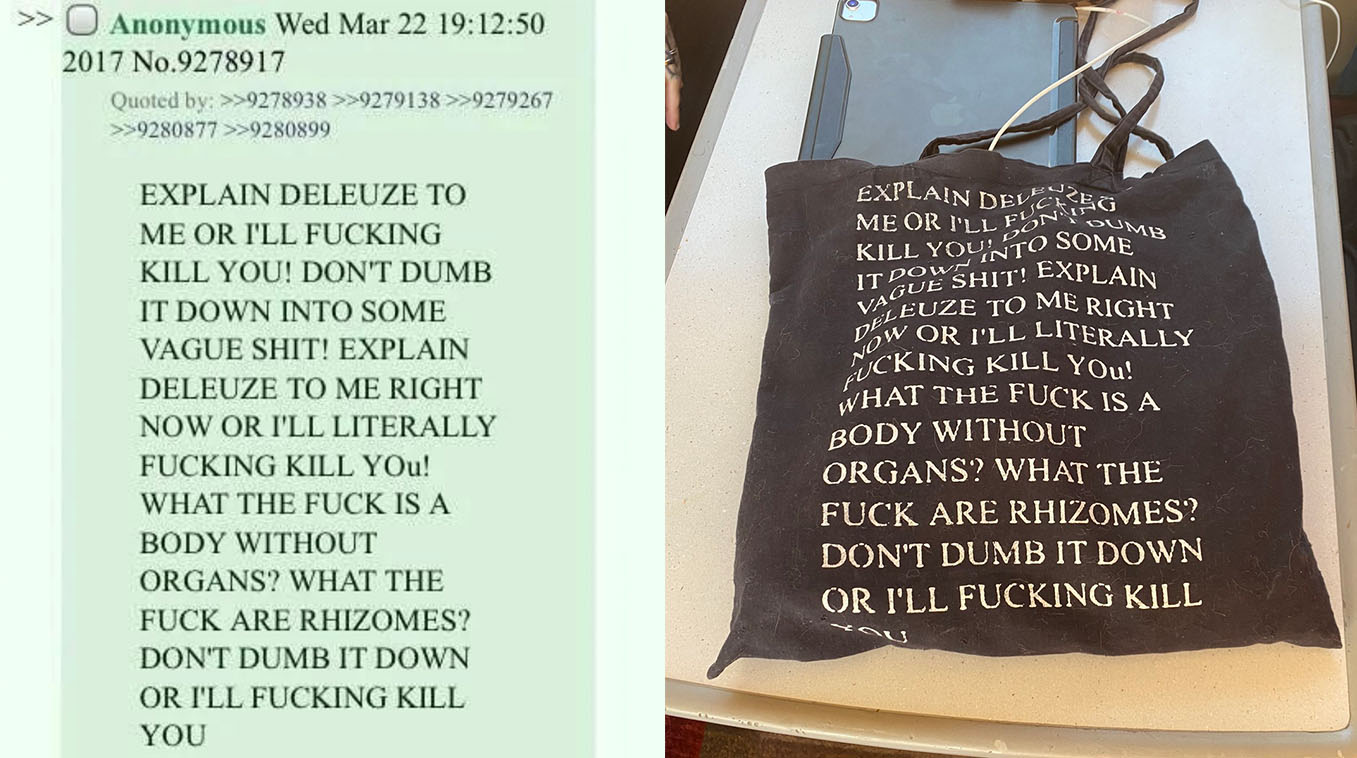
For many years, I’ve held a pet theory that cultural consumers can be grouped into two broad categories: Primary Source People and Secondary Source People. The former are the book lovers, cinephiles, archive perusers, and history buffs who grew to love their areas of study because of the specific objects that constitute the field: the…
Humanists Have Done Nothing Wrong | Defector
For many years, I’ve held a pet theory that cultural consumers can be grouped into two broad categories: Primary Source People and Secondary Source People. The former are the book lovers, cinephiles, archive perusers, and history buffs who grew to love their areas of study because of the specific objects that constitute the field: the…
Refusing to accept an AI-poisoned future of journalism
Humans, however flawed, are
The New York Times drops freelance journalist who used AI to write book review
Writer and author Alex Preston said he “made a serious mistake” after a reader spotted similarities between his review and one that appeared in the Guardian

Reading Wars
Read online or download for free Reading Wars explores heated, even murderous, political struggles over who gets to read and what they get to read. Those conflicts, once again in the news, stretch back centuries. In this book, Don Herzog examines the history and politics of anxieties about readers and reading, spanning both the United States and Britain, from the 1500s right up to contemporary battles over banning library books and freedom of speech. In these pages, Herzog deftly interweaves episodes from Reformation England, when first Catholics and then Protestants cracked down on unsupervised Bible-reading, with the deadly campaigns in pre-Civil War America to keep black people – both free and enslaved – illiterate. Drawing on a wealth of primary sources, he reconstructs arguments insisting that ordinary men and women could not be trusted to read what they liked – indeed, that some of them ought not read at all. And he charts struggles to promote literacy. Herzog argues that at stake in these battles is whether some people – those banned from reading – are perceived as not fully human, or lesser persons than others. The radical campaign to let more or less everyone read more or less everything is ultimately, therefore, a campaign for equality. Click here to read praise for Reading Wars "In characteristically engaging and straight-forward language Don Herzog explores the debates past and present, largely in Britain and America, about whether or not to suppress reading. By taking seriously the arguments for suppressing or restricting books and their readers, Herzog suggests that those arguments turn on the claim that for some people reading is dangerous. This assumption, Herzog compellingly argues, ignores the fact that literacy is largely a social activity. In Reading Wars, Herzog develops a powerful liberal argument for literacy and reading. An argument, Herzog shows, that has incompletely triumphed." — Steve Pincus, Thomas Donnelly Professor of History, University of Chicago "Knowledge is power - which is why efforts to acquire knowledge through reading have been outlawed, suppressed through violence, and remain targets today. Don Herzog's Reading Wars tells the astonishing history behind the wars on reading in a readable, clever style, underscoring the stakes of many of the current fights over censorship and book bans." — Leah Litman, cohost of the podcast Strict Scrutiny and New York Times bestselling author of Lawless "A rich yet accessible introduction to the many ways in which society has attempted to restrict reading materials throughout British and United States history. Equal parts illuminating and horrifying, it lays the groundwork for the 21st century’s own shameful dabbles with censorship through its careful consideration of the key concerns and prejudices that structure each generation’s literacy battles." — Alison Hicks, Associate Professor in Library and Information Studies, UCL "Political theory, historical sense, worrisome texts, unheralded documents, and great storytelling join forces in Herzog’s virtuoso investigation of the brutal fighting over who gets to learn to read (and what) in early and late modern America and Britain. The bloodshed may have lessened, but we are still fighting, and Herzog shows the deeper stakes involved in reading’s relation to equality and personhood." — Mary G Dietz, John Evans Professor Emerita of Political Theory, Northwestern University , Reading Wars explores heated, even murderous, political struggles over who gets to read and what they get to read. Don Herzog examines the history and politics of anxieties about readers and reading, spanning the United States and Britain, from the 1500s right up to contemporary battles over banning library books and freedom of speech.
