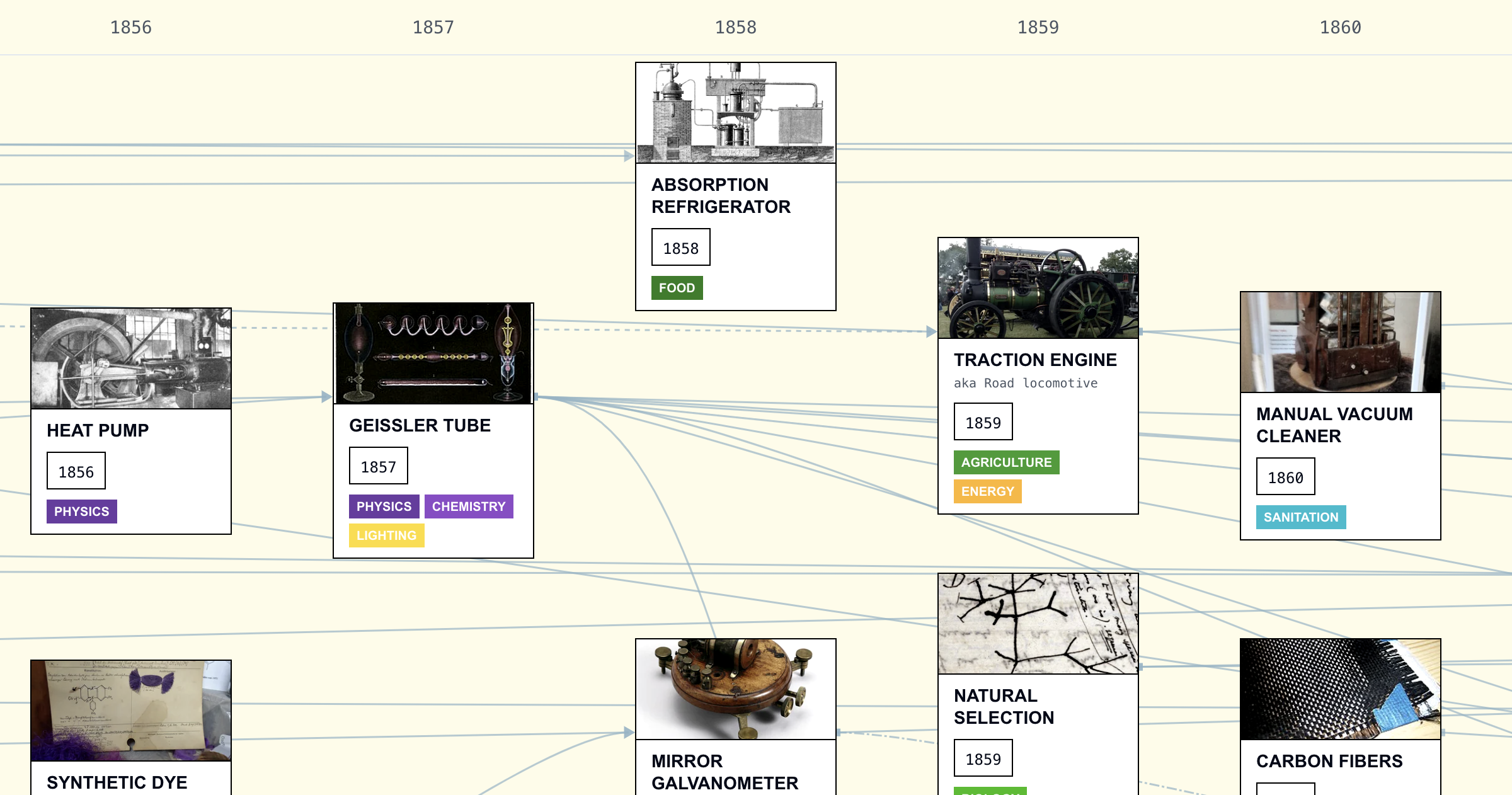
A Civilization-inspired tech tree but for the real life history of science and discovery. Inventions and discoveries presented in illustrated Magic-style cards.
Invention Cards 3.0: Stories
Last month, after a long hiatus, I showed invention.cards to a friend in SF and came away unsatisfied. Indeed, the work was not yet done . Three things drove this revision: It felt incomplete. The experience was built around T-shaped navigation, focusing on a specific card and showing only their ancestors and descendants. It was hard to see where you were in time, hard to feel the shape of history, and ultimately was far removed from the way a tech tree should feel . The connections matter more than the nodes. What's most interesting to me was not
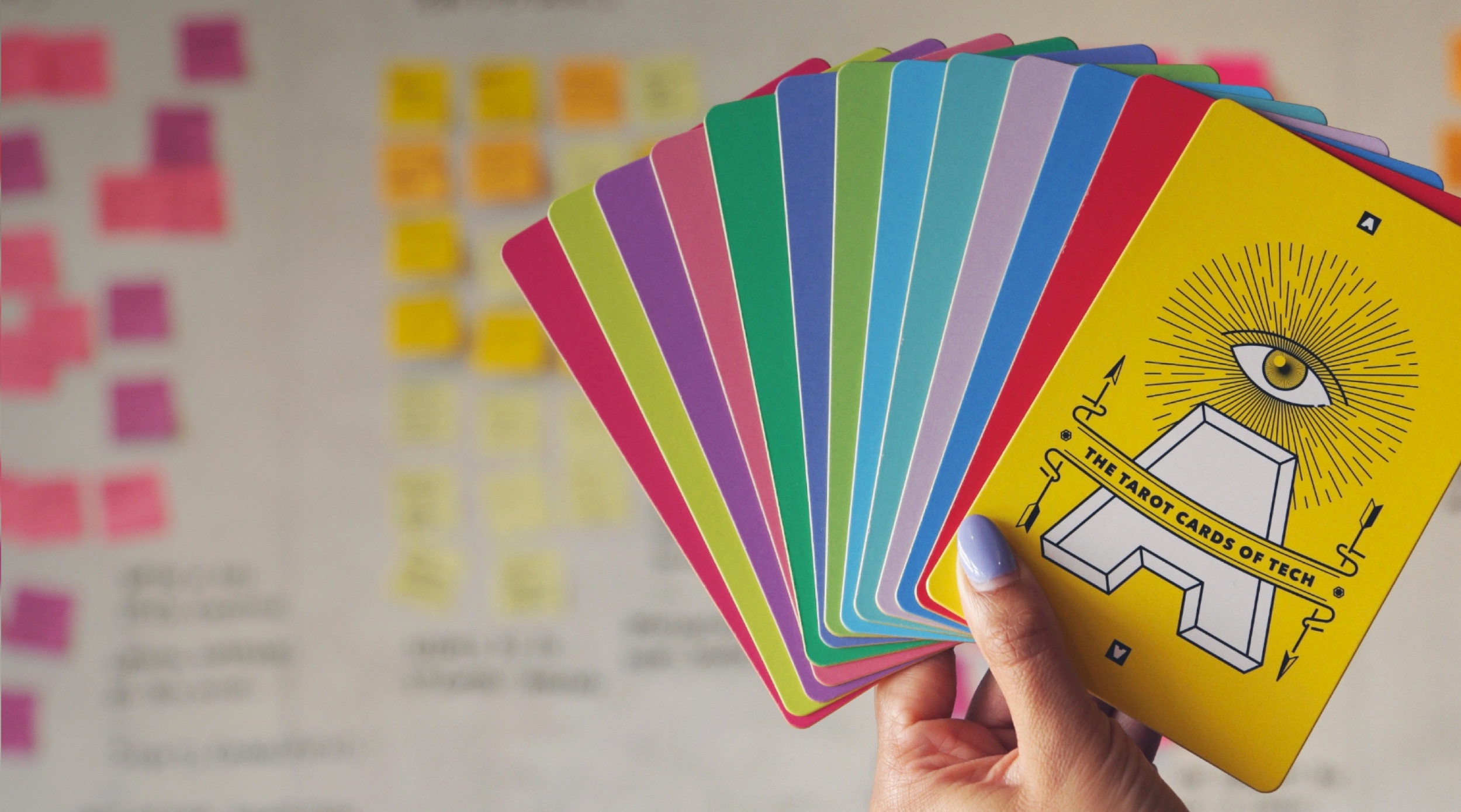
The Tarot Cards of Tech | The power of predicting impact | Artefact
The Tarot Cards of Tech are a creative tool to help designers and technologists think about the outcomes of their products and services.
A People’s History of Tech
A collective storytelling project to build a more representative history that reflects the human impacts of technology.

The Crooked Timber of AI
The philosophical perils of conflating discoveries and inventions, and how to overcome them

The Nature of Technology: What It Is and How It Evolves
Leading scientific theorist W. Brian Arthur puts forth …

Reinventing Discovery: The New Era of Networked Science
In Reinventing Discovery, Michael Nielsen argues that w…

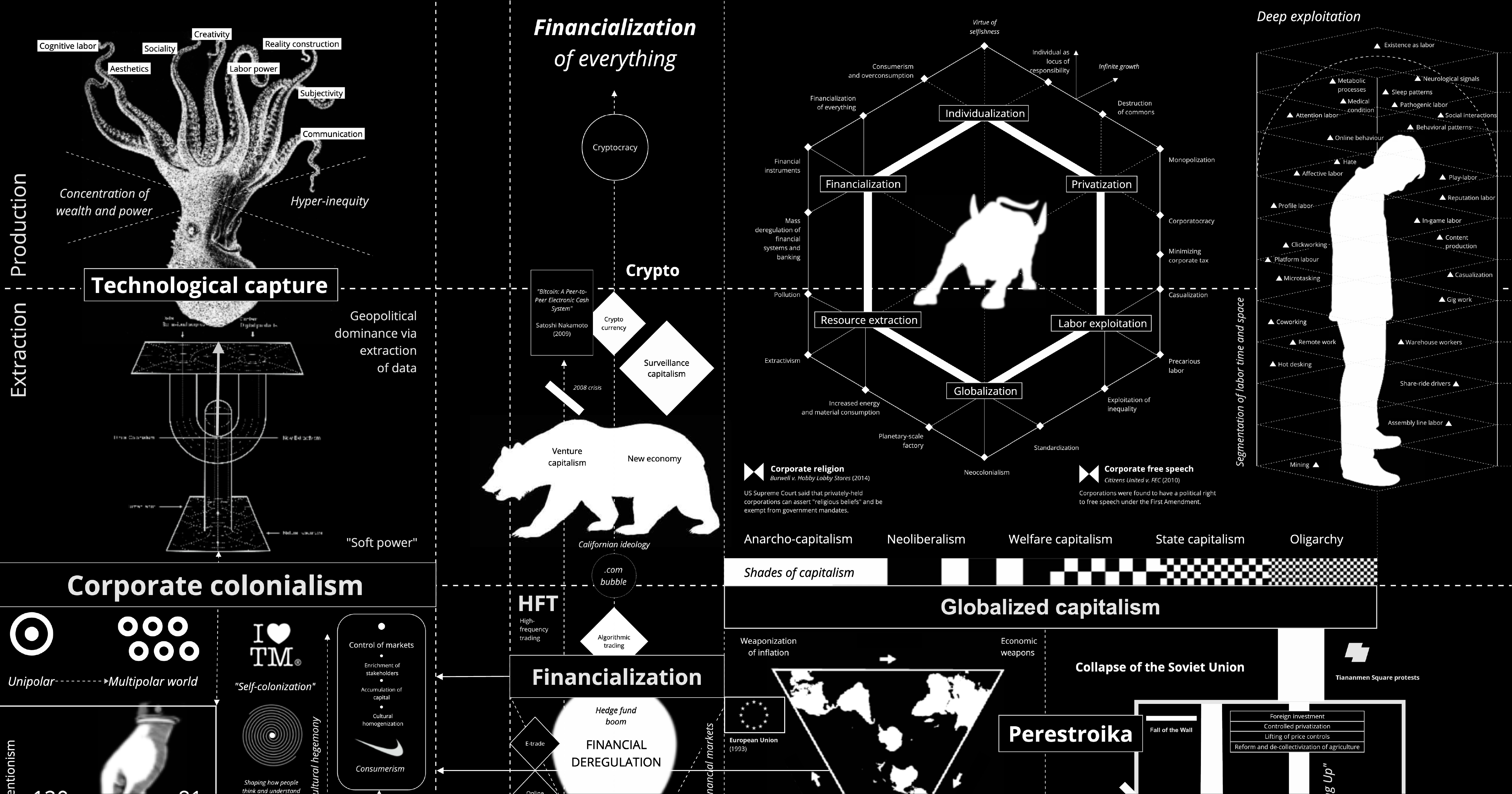
Calculating Empires: A Genealogy of Technology and Power since 1500
Explore how technical and social structures co-evolved over five centuries in this large-scale research visualization.
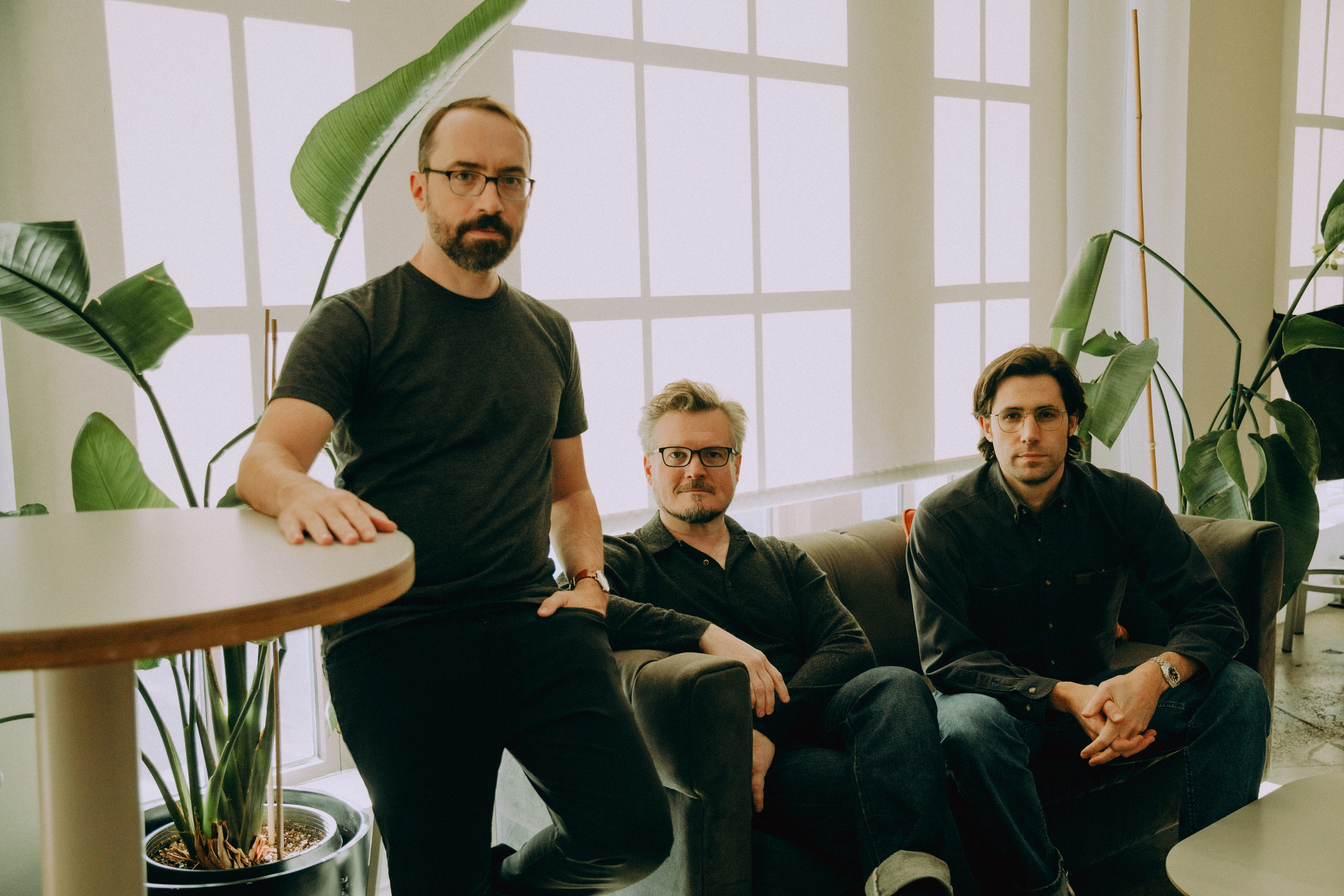
Telepath: building a new kind of computer
So, we made a thing: Let’s back up: for as long as I can remember, I’ve been obsessed with computers, fascinated not just by what they can do but what they could become. Like many, I took my early inspiration from science fiction. I dreamed of someday having something like the Enterprise’s computer. And why not? Science fiction has always driven scientists, engineers, and inventors to create real things that change the world.
Emergence: A unifying theme for 21st century science
By David Pines, Co-Founder in Residence, Santa Fe Institute

Library · disnetdev
Cards and collections from my Semble library — things saved for later, sorted into shelves.
About — Every Object an Archive
We interview people about their experiences with technological objects that were once everywhere, but are now being replaced or redesigned. We are interested in the physical experience of living with these objects, their handfeel and relationships to our bodies. We are also interested in how they shaped our habits, relationships, and ways of being. Technologies are more than physical objects: whole worlds of infrastructure, process, policy and culture are built around them.

The Periodic Table of Cognition
I’ve been studying the early history of electricity’s discovery as a map for our current discovery of artificial intelligence. The smartest people alive back then, including Isaac Newton, who may have been the smartest person who ever lived, had confident … Continue reading →

Ursula's list
Ursula Franklin is one of my all-time favorite thinkers about both the obvious and obscured parts of our technological world.