the greatest minds of our generation are wasting time making video essays about sydney sweeneys jeans, liberal influencers are taking dark money, Philosophy YouTube is crumbling & im really stressed
Video Essays | The Paper Pilot
The Paper Pilot's digital garden of thoughts on philosophy, politics, and sociology
the chronically online will become a new underclass
Kill the Internet | The Paper Pilot
The Paper Pilot's digital garden of thoughts on philosophy, politics, and sociology
The Malaise Of Peak Wokeism Within Online Culture
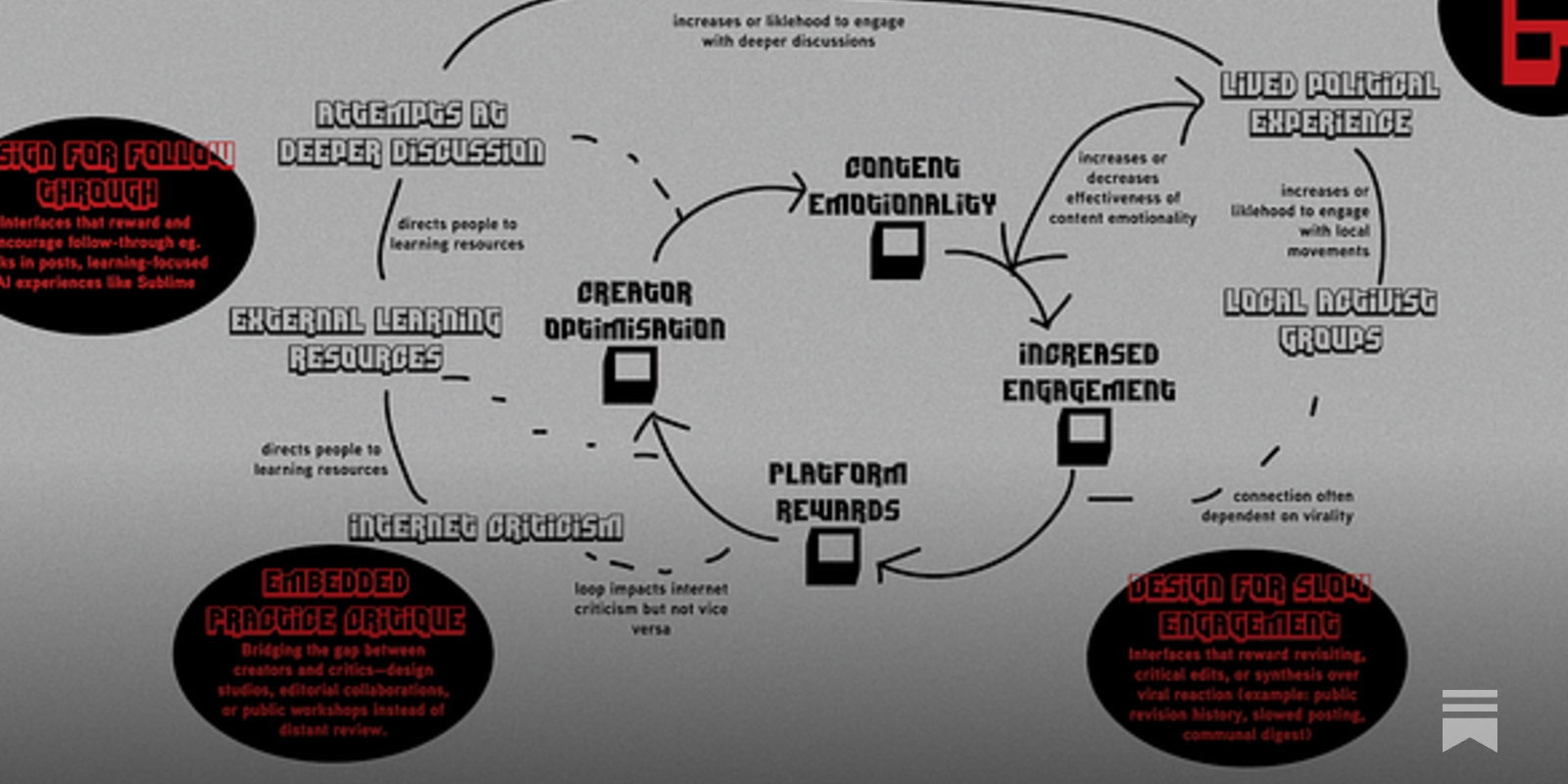
How have certain forms of education and new technology formed the template to woke culture today? This piece examines the link between social media and new technology to the outwoking of the wokest through a veritable closing of the mind.

Beyond "The Crisis in Civics" - Notes from my 2013 DML talk - Ethan Zuckerman
Two weeks ago, I gave the opening keynote at the Digital Media and Learning conference in Chicago. The conference, which explores how digital media is and could be changing education and learning, focused on the theme of “Democratic Futures: Mobilizing Voices and Remixing Youth Participation“. In the spirit of the theme, my talk examined how… Read More »Beyond “The Crisis in Civics” – Notes from my 2013 DML talk

Education | The Paper Pilot
The Paper Pilot's digital garden of thoughts on philosophy, politics, and sociology
How Debate Got Stupid
Please Let the Internet Die
Online spaces are captured by oligarchs and saturated with slop—and they’re exacerbating humanity’s worst impulses. It’s time to start over.

Fast Capitalism | Mavs Open Press Open Access Journals | University of Texas at Arlington
Fast Capitalism is an academic journal aimed at describing the current moment of capitalism. We publish peer reviewed scholarship and essays about the impact of rapid information and communication technologies on self, society and culture in the 21st century. Our authors examine how heretofore distinct social institutions, such as work and family, education and entertainment, have blurred to the point of near identity in an accelerated, post-Fordist stage of capitalism. This makes it difficult for people to shield themselves from subordination and surveillance. The working day has expanded; there is little down time anymore. People can 'office' anywhere, using laptops and cells to stay in touch. But these invasive technologies that tether us to capital and control can also help us resist these tendencies. People use the Internet as a public sphere in which they express and enlighten themselves and organize others; information technologies afford connection, mitigate isolation, and even make way for social movements. We are convinced that the best way to study an accelerated media culture and its various political economies and existential meanings is dialectically, with nuance, avoiding sheer condemnation and ebullient celebration. We seek to shape these new technologies and social structures in democratic ways. We look at technology, Artificial Intelligence (AI), global flows, political economy, culture and cultural studies, social theory, political theory, intersectionality, and the envionrment.
Social Media and Politics from 2023-2025
I examine the political identities, extremity, and polarization of US adults across platforms over a 2-year national survey.
Standardized Education | The Paper Pilot
The Paper Pilot's digital garden of thoughts on philosophy, politics, and sociology
The Internet is Full of Strangers | The Paper Pilot
The Paper Pilot's digital garden of thoughts on philosophy, politics, and sociology
Early Internet | The Paper Pilot
The Paper Pilot's digital garden of thoughts on philosophy, politics, and sociology
Bias, Skew, and Search Engines Are Sufficient to Explain Online Toxicity
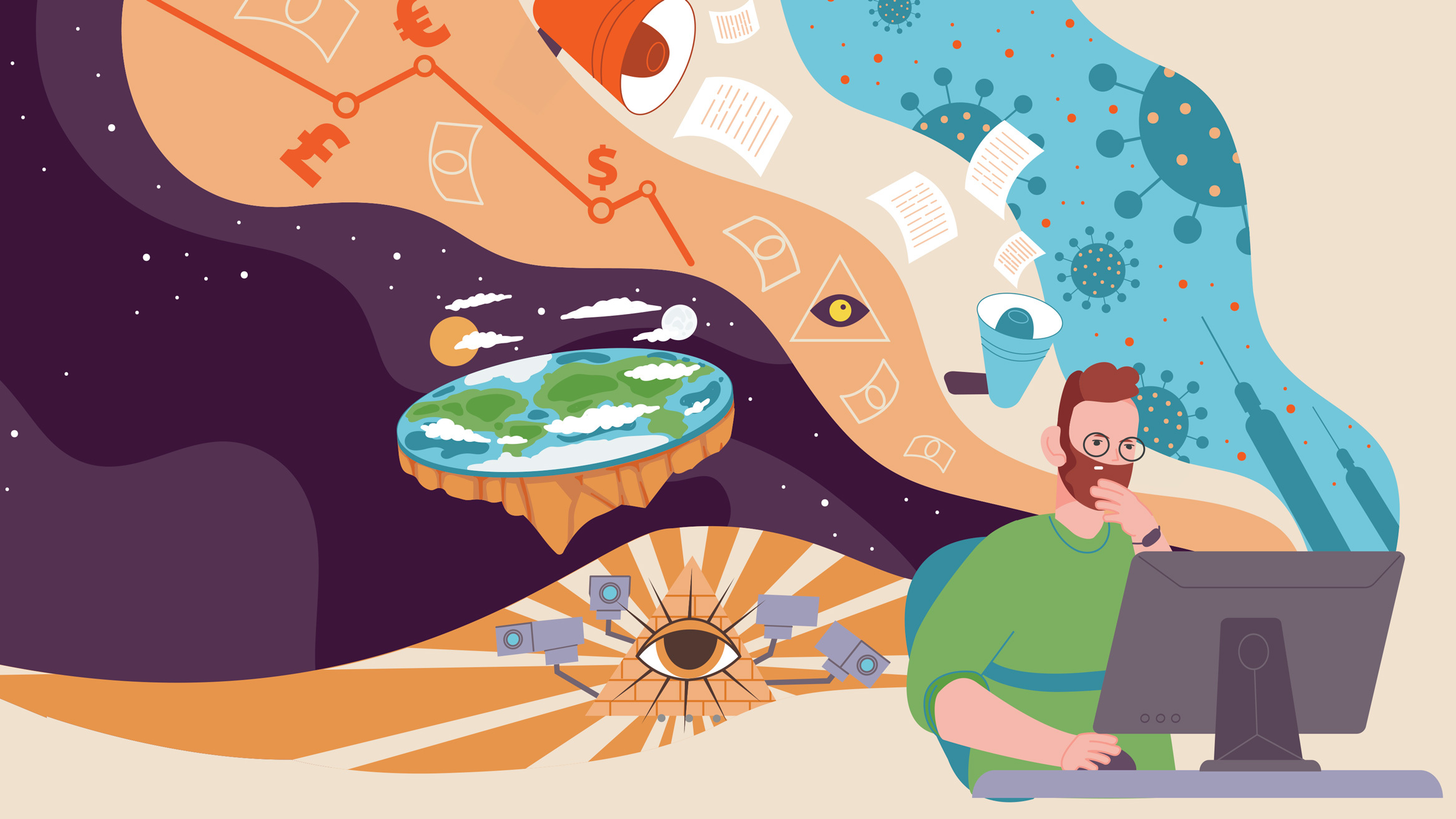
U.S. political discourse seems to have fissioned into discrete bubbles, each reflecting its own distorted image of the world. Many blame machine-learning algorithms that purportedly maximize “engagement”—serving up content that keeps YouTube or Facebook users watching videos or scrolling through their feeds—for radicalizing users or strengthening their partisanship. Sociologist Shoshana Zuboff15 even argues that “surveillance capitalism” uses optimized algorithmic feedback for “automated behavioral modification” at scale, writing the “music” that users then “dance” to.
Bias, Skew, and Search Engines Are Sufficient to Explain Online Toxicity
U.S. political discourse seems to have fissioned into discrete bubbles, each reflecting its own distorted image of the world. Many blame machine-learning algorithms that purportedly maximize “engagement”—serving up content that keeps YouTube or Facebook users watching videos or scrolling through their feeds—for radicalizing users or strengthening their partisanship. Sociologist Shoshana Zuboff15 even argues that “surveillance capitalism” uses optimized algorithmic feedback for “automated behavioral modification” at scale, writing the “music” that users then “dance” to.
All Internet Roads Lead Back to 2014
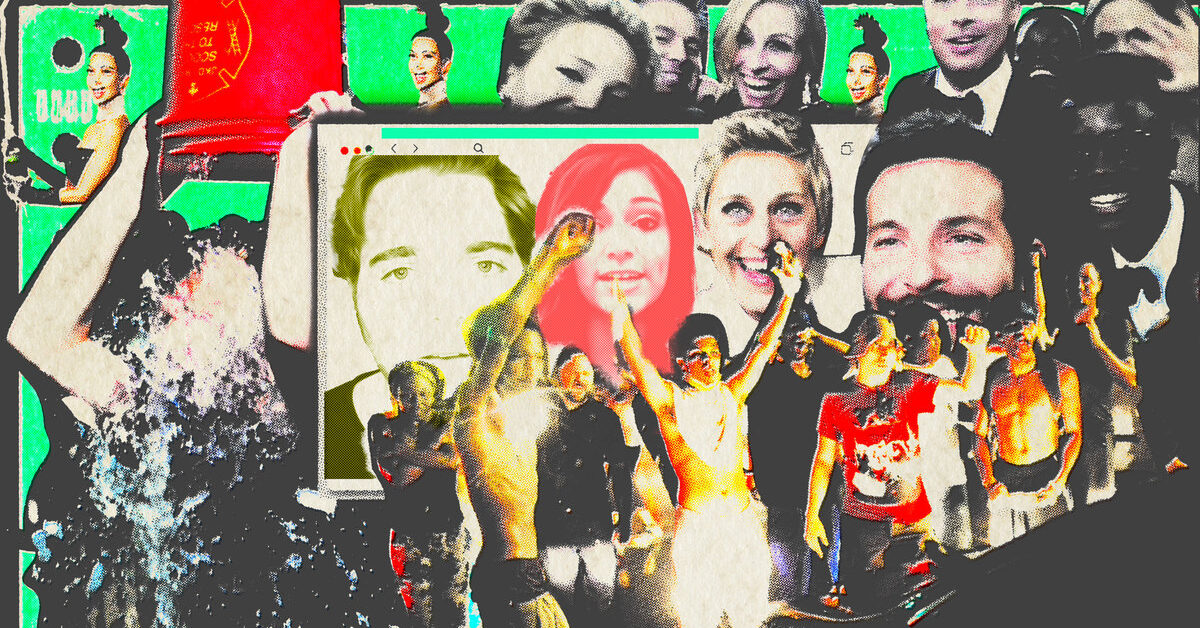
Ten years ago, developments in commerce, activism, and influencer culture coalesced, and our contemporary concept of “being online” was born