


“Artisanal” refers to something made in a traditional way by hand by a skilled craftsman, requiring both time and expertise.
All Infrastructure is AI Infrastructure: Keynote by Mirantis CTO
Organizations must embrace infrastructure built for AI: composable, observable, scalable, and ready to deliver performance across all environments.

Adversarial Interoperability
“Interoperability” is the act of making a new product or service work with an existing product or service: modern civilization depends on the standards and practices that allow you to put any dish
Solidarity Infrastructures
Solidarity Infrastructures is a class that brings together creative practitioners to investigate, strategize, upskill, and dream toward alternative socio-technological systems.
Reflections on Declarative Configuration
Advantages and pitfalls of Infrastructure as Code, and the distinction between IaC and Declarative Configuration.

Self-driving infrastructure
At Vercel, we’re building self-driving infrastructure, a system that autonomously manages production operations, improves application code using real-world insights, and learns from the unpredictable nature of production itself.

Local Env as Code: Is it possible yet
Guest post by Jan Van Bruggen, Developer Relations Lead at itopia In the past decade, we’ve seen the rise, standardization and meme-ification of “as code”: Infrastructure as Code, Monitoring as Code…

Autonomous Forest | LAS Art Foundation
Autonomous Forest is a living work of art and a new techno-legal entity that reimagines ecological regeneration
Replacing Middle Management with APIs by Peter Reinhardt
There’s a trend in Silicon Valley startups to create a software layer in industries that were traditionally pure human services. Uber and Lyft have created software layers in the taxi industry, 99designs Tasks in the visual design industry, Homejoy in the cleaning industry, and so on. These new software services employ armies of human workers, optimizing their output, productivity and quality while driving price down.
The ecosystem is moving
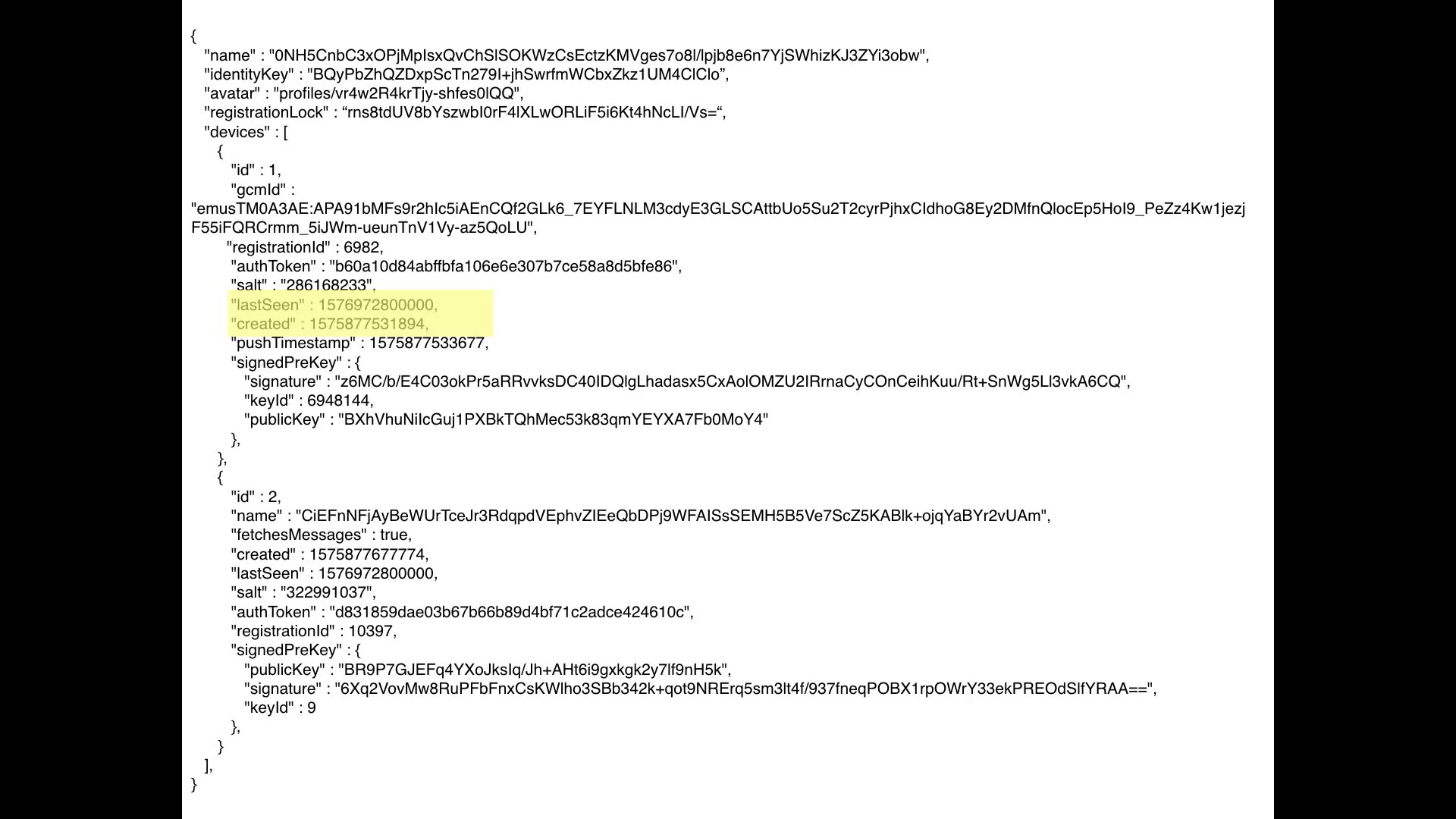
Considerations for distributed and decentralized technologies from the perspective of a product that many would like to see decentralize....
Home
Solidarity Infrastructures is a class that brings together creative practitioners from respective communities to investigate, strategize, upskill, and dream toward alternative socio-technological systems.
The Matrix of Convivial Technology – Assessing technologies for degrowth
This article introduces the notion of convivial technology as a conceptual framework for technologies suitable for degrowth societies. This paper is inspired by Ivan Illich's notion of convivial tools but reconsiders it in the light of current practices and discussions. Looking for a definition of convivial technologies it uses qualitative empirical research conducted with degrowth-oriented groups developing or adapting grassroots technologies like Open Source cargo bikes or composting toilets in Germany. The basic ethical values and design criteria that guide these different groups in relation to technology are summed up into five dimensions: relatedness, adaptability, accessibility, bio-interaction and appropriateness. These dimensions can be correlated with the four life-cycle levels material, production, use and infrastructure to form the Matrix for Convivial Technology (MCT). The MCT is a 20-field schema that can be filled in. Experiences with the tool in different fields are presented. The MCT is itself a convivial tool as it allows for degrowth-oriented groups to self-assess their work and products in a qualitative, context-sensitive and independent way. It is a normative schema that fosters discussion concerning degrowth technologies in contexts of political education. And it is a research method as it helps collecting data about underlying ethical assumptions and aspirations of individuals and groups engaged in developing technology.
Running an AI-native engineering org | Claude
How the Claude Code engineering team’s processes and structure changed once agentic coding became the default way of working.

Physical AI for Industrial Automation | Sanctuary AI
Discover Sanctuary AI's production-ready Physical AI platform that helps industrial leaders automate complex and dynamic manufacturing tasks.

The Soul of Craftsmanship | Ben Cornia
Will AI replace craftsmanship? A reflection of my journey from welding to programming and the meaning of work in the AI age.
Future Art Ecosystems – Building protocols for 21st-century cultural infrastructure
Future Art Ecosystems is a project for building 21st century cultural infrastructure to support art and advanced technologies for the public good.
Thanks to AI-powered tools, coding is more accessible than ever, but that doesn’t mean builders have decentralized tech know-how. Grey Area is offering an online course called “Beyond Big Tech” for community builders and designers building alternative tech futures! Apply by September 24th

Beyond Big Tech: Building Alternative Futures for Personal Data and Infrastructure
grayarea.org