

Harness the power of understanding and predicting user behavior with mental models. Simplify systems and enhance decision-making in your designs.
Mental Models: The Best Way to Make Intelligent Decisions (~100 Models Explained)
The smartest people in the world use mental models to make intelligent decisions, avoid stupidity, and increase productivity. Let's take a look at how ...
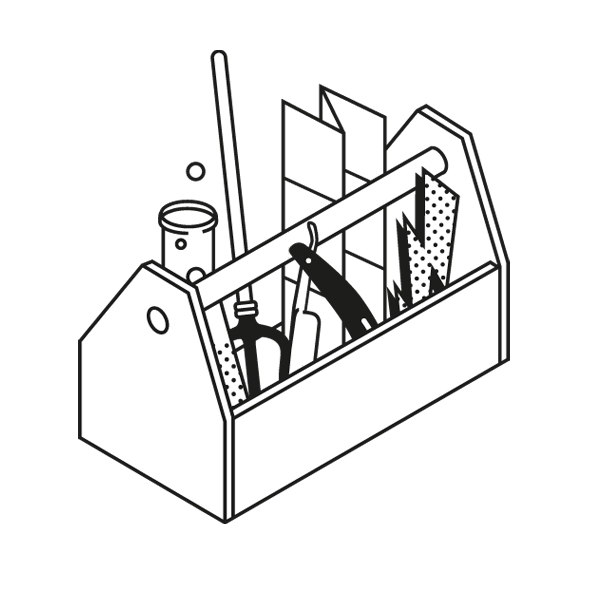
Mental Models and User Experience Design
What users believe they know about a user interface impacts how they use it. Mismatched mental models are common, especially with designs that try something new.

The Great Mental Models
The Great Mental Models project is the clearest way to change the way you see the world, avoid problems before they happen, and make better decisions.

Conceptual Models: The Hidden Structure Behind Your Next Great Interface
Discover the hidden structure behind every great UI. Master how to use conceptual models to design systems that users instantly understand and grow to trust.
Mental models for working with coding agents
Model intelligence sets the ceiling. Your workflow with the agent harness sets what you actually ship.
Introducing interaction models | Thinking Machines Lab

Models
Amp uses the best model for each task: leading generalist foundation models for complex reasoning and planning, and smaller specialized models for fast, accurate responses in specific domains.

Why I believe current AI models can really think and understand - Part 1 of 2
How the human mind is different from our conception of it

How AI Tools Differ from Human Tools
Why the mental models we've built for human interfaces don't work for AI, & how Anthropic's latest guidelines are reshaping tool design for better performance & efficiency.
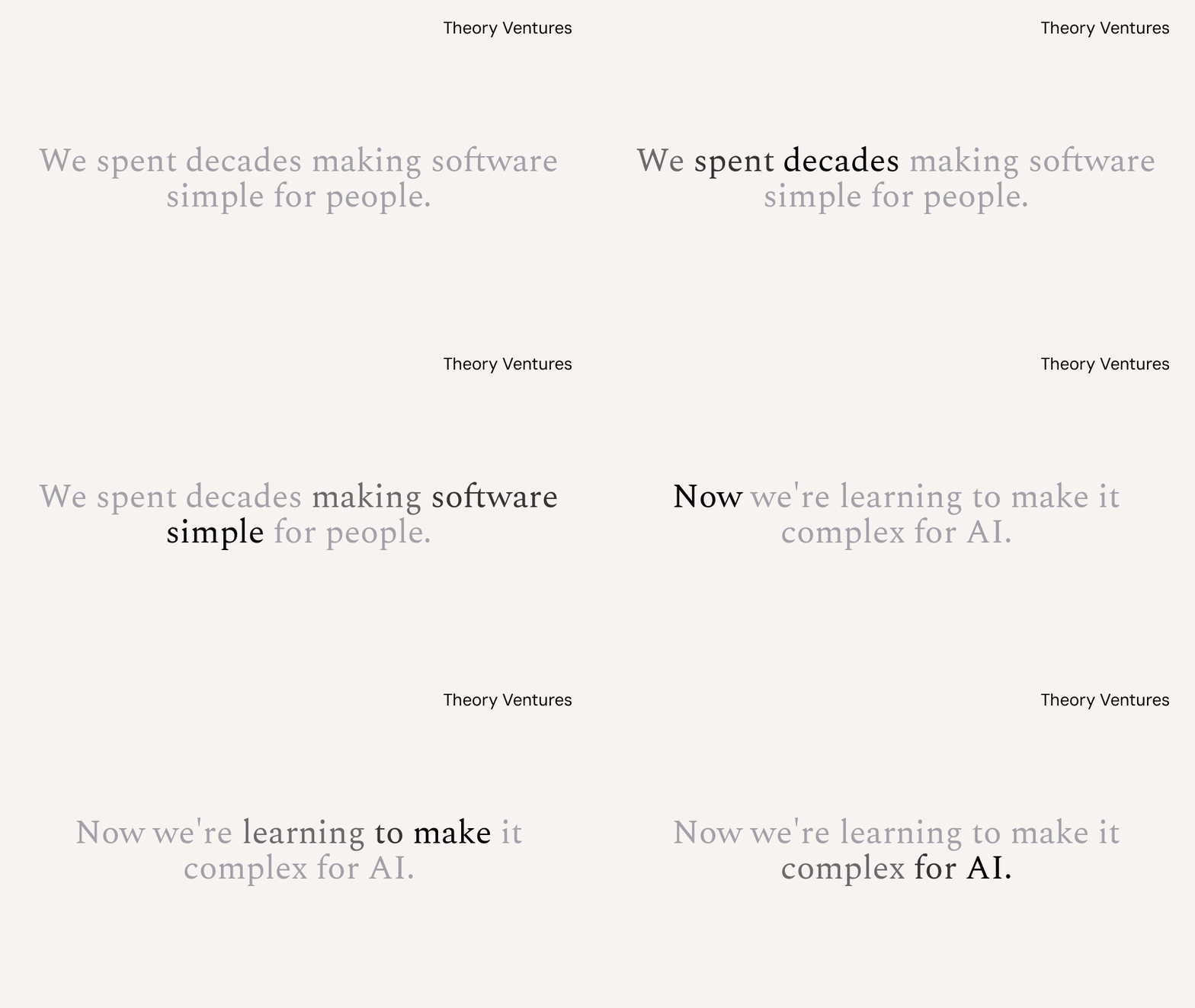
Why I believe current AI models can really think and understand - Part 2 of 3
Why computers can in principle produce thinking and understanding

The Inversion Problem: Why Algorithms Should Infer Mental State and Not Just Predict Behavior
More and more machine learning is applied to human behavior. Increasingly these algorithms suffer from a hidden—but serious—problem. It arises because they often predict one thing while hoping for another. Take a recommender system: It predicts clicks but hopes to identify preferences. Or take an algorithm that automates a radiologist: It predicts in-the-moment diagnoses while hoping to identify their reflective judgments. Psychology shows us the gaps between the objectives of such prediction tasks and the goals we hope to achieve: People can click mindlessly; experts can get tired and make systematic errors. We argue such situations are ubiquitous and call them “inversion problems”: The real goal requires understanding a mental state that is not directly measured in behavioral data but must instead be inverted from the behavior. Identifying and solving these problems require new tools that draw on both behavioral and computational science.

Crafting a good (reasoning) model
A recent talk I gave on model training, reasoning, and the next frontier.
François Chollet on Twitter / X
Eventually, much of AI will converge towards intuition-guided symbolic world modeling, i.e. deep learning-guided program synthesis. It is inevitable. Symbolic modeling lets a system construct a compact, reusable, highly generalizable mental model of a problem space using minimal…— François Chollet (@fchollet) July 2, 2026
Evaluation of Large Language Model Chatbot Responses to Psychotic Prompts
This cross-sectional study tests whether a large language model chatbot product can reliably generate appropriate responses to psychotic content.

Evaluation of Large Language Model Chatbot Responses to Psychotic Prompts
This cross-sectional study tests whether a large language model chatbot product can reliably generate appropriate responses to psychotic content.