

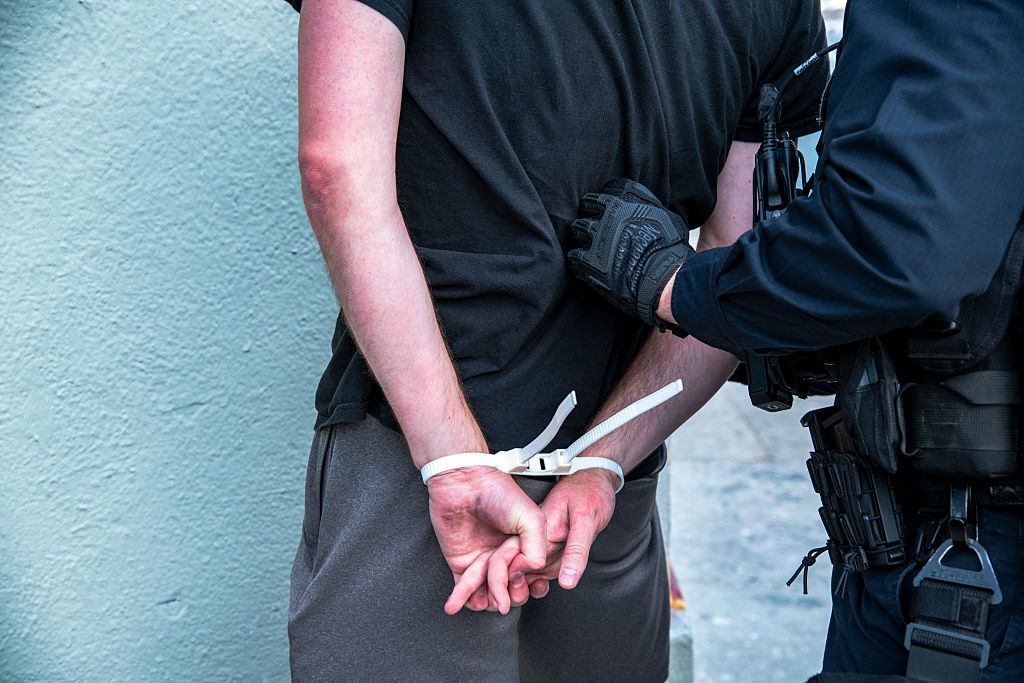
Nine members of the “Prairieland 19,” anti-ICE protesters in Texas who the Trump administration is dubiously accusing of domestic terrorism, are going on trial this week. The case is a test for how easily Trump might criminalize dissent going forward.
The Prairieland Sentences Are a National Emergency
A federal court has punished Texas ICE demonstrators with decades in prison. This is dark news, not just for them but for anyone who may want to register political dissent.

The ‘Antifa Scare’ Goes on Trial in North Texas
As nine of the "Prairieland 19" face their days in court, the broader constitutional rights of left-wing activists may hang in the balance.
The Next Step in Criminalizing ICE Protests Is Here
First came Prairieland. Now an indictment treats mutual aid and road-blocking as a criminal conspiracy
Prairieland Was a Test, and Corporate Media Failed
That a national press corps is so cowed by government cries of “terrorism!” that they fail to interrogate its legal fictions is a danger to the very freedoms they purport to embody.

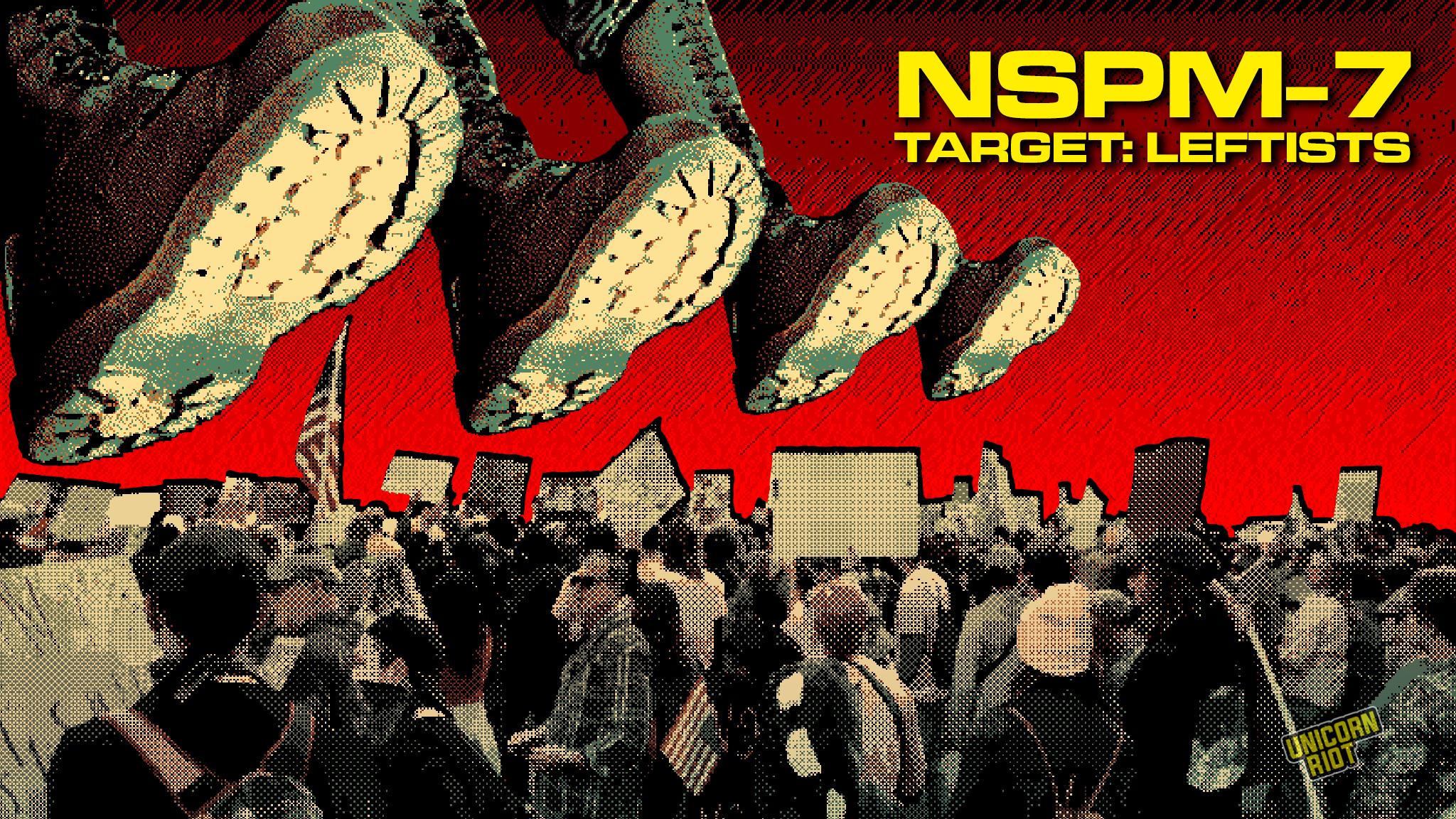
The War on Terror Turns Left - UNICORN RIOT
Prairieland, TX – A sprawling court case from a protest at an immigration detention center could determine how the United States government deals with dissent. The charges originated from a protest at the Prairieland Immigration and Customs Enforcement detention facility in Alvarado, Texas, where a police officer was shot. In a superseding indictment filed in […]
Trump wants to prosecute anti-fascists as terrorists. This Texas trial will test his power.
A July 4 shooting at an ICE detention center could change the way the federal government prosecutes activists.

Trump’s Crackdown on Dissent Comes for Minnesota Anti-ICE Organizers
Federal prosecutors charged 15 people with conspiracy, painting their political speech, protest activity, and alleged antifa ties as evidence of criminal wrongdoing.
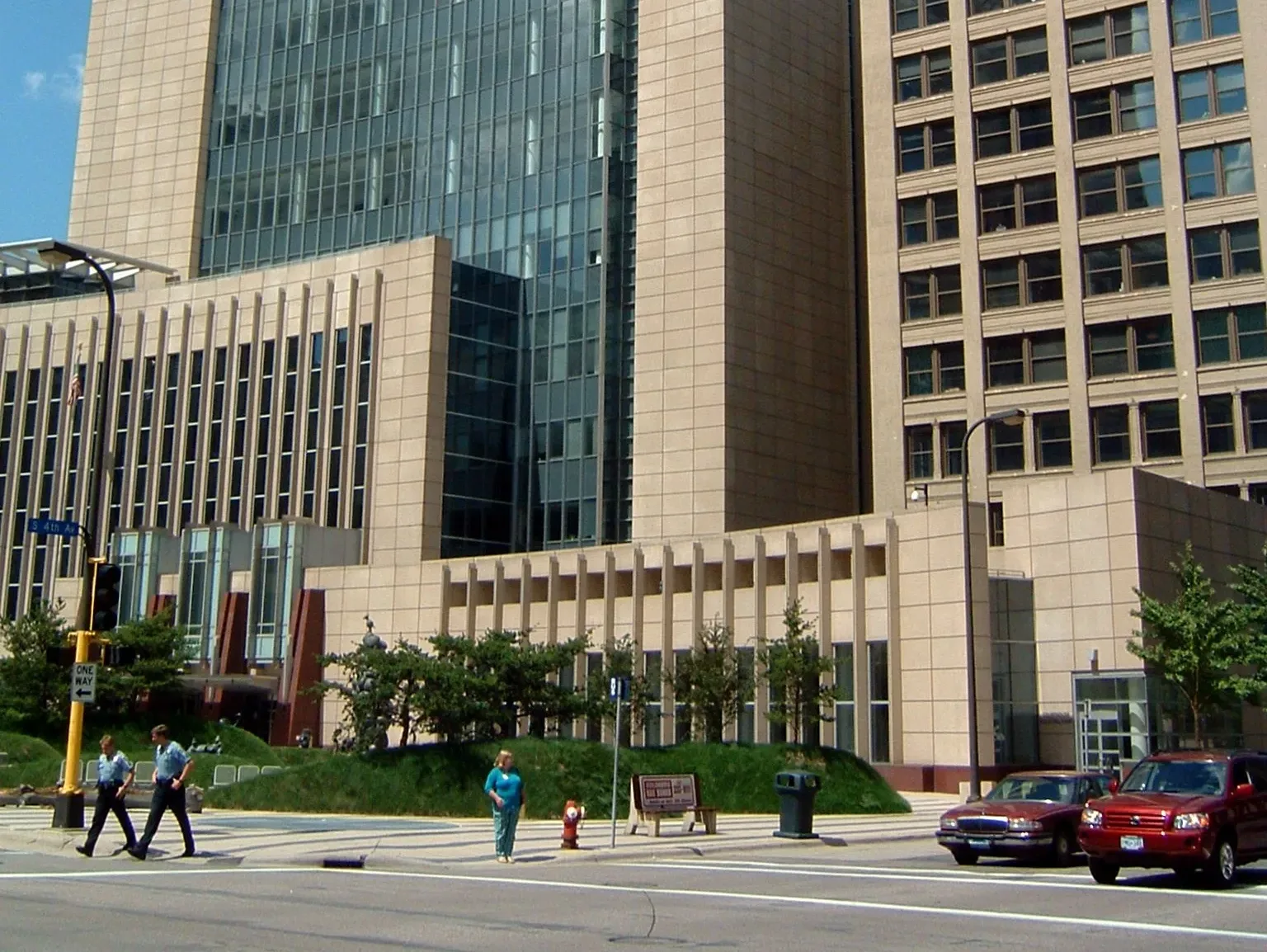
From Haymarket to Prairieland: How dissent has unleashed the long arm of the law
The Prairieland sentencing has dark historical parallels, Kim Kelly writes. But we can change the end of the current story.
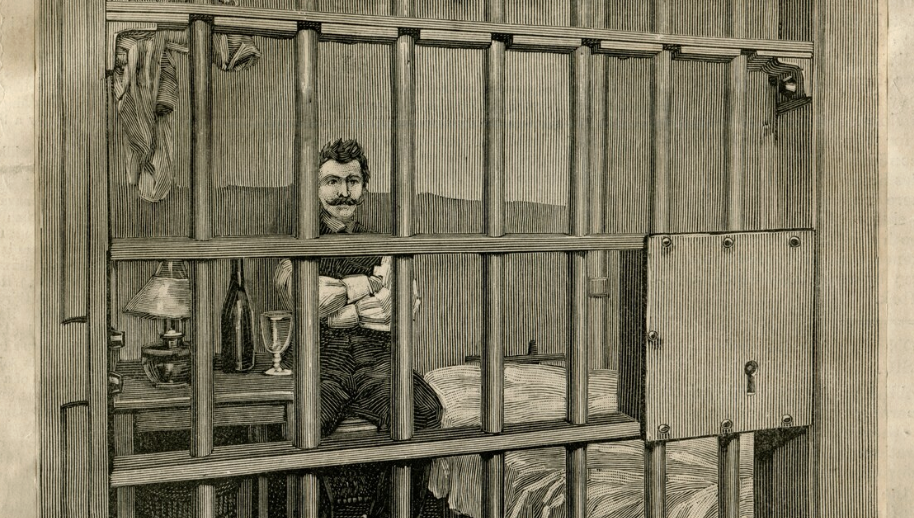
2025 Prairieland ICE detention center incident
On the evening of July 4, 2025, a civil disturbance and shooting occurred at the Immigration and Customs Enforcement (ICE) Prairieland Detention Center in Alvarado, Texas, United States, during one of a series of protests against mass deportations and mass incarcerations carried out during Donald Trump's second presidency.

Unlike The Defendants, One Of The Prairieland Judges Is Part Of An Organized Cell Of Extremists | Defector
Whether you remember his name or not, you’ve probably been reading about Judge Reed O’Connor and his judicial malevolence for years. O’Connor is making headlines again for being one of two judges to sentence 15 ICE protestors to a combined 547 years in prison. As the writer Lauren Fadiman pointed out in The Baffler, the…
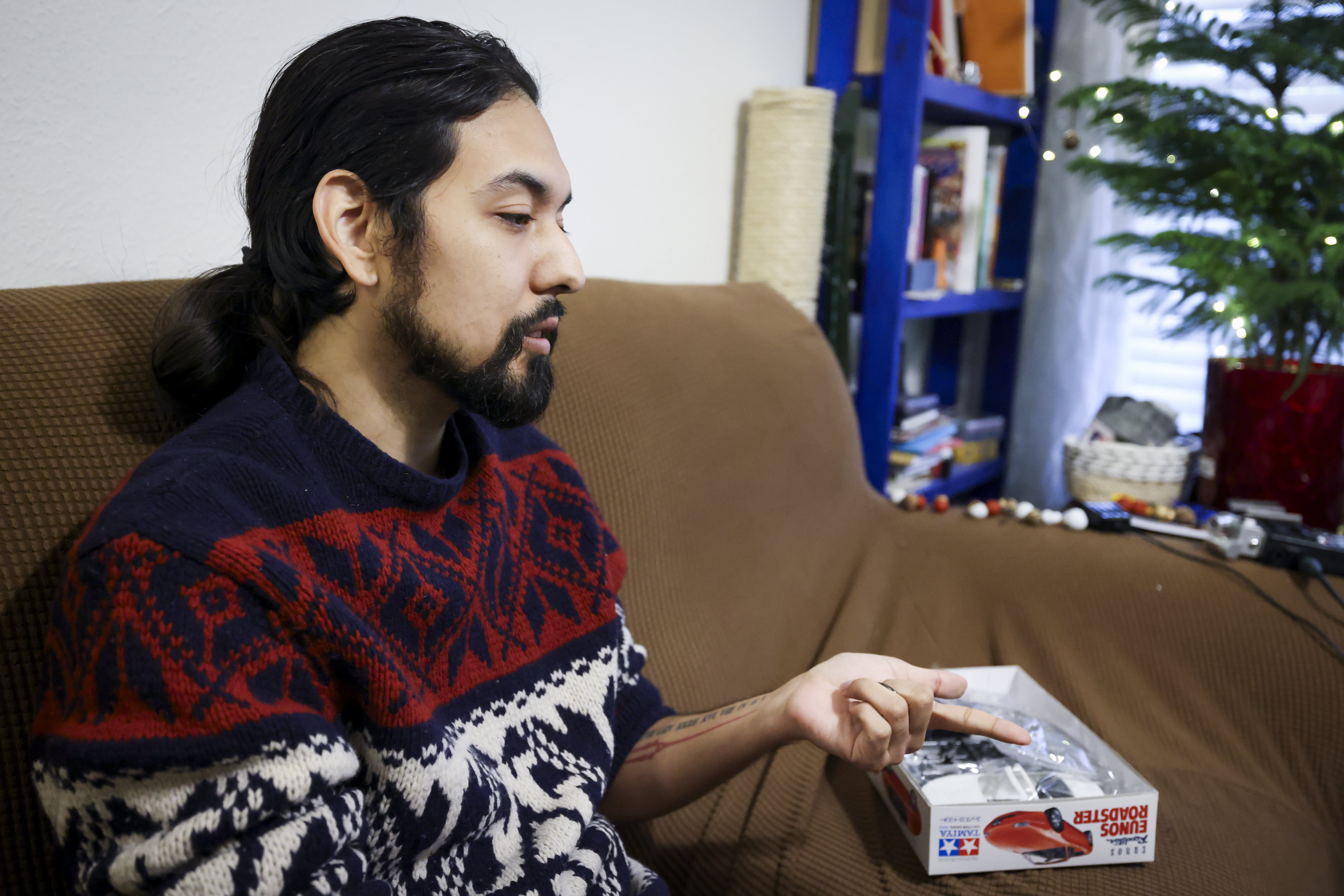
A Dallas man removed Prairieland defendants from group chats. Now he's accused of aiding terrorism
Dario Sanchez, 32, shared in interviews with KERA News his perspective on the charges he's facing related to a shooting that occurred outside the Prairieland Detention Center on July 4, 2025. Sanchez was not at the shooting but has been arrested three times in connection.
Eight Federal Prairieland Defendants Sentenced Today to Prison Terms Ranging From 30-100 Years for Common Protest Activity - Support the Prairieland Defendants
Family Members, Faith and Community Leaders, Rally in Support of Defendants, Vow to Continue Fight for Freedom, Justice for Loved Ones

The Trump administration is charging these Minneapolis protesters with conspiracy. Organizers won’t back down
‘Minnesota 15’ indicted after opposing ICE crackdown – just the latest attempt by Trump DoJ to criminalize resistance
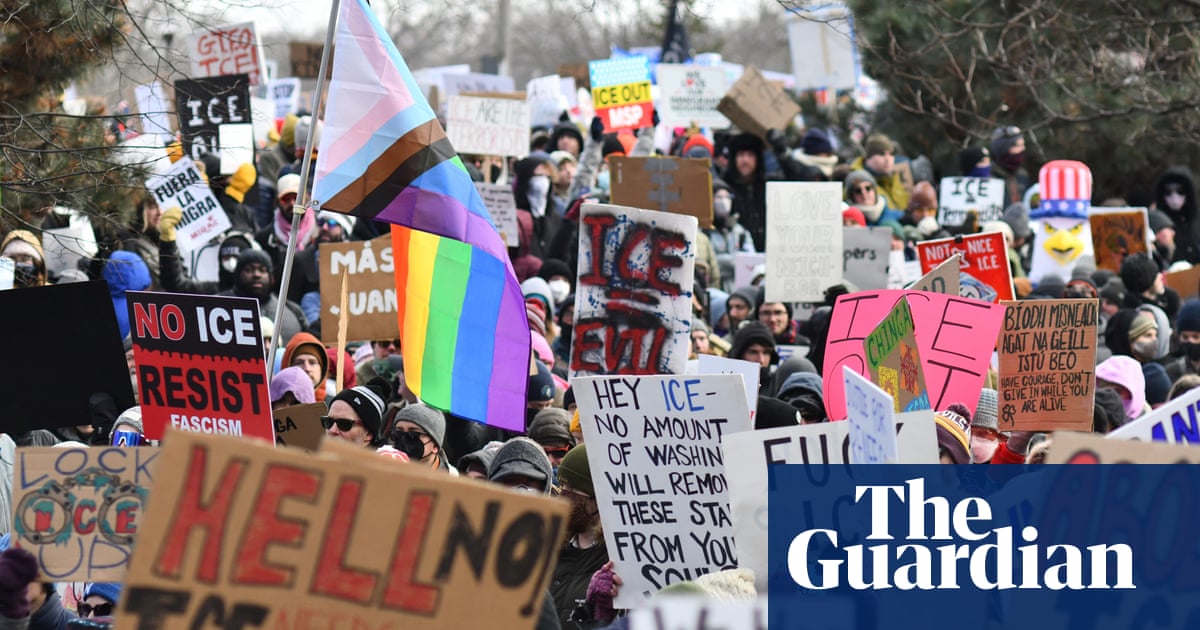
Right-leaning groups say MN 15 prosecution violates free speech of anti-ICE activists
Free speech and conservative legal groups are urging a federal judge to order prosecutors to release documents in the Minnesota activists conspiracy case that defendants say could reveal political targeting and First Amendment violations tied to a Trump administration directive.
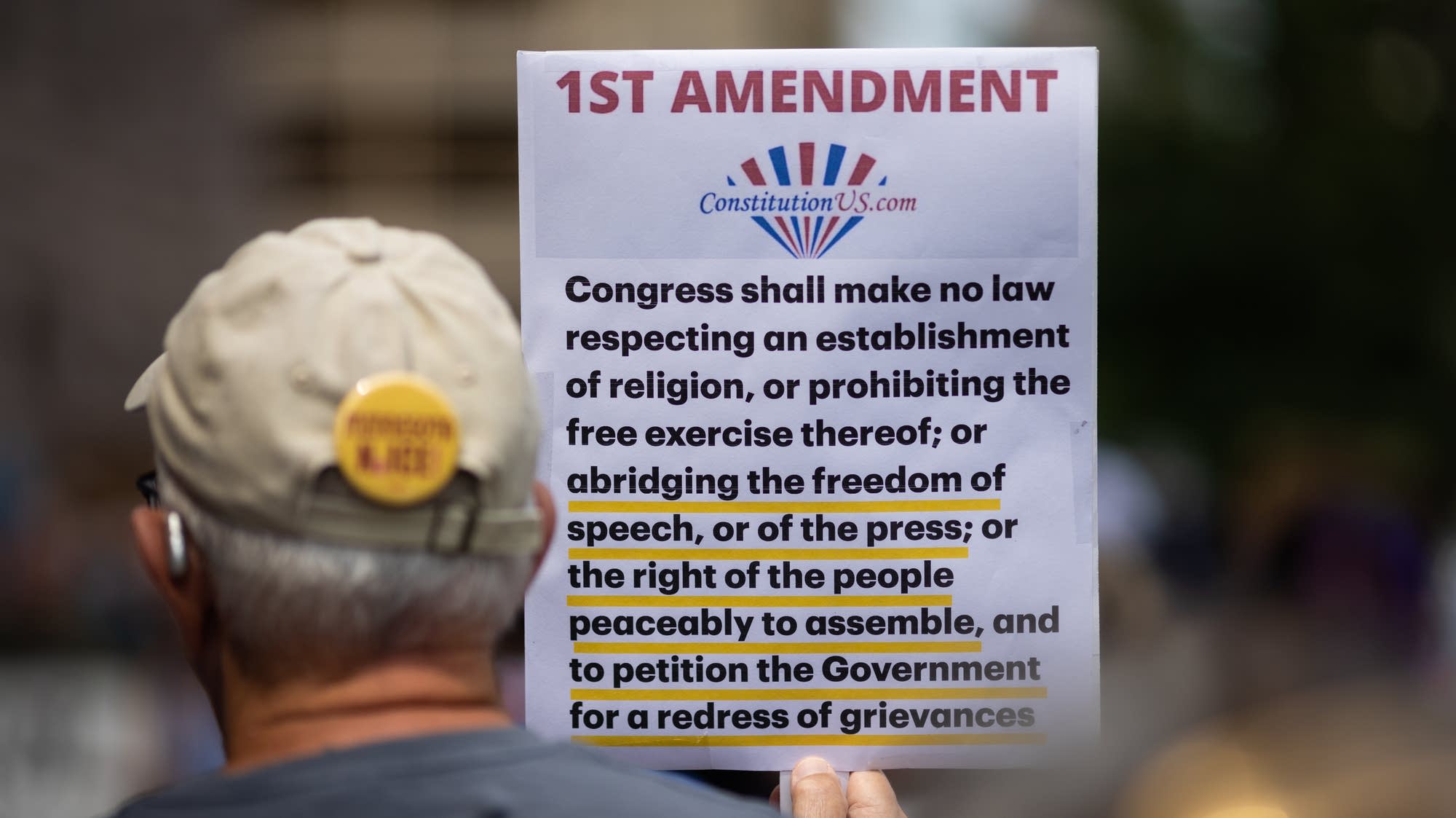
These Dallas Residents Are on the Front Lines of Trump’s War Against “Antifa”
If convicted, people who showed up to a protest could face “decades of prison time,” the National Lawyers Guild says.

Prairieland 19

Case regarding a protest held outside the Prairieland Detention Facility in Alvarado, Texas on July 4, 2025
The Prairieland Sentences Are a National Emergency
The War on Terror Turns Left - UNICORN RIOT

How Anti-ICE Protesters Became Prisoners in Trump’s War on Antifa
Prairieland Was a Test, and Corporate Media Failed

Then They Came for the Anarchists: Prairieland Defendants Sentenced to 562 Years - UNICORN RIOT
Unlike The Defendants, One Of The Prairieland Judges Is Part Of An Organized Cell Of Extremists | Defector