


I hate telephones. Some rational reasons: lack of authentication, no spam filtering, forced synchronous communication. But also just a visceral fear.
Since 9/11, Fear Has Driven Our Politics. Don’t Let It Drive The Next 25 Years.
Twenty-five years ago today I was woken up by a phone call from a close friend, who, like me, grew up in New York and, like me, was now living in California. She told me that something horrible had…

People who keep their cell phones on "silent mode" share similar psychological traits
Study reveals that keeping phones in "silent mode" improves focus, reduces stress, and increases workplace well-being among workers.
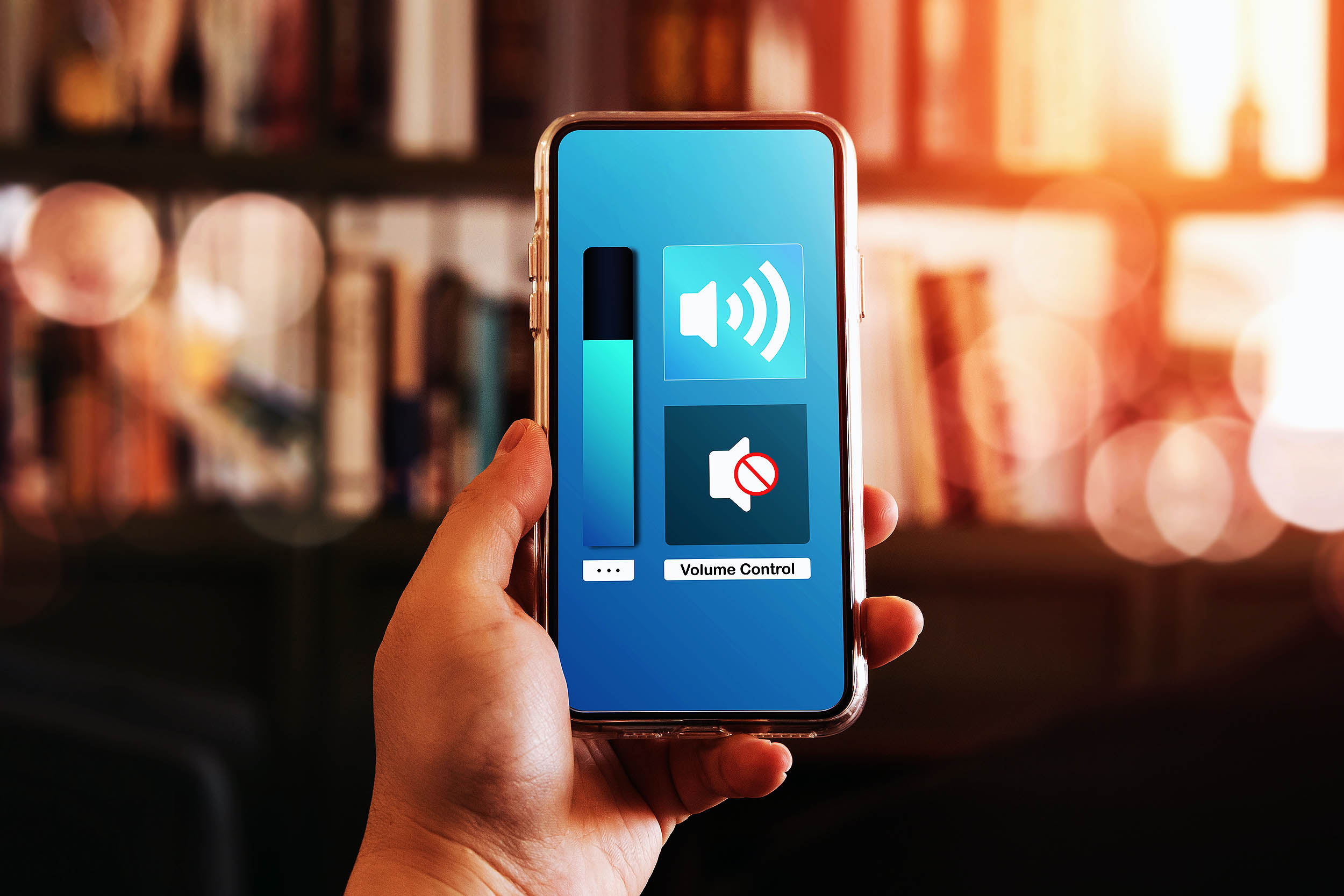
Modeling the Engagement-Disengagement Cycle of Compulsive Phone Use | Proceedings of the 2019 CHI Conference on Human Factors in Computing Systems
As part of the Digital Library's transition to Open Access, new features for researchers are available in the Premium Edition. Click here to learn more.

'Life needs to be more like this': Some bars and restaurants are going phone free
It's not just schools that are banning cellphones. Some bars and restaurants are joining the offline trend.

The Modded "Small Phone" Market in China is absolutely INSANE!!!
876 votes, 63 comments. Most of these are modded "Fold" phones from Samsung and Huawei. Well built, prototype-ish phone mods that eliminate the extra…
This is your phone on feminism
Let’s face the truth. We are in an abusive relationship with our phones.

Reflective smartphone disengagement: Conceptualization, measurement, and validation
The present paper develops a new concept, called Reflective Smartphone Disengagement (RSD), defined as individuals’ deliberate efforts to control and restrict smartphone use. Based on the reflective-impulsive model, we examined the RSD concept in four studies, using cross-sectional data of adolescents (Study 1, N = 453, Study 3, N = 760) and adults (Study 4, N = 672), as well as panel data of adults (Study 2, N = 461). In Study 1, findings from exploratory and confirmatory factor analyses supported the one-dimensionality of the RSD scale. In Study 2, we found evidence for high test–retest reliability as well as discriminant validity, and in terms of predictive validity, RSD negatively predicted excessive smartphone use, information overload, and the social availability norm over time. Study 3 demonstrated convergent validity with a negative relationship with trait nomophobia and a positive one with trait self-reflection. Study 4 confirms the structural validity of a shorter version of the scale. We discuss avenues for future research and broader implications of the RSD concept for the field.
Decentralizing My Smartphone With Single Purpose Devices
Lately, I’ve become nostalgic for the days before smartphones, when the internet was a place we went to deliberately, and not a place that lived on all of ou...

Why we should fear a cashless world | Dominic Frisby
Poor people and small businesses rely on cash. A contactless system will likely entrench poverty and pave the way for terrifying levels of surveillance

Social Media and Change in Psychological Distress Over Time: The Role of Social Causation
Abstract This article tests the relationship between information and communication technologies (ICT), such as the Internet, cell phones, and social media, and change over time in psychological distress (PD) and risk of serious psychological distress (SPD) associated with depression and anxiety disorders. Using a longitudinal panel design, survey data from a representative sample of American adults, findings revealed that home Internet and social network site (SNS) use are associated with decreased PD over time. Having extended family who are also Internet users further decreases PD. PD increased or decreased in relation to change in the PD of extended family who also use SNSs. For most people, ICT substantively reduce PD; in rare cases, an extreme spike in PD of extended family also on SNSs, there was a trivial increase to the risk of SPD. PD did not change when extended family not on social media experienced a change in their PD.
Is smartphone addiction really an addiction?
Aims In light of the rise in research on technological addictions and smartphone addiction in particular, the aim of this paper was to review the relevant literature on the topic of smartphone addiction and determine whether this disorder exists or if it does not adequately satisfy the criteria for addiction. Methods We reviewed quantitative and qualitative studies on smartphone addiction and analyzed their methods and conclusions to make a determination on the suitability of the diagnosis “addiction” to excessive and problematic smartphone use. Results Although the majority of research in the field declares that smartphones are addictive or takes the existence of smartphone addiction as granted, we did not find sufficient support from the addiction perspective to confirm the existence of smartphone addiction at this time. The behaviors observed in the research could be better labeled as problematic or maladaptive smartphone use and their consequences do not meet the severity levels of those caused by addiction. Discussion and conclusions Addiction is a disorder with severe effects on physical and psychological health. A behavior may have a similar presentation as addiction in terms of excessive use, impulse control problems, and negative consequences, but that does not mean that it should be considered an addiction. We propose moving away from the addiction framework when studying technological behaviors and using other terms such as “problematic use” to describe them. We recommend that problematic technology use is to be studied in its sociocultural context with an increased focus on its compensatory functions, motivations, and gratifications.
The Internet Is a Net Negative
I'm usually an optimist about things. That outlook has served me well in life. It's helped me build open source projects that millions of people use. It's...

1. Steve Jobs realized that "People hate their phones". Apple invented a better one, made bank, & changed the world. Academics hate their scientific publishers. Bluesky invented a better publishing platform, & could bank some of the ~$20B/year sci pub revenue, changing science 🧪 @toni.bsky.team 🧵
1. Steve Jobs realized that "People hate their phones". Apple invented a better one, made bank, & changed the world. Academics hate their scientific publishers. Bluesky invented a better publishing platform, & could bank some of the ~$20B/year sci pub revenue, changing science 🧪 @toni.bsky.team 🧵


