


Truth-telling at the intersection of faith, history, and justice Focus on white Christian nationalism + the Black Christian tradition. Click to read Footnotes by Jemar Tisby, by Jemar Tisby, PhD, a Substack publication with tens of thousands of subscribers.
Sacralizing Dominion: The Doctrine of Christian Discovery and the Religious Nationalist Imagination
White Christian nationalism presents itself as restoration—of a Christian nation, a moral order, a rightful hierarchy. This article argues that what it restores is the world-making rhetoric of the Doctrine of Christian Discovery (DoCD). Reading the fifteenth-century papal bulls, their sedimentation into United States law, culture, religion, and contemporary dominionist discourse as a single rhetorical formation, we show that the bulls’ vocabulary of discovery, vacancy, and civilization did not describe a world but constituted one: a moral-legal order in which Christian identity conferred sovereignty and racialized peoples appeared as obstacles to salvation and property. That order persists as hegemonic common sense, carried by legal precedent, curricula, and popular culture, and it is re-performed today in the territorial rhetoric of the New Apostolic Reformation and white Christian nationalism. Following Steven T. Newcomb (Shawnee/Lenape), repudiating the doctrine’s documents without dismantling its embeddedness within language and cognition leaves religious nationalism’s deepest resource intact. Against the discovery template, we set three counter-rhetorics—Indigenous theologies, Black theology, and womanism—and argue that desanctifying dominion requires conciliation, not reconciliation.

Slave Songbook : Origin of the negro Spiritual
"To Be Thy Adam": Agency, Activism & Collective Intelligence in the Ruins of the Human
Masculist pushback: the threatened extinction of the great, white Judeo-Christian male
A political ideology rooted in fear is remaking the world in its own image and dragging us with it

Native Land Pod
Dr. Omekongo Dibinga
Why some young Black Christians are practicing hoodoo
The ancestral religious practices of the African diaspora were forced underground by the White...

It's Christlike to Love Immigrants and Transfolk
Responding to readers who invoke Christianity to defend exclusion, I argue that the Gospels consistently welcome lepers, foreigners, sinners, and gender-no…

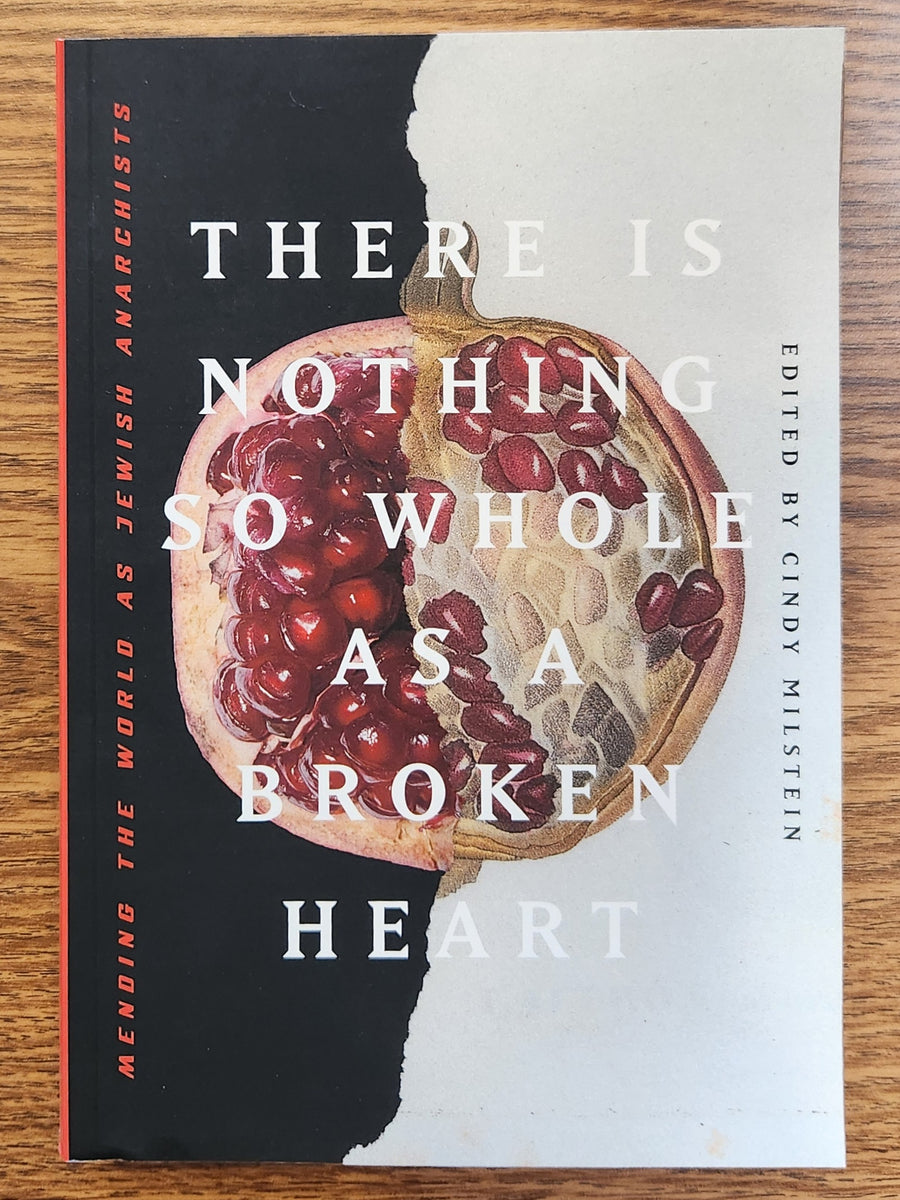
There Is Nothing So Whole as a Broken Heart
By Cindy Milstein Published by AK Press, 2021 392 pages, paperback The contemporary renewal of Jewish anarchism draws on a history of enslavement, displacement, white supremacy, and genocide as well as ancestral resistance, strength, imagination, and humor—wisdom that is sorely needed today. Through stories at once poetic and poignant, There Is Nothing So Whole as a Broken Heart offers a powerful elixir for all who rebel against systemic violence and injustice. The contemporary renewal of Jewish anarchism draws on a history of suffering, ranging from enslavement and displacement to white nationalism and genocide. Yet it also pulls from ancestral resistance, strength, imagination, and humor—all qualities, and wisdom, sorely needed today. These essays, many written from feminist and queer perspectives, journey into past and contemporary trauma in ways that are humanizing and healing. They build bridges from bittersweet grief to rebellion and joy. And via concrete illustrations of how Jewish anarchists lovingly transform their own ritual, cultural, and political practices, they clearly illuminate the path toward mending ourselves and the world. Praise for There Is Nothing So Whole as a Broken Heart... "There Is Nothing So Whole as a Broken Heart is a breathtaking kaddish to everyone living the revolutionary vision that Jewish radicals dreamed was possible. It drives to the heart of a tradition that we must rediscover, a story that is simultaneously particular and universal: we can survive if we do it together." —Shane Burley, author of Why We Fight: Essays on Fascism, Resistance, and Surviving the Apocalypse "In this moment of resurgent fascism and authoritarianism, the foundational relationship between antisemitism and anti-Blackness is more stark and apparent than ever. The vibrancy of this collection articulates not only a foundation for solidarity in shared struggles against white supremacy but also the vast imaginaries and world-making potential in the diversity of Jewish cultural expression and radical—specifically anarchist—thought. As a Black anarchist, I could not be more grateful for the generosity, vulnerabilities, and fierce, unwavering love for humanity shared within these pages." —Zoé Samudzi, coauthor of As Black as Resistance: Finding the Conditions for Liberation “The texts collected here are striking in their literary richness and emotional openness, awakening both pain and solace, insights and further questions . . . A highly rewarding reading experience that will appeal well beyond the Jewishanarchist intersection.” —Uri Gordon, co-editor of The Routledge Handbook of Radical Politics "There Is Nothing So Whole as a Broken Heart offers an ardent new archive of Jewish anarchism. These voices expand a defiant tradition: they speak of the disruptiveness of care, the labor of grief, and the pleasures of survival. As fascism and antisemitism rise, these poets, rabbis, and organizers urgently reach for another world through this one." —AE Torres, author of Horizons Blossom, Borders Vanish: Anarchism and Yiddish Literature "This book asks how modern generations of Jewish anarchists are wrestling with rising fascism, white supremacy, and antisemitism, and lifts up the specific cultural tools we bring to the work of mending (or maybe reimagining) the ever-shattering world. Today the book is a mirror; tomorrow, a new window into the archive of Jewish anarchists throughout history." —Ezra Berkley Nepon, author of Justice, Justice Shall You Pursue: A History of New Jewish Agenda "As leftist Jewish thought and organizing today witnesses a resurgence, this collection provides an important document of its anarchist current." —Treyf Podcast “A poem and a love note, a prayer song and a protest, an attempt to mend a burning world with the best of Jewish, anarchist, and Jewish anarchist traditions.” —Dan Berger, author of Captive Nation: Black Prison Organizing in the Civil Rights Era "There is Nothing So Whole as a Broken Heart is a powerful celebration of ritual—both Jewish and anarchist."—Gabriel Moshenska for Jewish Socialist
Intersectional Antifeminism, or: What is a White Feminist, Anyway?
Regarding the most famous social theory no one has actually read.

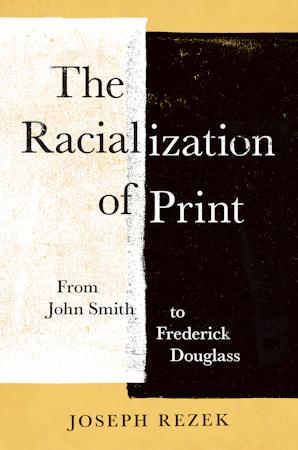
The Racialization of Print
Readers since Thomas Jefferson have believed it possible to judge entire races of people based on a single book, yet no one has attempted to explain the orig...
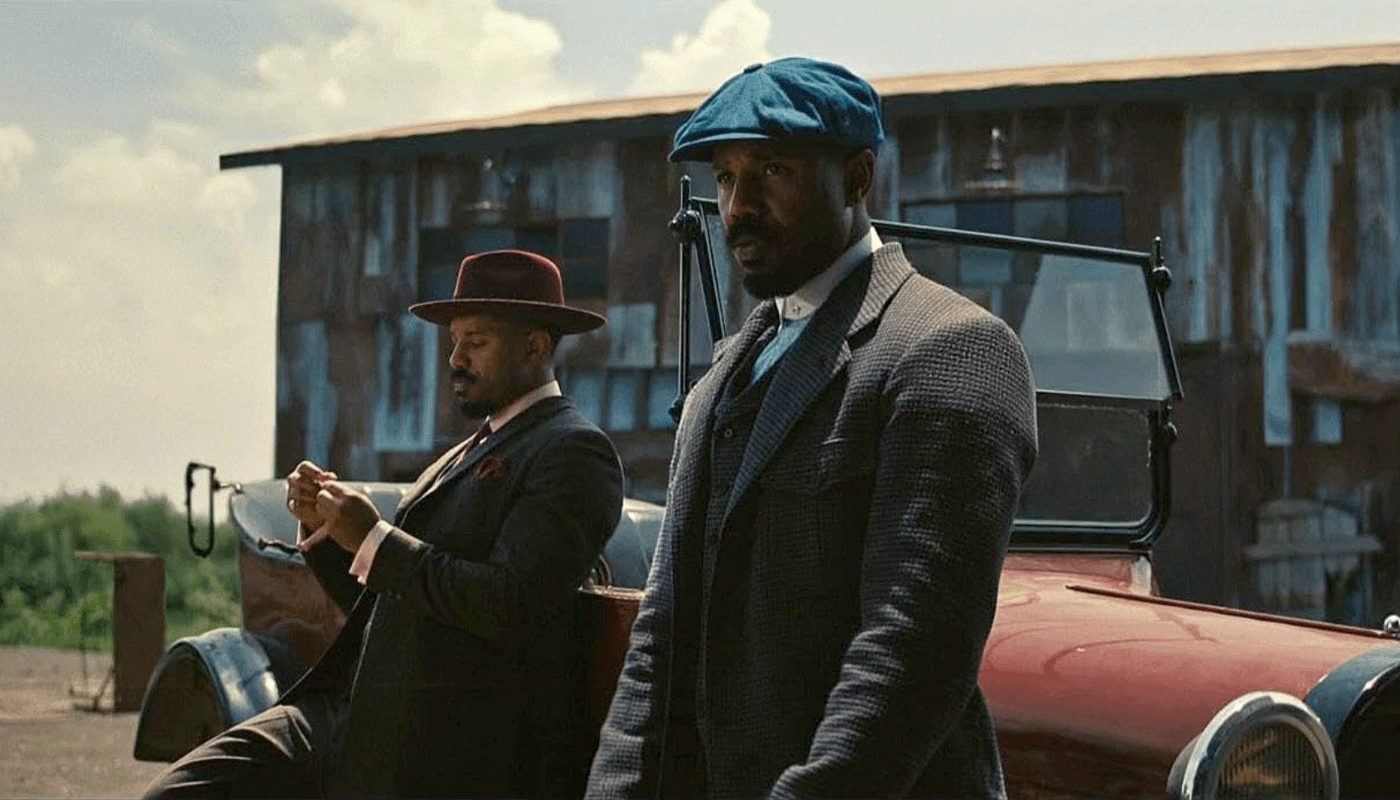
Beyond Afrofuturism: Sinners, the Great Migration, and Rust Belt Gothik - Reactor
"Sinners" is a particular kind of story about migration, spirituality, and Black speculative survival skills
Restorative Justice in the Bible | The Paper Pilot
The Paper Pilot's digital garden of thoughts on philosophy, politics, and sociology
‘A Bible-sized blind spot’: congressman sounds alarm on rising Christian nationalism
In his new book, congressman Jared Huffman argues that theocratic insurgency has only grown more powerful after Donald Trump returned to the White House

American Babylon
A gripping portrait of black power politics and the struggle for civil rights in postwar Oakland

Take Your Place: Rhetorical Healing and Black Womanhood in Tyler Perry’s Films
The unparalleled commercial sucessess that gospel-playwright-turned-screenwriter Tyler Perry has attained through converting his stage plays into films that depict black women overcoming personal crises raises questions about the intent behind his seemingly feminist-inspired representations of black womanhood. Through an analysis of the rhetoric of healing in Perry’s first two films, this essay reveals one of the suppressive pedagogical functions of Perry’s representation of black womanhood. Rhetorics of healing are a series of persuasive messages, performances, and literacy acts that writers deploy in order to convince readers that redressing or preventing crises requires them to follow the curriculum for ideological, communicative, and behavioral transformation that the writer considers essential to wellness. In Diary of a Mad Black Woman and Madea’s Family Reunion, Perry’s representation of rhetorical healing constructs black Christian women as students who must learn prescribed attitudes and behaviors to achieve, or remain in, states of wellness, and these lessons reinforce conservative gender ideologies and reify patriarchal constructions of the family and home. Given black women’s historically tenuous relationships with representations of themselves and their families in mainstream film, and given the ways in which their labor in the home is simultaneously desired and exploited, the popularity of Perry’s films does not suggest that his representations of healing foster black women’s self-empowerment. Rather, his popularity points to a moment where black women’s pain is a commodity and their instructive journeys to wellness are an exploited site where writers can carry out their own agendas.
