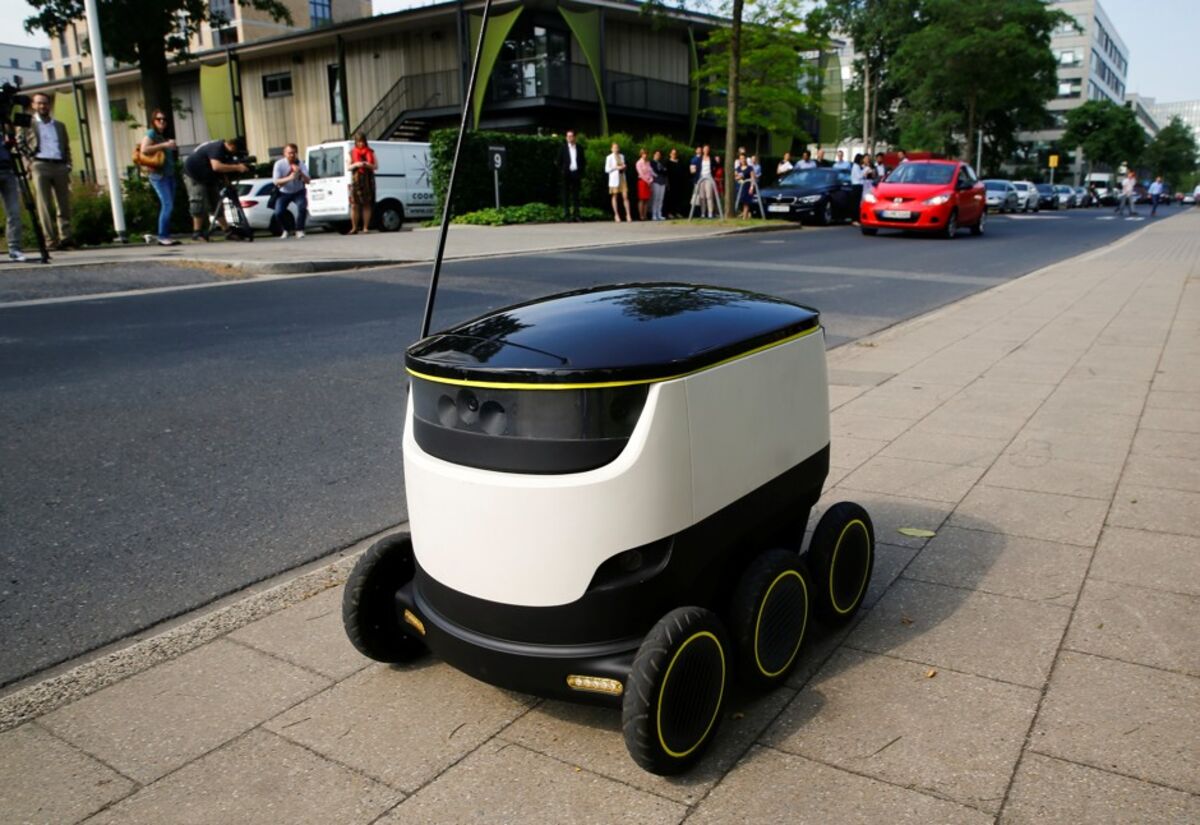
This started with a drivetime conversation about contemporary design with Joi Ito. We were stuck in traffic, and in our conversation, a question emerged about designers: This new generation of designers that work with complex adaptive systems. Why are they so much more humble than their predecessors who designed, you know, stuff?
Jenny Wen: The design process is dead. Why Designers can no longer trust it.
Built by Designers: No Explanation Needed
Designers now turn ideas into working products. Explore a curated collection of apps, tools, websites, and experiments designed, built, and shipped by designers.

Designs for the pluriverse: radical interdependence, autonomy, and the making of worlds
"Arturo Escobar presents a new vision of design theory by arguing for the creation of what he calls 'autonomous design'--a design practice aimed at channeling design's world-making capacity toward ways of being and doing that are deeply attuned to justice and the Earth"--Publisher description

Special Issue Editorial – Accumulation and Evolution of Design Knowledge in Design Science Research: A Journey Through Time and Space
Sir Isaac Newton (1676) famously said, “If I have seen further, it is by standing on the shoulders of giants.” Research is a collaborative, evolutionary endeavor—and it is no different with design science research (DSR), which builds upon existing design knowledge and creates new design knowledge to pass on to future projects. However, despite the vast, growing body of DSR contributions, scant evidence of the accumulation and evolution of design knowledge has been articulated in an organized DSR body of knowledge. Most contributions rather stand on their own feet than on the shoulders of giants, and this continues to limit how far we can see, curtailing the extent of the broader impacts that can be made through DSR. In this editorial, we aim at providing guidance on how to position design knowledge contributions in wider problem and solution spaces. We propose (1) a model conceptualizing design knowledge as a resilient relationship between problem and solution spaces, (2) a model that demonstrates how individual DSR projects consume and produce design knowledge, (3) a map to position a design knowledge contribution in problem and solution spaces, and (4) principles on how to use this map in a DSR project. We show how fellow researchers, readers, editors, and reviewers, as well as the IS community as a whole, can make use of these proposals, and also illustrate future research opportunities.
Design: A Happening Life
"When life is happening, design has meaning, and every design we encounter strengthens our recognition of the value of being alive."
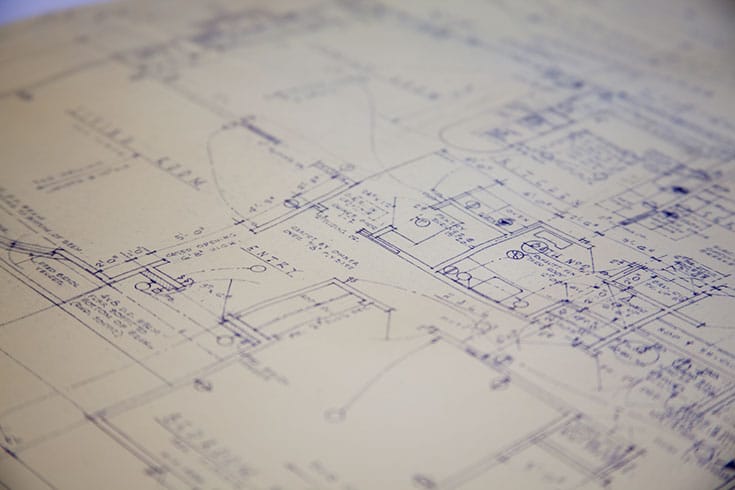
Building a modern design system in layers
So often, when building a design system, we end up building something rigid that we will struggle with as time goes by. When this is done, we can try to evolve it well, and to make it so good that …

COMMUNITY-BASED, HUMAN-CENTERED DESIGN
We propose a radical change in design from experts designing for people to people designing for themselves, leveraging the creativity of communities to solve their own problems. People in communiti…

The design systems between us. — Ethan Marcotte
It’s often suggested that design systems would improve the way organizations work. I’ve been wondering about that.

Design thinking was supposed to fix the world. Where did it go wrong?
An approach that promised to democratize design may have done the opposite.

On Design Thinking | Maggie Gram
By embracing “design thinking,” we attribute to design a kind of superior epistemology: a way of knowing, of “solving,” that is better than the old and local and blue-collar and municipal and unionized and customary ways. We bring in “design thinkers” — some of them designers by trade, many of them members of adjacent knowledge fields — to “empathize” with Kaiser hospital nurses, Gainesville city workers, church leaders, young mothers, and guerrilla fighters the world over.

Design Engineering with Maggie Appleton
“Design Thinking”: Defending Silicon Valley at the Apex of Global Labor Hierarchies
This paper examines the emergence of “design thinking” as a form of technical expertise. It demonstrates that “design thinking” articulates a racialized understanding of labor, judgment, and the subject and attempts to maintain whiteness at the apex of global hierarchies of labor.“Design thinking” is a form of expertise that poses design not as form giving, but as a form of empathic reason by which executives can plan products, services, and accumulation. Silicon Valley, business schools, and reformers promote it as a form of caring technical expertise by which some guide futures for others. The paper will examine the history of the concept of “design thinking” – a category forged by Silicon Valley designers in the face of mounting competitive pressures on design professions in the United States in the mid-2000s. By drawing on artifacts, documents, public debates about the design profession from this period, I will demonstrate how champions of “design thinking” responded to expanded availability of design labor globally by figuring Asians and machines as the creative subject's Other.

the new product designer (and why we’re getting it wrong)
Why Tech Needs More Designers With Disabilities
A life-threatening encounter with AI technology convinced me that the needs of people with disabilities need to be engineered into our autonomous future.