

This is a list, inspired by the Five Geek Social Fallacies, of common patterns or behaviours that developers of free/open source software (FOSS) fall into when they try to develop software for users who are not technical, or for whom non-technical users would be the most obvious userbase. Hopefully writing these down (which frankly is cathartic more than anything) is helpful to some in recognising these thought patterns and avoiding them when developing software – I’ve got some of my own thoughts on this at the bottom.
Keep Your Friends Close — Open Tech Strategies | Blog
One of the insider secrets of free and open source software (FOSS) is that most of the rules a project uses on a day-to-day basis are not found in the software’s license. There are contribution guidelines, which are enforced by the project only taking contributions that meet them. There are codes of conduct, which are a condition of community participation. There are endorsements, official membership, a voice in setting the project roadmap, and all kinds of other benefits that attach to varying types of community participation. In each case, entirely external to the license, there are official rules and unwritten norms that govern how participants gain the benefits of joining the civic life of a project.
My FOSS Story - Andrew Gallant's Blog
I’d like to break from my normal tradition of focusing almost strictly on technical content and share a bit of my own personal relationship with Free and Open Source Software (FOSS). While everyone is different, my hope is that sharing my perspective will help build understanding, empathy and trust.
Non-Coding Contributors in Open Source
The tradition of privileging only technical skills triggers imbalance and inequality.

FOSS funding, co-operation, and the Digital Life Collective
Free open-source software (FOSS) is the bedrock of our digital world. This is a story about getting funding for FOSS engineering…
Tantacrul – Achieving Excellence in Open Source Software Design #FOSSDesign
The Money In Open-Source Software | TechCrunch
It’s no secret that open-source technology -- once the province of radicals, hippies and granola eaters -- has gone mainstream. According to industry estimates, more than 180 young companies that give away their software raised roughly $3.2 billion in financing from 2011 to 2014. Despite the growing popularity of open-source software, though, many open-source companies are not financially healthy.

Why open source: 25 reasons to embrace it | Ben Balter
Open source isn't a fad. Here are twenty-five economic, moral, and personal reasons your organization should embrace it.
Software Freedom in a Post Open Source World
(Or: How I Learned to Stop Worrying and Love Software Freedom)

The Rules of Open Source No Longer Apply | Built In
When free software first gained traction, the world looked very different.

Open Source is Not Enough
by James Halliday // The open source movement has fundamentally changed how software gets written. But in the process, corporations have been given a vast gift of free labor.
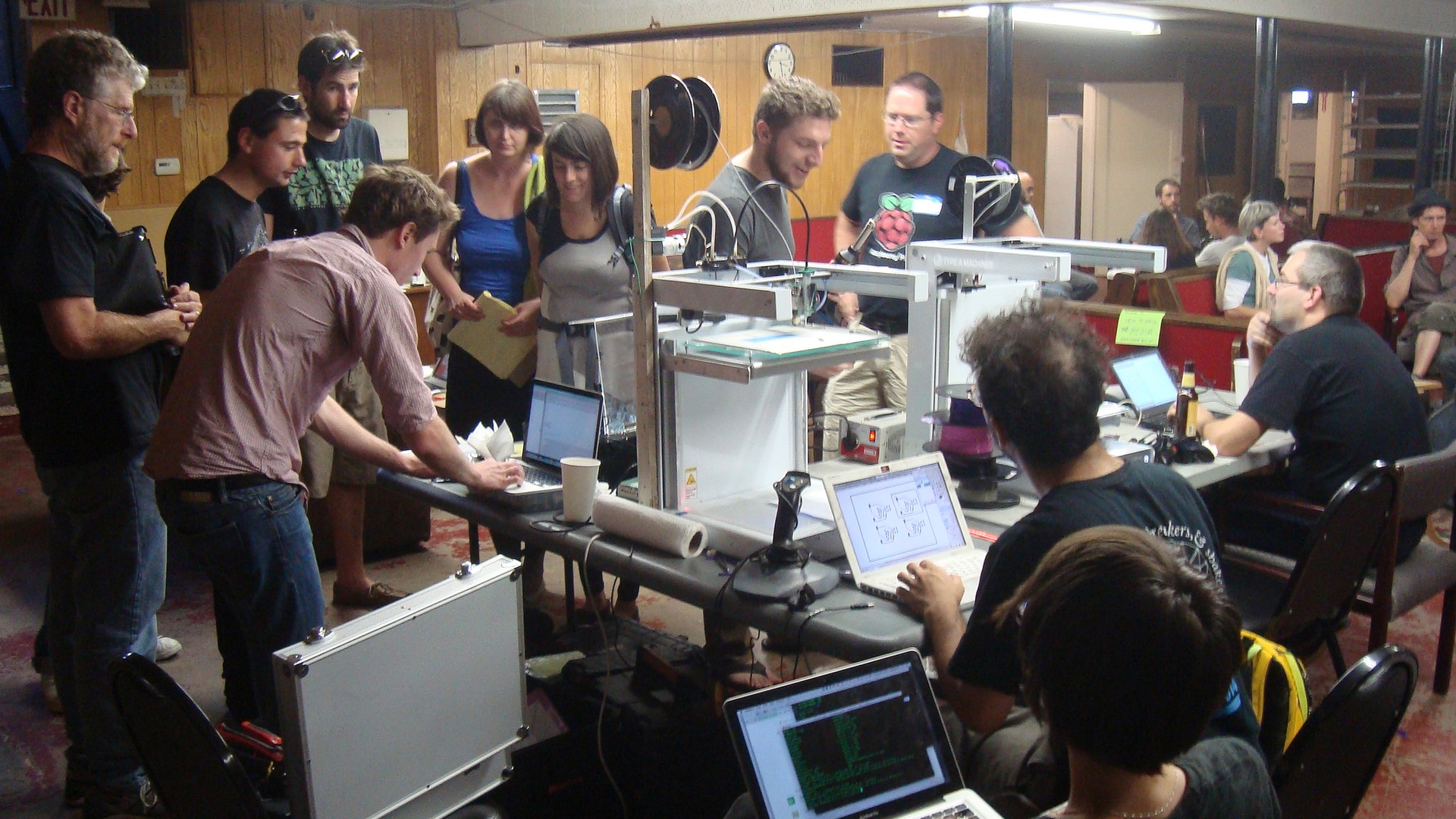
The Federation Fallacy
Throughout the free software community, an unbridled aura of justified mistrust fills the air: mistrust of large corporations, mistrust of governments, and of course, mistrust of proprietary software. Each mistrust is connected by a critical thread: centralisation.
How open-source software took over the world | TechCrunch
It was just five years ago that there was an ample dose of skepticism from investors about the viability of open source as a business model. Fast-forward to today and we’ve witnessed the growing excitement in the space.
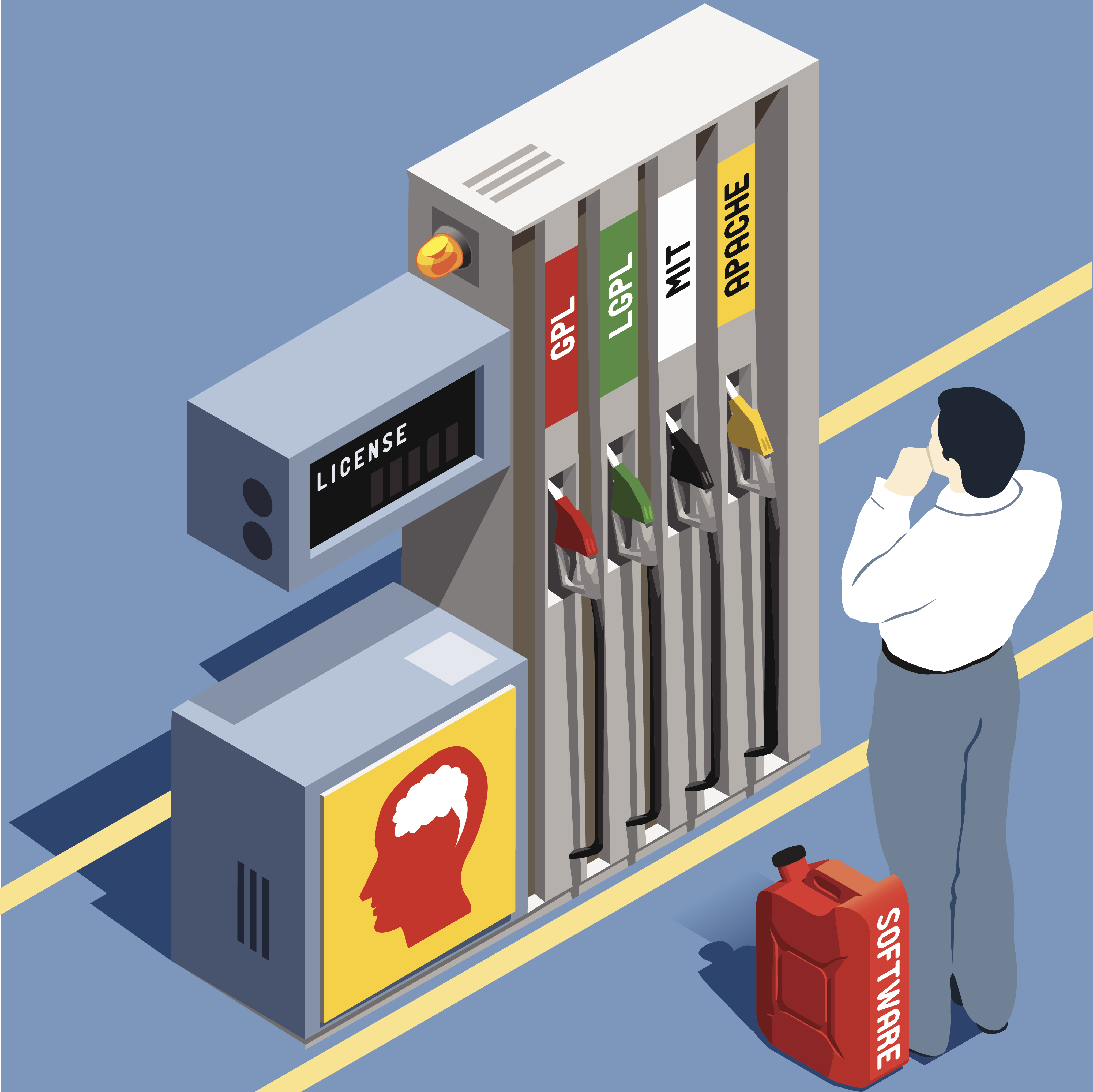
Open Source Hype Antidote
critical and alternative views on free and open source software

Tyranny of Permissionlessness
open source’s narrow focus further empowers those with other ways to exclude
Tyranny of Permissionlessness
open source’s narrow focus further empowers those with other ways to exclude
Histomat of F/OSS: We should reclaim LLMs, not reject them
A few days ago, I came across a blog post titled On FLOSS and training LLMs that articulates a growing frustration within the free and open source software…