


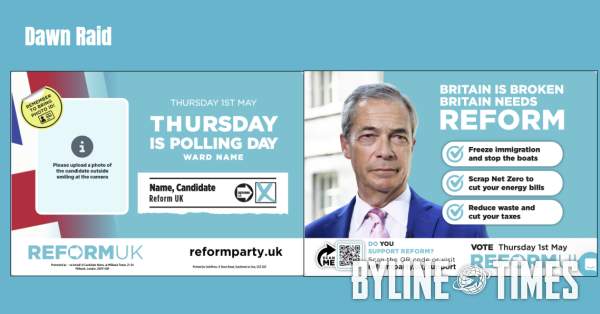
This week: have Reform UK misunderstood their audience; some alternative UKs; and some notes on Kiwis.
Crossing the divide: reaching Reform voters in a fractured Britain
Winning back Reform voters starts with introspection - progressives must face their own role in Britain’s divide

Building on the Fight Oligarchy Tour: It’s Time to Reboot America
A Call for a Big-Tent Movement
Verification, Deliberation, Accountability: A new framework for tackling epistemic collapse and renewing democracy
Demos is Britain’s leading cross-party think-tank. We produce original research, publish innovative thinkers and host thought-provoking events.
Britain’s Palestine failure and the collapse of the international rules-based order
Britain dithers on the sidelines instead of seizing the opportunity to address a century-old injustice inflicted on the Palestinian people

The Reform Councillors Embedded in Britain’s Masked 'Patriot' Anti-Migrant Network
A Reform councillor and campaign co-ordinater urged his followers to join and support the masked group

Reform UK Tells Its Activists ‘Don’t Drink and Tweet’ Because 'The Biggest Threat to Reform Is the People in It'
EXCLUSIVE: "If this was sat on the desk of an anti-Reform journalist, what are they going to do with it?” the leaked internal training course warn its members
EXPOSED: How Viktor Orbán Bankrolled the Network Around Reform UK
As Hungary’s Prime Minister suffers a historic electoral defeat, Byline Times maps out how his government’s funding arm channelled hundreds of thousands of pounds into organisations at the heart of Britain’s hard right.

Transmutations
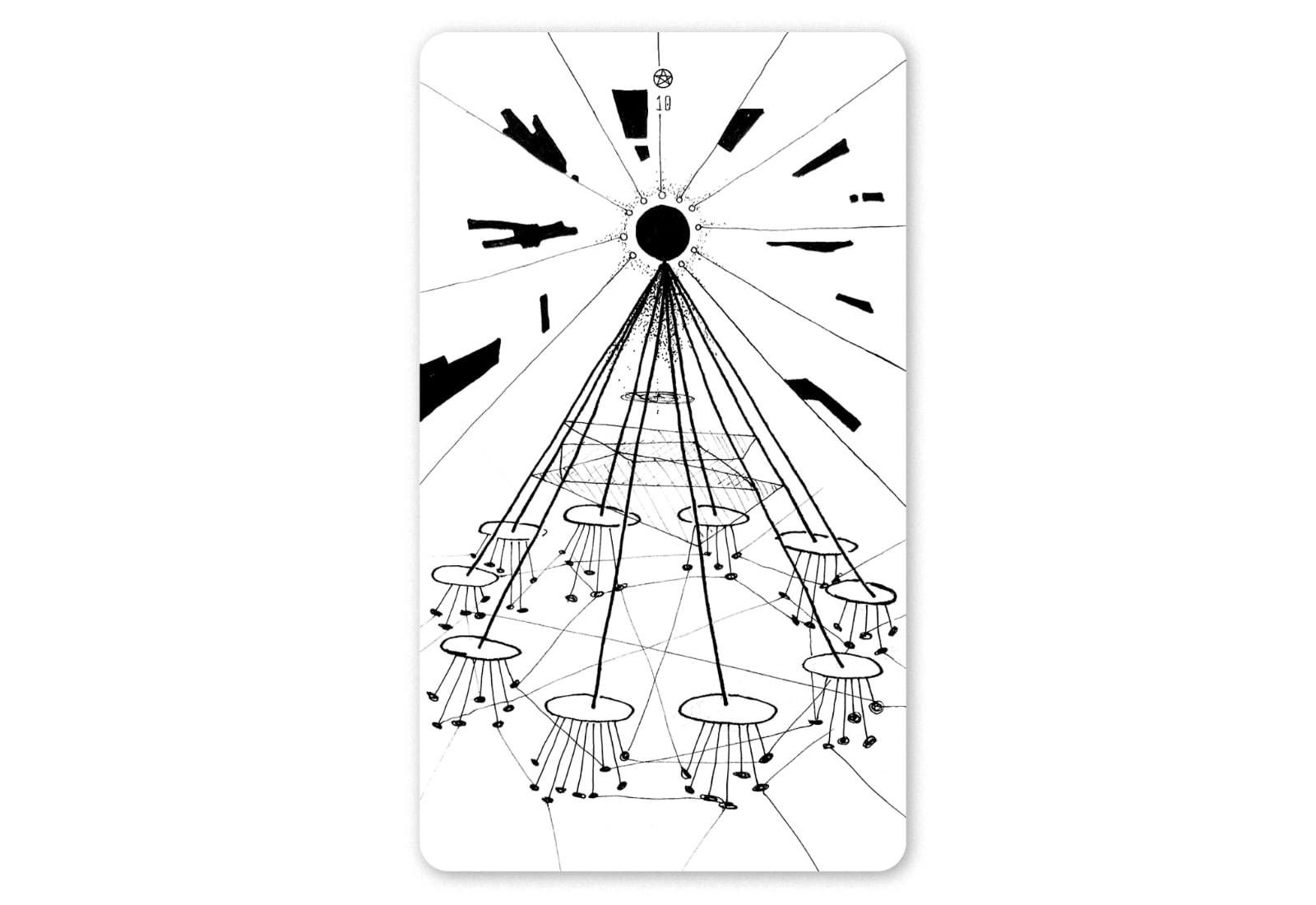
We know from experience and empirical analysis that open source and open standards projects drift into oligarchies that struggle to reform themselves and become ossified. Often, we can simply let them die and replace them with fresher alternatives, but when that's a costly option we can learn from theoretical models of institutional change to understand how to compost the oligarchy and regrow the project from within.
Citizen Participation (@oliverescobar.bsky.social)
Professor of Public Policy and Democratic Innovation | University of Edinburgh | Working on #democracy #participation #deliberation #commons #governance #power #research | RT≠ endorse | Own views | Profile: https://www.sps.ed.ac.uk/staff/oliver-escobar

The right-wing press: power without responsibility?
Behind the stirring, ostensibly patriotic headlines how much power do the UK’s right-wing press wield, and how much do the public know about it?

Reform UK Donations Overwhelmingly Have Overseas or Tax-Haven Ties
Analysis of the latest Electoral Commission filings shows 87% of the £5.4m in donations newly-declared by Nigel Farage's party came from donors linked to offshore jurisdictions

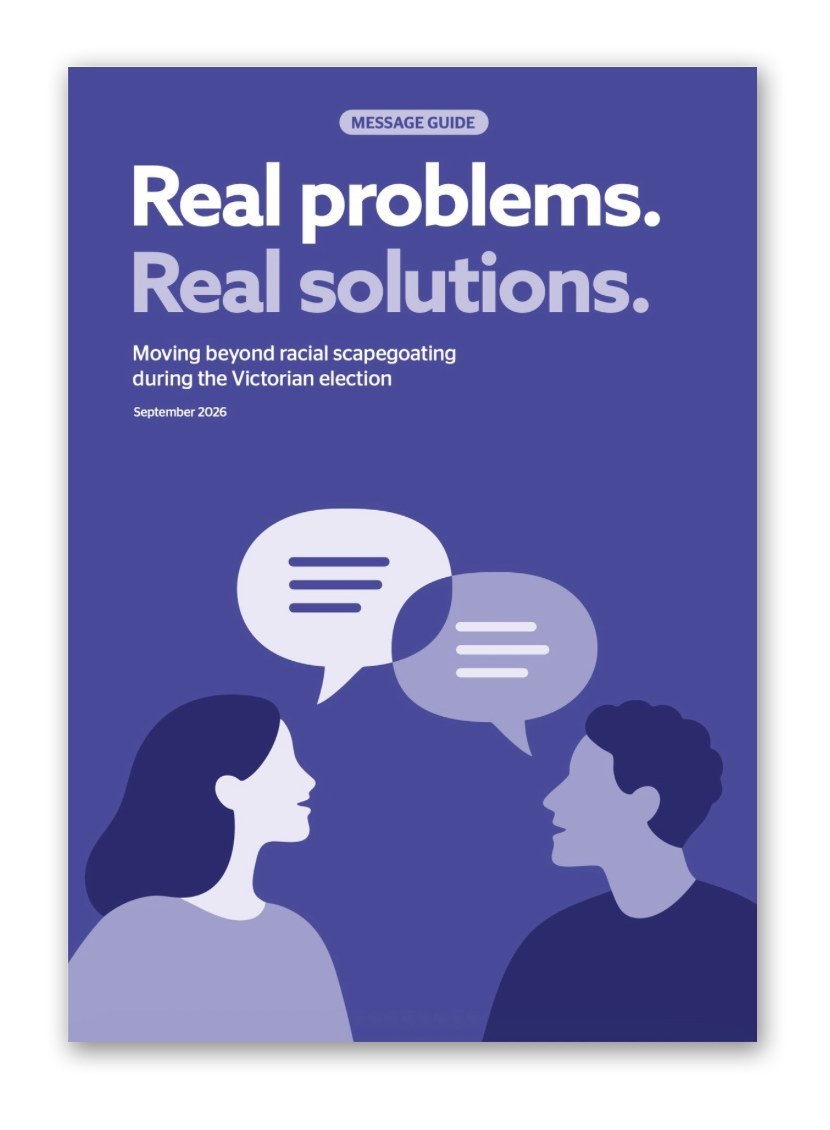
Real Problems, Real Solutions: A Messaging Guide to Move Beyond Racial Scapegoating in the Victorian Election
The Commons is an online library for the change makers of the world and for those interested in social change, activism, organising, advocacy and justice.
America’s new oligarchy
Under Trump an ultra-wealthy clique has infiltrated government, raising concerns about democratic integrity

The Great Realignment: Why the New Right Is Here to Stay
The re-election of Donald Trump has illustrated in spectacular fashion the extent to which politics all over the world is in a state of continual flux. Old political configurations and parties are under unprecedented strain, with new forces, particularly on the hard right, challenging the status quo everywhere. Rejecting stale analyses based on moralistic panics about 'populism' or social media, political commentator Steve Davies shows how we are going through a deep-seated process of realignment rooted in underlying structural trends. We are transitioning, he argues, from an era where the key political division was over the economic structure of society to one where the primary division is between a vision rooted in national identity and sovereignty, and an essentially post-national cosmopolitanism. This change upends the ideological and electoral alliances that have structured our political systems for decades. No-one who wishes to truly understand the crises currently roiling the political status quo can afford to miss this stunning panoramic analysis of how this process works and how it is playing out across the world, from the USA and Germany to Argentina and India, and beyond.