

This week: why the collapse of print media is contagious; some stuff invented for space; and Pablo Escobar’s drug hippos.
Virality | The Paper Pilot
The Paper Pilot's digital garden of thoughts on philosophy, politics, and sociology
Q&A: Robin Berjon on freeing journalists' feeds.
The AT protocol and “long-term, lifelong, sustainable protection against enshittification.”
Mobilisation du 17 octobre : dans la presse internationale, des «émeutes sans précédent» et le crépuscule du macronisme
De la BBC au «New York Times» en passant par le «Spiegel», les grands médias occidentaux ont concentré leur attention sur les violences et les images de rues dévastées, tout en pointant la responsabilité de l’exécutif.

Why Protecting Kids from Social Media May Make Things Worse — Douglas Rushkoff
I’m supposed to give a talk next week about kids and social media and the need for more media literacy education, more regulation of platforms, and more substantive discussion about how to keep our kids from media-induced self-harm. The whole event is well-meaning, but is characterized by a sense of worry and protection. And for some reason, after years of making those sorts of arguments in my articles and documentaries, I have a strong impulse to pivot the other way.
Filter Bubbles | The Paper Pilot
The Paper Pilot's digital garden of thoughts on philosophy, politics, and sociology
Digital Avatars | The Paper Pilot
The Paper Pilot's digital garden of thoughts on philosophy, politics, and sociology
Brett Scott (@brettscott)
Marshall McLuhan is famous for his observation that the form of a communication technology can shape our mind and society The age of the printed book, for example, carried with it a particular way of being. Regardless of the differing content of different books, all books required a particular mindset in which a thread is followed from the beginning to the end through an arc I feel the age of social media is like the age of a ripped up book, as if we were surrounded by torn shards and shreds of paper floating like confetti around us. We grab for them, hoping for some tiny insight, but not having any way of knowing where it fits in the overarching narrative This note is one such shard. You can toss it away now

Social Media Is Now Parasocial Media
When practitioners used the term “social media” to describe the internet tools that emerged in the mid-aughts, they were giving a name to the kinds of platforms and protocols that allowed people to socialize with friends and communities of interest by using digital technologies. Twenty years later, users of social media are far more likely to scroll than post – and the content that they consume is often strategically produced and algorithmically curated. In this essay, I argue that the very essence of social media has changed. To more effectively interrogate what we are witnessing, we need to stop presuming that these tools are “social media” and begin recognizing that they are now “parasocial media.” Doing so raises new questions about digitally mediated sociality, not to mention the politics and governance of these platforms.

Medium and Twitter founder: ‘We put junk food in front of them and they eat it’
Ev Williams on feedback loops, giving a home to publishers, and finding critical mass
Babble Buds | The Paper Pilot
The Paper Pilot's digital garden of thoughts on philosophy, politics, and sociology
Kill the Internet | The Paper Pilot
The Paper Pilot's digital garden of thoughts on philosophy, politics, and sociology
Enshittification | The Paper Pilot
The Paper Pilot's digital garden of thoughts on philosophy, politics, and sociology
Publishing is fucked. The ATmosphere could save it. | Paul Stephenson | Offprint
Building a future for publishing that keeps authors and readers at its heart.

Cory Doctorow at CF 25: How Enshittification Conquered the 21st Century and How We Can Overthrow It
Andrew Sullivan: My Distraction Sickness — and Yours
An endless bombardment of news and gossip and images has rendered us manic information addicts. It broke me. It might break you, too.
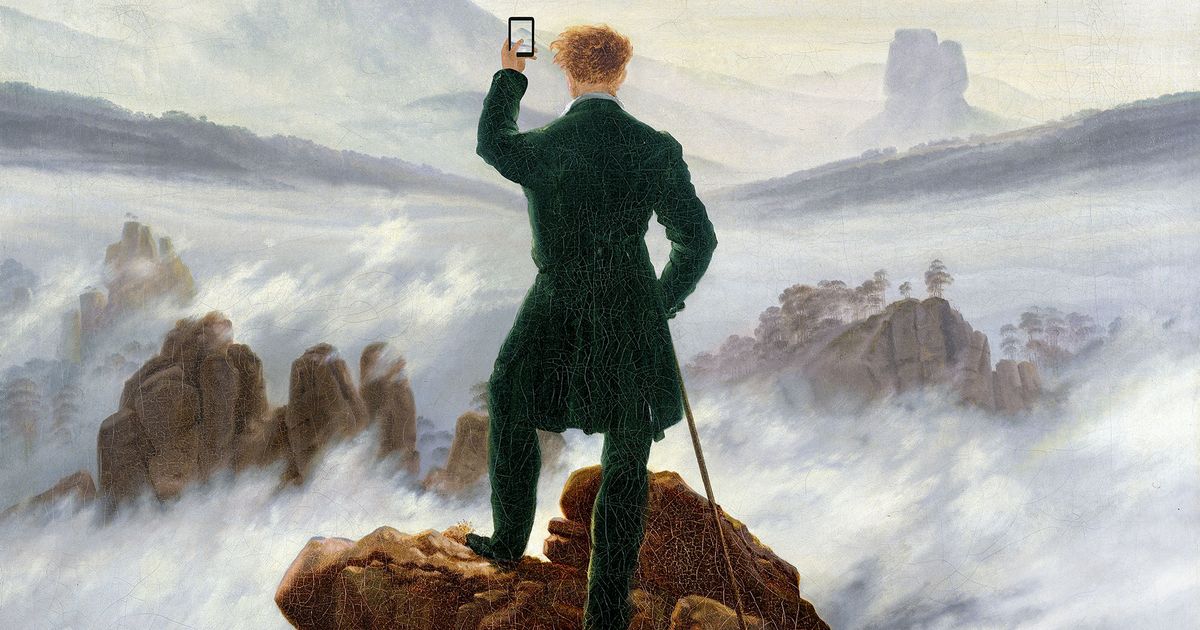
🧵 On social media, we feel trapped in “filter bubbles” and “echo chambers.” Often, we see this as a problem with the algorithm. Our new essay argues the problem is the feed interface itself: it constrains our movement—all we can do is scroll. We lay out an alternative vision:

From Feeds to Trails
leaflet.pub