

Twitter user ekse has graciously translated this blog to Chinese. Thanks! TL;DR: By the end of this essay I hope to convince you of the following facts. First, that modern desktop operating systems are anything but. They are bloated, slow, and layered with legacy cruft that still functions only thanks to Moore's Law. Second, that innovation in desktop operating systems stopped about 15 years ago and the major players are unlikely to heavily invest in them again. And finally, I hope to convince you that we can and should start over from scratch, learning the lessons of the past.
What Even Is An OS Now?
Computers now work the way I thought they did when I was 8. What does computing look like when most applications have an audience of 1-2 people? I'm leaving Fly.io to build a phone for that world.
Scott Jenson: Are we really going to use the same Desktop UX forever?
Scott Jenson: Are we really going to use the same Desktop UX forever?
Scott Jenson: Are we really going to use the same Desktop UX forever?
Why We Need to Rethink the Computer ‘Desktop’ as a Concept
Thoughts about a new direction for desktop UI
Main Linux problems on the desktop, 2016 edition
In this regularly updated article, which is without doubt the most comprehensive list of Linux distributions' problems on the entire Internet, we only discuss their main problems and deficiencies (which may be the reason why some people say Linux distros are not ready for the desktop) while everyone should keep in mind that there are areas where Linux has excelled other OSes: excellent package management, multiple platforms and architectures support out of the box, usually excellent stability, no widely circulating viruses or malware, complete system reinstallation is almost never required, besides Linux is extremely customizable, easily scripted and it's free as in beer.
Desktop Neo – rethinking the desktop interface for productivity.
The desktop computer hasn’t changed much in the last 30 years. It’s still built on windows, folders and mouse input. But we have changed. We now use smartphones and tablets most of the time, since they are much easier to use.The traditional desktop computer is struggling to adapt the simple interfaces of mobile devices while also keeping its focus on productivity. With people switching to mobile devices for mundane tasks, we have the opportunity to rethink the desktop computer with a focus on getting professional work done.
The Interfaces With Which We Think
The concepts in modern operating systems — apps, windows, desktops, notifications, and so on — have so permeated our understanding of personal computing, it’s hard to imagine anything else, let alone believe there could be anything better.
Hello, Operator!
Part of the WonderOS project, this is presented as the operating manual that would come with the reader’s first machine running WonderOS. It is an exercise in exploring how people familiar with mainstream personal computing devices and systems would become computer literate in an itemized environment. It is written as though the reader is familiar with today’s mainstream operating systems, and is exploring their first itemized OS.
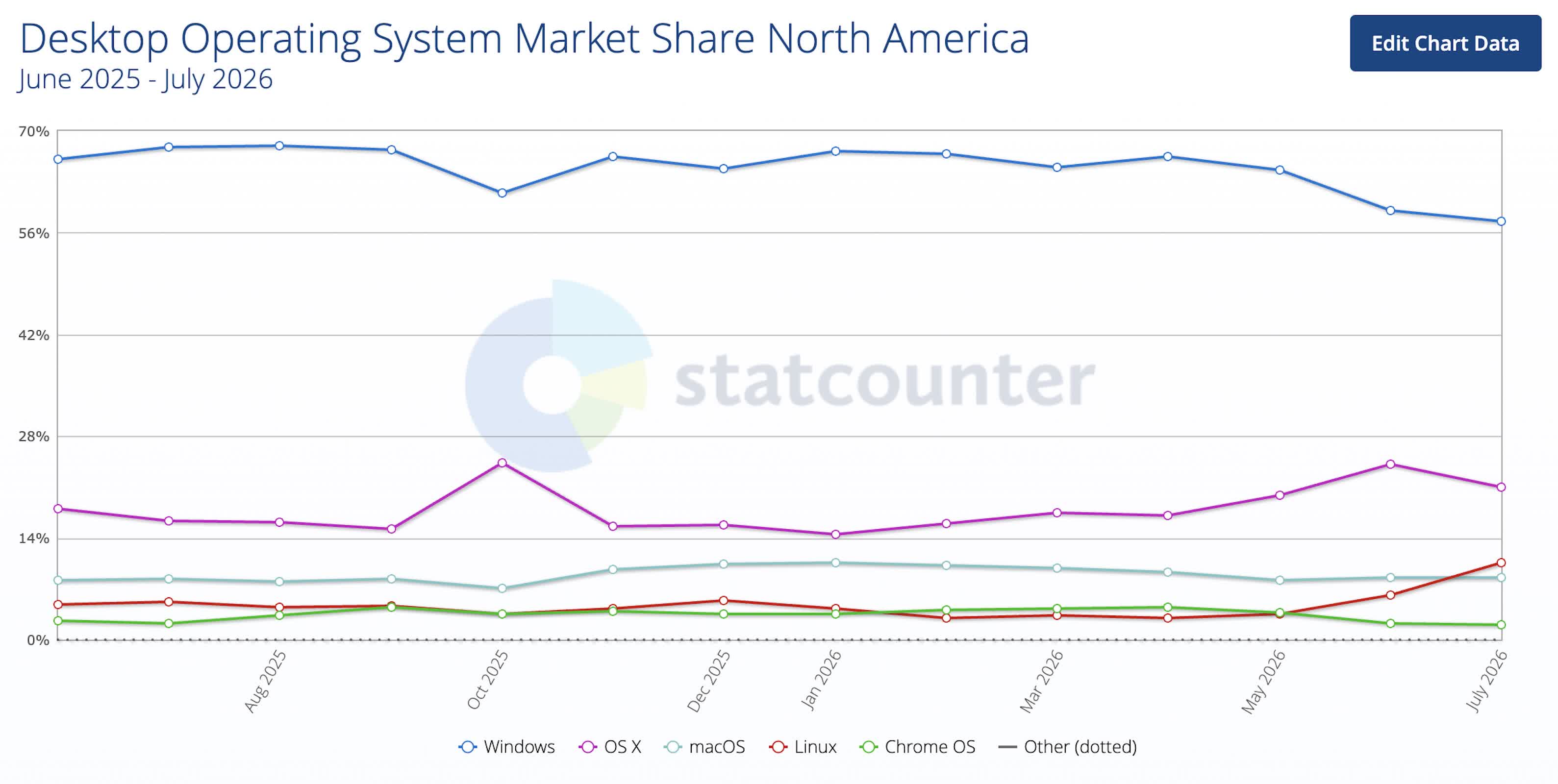
Linux just cracked 10% desktop usage in North America, but no one's sure why
The shift stands out because the change was not gradual but abrupt. Linux's rise came largely at Windows' expense, while macOS saw only limited movement over the...
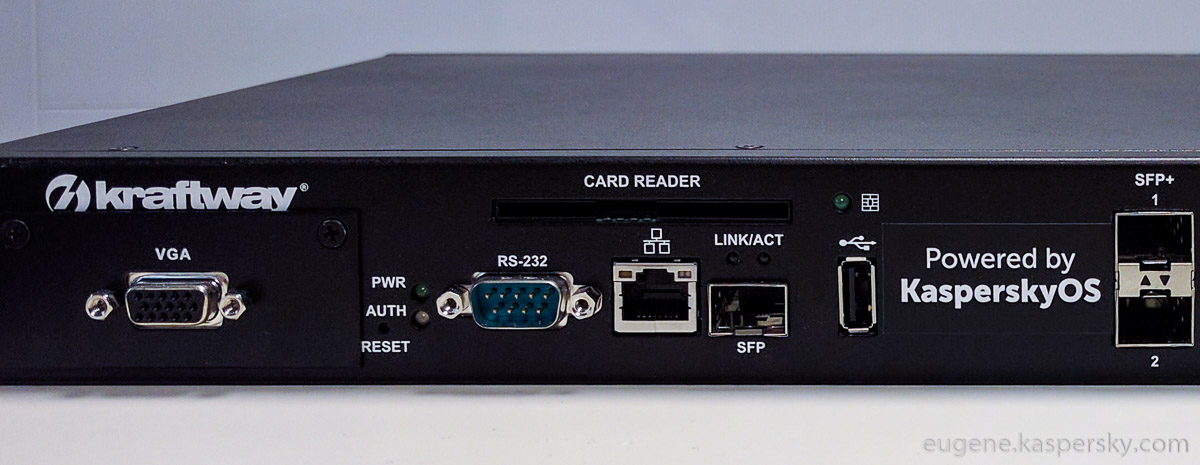
Finally, Our Own OS – Oh Yes!
At last – we’ve done it! I’ve anticipated this day for ages – the day when the first commercially available mass market hardware device based our own secure operating system landed on my desk.
Operating Systems: Three Easy Pieces
Quick: Free Book Chapters - Hardcover - Softcover (Amazon) - Buy PDF - Buy in India - Buy Stuff - Donate - For Teachers - Homework - Projects - News - Acknowledgements - Other Books

The Invisible OS
THE INVISIBLE OS – Every massive consumer technology business is selling the same thing: the removal of thought. In the end, convenience always wins. Dishwashers automated hours of domestic chores. GPS externalized our spatial memory. Calculators offloaded routine arithmetic. The pattern acceler...

The Invisible OS
THE INVISIBLE OS – Every massive consumer technology business is selling the same thing: the removal of thought. In the end, convenience always wins. Dishwashers automated hours of domestic chores. GPS externalized our spatial memory. Calculators offloaded routine arithmetic. The pattern acceler...
