This study examined the immunological responses to cold exposure together with the effects of pretreatment with either passive heating or exercise (with and without a thermal clamp). On four separate occasions, seven healthy men [mean age 24.0 ± 1.9 (SE) yr, peak oxygen consumption = 45.7 ± 2.0 ml ⋅ kg −1 ⋅ min −1 ] sat for 2 h in a climatic chamber maintained at 5°C. Before exposure, subjects participated in one of four pretreatment conditions. For the thermoneutral control condition, subjects remained seated for 1 h in a water bath at 35°C. In another pretreatment, subjects were passively heated in a warm (38°C) water bath for 1 h. In two other pretreatments, subjects exercised for 1 h at 55% peak oxygen consumption (once immersed in 18°C water and once in 35°C water). Core temperature rose by 1°C during passive heating and during exercise in 35°C water and remained stable during exercise in 18°C water (thermal clamping). Subsequent cold exposure induced a leukocytosis and granulocytosis, an increase in natural killer cell count and activity, and a rise in circulating levels of interleukin-6. Pretreatment with exercise in 18°C water augmented the leukocyte, granulocyte, and monocyte response. These results indicate that acute cold exposure has immunostimulating effects and that, with thermal clamping, pretreatment with physical exercise can enhance this response. Increases in levels of circulating norepinephrine may account for the changes observed during cold exposure and their modification by changes in initial status.
What cold showers and exercise have in common
Can cold showers, winter plunges, and brisk walks in the chilly outdoors provide some of the same benefits as intense exercise—including weight loss and increased energy levels? Such a link …

Greatly enhanced risk to humans as a consequence of empirically determined lower moist heat stress tolerance
As heatwaves become more frequent, intense, and longer-lasting due to climate change, the question of breaching thermal limits becomes pressing. A wet-bulb temperature (T w ) of 35 °C has been proposed as a theoretical upper limit on human abilities to biologically thermoregulate. But, recent—empirical—research using human subjects found a significantly lower maximum T w at which thermoregulation is possible even with minimal metabolic activity. Projecting future exposure to this empirical critical environmental limit has not been done. Here, using this more accurate threshold and the latest coupled climate model results, we quantify exposure to dangerous, potentially lethal heat for future climates at various global warming levels. We find that humanity is more vulnerable to moist heat stress than previously proposed because of these lower thermal limits. Still, limiting warming to under 2 °C nearly eliminates exposure and risk of widespread uncompensable moist heatwaves as a sharp rise in exposure occurs at 3 °C of warming. Parts of the Middle East and the Indus River Valley experience brief exceedances with only 1.5 °C warming. More widespread, but brief, dangerous heat stress occurs in a +2 °C climate, including in eastern China and sub-Saharan Africa, while the US Midwest emerges as a moist heat stress hotspot in a +3 °C climate. In the future, moist heat extremes will lie outside the bounds of past human experience and beyond current heat mitigation strategies for billions of people. While some physiological adaptation from the thresholds described here is possible, additional behavioral, cultural, and technical adaptation will be required to maintain healthy lifestyles.

Cold-Water Swimming | Hacker News
I find the first few minutes of the swim are the hardest, as your body is adjusting to the cold, surface blood vessels are constricting, etc. The next 5-15 minutes are fantastic! I don't usually push it much beyond that.
Physical and Mental Effects of Bathing: A Randomized Intervention Study
Showering is the most common form of bathing worldwide. Whole-body immersion bathing in warm water (~40°C) is common in Japan and exerts sufficient hyperthermic action to induce vasodilatation and increase blood flow, supplying more oxygen and nutrients to the periphery. Cross-sectional studies report better subjective health status with an immersion bathing habit. This randomized controlled trial compared the effects on health of immersion bathing and shower bathing in 38 participants who received 2-week intervention of immersion bathing in warm water (40°C) for 10 min (bathing intervention) followed by 2-week shower bathing without immersion (showering intervention) or vice versa (n = 19 each group). Visual analog scale scores were significantly better for fatigue, stress, pain, and smile and tended to be better for self-reported heath and skin condition after bathing intervention than after showering intervention. The SF-8 Health Survey showed significantly better general health, mental health, role emotional, and social functioning scores. Profile of Mood State scores were lower for stress, tension-anxiety, anger-hostility, and depression-dejection. Immersion bathing, but not shower bathing, exerts hyperthermic action that induces increased blood flow and metabolic waste elimination, which may afford physical refreshment. Immersion bathing should improve both physical and emotional aspects of quality of life.
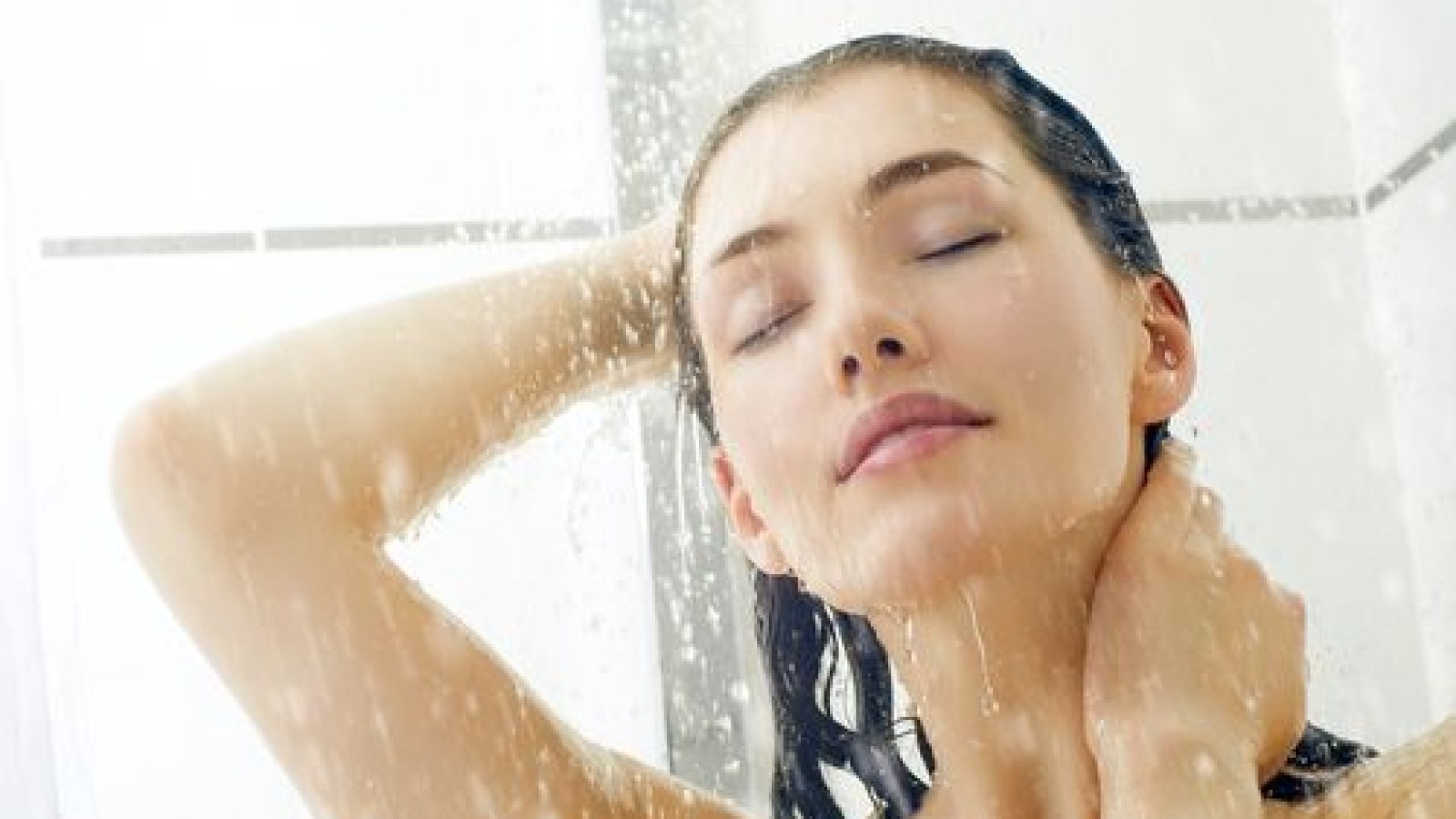
Benefits of Cold Showers: 7 Reasons Why Taking Cool Showers Is Good For Your Health
Taking cold showers instead of hot showers provides surprising health benefits — from burning fat to depression relief — for our skin and body.
Heat can age you as much as smoking, a new study finds
Exposure to heat can alter the way your DNA works, according to a new study. The effects could lead to long-term health outcomes.

BICO – educational program about hypothermia & cold injuries – Hypothermia & cold injury online learning resources for first responders
In this course you will find a range of educational video modules on a variety of treatment topics, self-assessment exercises at the end of each to verify your knowledge of the material taught and interactive video scenarios that put you into a search and allow you to test your newly acquired knowledge in simulated real life situations. Your teacher is Dr. Gordon Giesbrecht (aka Professor Popsicle), a world-renowned expert on ‘freezing to death’ and Professor Emeritus of Thermophysiology at the University of Manitoba.
Journal of Applied Physiology
<p>The <em>Journal of Applied Physiology</em> publishes original papers that deal with diverse areas of research in applied physiology, especially those papers emphasizing adaptive and integrative mechanisms. Adaptive physiology includes 1) inherent adaptations such as those related to development, aging, and pathophysiological conditions and 2) adaptations to the external environment such as those occurring with exercise, microgravity, hypoxia, hypo- and hyperbaria, and hypo- and hyperthermic conditions. Integrative physiology includes 1) horizontal integration across organ systems and 2) vertical integration from molecule to cell to organ. In all areas of applied physiology, the use of cutting-edge techniques including molecular and cellular biology is strongly encouraged.</p><p>The wide scientific span of the Journal rests on physiology as its keystone. However, the boundaries of physiology have enlarged as demarcations between concepts and techniques in the physiological, pharmacological, and biochemical sciences become increasingly blurred. Moreover, theoretical articles on research at any level of biological organization ranging from molecules to humans fall within the broad scope of the Journal. Papers dealing with topics in other basic sciences that impinge on physiology are also welcome.</p>
The ‘Omics’ of Exercise (Published 2020)
When we exercise, even for a few minutes, hundreds of molecules related to our metabolic health rise and fall in our bloodstreams.

How Exercise Can Keep Aging Muscles and Immune Systems ‘Young’ (Published 2018)
Older cyclists are not like most of the rest of us. They are healthier. They are, biologically, younger.

Oh no! I’m sorry to report that cold plunges are great
A look into the breathtaking wellness trend beloved by athletes and celebrities from Lizzo to Joe Rogan

Heat-related urban mortality attributable to human-induced climate change in Europe in summer 2026
The summer of 2026 was characterised by a series of extreme heatwaves across Western Europe, with both monthly and annual temperature records broken repeatedly across many countries from May onwards. Several government agencies took the unprecedented step of issuing near-real-time estimates of the mortality associated with the most intense heat events, reflecting the severity of the threat to public health. In this study we combine probabilistic climate attribution with city- and age-specific temperature–mortality relationships to estimate heat-related mortality in 854 European cities during the summer months (June-August) and compare with counterfactual climate conditions representing a world without human-caused warming. We estimate 50,391 heat-related excess deaths across the 854 cities during the summer, with around two thirds of these attributable to anthropogenic climate change. These results highlight the threat from human-caused warming and the need for rapid emissions reductions alongside preparation and adaptation measures.
The physiological effects of Shinrin-yoku (taking in the forest atmosphere or forest bathing): evidence from field experiments in 24 forests across Japan
This paper reviews previous research on the physiological effects of Shinrin-yoku (taking in the forest atmosphere or forest bathing), and presents new results from field experiments conducted in 24 forests across Japan. The term Shinrin-yoku was coined by the Japanese Ministry of Agriculture, Forestry, and Fisheries in 1982, and can be defined as making contact with and taking in the atmosphere of the forest. In order to clarify the physiological effects of Shinrin-yoku, we conducted field experiments in 24 forests across Japan. In each experiment, 12 subjects (280 total; ages 21.7 ± 1.5 year) walked in and viewed a forest or city area. On the first day, six subjects were sent to a forest area, and the others to a city area. On the second day, each group was sent to the other area as a cross-check. Salivary cortisol, blood pressure, pulse rate, and heart rate variability were used as indices. These indices were measured in the morning at the accommodation facility before breakfast and also both before and after the walking (for 16 ± 5 min) and viewing (for 14 ± 2 min). The R–R interval was also measured during the walking and viewing periods. The results show that forest environments promote lower concentrations of cortisol, lower pulse rate, lower blood pressure, greater parasympathetic nerve activity, and lower sympathetic nerve activity than do city environments. These results will contribute to the development of a research field dedicated to forest medicine, which may be used as a strategy for preventive medicine.

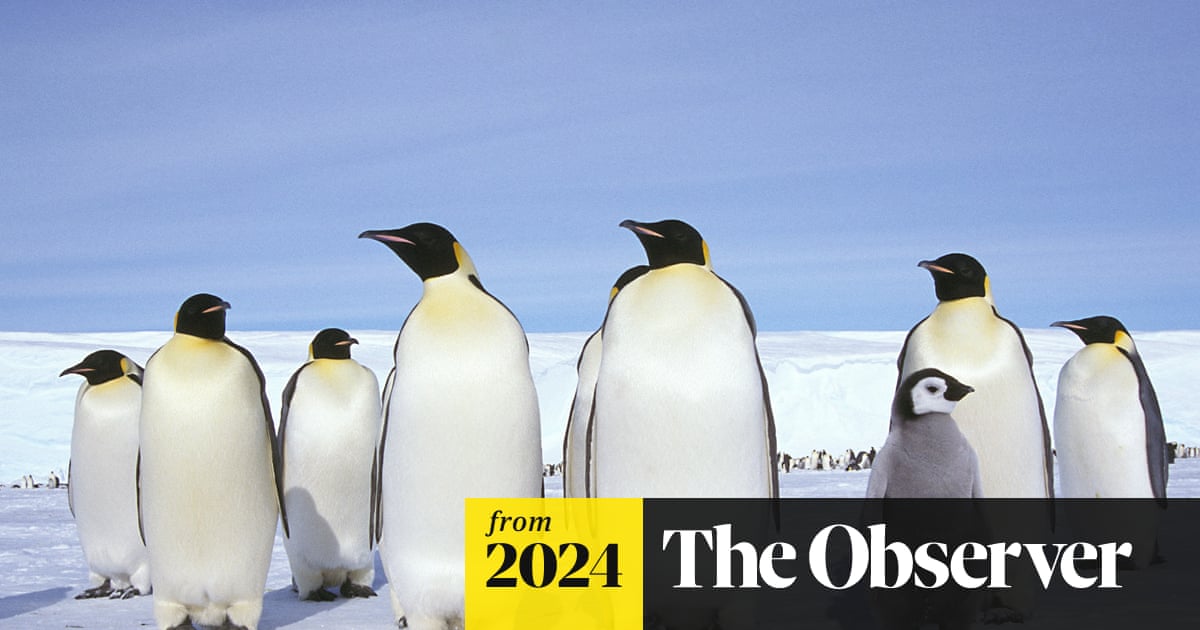
‘Simply mind-boggling’: world record temperature jump in Antarctic raises fears of catastrophe
An unprecedented leap of 38.5C in the coldest place on Earth is a harbinger of a disaster for humans and the local ecosystem
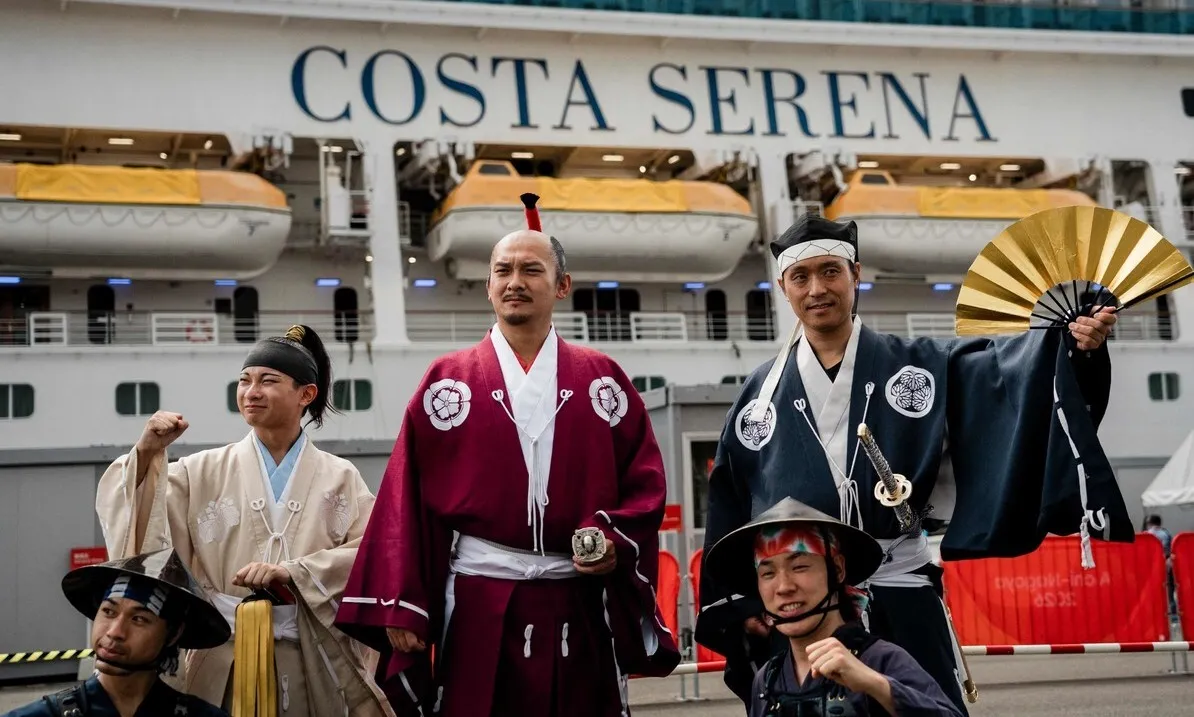
이순신 안 된다더니 도요토미는 되나…아시안게임서 ‘이중잣대’ 논란
대한체육회가 2026 아이치·나고야 아시안게임 크루즈 선수촌 기념행사에 임진왜란을 일으킨 도요토미 히데요시가 등장한 것과 관련해 유감을 표명하고 재발 방지를 요구했다. 대한체육회는 전날(16일) 행사 내용을 인지한 뒤 대한체육회장 명의의 서한을 국제올림픽위원회(IOC)