


Habitually wearing high-heeled footwear structurally remodels leg muscle tendons and improves user walking economy, regardless of worn attire. , The habitual use of high-heeled footwear may structurally remodel user leg muscle tendons, thereby altering their functional capabilities. High heels set users’ ankles in relatively plantarflexed positions, causing calf muscle tendons to operate at relatively short lengths. Habitually operating muscle tendons at relatively short lengths induces structural remodeling that theoretically affects muscle metabolism. Because structural changes occur within the body, the user’s locomotor metabolism may change in any footwear condition (e.g., conventional shoes, barefoot). Here, we studied the influence of habitual high-heel use on users’ leg muscle-tendon structure and metabolism during walking in flat-soled footwear. We tested eight participants before and after 14 wk of agreeing to wear high heels as their daily shoes. Overall, participants who wore high heels >1,500 steps per day, experienced a 9% decrease in their net metabolic power during walking in flat-soled footwear (d = 1.66, P ≤ 0.049), whereas participants who took <1,000 daily steps in high heels did not (d = 0.44; P = 0.524). Across participants, for every 1,000 daily steps in high heels, net metabolic power during walking in flat-soled footwear decreased 5.3% ( r = –0.73; P = 0.040). Metabolic findings were partially explained (r 2 = 0.43; P = 0.478) by trending shorter medial gastrocnemius fascicle lengths (d = 0.500, P = 0.327) and increased Achilles tendon stiffness (d = 2.889, P = 0.088). The high-heel intervention did not alter user walking stride kinematics in flat-soled footwear (d ≤ 0.567, P ≥ 0.387). While our limited dataset is unable to establish the mechanisms underlying the high-heel-induced walking economy improvement, it appears that prescribing specific footwear use can be implemented to alter user muscle-tendon properties and augment their function in any shoes. NEW & NOTEWORTHY Habitually wearing high-heeled footwear structurally remodels leg muscle tendons and improves user walking economy, regardless of worn attire.
The Power Of Long Walks (15,000 Steps A Day Changed My Life) - Dan Koe
Long walks are the secret to a lean body and mind. Long walks are the ultimate habit.

Interactions between gut microbiota and skeletal muscle
The gut microbiota is now recognized as a major contributor to the host’s nutrition, metabolism, immunity, and neurological functions. Imbalanced microbiota (ie, dysbiosis) is linked to undernutrition-induced stunting, inflammatory and metabolic diseases, and cancers. Skeletal muscle also takes part in the interorgan crosstalk regulating substrate metabolism, immunity, and health. Here, we review the reciprocal influence of gut microbiota and skeletal muscle in relation to juvenile growth, performance, aging, and chronic diseases. Several routes involving the vascular system and organs such as the liver and adipose tissue connect the gut microbiota and skeletal muscle, with effects on fitness and health. Therapeutic perspectives arise from the health benefits observed with changes in gut microbiota and muscle activity, further encouraging multimodal therapeutic strategies.

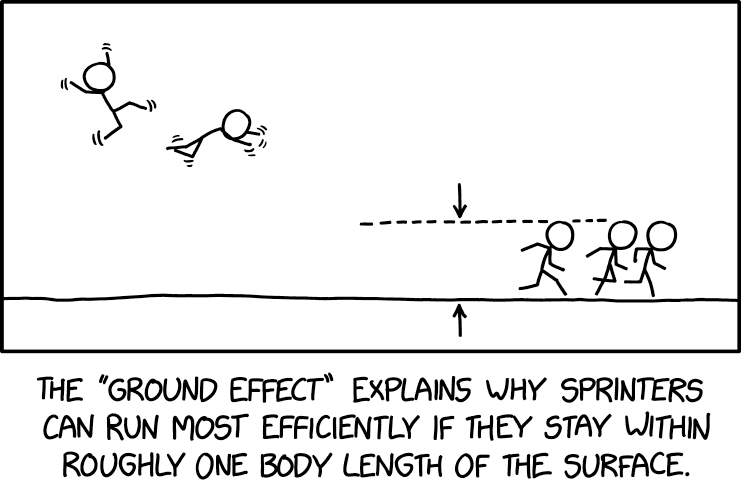
Ground Effect
Runners looking for aerodynamic advantage typically wear sneakers because some fancy dress shoes can create wingtip vortices.
Study of the combined effects of PTH treatment and mechanical loading in postmenopausal osteoporosis using a new mechanistic PK-PD model
One of only a few approved and available anabolic treatments for severe osteoporosis is daily injections of PTH (1-34). This drug has a specific dual action which can act either anabolically or catabolically depending on the type of administration, i.e. intermittent or continuous, respectively. In this paper, we present a mechanistic pharmacokinetic–pharmacodynamic model of the action of PTH in postmenopausal osteoporosis. This model accounts for anabolic and catabolic activities in bone remodelling under intermittent and continuous administration of PTH. The model predicts evolution of common bone biomarkers and bone volume fraction (BV/TV) over time. We compared the relative changes in BV/TV resulting from a daily injection of 20 $$\upmu$$g of PTH with experimental data from the literature. Simulation results indicate a site-specific bone gain of 8.66$$\%$$(9.4 ± 1.13$$\%$$) at the lumbar spine and 3.14$$\%$$(2.82 ± 0.72$$\%$$) at the femoral neck. Bone gain depends nonlinearly on the administered dose, being, respectively, 0.68$$\%$$, 3.4$$\%$$and 6.16$$\%$$for a 10, 20 and 40 $$\upmu$$g PTH dose at the FN over 2 years. Simulations were performed also taking into account a bone mechanical disuse to reproduce elderly frail subjects. The results show that mechanical disuse ablates the effects of PTH and leads to a 1.08% reduction of bone gain at the FN over a 2-year treatment period for the 20 $$\upmu$$g of PTH. The developed model can simulate a range of pathological conditions and treatments in bones including different PTH doses, different mechanical loading environments and combinations. Consequently, the model can be used for testing and generating hypotheses related to synergistic action between PTH treatment and physical activity.

Why a majority of runners, even among international elites, are heel strikers by Blaise Dubois
Below is the text of a newsletter that my friend Blaise Dubois, a physiotherapist from Quebec City, just sent out regarding the topic of heel striking. If you don’t subscribe to Blaise’s newsletter, I recommend that you do – he sends out a lot of interesting information, and posts like this one are great for sparking debate and discussion – you can subscribe here.

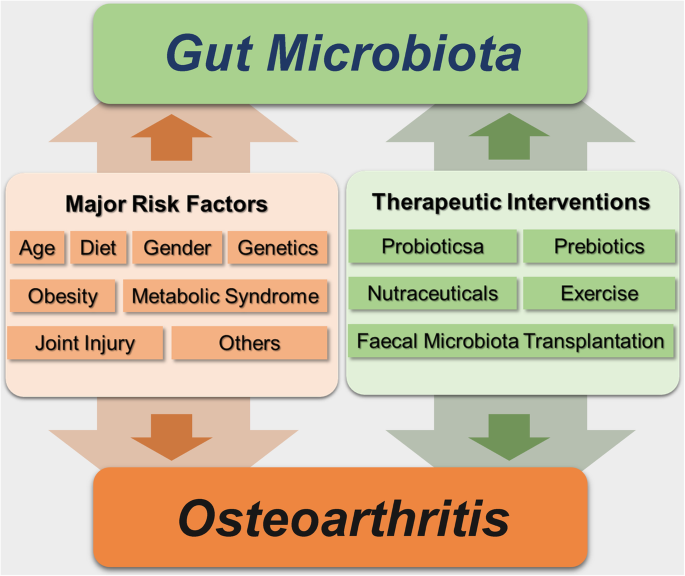
The gut microbiota in osteoarthritis: where do we stand and what can we do?
Osteoarthritis (OA) is one of the most frequent musculoskeletal diseases characterized by degeneration of articular cartilage, subchondral bone remodeling, and synovial membrane inflammation, which is a leading cause of global disability, morbidity, and decreased quality of life. Interpreting the potential mechanisms of OA pathogenesis is essential for developing novel prevention and disease-modifying therapeutic interventions. Gut microbiota is responsible for a series of metabolic, immunological, and structural and neurological functions, potentially elucidating the heterogeneity of OA phenotypes and individual features. In this narrative review, we summarized research evidence supporting the hypothesis of a “gut-joint axis” and the interaction between gut microbiota and the OA-relevant factors, including age, gender, genetics, metabolism, central nervous system, and joint injury, elucidating the underlying mechanisms of this intricate interaction. In the context, we also speculated the promising manipulation of gut microbiota in OA management, such as exercise and fecal microbiota transplantation (FMT), highlighting the clinical values of gut microbiota. Additionally, future research directions, such as more convincing studies by the interventions of gut microbiota, the gene regulation of host contributing to or attributed to the specific phenotypes of gut microbiota related to OA, and the relevance of distinct cell subgroups to gut microbiota, are expected. Moreover, gut microbiota is also the potential biomarker related to inflammation and gut dysbiosis that is able to predict OA progression and monitor the efficacy of therapeutic intervention.
How fasting can improve overall health
Researchers found evidence that fasting affects circadian clocks in the liver and skeletal muscle, causing them to rewire their metabolism, which can ultimately lead to improved health and protection against aging-associated diseases.

Least resistance weight loss
The weight-loss industry preys on scientific naivete, often conflating good nutrition with the caloric deficit necessary to lose weight.
Gut microbiota and bone metabolism
Abstract Osteoporosis is the most common metabolic skeletal disease. It is characterized by the deterioration of the skeletal microarchitecture and bone loss, leading to ostealgia, and even bone fractures. Accumulating evidence has indicated that there is an inextricable relationship between the gut microbiota (GM) and bone homeostasis involving host–microbiota crosstalk. Any perturbation of the GM can play an initiating and reinforcing role in disrupting the bone remodeling balance during the development of osteoporosis. Although the GM is known to influence bone metabolism, the mechanisms associated with these effects remain unclear. Herein, we review the current knowledge of how the GM affects bone metabolism in health and disease, summarize the correlation between pathogen‐associated molecular patterns of GM structural components and bone metabolism, and discuss the potential mechanisms underlying how GM metabolites regulate bone turnover. Deciphering the complicated relationship between the GM and bone health will provide new insights into the prevention and treatment of osteoporosis.

The Best Exercise for Aging Muscles (Published 2017)
Certain kinds of exercise may mitigate the effects of aging at the cellular level.

What cold showers and exercise have in common
Can cold showers, winter plunges, and brisk walks in the chilly outdoors provide some of the same benefits as intense exercise—including weight loss and increased energy levels? Such a link …

Simulated Interventions to Ameliorate Age-Related Bone Loss Indicate the Importance of Timing
Bone remodeling is the continuous process of bone resorption by osteoclasts and bone formation by osteoblasts, in order to maintain homeostasis. The activity of osteoclasts and osteoblasts is regulated by a network of signaling pathways, including Wnt, parathyroid hormone (PTH), RANKL/OPG and TGF-β, in response to stimuli such as mechanical loading. During aging there is a gradual loss of bone mass due to dysregulation of signaling pathways. This may be due to a decline in physical activity with age and/or changes in hormones and other signaling molecules. In particular, hormones such as PTH have a circadian rhythm which may be disrupted in aging. Due to the complexity of the molecular and cellular networks involved in bone remodeling, several mathematical models have been proposed to aid understanding of the processes involved. However, to date there are no models which explicitly consider the effects of mechanical loading, the circadian rhythm of PTH and the dynamics of signaling molecules on bone remodeling. Therefore, we have constructed a network model of the system using a modular approach which will allow further modifications as required in future research. The model was used to simulate the effects of mechanical loading and also the effects of different interventions such as continuous or intermittent administration of PTH. Our model predicts that the absence of regular mechanical loading and/or an impaired PTH circadian rhythm leads to a gradual decrease in bone mass over time which can be restored by simulated interventions and that the effectiveness of some interventions may depend on their timing.

Regulation of Bone Remodeling by Parathyroid Hormone
Parathyroid hormone (PTH) exerts profound effects on skeletal homeostasis through multiple cellular and molecular mechanisms. Continuous hyperparathyroidism causes net loss of bone mass, despite accelerating bone formation by osteoblasts. Intermittent treatment with PTH analogs represents the only Food and Drug Administration (FDA)-approved bone anabolic osteoporosis treatment strategy. Functional PTH receptors are present on cells of the osteoblast lineage, ranging from early skeletal stem cells to matrix-embedded osteocytes. In addition, bone remodeling by osteoclasts liberates latent growth factors present within bone matrix. Here, we will provide an overview of the multiple cellular and molecular mechanisms through which PTH influences bone homeostasis. Notably, net skeletal effects of continuous versus intermittent can differ significantly. Where possible, we will highlight mechanisms through which continuous hyperparathyroidism leads to bone loss, and through which intermittent hyperparathyroidism boosts bone mass. Given the therapeutic usage of intermittent PTH (iPTH) treatment for osteoporosis, particular attention will be paid toward mechanisms underlying the bone anabolic effects of once daily PTH administration.
El Naturalista | New Collection | Sustainable Design and Quality Footwear Page 2 | BAREFOOT Design and Quality Footwear - El Naturalista
Page 2 | Online footwear for men and women. Comfortable, fresh, flexible and innovative shoes inspired by nature for committed people

Science Banana on Twitter / X
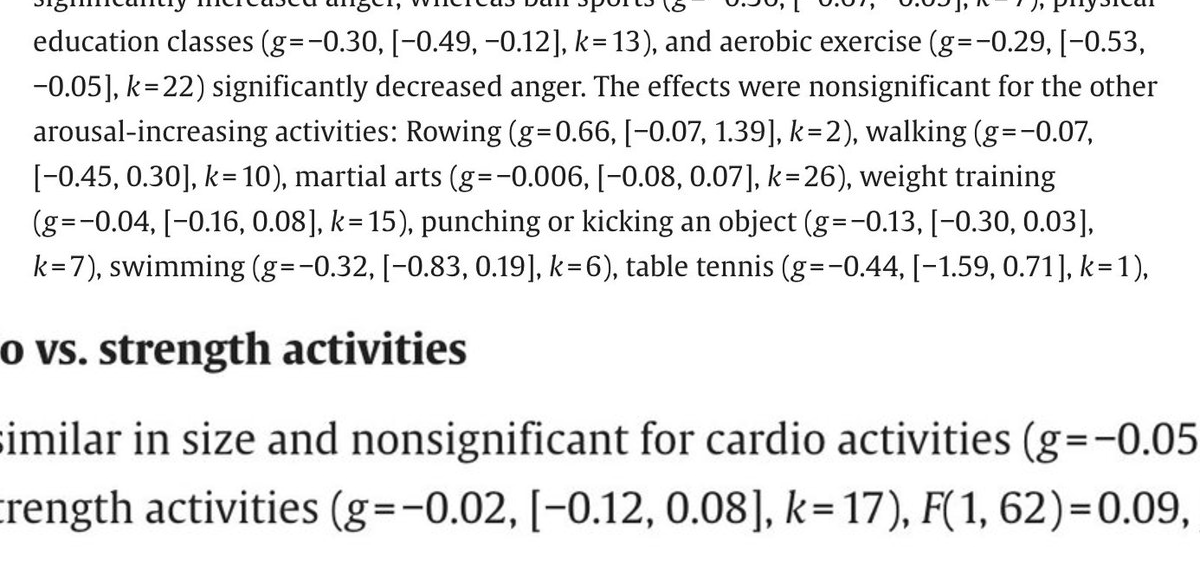
I don't even know where to start with this crap (partly because it's hard to tell which of the studies the 17 "jogging" effects came from, partly because it seems obvious from the paper that the more studies the more the "effect" disappears) https://t.co/Gniv5Ht8g3 pic.twitter.com/qbToQ2yOGM— Science Banana (@literalbanana) March 12, 2024
In silico experiments of bone remodeling explore metabolic diseases and their drug treatment
In silico experiments of bone remodeling enable observation and prediction of physiological and pathological bone conditions. , Bone structure and function are maintained by well-regulated bone metabolism and remodeling. Although the underlying molecular and cellular mechanisms are now being understood, physiological and pathological states of bone are still difficult to predict due to the complexity of intercellular signaling. We have now developed a novel in silico experimental platform, V-Bone, to integratively explore bone remodeling by linking complex microscopic molecular/cellular interactions to macroscopic tissue/organ adaptations. Mechano-biochemical couplings modeled in V-Bone relate bone adaptation to mechanical loading and reproduce metabolic bone diseases such as osteoporosis and osteopetrosis. V-Bone also enables in silico perturbation on a specific signaling molecule to observe bone metabolic dynamics over time. We also demonstrate that this platform provides a powerful way to predict in silico therapeutic effects of drugs against metabolic bone diseases. We anticipate that these in silico experiments will substantially accelerate research into bone metabolism and remodeling.
