“Creativity”—an original action or object—occurs frequently. Usually praised in the abstract, it’s seldom recognized or rewarded in ordinary life and in the workings of organizations. Seen in organizational contexts, it can be understood as an interesting activity whose potential value organizational constraints make it impossible to recognize for what it is.
Creative Technologists are moving from the margins to the center
Once an obscure job title, creative technology is becoming a new way of working, and a core capability inside modern product teams. Soon…
What Makes Us Smart?
Human creativity does not solely rely on our individual cognitive abilities, but instead emerges from the recombination of ideas, practices, and approaches that result from social interactions and id...

Beyond the Artifact: Power as a Lens for Creativity Support Tools
Artist Corporations: A groundbreaking structure for creative people
Creative people deserve the same economic advantages as everyone else. So we’re going to build it together.

Great creative work is usually the product of a single person
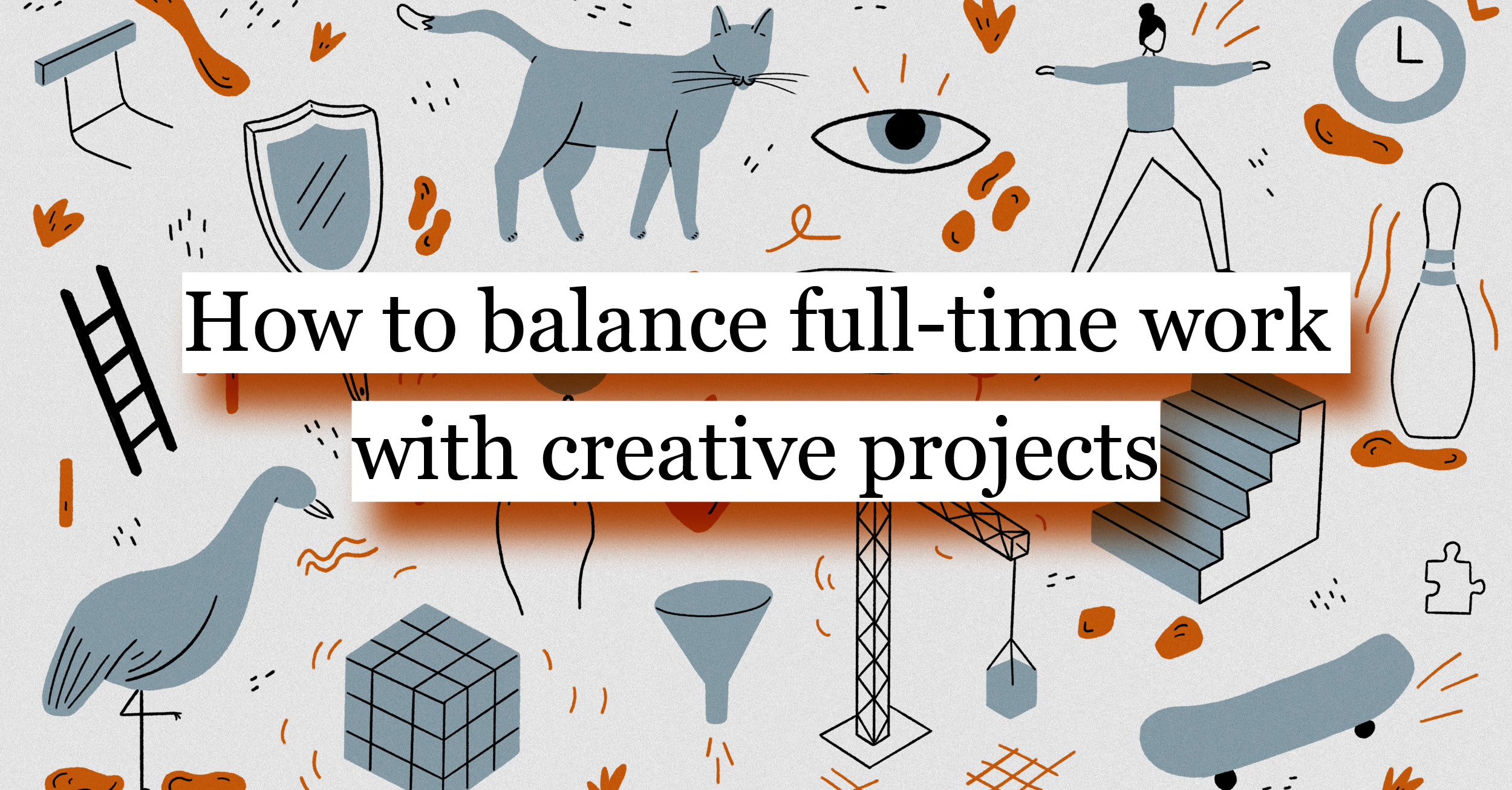
How to balance full-time work with creative projects – The Creative Independent
A guide to finding the right day job, protecting your time, and building creative habits by Jeffrey Silverstein. Illustrated by Sunny Eckerle.
How to balance full-time work with creative projects – The Creative Independent
A guide to finding the right day job, protecting your time, and building creative habits by Jeffrey Silverstein. Illustrated by Sunny Eckerle.
Research – Open Heart Mind
We’re developing Metavaluation — a participatory framework for recognising and rewarding the value of diverse contributions, from creative work and care to logistics and leadership.
Creative Computing Group by @tgoerke.bsky.social — Grain
Let's start a group at CODIP to explore creative computing. Let's not start by defining creativity nor computing. It would be a trap. Let's collect artifacts instead. Images, text, thoughts,...
Creative limitation
Creative limitation is the concept of how purposely limiting oneself can actually drive creativity. At a 2013 TED conference, artist Phil Hansen made several remarks concerning the value of limitations, among them that "We need to first be limited in order to become limitless,” and “If you treat the problems as possibilities, life will start to dance with you in the most amazing ways.”[TED.com 1]
Watch and Link Disparate Ideas — Think Jar Collective
An important skill to develop to enhance thinking creatively is to be able to link disparate ideas. This article lays out some provocations to spark creative collisions for innovation

Knowledge sharing: Why smart creatives build in public
Knowledge sharing: Why smart creatives build in public
(PDF) The Four-C Model of Creativity: Culture and Context
PDF | In this chapter, we highlight the Four-C Model of creativity, which traces creative development from mini-c (personal creativity) to little-c... | Find, read and cite all the research you need on ResearchGate

Combinatorial Creativity
Combinatorial creativity recombines existing ideas to spark novel, valuable innovations in cognition, AI, and design.
Don’t change the subject
Many creatives know this phenomenon: They start a new project on a promising topic with excitement, but when they can’t come up with an original idea instantly — they lose interest. They come to th…
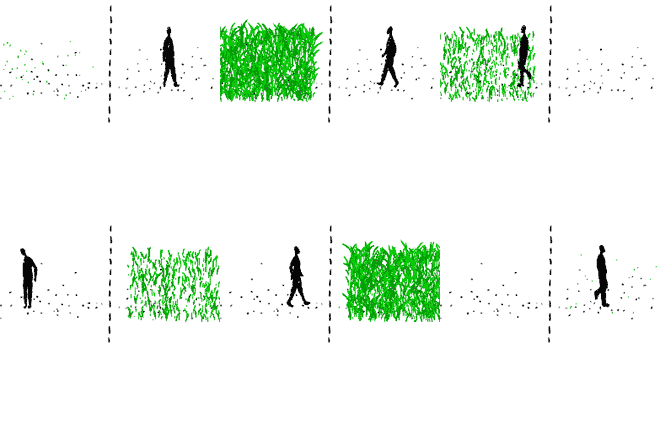
Thinking outside the box means thinking outside the search engine
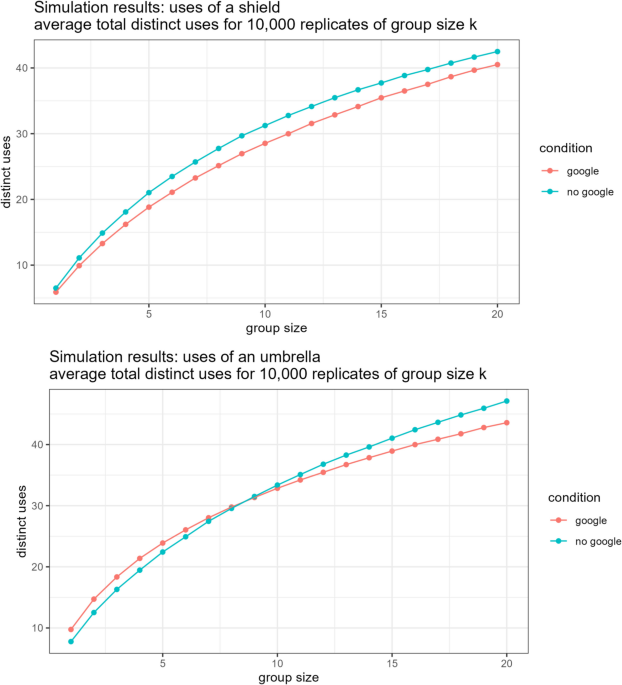
This study investigates the impact of internet access on creativity and identifies potential hidden costs of internet use for groups. Using the alternative uses task, we randomized participants (N = 244) into separate conditions to generate ideas for nonstandard uses for one of two common objects—a shield or an umbrella—either with or without internet access. Nominal group analysis reveals that while individual creativity may be enhanced by internet access, groups articulate fewer novel solutions when provided internet access, suggesting that internet access may constrain collective creative fluency. We also ran a reanalysis of previous data sets on creativity and internet use and found robust converging evidence across different paradigms, coders, and contexts. We further explore robustness by examining alternative operationalizations of fluency: quality of responses, as measured by coders’ evaluations of effectiveness, novelty, and subjective evaluations of creativity. While overall trends suggest an advantage for subjects who do not have internet access, this patterning depends to some degree on variation among coders. Implications for the way digital tools influence creative processes are discussed.