


While permanent connectivity has made media use ubiquitous and apps have become engagement optimized, little research has focused on the termination of (mobile)...
The lost art of concentration: being distracted in a digital world
We check our phones every 12 minutes, often just after waking up. Always-on behaviour is harmful to long-term mental health, and we need to learn to the hit the pause button

Modeling the Engagement-Disengagement Cycle of Compulsive Phone Use | Proceedings of the 2019 CHI Conference on Human Factors in Computing Systems
As part of the Digital Library's transition to Open Access, new features for researchers are available in the Premium Edition. Click here to learn more.

(PDF) The Loop and Reasons to Break It: Investigating Infinite Scrolling Behaviour in Social Media Applications and Reasons to Stop
PDF | Today's social media (SM) platforms are toolkits consisting of features with different use cases, some strongly related to habitual and regretful... | Find, read and cite all the research you need on ResearchGate

» The Life and Times of Maxis, Part 3: The Sims The Digital Antiquarian
I don’t think people realize how much tactical and strategic forethought goes into their daily lives. There’s a whole subconscious time-efficiency layer in our lives. In essence, real-time strategy is our lives.
Smartphones and Cognition: A Review of Research Exploring the Links between Mobile Technology Habits and Cognitive Functioning
While smartphones and related mobile technologies are recognized as flexible and powerful tools that, when used prudently, can augment human cognition, there is also a growing perception that habitual involvement with these devices may have a negative and lasting impact on users’ ability to think, remember, pay attention, and regulate emotion. The present review considers an intensifying, though still limited, area of research exploring the potential cognitive impacts of smartphone-related habits, and seeks to determine in which domains of functioning there is accruing evidence of a significant relationship between smartphone technology and cognitive performance, and in which domains the scientific literature is not yet mature enough to endorse any firm conclusions. We focus our review primarily on three facets of cognition that are clearly implicated in public discourse regarding the impacts of mobile technology – attention, memory, and delay of gratification – and then consider evidence regarding the broader relationships between smartphone habits and everyday cognitive functioning. Along the way, we highlight compelling findings, discuss limitations with respect to empirical methodology and interpretation, and offer suggestions for how the field might progress toward a more coherent and robust area of scientific inquiry.

The Second Smartphone Revolution - AVC
Benedict Evans tweeted out this chart yesterday: We sometimes think of the shift to mobile as finished, or almost finished. It isn’t. pic.twitter.com/l5gaiMlaoU — Benedict Evans (@BenedictEvans) March 12, 2016 The first 2.5bn smartphones brought us Instagram, Snapchat, Uber, Whatsapp, Kik, Venmo, Duolingo, and most importantly, drove the big web apps to build world class […]
The digital exiles: Why people are abandoning their smartphones - Coda Story
A growing movement of “former screenagers” is calling for a screen-free, surveillance-free life, for a chance to build a future beyond tech capture

Decentralizing My Smartphone With Single Purpose Devices
Lately, I’ve become nostalgic for the days before smartphones, when the internet was a place we went to deliberately, and not a place that lived on all of ou...

Podcast Apps: A Framework for Dying Slowly with Dignity
Why I'm making the decisions I'm making for Castro
Learn from Facebook’s Informal Motto of “Don’t be too proud to copy” - Tekedia
This is a Short Note. Facebook is making sure no one has a chance to challenge its dominance in social media. Any social media app or ecosystem that shows any element of competitive capability must be nipped at the bud. So, it copes Snapchat and it does it so cleverly that you cannot mistake the […]

Digital Echoes and Unquiet Minds - Christopher Butler
There's a psychological burden of digital life even heavier than distraction.

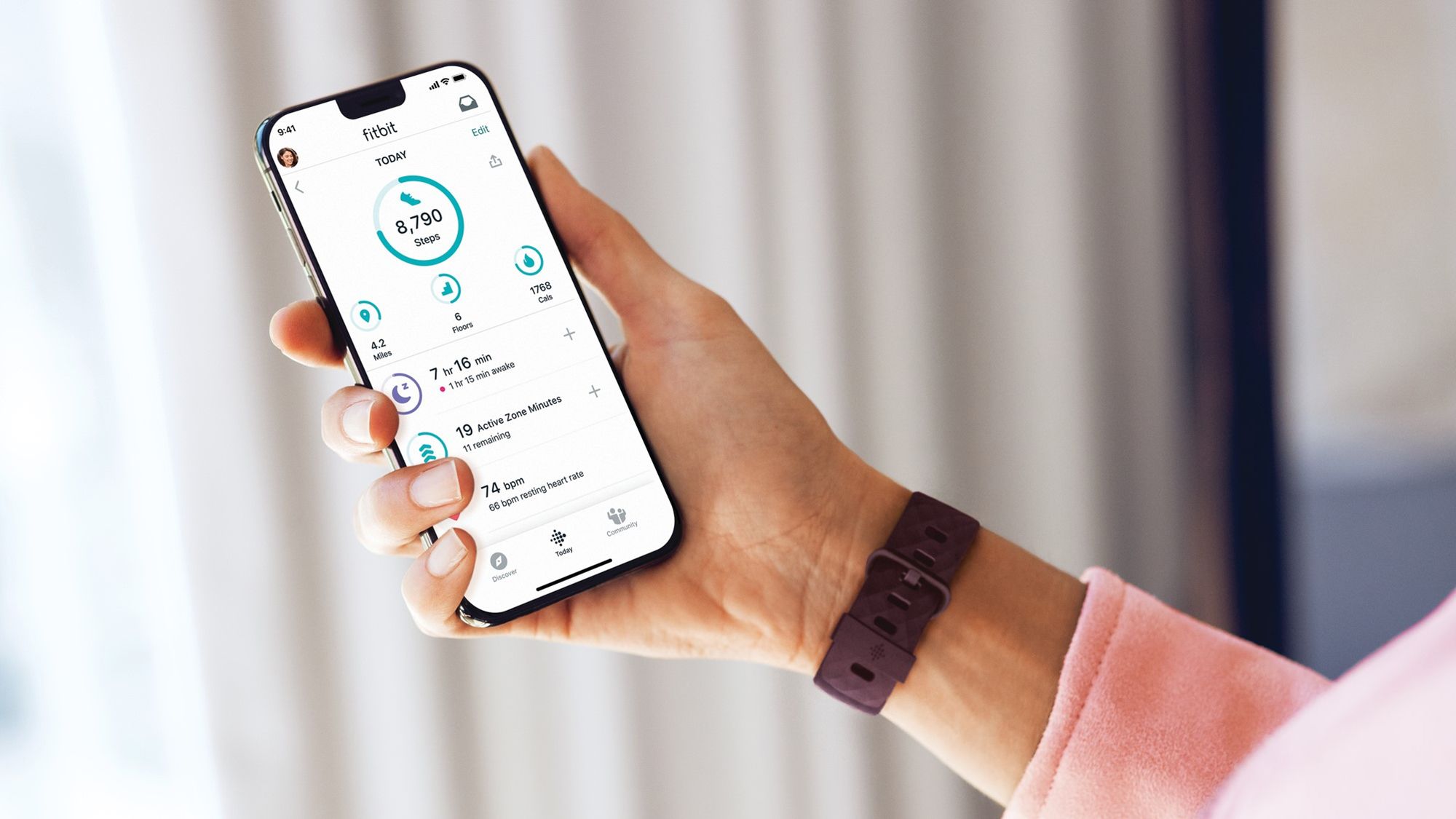
‘I hate the new Google Health app’: Fitbit fans bemoan the ‘end of an era’ as last holdouts are forced to switch to Google’s alternative
The final goodbye for the Fitbit app
Cognitive Load and Social Media Advertising
Social media engagement requires cognitive resources, which subsequently impact the advertisements consumers see while browsing. For the most part, however, advertising practitioners and scholars s...

What Isn’t There an App For? (Published 2015)
A writer spent three weeks trying to improve his life through apps.

If you're building apps for the social web, this survey report by Incogni is really worth a read. People are quietly withdrawing from active participation in social media. blog.incogni.com/digital-fatigue-and-burnout/ Extracts in the thread 🧶 👇

The great digital fatigue: How digital burnout is changing social media use [2026] | Incogni
blog.incogni.com