


Online communities provide ample opportunities for user self-expression but generally lack the means for average users to exercise direct control over community...
Exit, Voice, and Platform Loyalty
A recent article by Renée DiResta is interesting for a number of different reasons.

Governing Online Speech: From 'Posts-As-Trumps' to Proportionality and Probability
Online speech governance stands at an inflexion point. Platforms are emerging from the state of emergency invoked during the pandemic and lawmakers are poised t

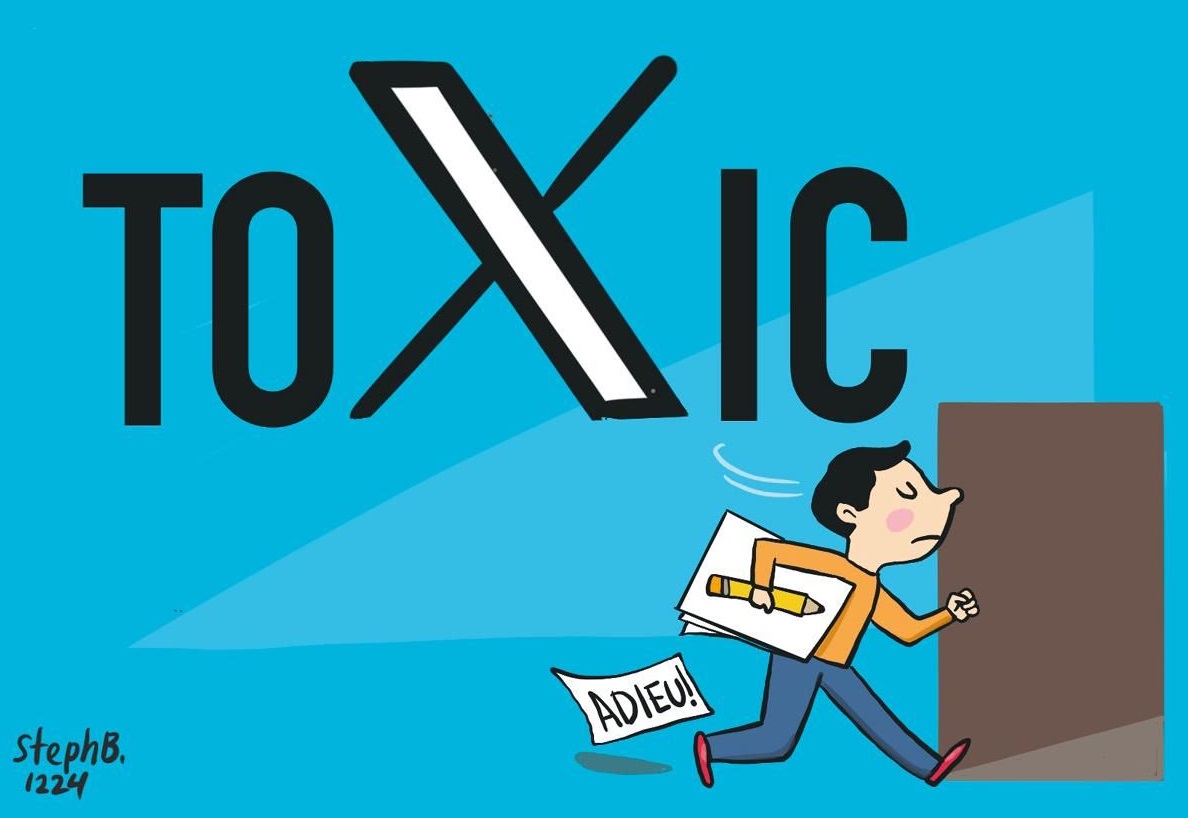
Xodus
...Building a movement away from toxic social media platforms, towards alternative open social media...
Creating a Flourishing Digital Public Space for Your Local Area | Notion
A how-to guide for admins and moderators of inclusive, uplifting, and public-spirited local Facebook groups, Discord servers, subreddits, and more...

New/Mode – Empowerment & Community Action Platform
Empower your voice and drive change with New/Mode advocacy tools. Mobilize your community in minutes. Start your campaign for free today.
Composable Trust, Part 1: Communities Without Credible Exit - Eclectic Corvine Muses
We guarantee that users aren’t subject to platforms. Yet communities are still subject to their stewards. Can we fix this?
Social Media and Anti-Social Pluralism - Aaron Ross Powell
Communities are different online and off, and pluralism that thrives in the real world can turn toxic in the digital world.
Strengthening Online Communities | Rise Against Big Tech Powerbase
Introducing a network for thoughtful conversations
The quality of conversations on the Internet is terrible. Most platforms like Twitter, Facebook, Instagram, Reddit, etc. optimize for engagement as their key metric. This spawns and rewards behavior that leads to bragging of gameable metrics such as likes and followers, self-feeding thought bubbles, knee-jerk reactions, “if you’re not on our side, you’re on their side” mentality, and thought policing even by people who think they’re fighting for a good cause. Today’s Internet doesn’t incentiviz
I Hate The Way We Talk Online
Jason Toney on algorithm-speak, main character energy, and why a simple question about music charts revealed how badly we've forgotten how to talk to each other online."

Reflector: Infrastructure for Meetings, by Greyhaven
Most organizations run on meetings. Strategy gets debated there. Decisions get made there. Context lives there. And yet...
2026 IC2S2: Keynote Presentation by Kate Starbird
The Great Social Media Diaspora
What happens when sprawling online communities fracture into politically homogenous, self-governing communities?

Medium CEO Tony Stubblebine on AI Slop, Quality Content & Social Media Fragmentation
Thoughts on Communities | unDraw Blog
Even with the best intentions and people eager to join, most attempts to create communities fail and will continue to do so.

Shifts in U.S. Social Media Use, 2020–2024: Decline, Fragmentation, and Enduring Polarization
The social media ecosystem appears to be in flux. Twitter’s rebranding to X has come to symbolize a broader reorganization of online publics – political reshuffling, user attrition, and uncertainty over the role of legacy platforms. Simultaneously, the shift from text-based, networked feeds toward algorithmically curated, short-form video has accelerated, with TikTok setting the pace for the wider ecosystem [18, 14, 16]. At the same time, everyday communication increasingly migrates from large, open networks to semi-private spaces such as group chats and messaging apps. Commentators describe a digital public sphere in transition: smaller, more fragmented, less dominated by traditional social networking sites, and rise of more broadcast-oriented forms of media – with some even suggesting that we are seeing the beginning of the end of the social media era.