


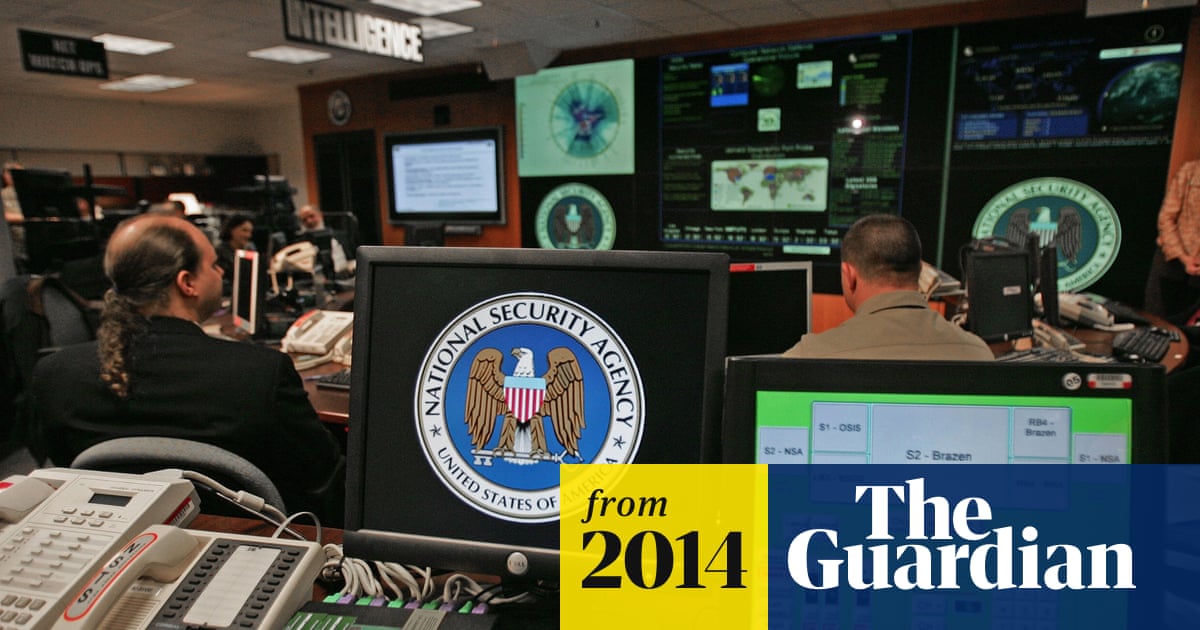
Using a new materialist line of questioning that looks at the agential potentialities of water and its entanglements with Big Data and surveillance, this article explores how the recent Snowden revelations about the National Security Agency (NSA) have reignited media scholars to engage with the infrastructures that enable intercepting, hosting, and processing immeasurable amounts of data. Focusing on the expansive architecture, location, and resource dependence of the NSA’s Utah Data Center, I demonstrate how surveillance and privacy can never be disconnected from the material infrastructures that allow and render natural the epistemological state of mass surveillance. Specifically, I explore the NSA’s infrastructure and the million of gallons of water it requires daily to cool its servers, while located in one of the driest states in the US. Complicating surveillance beyond the NSA, as also already imbricated with various social media companies, this article questions the emplacement and impact of corporate data centers more generally, and the changes they are causing to the landscape and local economies. I look at how water is an intriguing and politically relevant part of the surveillance infrastructure and how it has been constructed as the main tool for activism in this case, and how it may eventually help transform the public’s conceptualization of Big Data, as deeply material.
Should You Be Afraid of the NSA? - Learn Liberty
NSA Surveillance Debate: Cindy Cohn vs Ronald Sievert | Learn Liberty
You’re Thinking About AI and Water All Wrong
Fears about AI data centers’ water use have exploded. Experts say the reality is far more complicated than people think.

We Need A Massive Surveillance Program (Idle Words)
I am a privacy activist who has been riding a variety of high horses about the dangers of permanent, ubiquitous data collection since 2012.
Homeland Security is trying to force tech companies to hand over data about Trump critics | TechCrunch
The use of administrative subpoenas, which are not subject to judicial oversight, are used to demand a wealth of information from tech companies, including the owners of anonymous online accounts documenting ICE operations.

How 9/11 changed the way America surveils its citizens • Stateline
The terrorist attacks of Sept. 11, 2001, transformed how American intelligence and law enforcement agencies collect, share and analyze information. Twenty-five years later, that infrastructure has merged with a digital world capable of generating vast amounts of data about Americans — and artificial intelligence is making it easier to connect and analyze that information. The result is a surveillance system far more powerful than anything imaginable in 2001, raising new questions about privacy, policing and civil liberties.

Privacy under attack: the NSA files revealed new threats to democracy
We now know the apparatus of repression has been attached to the democratic state, but our struggle for privacy is far from hopeless. By Eben Moglen
"Pushed into the Shadows": Evidencing Digital Surveillance Chilling Effects and the Erosion of the Rights to Freedom of Assembly and of Association
SummaryThe United Nations Special Rapporteur on the Rights to Freedom of peaceful assembly and of association, Gina Romero, presents "Pushed into the Shadows: Evidencing digital surveillance chilling effects and the erosion of the rights to freedom of assembly and of association". This Global Study documents the profound impact that pervasive digital monitoring exerts on fundamental public freedoms. Moving beyond traditional privacy-centric narratives, the Study details how contemporary surveillance ecosystems induce serious chilling effects.
The Internet is a surveillance state | CNN
Bruce Schneier says our surveillance state is efficient beyond the wildest dreams of George Orwell, and consumers are given little chance to opt out

ICE Is Running One of the Largest Anti-Left Surveillance Operations i…
archived 28 Oct 2026 13:02:24 UTC

NSA tracking cellphone locations worldwide, Snowden documents show
Snowden documents show agency is collecting billions of records on whereabouts of mobile devices

Water Use Isn’t a Data Center Problem, It’s an AI Problem
Critics of the AI build-out are picking the wrong fight when they attack data centers for their water use. But they are right when they say the digital economy is getting thirstier and the tech industry should answer for it.The whole AI supply chain is water intensive, and reducing use in one ...

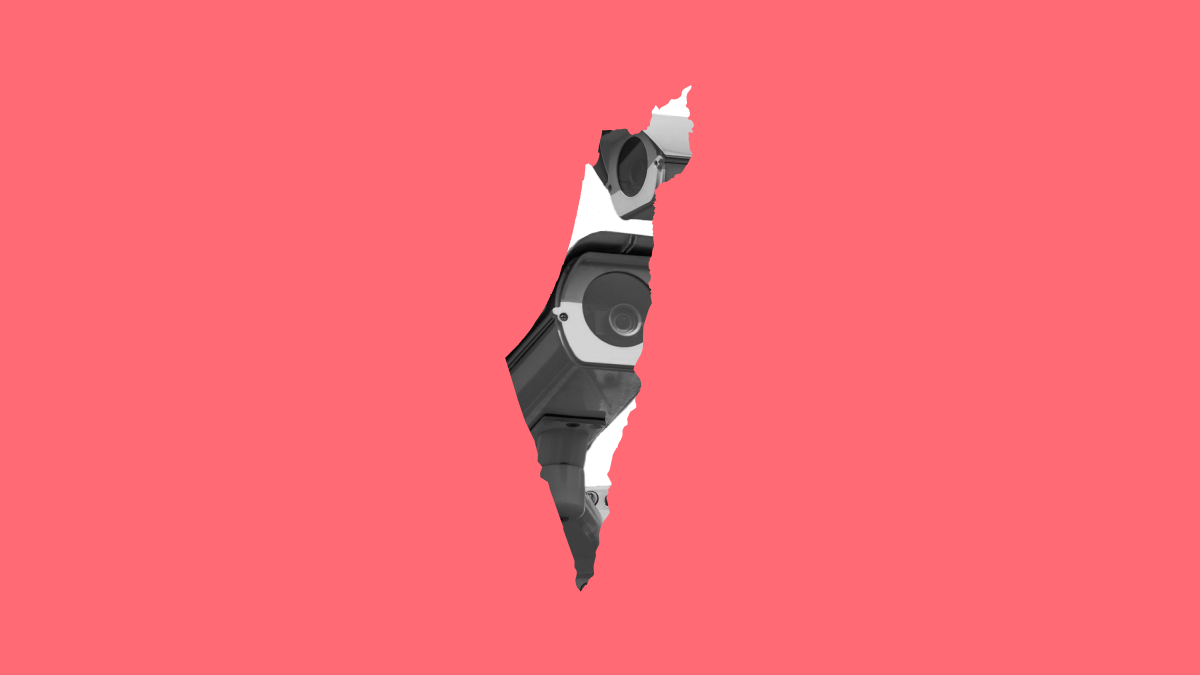
Surveillance as a Service: The Global Impact of Israeli “Defense” Technologies on Privacy and Human Rights | Tor Project
There is a growing need for a global stance against the use of technology for oppression. This post delves into the impact of Israeli surveillance technologies in Palestine and how localized instances of its use contribute to widespread acceptance and global adoption of such oppressive practices.
ICE Is Running One of the Largest Anti-Left Surveillance Operations in US History
ICE’s Homeland Security Investigations is engaged in far-reaching spying against left-wing activists that rivals the FBI and CIA crackdowns on the Civil Rights and anti-war movements.

After the Internet
In the wake of Edward Snowden's revelations, and concern that the internet has heightened rather than combated various forms of political and social...


Can't cook or shower: Indonesians take aim at data centres

Indonesians resort to seawater showers amid water shortage
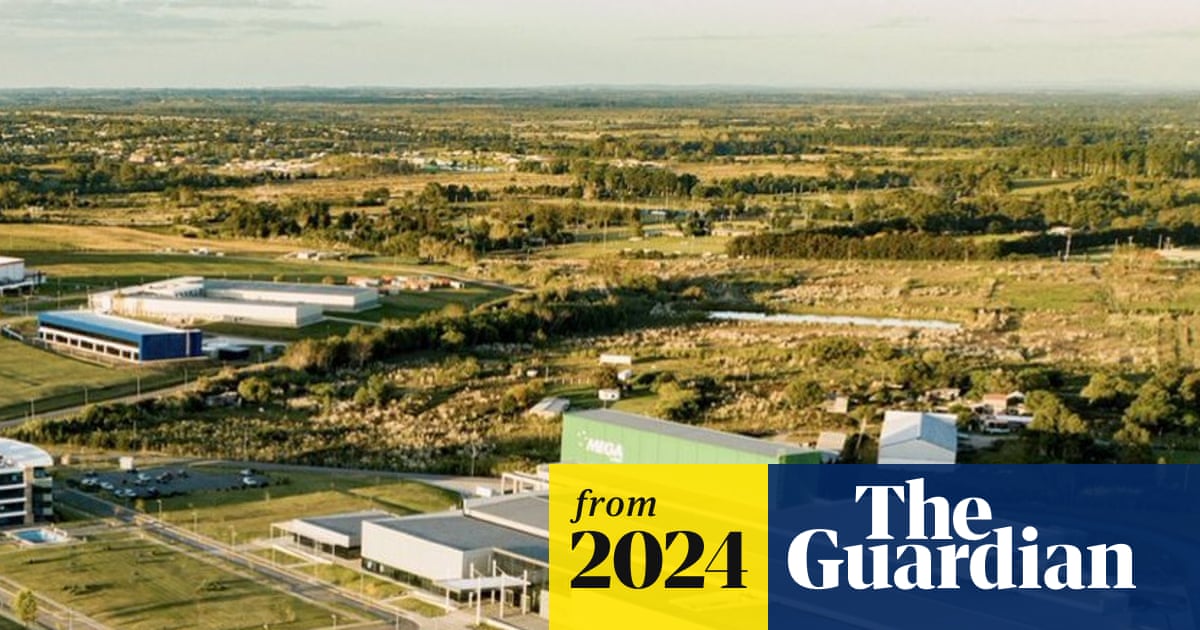
Anger mounts over environmental cost of Google datacentre in Uruguay
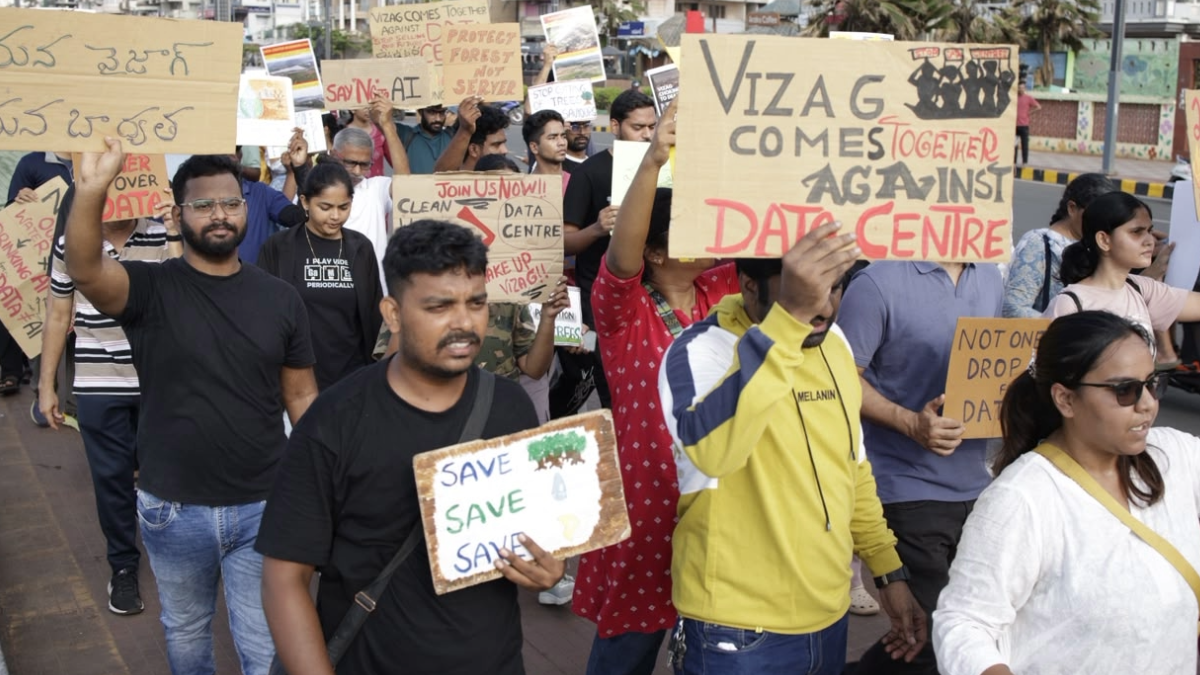
What India’s Forest Rights Act Can Teach Us About Data Centers
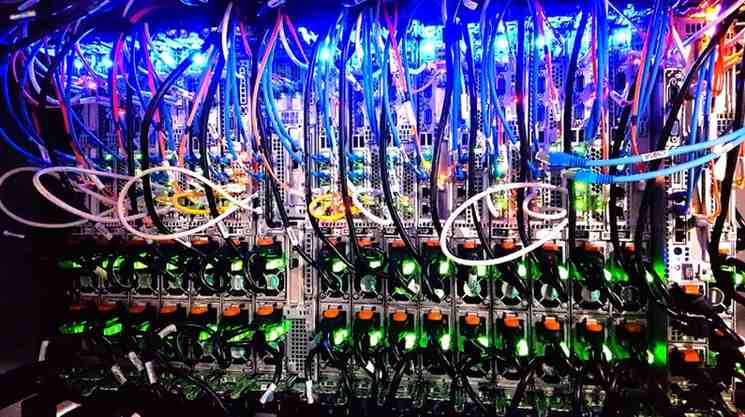
Amazon’s Hidden Data Centers in India and Beyond | The Climate Watch
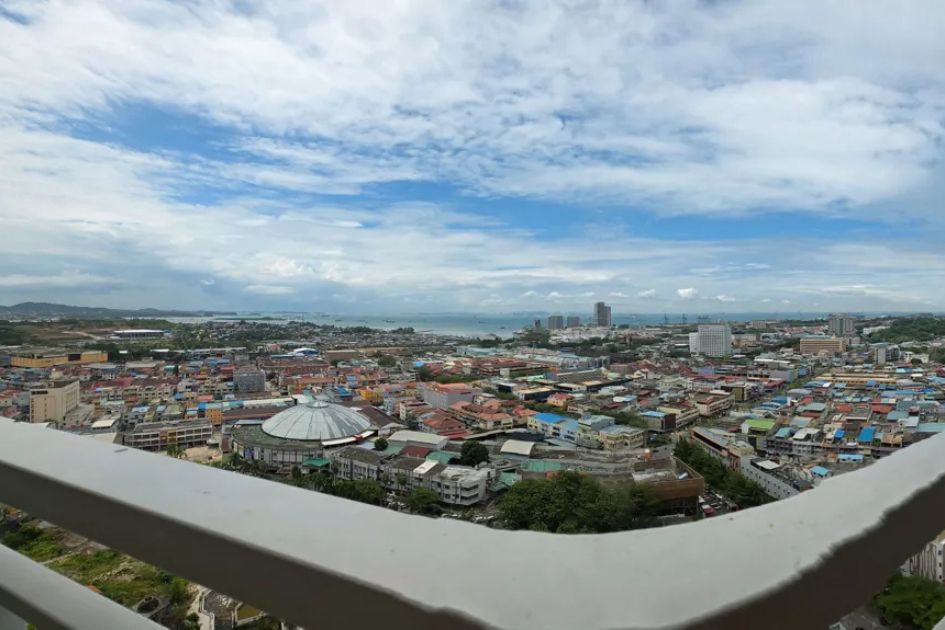
Water shortages spark protests over data centres on Indonesia's Batam