


Science is not always plain sailing and sometimes the voyage is across an angry sea. A recent clinical trial of treatments for chronic fatigue syndrome (the PACE trial) has whipped up a storm of controversy. Patients claim the lead authors overstated the effectiveness of cognitive behavioural therapy and graded exercise therapy by lowering the thresholds they used to determine improvement. In this extraordinary case, patients discovered that the treatments tested had much lower efficacy after an information tribunal ordered the release of data from the PACE trial to a patient who had requested access using a freedom of information request.
Comparison of adaptive pacing therapy, cognitive behaviour therapy, graded exercise therapy, and specialist medical care for chronic fatigue syndrome (PACE): a randomised trial
CBT and GET can safely be added to SMC to moderately improve outcomes for chronic fatigue syndrome, but APT is not an effective addition.

Exercise therapy for chronic fatigue syndrome
Exercise as treatment for adults with chronic fatigue syndrome, What is the aim of this review?, People with chronic fatigue syndrome have long‐lasting fatigue, joint pain, headaches, sleep problems, poor concentration and short‐term memory. These symptoms cause significant disability and distress. We wanted to find out whether exercise therapy can help people with chronic fatigue syndrome (myalgic encephalomyelitis)., Key messages, People who have exercise therapy probably have less fatigue at the end of treatment than those who receive more passive therapies. We are uncertain if this improvement lasts in the long term. We are also uncertain about the risk of serious side effects from exercise therapy., What was studied in the review?, We explored whether exercise therapy can reduce chronic fatigue syndrome symptoms. We searched for studies comparing the effect of exercise therapy with treatment as usual or other therapies., What are the main results of the review?, We found eight studies with 1518 participants. The studies compared participants who received exercise therapy to participants who received treatment as usual or more active treatments such as cognitive behavioural therapy., Participants had exercise therapy for 12 weeks to 26 weeks. The studies measured the effect of the therapy at the end of the treatment and also long term, after 50 or 72 weeks. Participants exercised at different levels of intensity using variations of aerobic exercising such as walking, swimming or cycling., Exercise therapy compared to treatment as usual or relaxation, Participants who have exercise therapy probably have less fatigue at the end of treatment, and they may have moderately better physical functioning. We are uncertain if these improvements last long term because we are very uncertain about the evidence., Participants who have exercise therapy may have slightly better sleep, both at the end of treatment and long term., We are uncertain about the risk of serious side effects and the effects of exercise therapy on pain, quality of life, and depression. This is because we lack evidence or because we are very uncertain about the evidence., Exercise therapy compared to cognitive behavioural therapy, Exercise therapy may make little or no difference to participants’ fatigue at end of treatment or in the long term. Exercise therapy may make little or no difference to participants’ physical functioning at end of treatment, but the long‐term effect on physical functioning is uncertain., No studies looked at the effect of exercise therapy on depression at the end of treatment, but it probably has little or no long‐term effect., We are uncertain about the risk of side effects. We are also uncertain about the effects on pain, quality of life, or sleep. This is because we lack evidence or because we are very uncertain about the evidence., Exercise therapy compared to adaptive pacing (living within limits), Participants who have exercise therapy may have slightly less fatigue and depressive symptoms and slightly better physical functioning and sleep at the end of treatment and long term than participants who have adaptive pacing., We are uncertain about the risk of serious side effects. We are also uncertain about the effect on quality of life or pain. This is because we lack evidence or we are very uncertain about the evidence., Exercise therapy compared to antidepressants, We are uncertain if exercise therapy is better than antidepressants at reducing fatigue. We are also uncertain of its effect on depression, side effects, pain, physical functioning, quality of life or sleep. This is because we lack evidence or we are very uncertain about the evidence., Why is this review important?, Exercise therapy is recommended by treatment guidelines and often used as treatment for people with chronic fatigue syndrome. People with chronic fatigue syndrome should have the opportunity to make informed decisions about their care and treatment based on robust research evidence and whether exercise therapy is effective, either as a stand‐alone intervention or as part of a treatment plan., It is important to note that the evidence in this review is from people diagnosed with 1994 criteria of the Centers for Disease Control and Prevention or the Oxford criteria. People diagnosed using other criteria may experience different effects.

Graded exercise therapy for myalgic encephalomyelitis/chronic fatigue syndrome is not effective and unsafe. Re-analysis of a Cochrane review
The analysis of the 2017 Cochrane review reveals flaws, which means that contrary to its findings, there is no evidence that graded exercise therapy is effective. Because of the failure to report harms adequately in the trials covered by the review, it cannot be said that graded exercise therapy is safe. The analysis of the objective outcomes in the trials provides sufficient evidence to conclude that graded exercise therapy is an ineffective treatment for myalgic encephalomyelitis/chronic fatigue syndrome.
Individual Experience vs. The Cochrane Review
On my decade-long exploration seeking a scientific language for singular evidence.

ACE: Audit Clinical Evidence
Independent audits of published clinical research for statistical errors, data inconsistencies, and research integrity violations.
Results and Strength of Evidence of mHealth Systematic Reviews (2)
This evidence map focuses on the effectiveness of mobile health (mHealth) interventions for the self-management of different chronic health conditions as assessed in 99 systematic reviews, as well as the strength of evidence underlying those findings. Read more about Using This Map and overarching Research Insights gained from this map. For the best map interaction experience, we recommend viewing this evidence map on desktop-sized devices in a Chrome, Safari, or Firefox browser.

Metapsy | Meta-Analytic Psychotherapy Databases
Metapsy is a university-based research project. It provides access to meta-analytic databases of clinical trials on the effect of psychological interventions on mental disorders or mental health problems.
Long COVID still has no cure — so these patients are turning to research
With key long COVID trials yet to yield results, people with the condition are trying to change how clinical trials are done.
Majority of doctors opposed to full access to your own electronic records
Facebook data liberation? Check. Twitter? Check. Your health records. Umm…

The negative impact of the psychiatric model of chronic fatigue syndrome on doctors’ understanding and management of the illness
Background: Myalgic Encephalomyelitis/Chronic Fatigue Syndrome (ME/CFS) is a disabling condition that greatly impacts the lives of sufferers. Many sufferers report problems getting a confirmatory d...

Evidence appraisal: a scoping review, conceptual framework, and research agenda
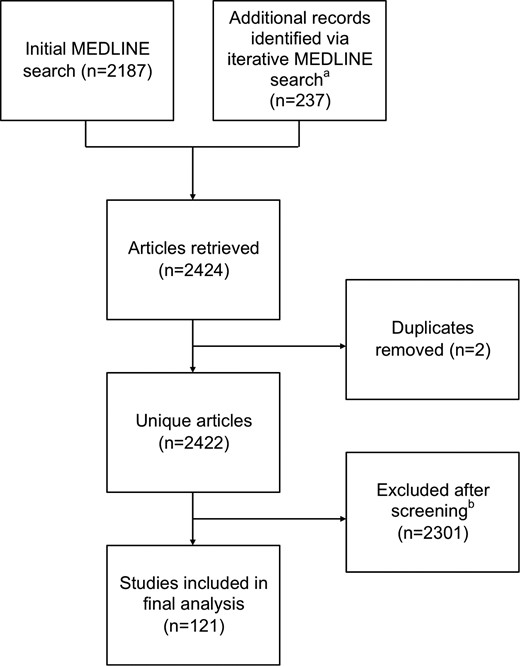
Abstract Objective Critical appraisal of clinical evidence promises to help prevent, detect, and address flaws related to study importance, ethics, validity, applicability, and reporting. These research issues are of growing concern. The purpose of this scoping review is to survey the current literature on evidence appraisal to develop a conceptual framework and an informatics research agenda. Methods We conducted an iterative literature search of Medline for discussion or research on the critical appraisal of clinical evidence. After title and abstract review, 121 articles were included in the analysis. We performed qualitative thematic analysis to describe the evidence appraisal architecture and its issues and opportunities. From this analysis, we derived a conceptual framework and an informatics research agenda. Results We identified 68 themes in 10 categories. This analysis revealed that the practice of evidence appraisal is quite common but is rarely subjected to documentation, organization, validation, integration, or uptake. This is related to underdeveloped tools, scant incentives, and insufficient acquisition of appraisal data and transformation of the data into usable knowledge. Discussion The gaps in acquiring appraisal data, transforming the data into actionable information and knowledge, and ensuring its dissemination and adoption can be addressed with proven informatics approaches. Conclusions Evidence appraisal faces several challenges, but implementing an informatics research agenda would likely help realize the potential of evidence appraisal for improving the rigor and value of clinical evidence.
The Trials of Rick Doblin
He revolutionized the way we view MDMA-assisted psychotherapy. But what does the research actually show?

Patrick Collison on Twitter / X
Observing some people close to me with chronic health conditions, it's striking how useful Reddit frequently ends up being. I think a core reason is because trials aren’t run for a lot of things, and Reddit provides a kind of emergent intelligence that sits between that which any… pic.twitter.com/Eto23uQMDb— Patrick Collison (@patrickc) September 14, 2025

Beyond APIs: Collecting Web Data for Research using the National Internet Observatory
Widespread Internet use offers unprecedented opportunities to study human behavior at scale, yet researchers face significant ethical and technical barriers when attempting to collect data for academic studies.
The Medium is the Message: How Non-Clinical Information Shapes Clinical Decisions in LLMs | Proceedings of the 2025 ACM Conference on Fairness, Accountability, and Transparency
There has been a growing interest in the HCI community to study Health, with particular focus in understanding healthcare practices and designing technologies to support and to enhance these practices. A majority of current health studies in HCI have ...

What if there was a simple practice that, if it were used consistently, would improve the reproducibility and rigor of psychology research?