John Patrick Daly. When Slavery Was Called Freedom: Evangelicalism, Proslavery, and the Causes of the Civil War. Lexington: University Press of Kentucky, 2002. 207 pages. ISBN: 0813122414. Reviewed by Charles F. Irons, for the Journal of Southern Religion.
John Brown, abolitionist : the man who killed slavery, sparked the Civil War, and seeded civil rights : Reynolds, David S., 1948-
Includes bibliographical references and index

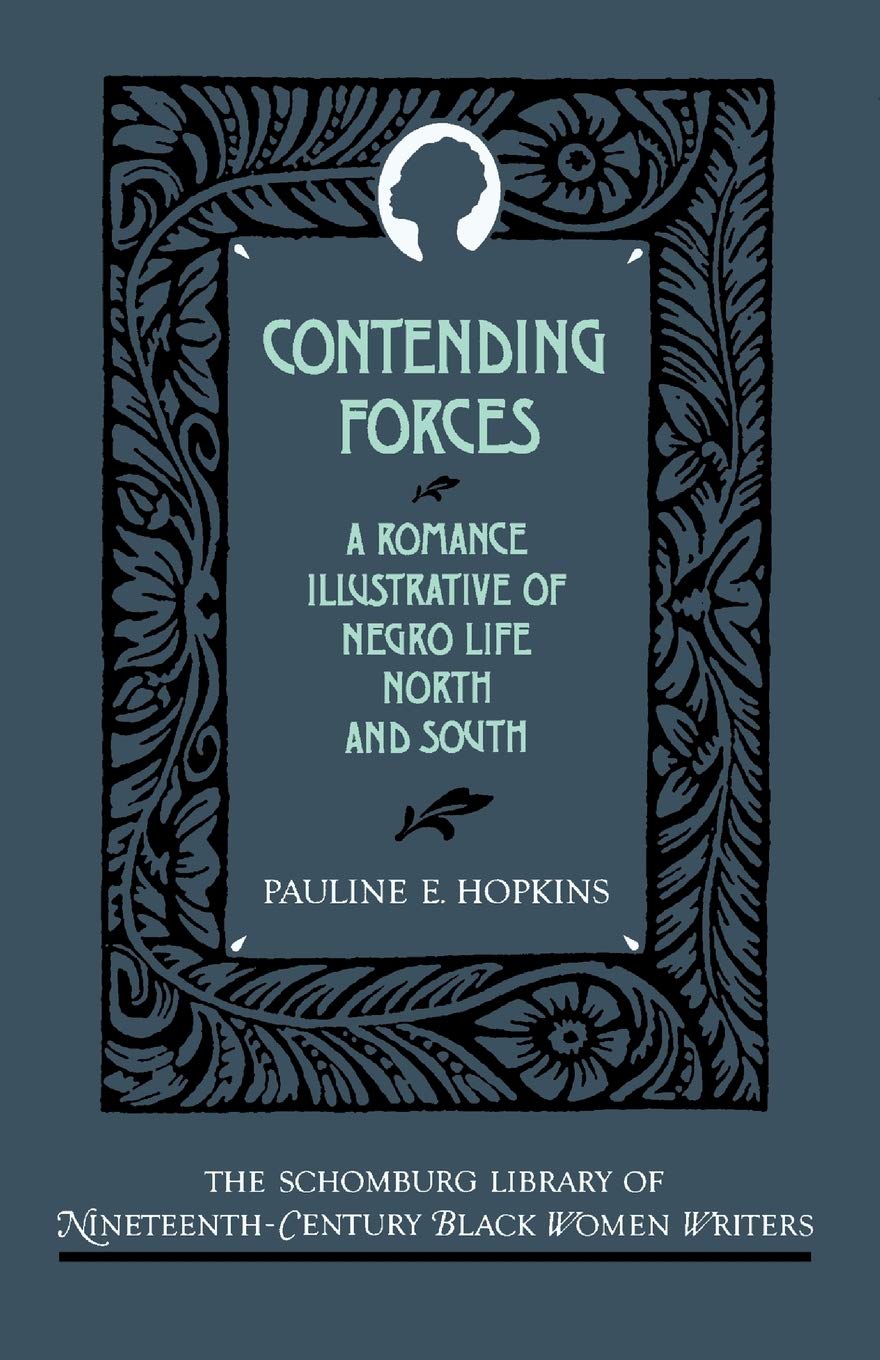
REVIEW: Pauline Hopkins' Contending Forces should be leading the literary canon - The Maroon
Contending Forces tells the story of a Black family both before and after slavery ended in the United States.
The Counter-Revolution of 1776: Slave Resistance and th…
Illuminates how the preservation of slavery was a moti…

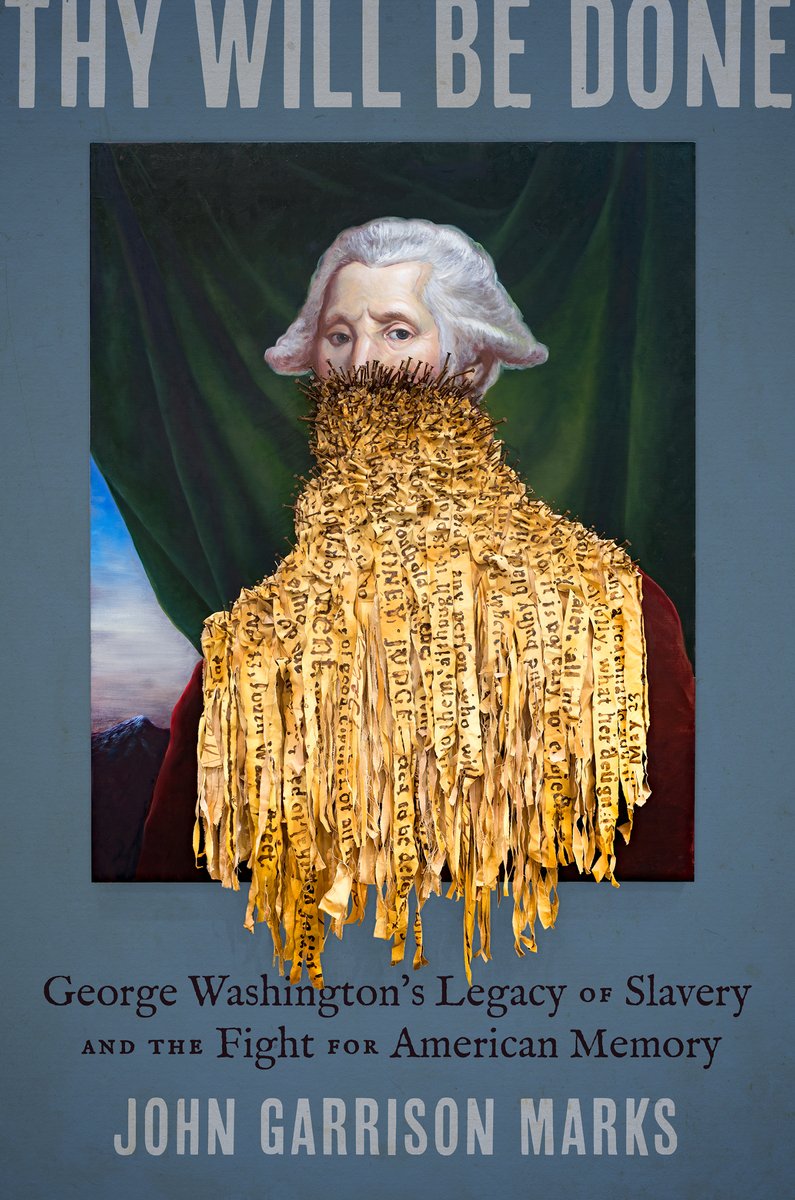
Thy Will Be Done: George Washington's Legacy of Slavery and the Fight for American Memory
George Washington's Legacy of Slavery and the Fight for American Memory
Waging a good war: a military history of the civil rights movement, 1954-1968
"A new history of the Civil Rights Movement with an emphasis on its nonviolent use of military tactics and strategy"--


Slave Songbook : Origin of the negro Spiritual
Footnotes by Jemar Tisby | Substack
Truth-telling at the intersection of faith, history, and justice Focus on white Christian nationalism + the Black Christian tradition. Click to read Footnotes by Jemar Tisby, by Jemar Tisby, PhD, a Substack publication with tens of thousands of subscribers.

Plain and peculiar: a case study of nineteenth-century Quaker clothing
Material culture scholars have long struggled to reconcile the Quaker doctrine of plainness with the appearance of Quaker material goods. Early descriptions of Quakers and early scholarship on Quaker clothing decreed that Quakers adopted a distinct style of dress that set them apart from their non-Quaker neighbors. This idea has grown into a mythology of Quaker dress and has led to the erroneous idea that all Quakers wore undecorated clothing in somber colors. This thesis first traces the history of scholarship on Quaker clothing, the early years of which were heavily influenced by Colonial Revival thinking. It then examines the concept of “plainness” to see how confusion over the meaning of the word has led to confusion about Quaker material goods. Finally, this thesis uses a collection of documentably Quaker clothing from the nineteenth century to examine the ways in which clothing and religion intersected for one particular group of Delaware Valley Friends and to expand the boundaries of the traditional definitions of “Quaker” dress.
American Babylon
A gripping portrait of black power politics and the struggle for civil rights in postwar Oakland

Sacralizing Dominion: The Doctrine of Christian Discovery and the Religious Nationalist Imagination
White Christian nationalism presents itself as restoration—of a Christian nation, a moral order, a rightful hierarchy. This article argues that what it restores is the world-making rhetoric of the Doctrine of Christian Discovery (DoCD). Reading the fifteenth-century papal bulls, their sedimentation into United States law, culture, religion, and contemporary dominionist discourse as a single rhetorical formation, we show that the bulls’ vocabulary of discovery, vacancy, and civilization did not describe a world but constituted one: a moral-legal order in which Christian identity conferred sovereignty and racialized peoples appeared as obstacles to salvation and property. That order persists as hegemonic common sense, carried by legal precedent, curricula, and popular culture, and it is re-performed today in the territorial rhetoric of the New Apostolic Reformation and white Christian nationalism. Following Steven T. Newcomb (Shawnee/Lenape), repudiating the doctrine’s documents without dismantling its embeddedness within language and cognition leaves religious nationalism’s deepest resource intact. Against the discovery template, we set three counter-rhetorics—Indigenous theologies, Black theology, and womanism—and argue that desanctifying dominion requires conciliation, not reconciliation.

The Ecology of Freedom: The Emergence and Dissolution o…
"The very notion of the domination of nature by man ste…

Anarchism and The Black Revolution and Other Essays
An analysis of white supremacy vs the black struggle an…

Deeds, Not Words: The Myth of Polite Revolution
A refusal of the sanitized story that rights were won by asking nicely. The suffragettes bombed Westminster Abbey. The Deacons for Defense guarded MLK. Man…