
I think good products carry something of the people who make them. Their experience, what they care about, and how they think things should work.
Not all good products make good businesses - The Intercom Blog
It's easy to assume that solving a real problem with a good product magically creates a successful software business. Sadly that’s never guaranteed.

The Product-Minded Software Engineer
Product-minded engineers are developers with lots of interest in the product itself. They want to understand why decisions are made, how people use the product, and love to be involved in making product decisions. They're someone who would likely make a good product manager if they ever decide

Perfect Software - Software for an Audience of One
We have many names to describe personal tools. Malleable software speaks to how it behaves. Home-cooked software speaks to who makes it.
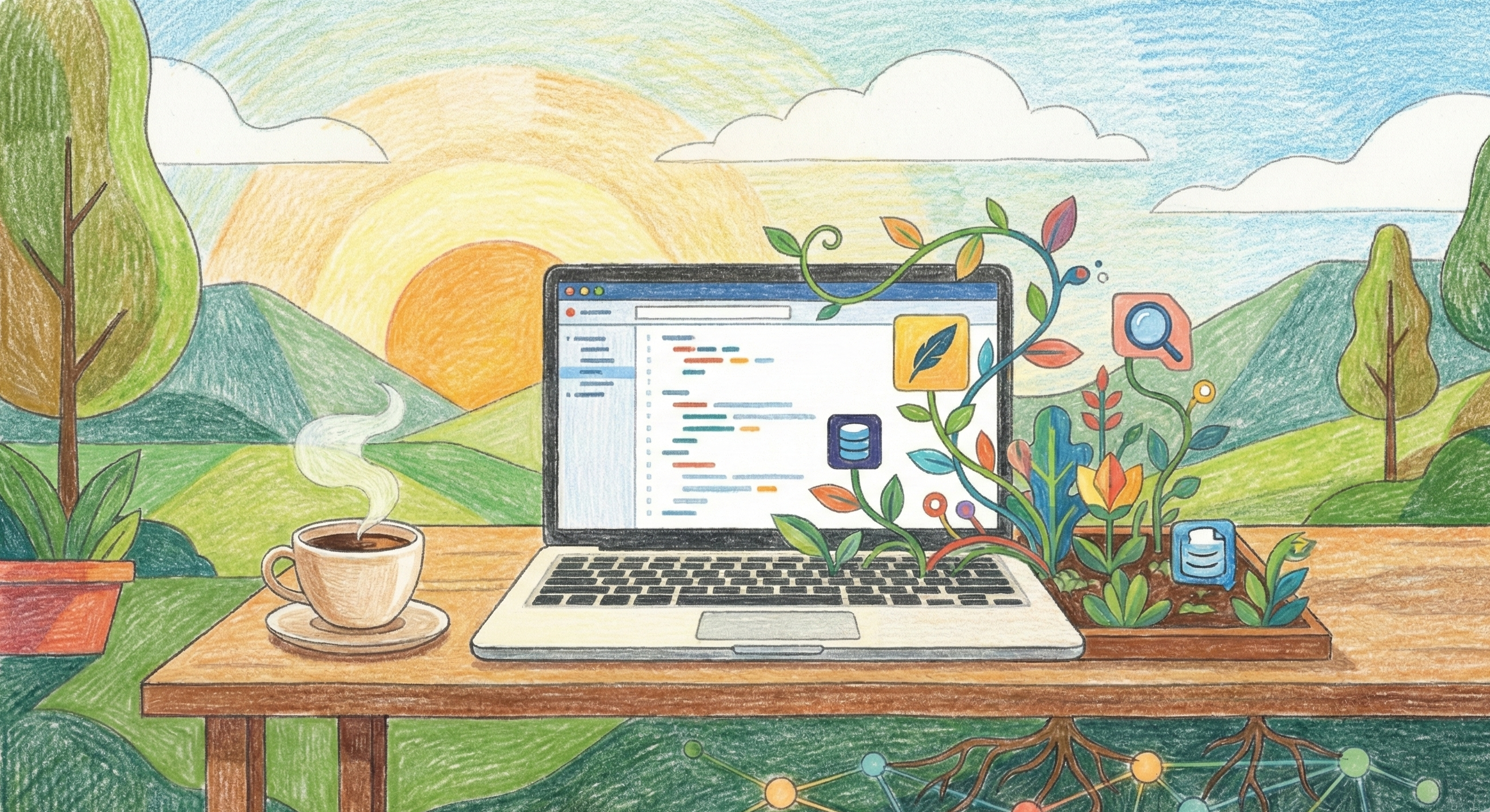
Seeing Like a Programmer (LambdaConf 2024) — Sympolymathesy, by Chris Krycho
How do we make good software, and indeed, what makes software good: both as software, and in terms of its place in the world?

“They had no concept of a duty of care to their users.” – Unsung
A blog about software craft and quality
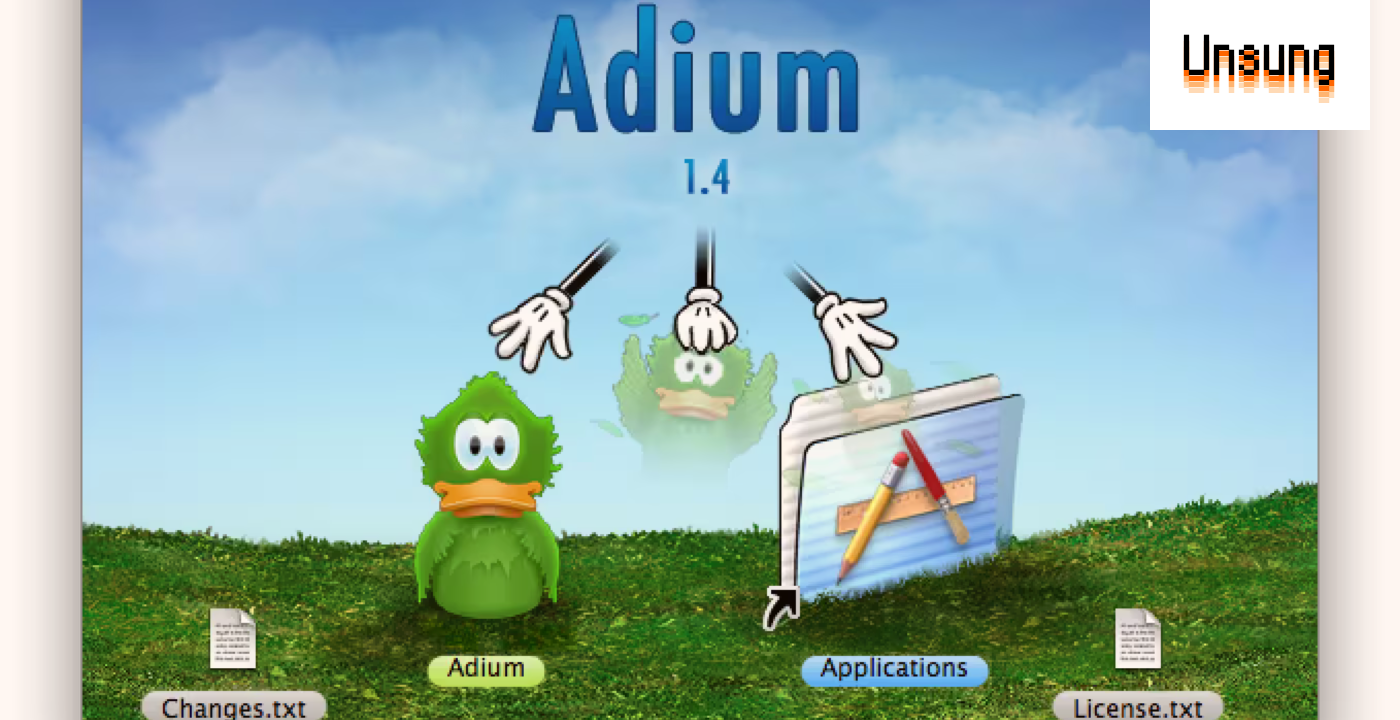
“As a Windows user, it’s a very surreal way to install a program.” – Unsung
A blog about software craft and quality
What Makes for a Good Product Manager?
Learn what qualities to look for in an exceptional product manager
Does Know Your Company actually work?
The most common question I hear from a business owner about our software is something to the effect of: “What are the results I’ll see in my company because of Know Your Company?” In other words, “…

“I think there’s a lot of value in these.” – Unsung
A blog about software craft and quality

How To Validate Product Ideas Before (And After) Building Them
People spend too much time writing software relative to speaking to potential customers, prior to launching and after it. Reversing that is a win.
The Value of Open Source Software
The value of a non-pecuniary (free) product is inherently difficult to assess. A pervasive example is open source software (OSS), a global public good that play

Keep Your Friends Close — Open Tech Strategies | Blog
One of the insider secrets of free and open source software (FOSS) is that most of the rules a project uses on a day-to-day basis are not found in the software’s license. There are contribution guidelines, which are enforced by the project only taking contributions that meet them. There are codes of conduct, which are a condition of community participation. There are endorsements, official membership, a voice in setting the project roadmap, and all kinds of other benefits that attach to varying types of community participation. In each case, entirely external to the license, there are official rules and unwritten norms that govern how participants gain the benefits of joining the civic life of a project.
The Money In Open-Source Software | TechCrunch
It’s no secret that open-source technology -- once the province of radicals, hippies and granola eaters -- has gone mainstream. According to industry estimates, more than 180 young companies that give away their software raised roughly $3.2 billion in financing from 2011 to 2014. Despite the growing popularity of open-source software, though, many open-source companies are not financially healthy.

The Case for Software Craftsmanship in the Era of Vibes
From the Zed Blog: Working toward genuine, quality software in an era where code production is not the constraint anymore.
The open source community that embraces designers most, wins.
That’s my theory. Here’s my reasoning: