

Reflections from my first month of unemployment
The 'Great Resignation' Is Really the 'Great Discontent'
Employees are quitting in droves. Learn what's fueling the mass job change.

Unemployment in America, Mapped Over Time
Watch the regional changes across the country from 1990 to 2016.

Disappointing 29,000 jobs added in September as unemployment ticks up
Friday's jobs report is the last one that will come out before the Nov. 3 elections that will determine whether President Donald Trump's Republicans maintain full control of Congress.

Being kicked out of the tech industry - Jacky Alciné
After 250 job applications in four months, I'm giving up.

Employee benefits at Basecamp
Our headquarters in Chicago. I’m often asked about the benefits we offer at Basecamp. Potential employees are obviously curious, but most of the questions I get are from fellow business owners…

Ninety Days
When you accept a new job, you don't know who you are going to work with, what you are going to be doing, and how much (or little) you're going to like it. Cal
a simple (local) solution to the pay gap — wingolog
wingolog: article: a simple (local) solution to the pay gap
Things are going so well we’re doing a hiring freeze
Business has never been better at Basecamp. Despite all the competition, all the noise, and all the changes since we launched 14 years ago, 2017 was the year we earned the most revenue ever. While …
I was laid off by Atlassian
AI layoffs are looking more and more like corporate fiction that's masking a darker reality, Oxford Economics suggests | Fortune
"Firms don't appear to be replacing workers with AI on a significant scale," the firm said. It suspects some are trying to "dress up layoffs" as good news.

What the Challenger Layoff Tracker Really Measures
Why announced layoffs often diverge from the government’s layoff data.
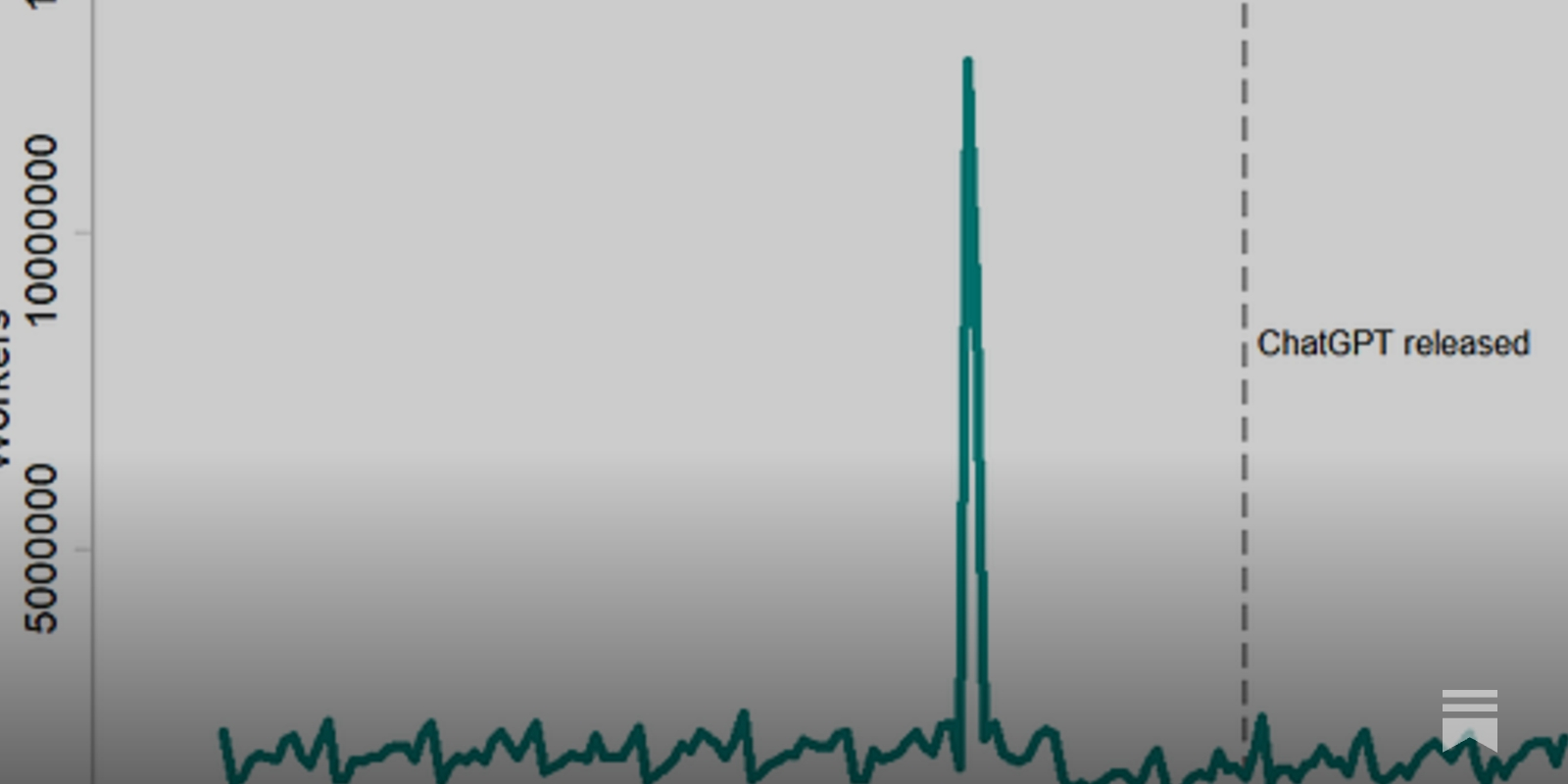
Tough News: We’ve Made 10 Layoffs. How We Got Here, the Financial Details and How We’re Moving Forward
Some tough news: Buffer has made 10 layoffs, 11% of the team. We want to share openly how we got here, the financial details and how we’re moving forward.
Bored People Quit
Much has been written about employee motivation and retention. It's written by folks who actively use words like motivation and retention and generally don't ha
The loss of staff belonging in higher education
Nick Hulbert-Williams argues that what looks like low morale and change fatigue in HE may really be a crisis of belonging

Lower Ed: The Troubling Rise of For-Profit Colleges
Lower Ed: The Troubling Rise of For-Profit Colleges in the New Economy by Tressie McMillan Cottom (2017, The New Press) is simply excellent. Here's an excerpt, here's Dr. McMillan Cottom's page about the book, here's … | Cogito, Ergo Sumana | Blog by Sumana Harihareswara, Changeset founder