

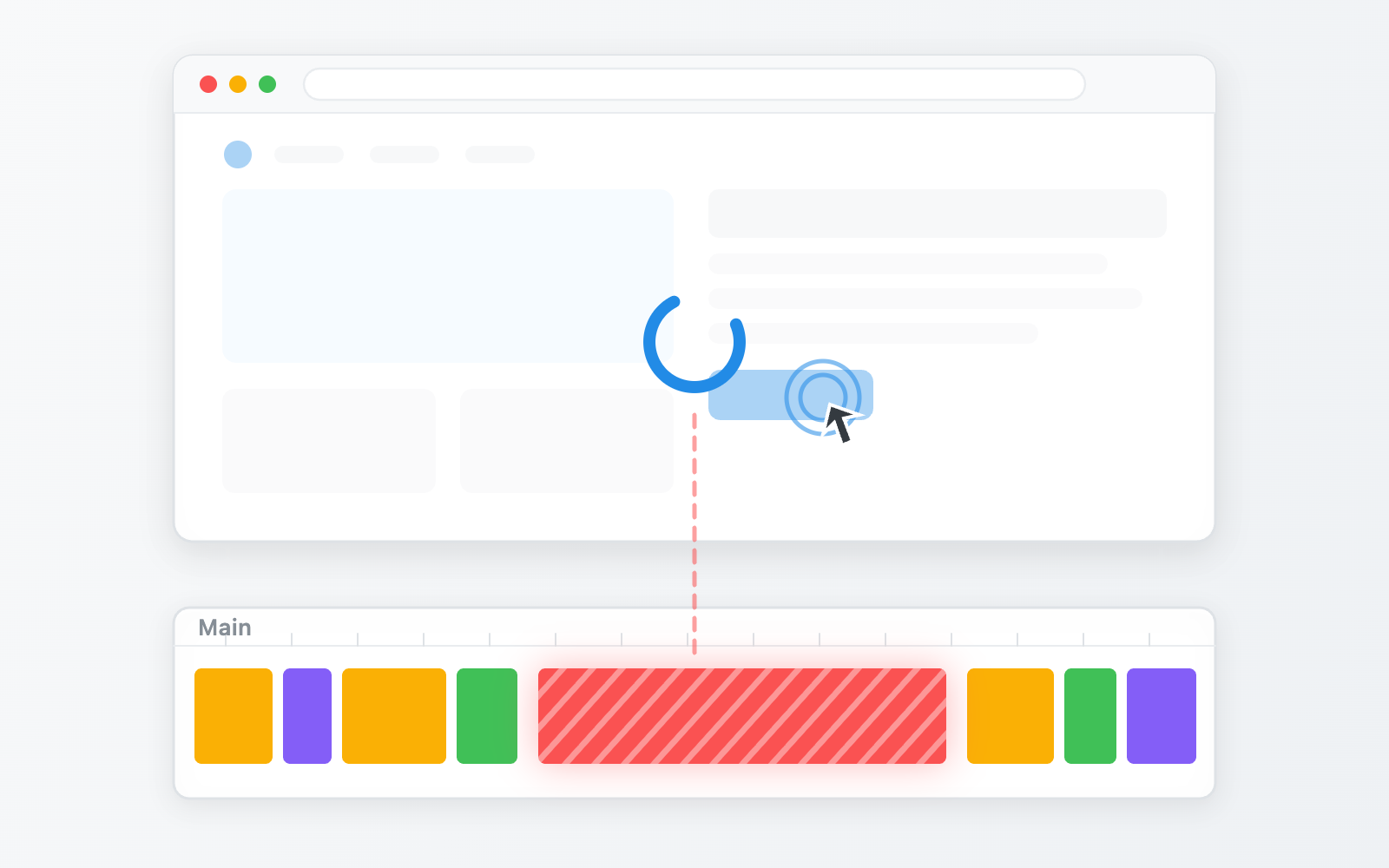
What comes to mind when you hear "frontend optimization"? For most of us it's things like reducing network requests, shrinking the bundle,…
Frontend Minimalism in Action: Do More With Less JavaScript | Peter Kröner | webinale Berlin 2026
Frontend Without the Browser–WTH?!?
What is the state of frontend frameworks and libraries in 2026? This is a question many frontend developers today are wrestling with, and it appears one answer is that frontend has moved deeper into the stack. Take gpuix-svelte, an experimental project built by Stanislav Khromov, a Svelte core team member, that renders the JavaScript framework

Stop Ignoring the Browser: The Biggest Frontend Shift in a Decade
Native browser APIs now provide powerful alternatives for routing, state management, and components. Never mind the frameworks, use the browser.

Building the DOM faster: speculative parsing, async, defer and preload – Mozilla Hacks - the Web developer blog
In 2017, the toolbox for making sure your web page loads fast includes everything from minification and asset optimization to caching, CDNs, code splitting and tree shaking. Understanding what goes ...

Front-end Inspiration, Resources, and Design References | Frontpedia
Curated frontend inspiration, design references, UI patterns, and development resources for modern web teams.
Now THAT’S What I Call Service Worker!
If you’re looking to achieve the single-page app level performance without the overhead (and boot time) of a huge JavaScript library or having to completely rewrite your website in a new technology…

Scheduling Tasks and Threads | Web Browser Engineering
Modern browsers must handle user input, request remote files, run various callbacks, and ultimately render to the screen, all while staying fast and responsive. That requires a unified task abstraction to keep track of the browser’s pending work. Moreover, browser work must be split across multiple CPU threads, with different threads running tasks in parallel to maximize responsiveness.
Reckoning: Frontend's Lost Decade | Alex Russell | performance.now() 2024
Datastar: Modern web dev, simplified
You love building web apps with Python, and HTMX got you excited about the hypermedia approach -- let the server drive the HTML, skip the JavaScript build step, keep things simple. But then you hit that last 10%: You need Alpine.js for interactivity, your state gets out of sync, and suddenly you're juggling two unrelated libraries that weren't designed to work together. What if there was a single 11-kilobyte framework that gave you everything HTMX and Alpine do, and more, with real-time updates, multiplayer collaboration out of the box, and performance so fast you're actually bottlenecked by the monitor's refresh rate? That's Datastar. On this episode, I sit down with its creator Delaney Gillilan, core maintainer Ben Croker, and Datastar convert Chris May to explore how this backend-driven, server-sent-events-first framework is changing the way full-stack developers think about the modern web.

Turbocharging Web Apps: Efficient AI Model Caching in Chrome
The whole web at maximum FPS: How WebRender gets rid of jank – Mozilla Hacks - the Web developer blog
The Firefox Quantum release is getting close. It brings many performance improvements, including the super fast CSS engine that we brought over from Servo. But there’s another big piece of ...

frontend-design - Skill
Create distinctive, production-grade frontend interfaces with high design quality. Use this skill when the user asks to build web components, pages, or applications. Generates creative, polished code that avoids generic AI aesthetics.
How we reduced our initial JS/CSS size by 67%
We have been working on reducing the amount of bytes that we send to all Fider users. Being a web application built with React, we have focused on JS and CSS. On this post we share our learnings, some concepts and suggestions on how you can do the same with your web application.

How One 1990s Browser Decision Created Big Tech’s Data Monopolies (And How We Might Finally Fix It)
There’s a fundamental architectural flaw in how the internet works that most people have never heard of, but it explains nearly every frustration you have with modern technology. Why your pho…

Web bloat isn’t a knowledge problem | Christian Heilmann
There is a consensus among all browser makers and lovers of the web: the current state of the web is a mess. The average web page is 2.4 megabyte big and has over 200 requests.
"The end result of all of this is that we grew from 2k users to almost 150k, added a ton of heavy new functionality, and still managed to optimize and cut down costs from $.15 per active user per month to just $.03 or so." - @snarfed.org breaks down all the work he's done to optimize Bridgy Fed 1/

Bridging on a budget
blog.anew.social